by Jay Silver | Oct 7, 2026 | Soil Stabilization, Permeation Grout
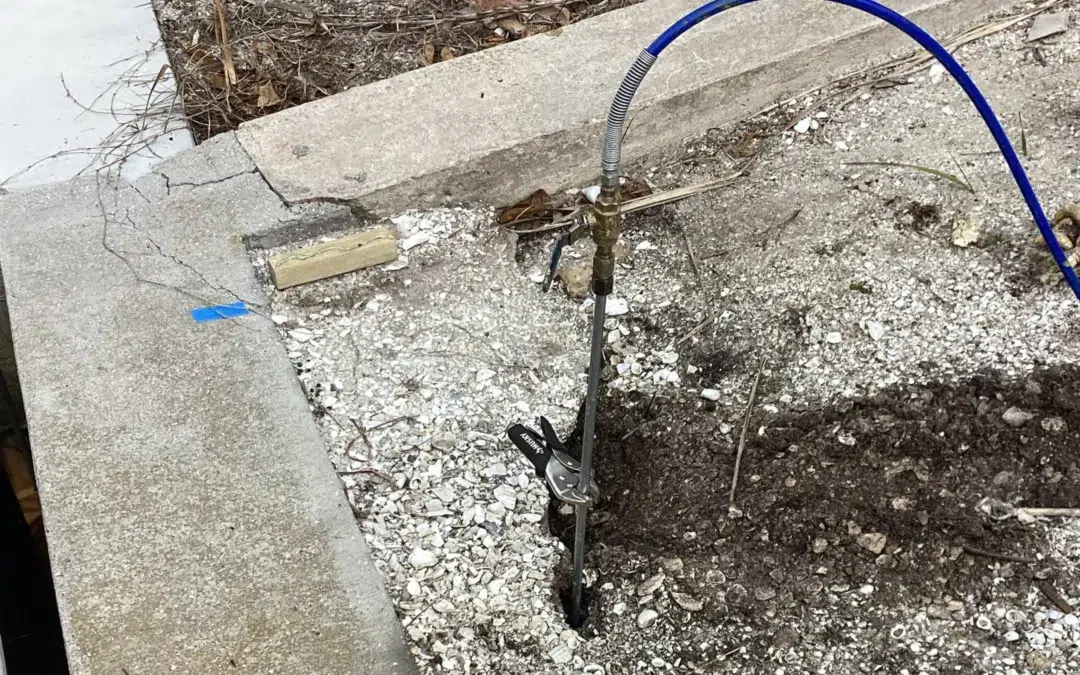
Direct Answer Common seawall-related problems Southwest Florida homeowners may encounter include: Soil washing out through seawall panel joints Voids developing behind the wall Depressions or holes forming near the seawall Settling pavers, patios, or...
by Jay Silver | Oct 6, 2026 | Foundation Repair
Direct Answer Foundation and settlement issues Orlando-area homeowners may encounter include: Differential foundation settlement Cracks in concrete block, stucco, or drywall Sticking doors and windows Uneven or sloping floors Interior slab settlement ...

by Jay Silver | Oct 5, 2026 | Foundation Repair
Direct Answer Common foundation and settlement problems Tampa Bay homeowners encounter include: Differential foundation settlement Cracks in block, stucco, or drywall Sticking doors and windows Uneven or sloping floors Interior slab settlement Sinking...
by Jay Silver | Oct 3, 2026 | Foundation Repair
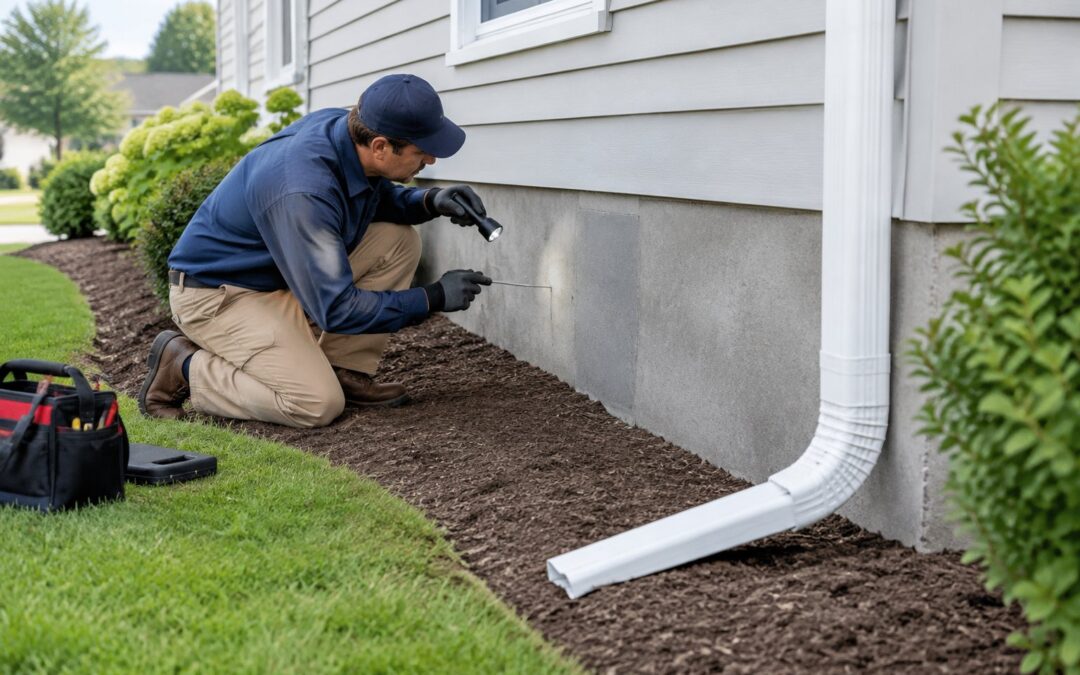
The crew has packed up, the equipment is gone, and your driveway is quiet again. Your slab has been lifted, piers are in the ground, or grout has been injected beneath your home. The structural problem is solved, but a new question remains: what should you do now to...
by Jay Silver | Oct 2, 2026 | Poly Foam Grout, Foundation Repair
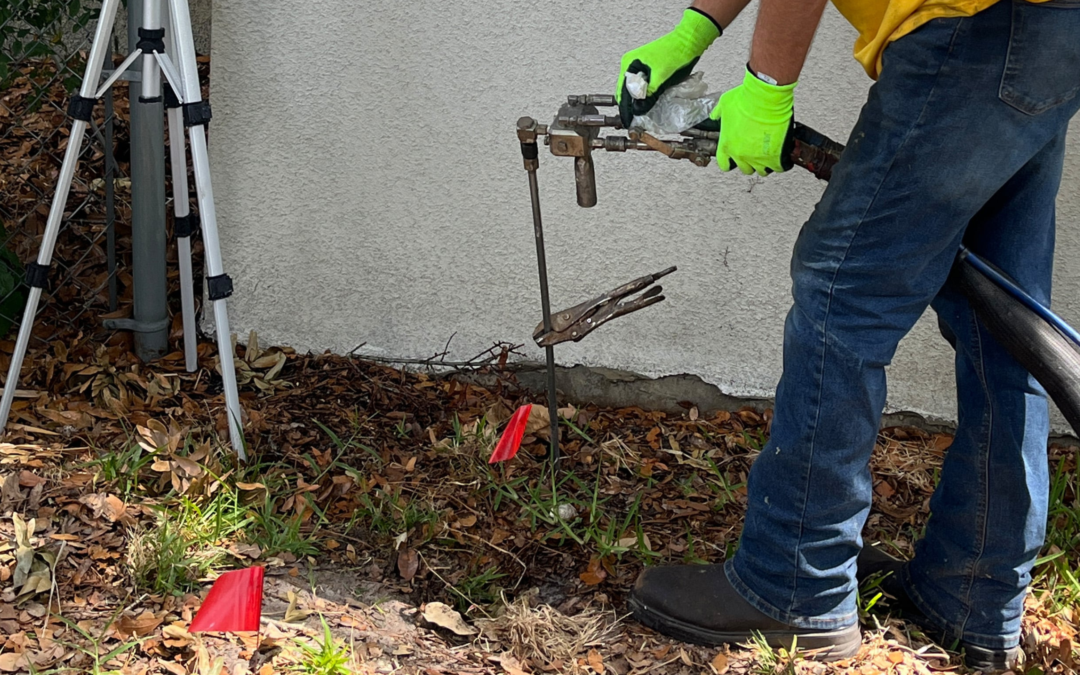
Direct Answer Polyurethane injection can be used beneath a home to improve weak shallow soils, restore support beneath concrete, fill underground voids, and lift settled interior slabs in appropriate conditions. But “injecting polyurethane under a home”...