The crew has packed up, the equipment is gone, and your driveway is quiet again. Your slab has been lifted, piers are in the ground, or grout has been injected beneath your home. The structural problem is solved, but a new question remains: what should you do now to protect this repair for the long haul?
Florida properties face different pressures than homes in most other states. Sandy fill soils, seasonal downpours, and, in some regions, karst limestone activity mean a completed repair still needs a homeowner who pays attention.
Helicon has inspected thousands of Florida properties since 2004, and the pattern is consistent: repairs hold up best when owners follow a simple, steady maintenance routine rather than assuming the work is finished the day the crew drives away.
In this guide, you will find a practical, first-year checklist covering settling, drainage, inspection routines, and warranty upkeep. The goal is a clear, engineer-backed plan you can actually follow, not a list of vague warnings.
What Should You Do When the Repair Crew Leaves?
Start by documenting your home’s current condition before you do anything else. This baseline becomes your reference point for spotting real change later, versus normal post-repair adjustment.
Foundation repair resolves the structural cause of movement, but the house above it still needs time to settle into its corrected position. Framing, drywall, and flooring were built around the old, unstable position, so they shift slightly as the structure adapts to the fix. This is a known, expected phase of foundation settling, not a sign the repair failed.
Save the Repair Records and Establish a Photo Baseline
Keep your contract, engineering report, and warranty paperwork together in one folder, physical or digital. Take dated photos of every crack, door, and floor area mentioned in your repair report, plus a few wide shots of each room and the exterior perimeter.
This baseline matters more in Florida than in drier climates. Humidity, heavy rain, and temperature swings between summer and winter can all cause minor material movement that looks alarming without a clear “before” reference.
What Settling and Cosmetic Changes Can Happen After Repair?
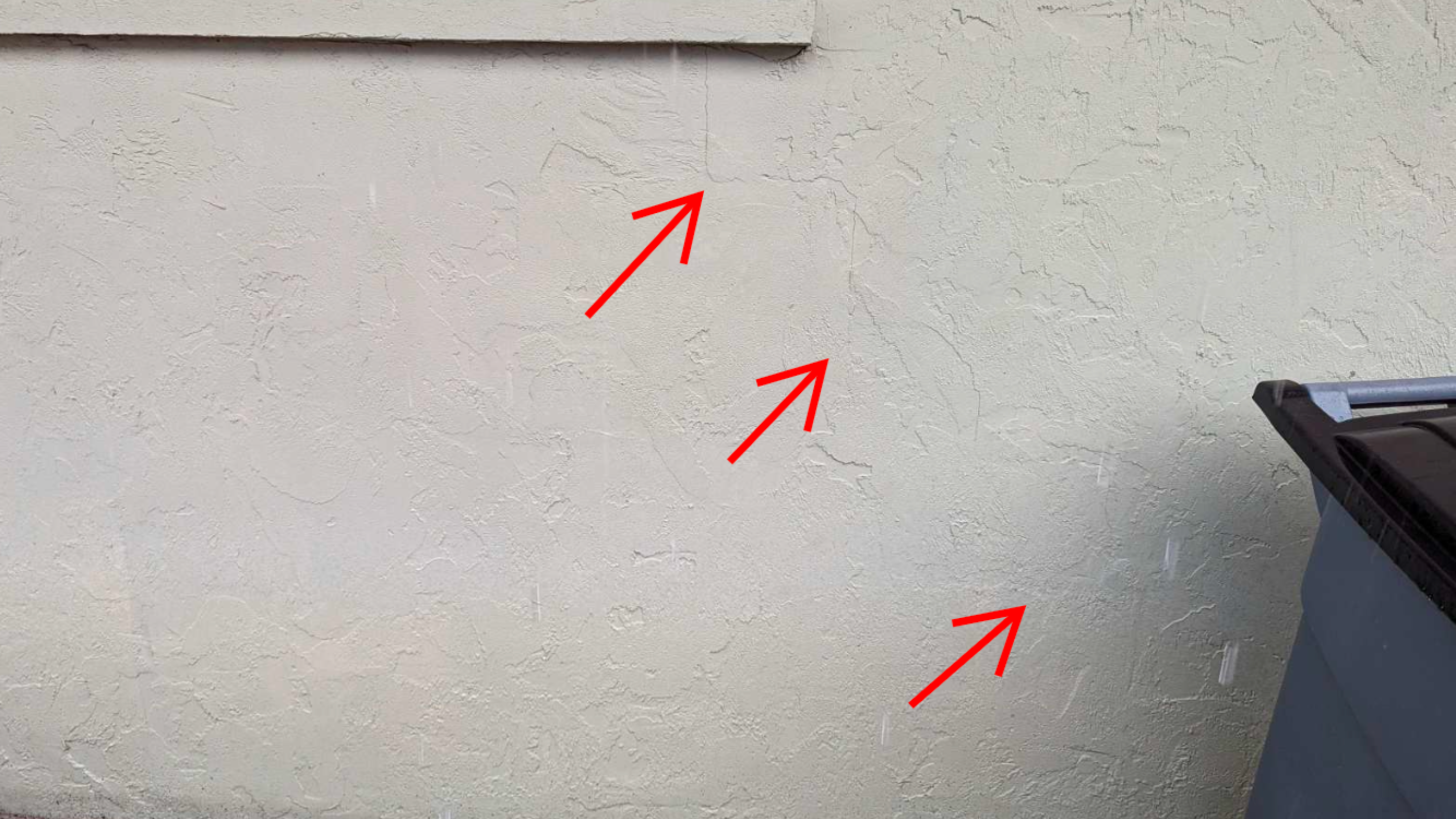
Hairline drywall cracks near ceiling corners, small gaps at baseboards, or a door that needs minor adjustment are common cosmetic repairs in the weeks after structural work. These come from the house re-settling, not from the foundation moving again.
Watch for the difference between cosmetic settling and something that needs attention:
- Hairline cracks under an eighth of an inch that stay the same size over several weeks
- Doors or windows that briefly stick, then loosen back up on their own
- Small nail pops in drywall, especially near ceiling seams
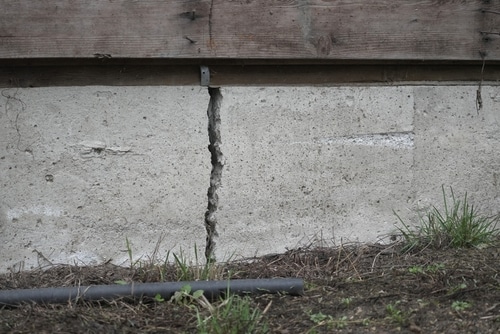
- Cracks that widen, run diagonally, or reappear after being patched
- New gaps between walls and ceiling trim that grow week over week
The first group is typical adjustment. The second group is worth tracking closely, which raises the next question: how do you make sure water isn’t causing what you’re seeing?
How Do You Keep Water Away from the Repaired Foundation?
Moisture control is the single most important habit for protecting a repaired foundation in Florida. Water that pools or seeps near your foundation puts pressure right back on the same soil that caused problems in the first place.
Florida’s sandy fill soils drain quickly in some spots and hold water stubbornly in others, depending on compaction and grading. Combine that with tropical storm rainfall that can drop several inches in an afternoon, and moisture management becomes a year-round job, not a rainy-season chore.
Check Gutters, Downspouts, and Yard Grading
Clean gutters twice a year and after major storms, since clogged gutters send water sheeting straight down along your foundation walls. Downspout extensions should carry water at least several feet from the foundation, and the ground should slope gently away from the house, not toward it.
A negative slope, where the yard tilts toward the foundation, sends every heavy rain event straight to the area you just paid to repair. If your yard looks flat or dips toward the house, talk to a drainage professional about regrading.
Keep Drains Clear and Address Leaks Promptly
French drains and yard drains only work if they stay clear of leaves, sand, and debris. Check them each season, and clear any that show standing water after a storm.
Plumbing leaks under slabs are easy to miss in Florida homes because warm climates mask the usual signs, like frozen pipes, that homeowners elsewhere watch for. A sudden damp patch on a slab floor or an unexplained rise in your water bill is worth investigating quickly.
Adjust Moisture Practices to Your Property’s Soil
Properties on clay-rich soil pockets need different care than those on straight sandy fill. Clay expands when wet and shrinks when dry, so consistent moisture matters more there than on well-draining sand.
If you irrigate your lawn, keep sprinkler heads angled away from the foundation and avoid soaking the same spot near the wall repeatedly. Once your drainage habits are solid, the next step is knowing what to actually look for during your own walk-throughs.
What Should Your Ongoing Inspection Routine Include?
A short walk-through every few months, plus one after any major storm, is enough to catch most early warning signs. You do not need special tools, just your baseline photos and a flashlight.
Foundation movement rarely happens overnight in Florida homes. It tends to show up gradually through small changes in cracks, doors, and windows that are easy to miss unless you compare them to a fixed reference point.
Compare Cracks, Floors, Doors, and Windows with Your Baseline
Pull out your baseline photos every three months and walk the same path through your home. Note whether any crack has widened, whether a door that closed easily now sticks, or whether a floor that felt level now slopes.
Keep a simple log with dates and photos each time you check. This turns a vague feeling that “something seems off” into documented evidence you can share with your repair company if needed.
Check After Major Storms and Record Changes Over Time
Florida’s hurricane season brings heavy rain, high winds, and rapid barometric pressure shifts that can stress a home’s structure. After any named storm or significant rain event, walk your foundation’s perimeter and check for new pooling, erosion, or shifted soil near the repair area.
Take photos immediately after the storm and again a week later. Comparing the two shows whether water drained properly or left lingering saturation near the foundation.
Know When a Change Warrants a Follow-Up Call
Some changes are worth a phone call rather than continued monitoring. Contact your repair company if you notice:
- A crack that grows more than an eighth of an inch within a few weeks
- A door or window that stops working correctly and does not improve
- New sloping in a floor that was level right after the repair
- Water intrusion near or through the repaired area
- Any visible movement at the piers or lift points themselves
None of these mean the repair failed. They mean it is time for a professional to take a look, which brings up how your warranty fits into that conversation.
How Do You Keep Your Repair Warranty Useful?
Reading your warranty terms before you need them is the best way to keep post-repair foundation maintenance from becoming a coverage dispute later. Most warranties come with conditions, and missing one can cost you the protection you paid for.
Warranties on foundation work typically cover the structural repair itself, such as piers or grouting, for a defined period or for the life of the home. They do not always cover cosmetic issues like drywall cracks or paint touch-ups that happen during the normal settling period.
Review Coverage, Exclusions, and Maintenance Requirements
Look specifically for language about drainage maintenance, since many warranties require reasonable water management around the foundation as a condition of coverage. Some also require you to notify the company within a certain window if you notice new movement.
Check whether the warranty transfers to a new owner if you sell, and whether it requires periodic professional inspections to stay valid. These details vary by company and contract, so read the actual document rather than relying on what the word “warranty” implies.
Keep Photos and Service Records for Follow-Up Inspections
Your baseline photos and inspection log double as warranty support. If you ever need a follow-up visit, dated records of what changed and when speed up the process and give the engineer real data to work from.
Store your original repair report alongside these records. A repair company will move faster on a follow-up request with clear documentation than with a verbal description like “it looks worse than before.”
Protecting the Repair Starts with a Simple Routine
A repaired foundation holds up best with three habits: managing water, checking for change against a baseline, and knowing your warranty terms. None of these require special skills or expensive equipment.
Florida’s combination of sandy fill soils, seasonal storms, and, in some regions, limestone-driven ground activity means protecting a foundation doesn’t stop at the final inspection. A homeowner who checks drainage each season and compares conditions to a photo baseline catches small issues before they grow.
- Walk the property every few months and after major storms
- Keep gutters, downspouts, and drains clear
- Compare current conditions to your baseline photos
- Review warranty terms and keep records organized
- Call for a follow-up if changes exceed normal settling
Sticking with this routine for the first year builds a habit that protects the investment for decades. If something on your checklist raises a question you cannot answer alone, that is exactly what a follow-up inspection is for.
Frequently Asked Questions
How long does a house take to settle after foundation repair?
Most homes go through a settling period of about 30 to 90 days after a lift or pier installation, during which minor cracks or door adjustments can appear. This is normal as the structure adjusts to its corrected position, not a sign of a failed repair.
Are new cracks after foundation repair always a problem?
No, small hairline cracks that appear and then stop growing are common during the settling period and usually cosmetic. Cracks that keep widening, run diagonally, or come with water intrusion are the ones worth a follow-up call.
Should I water the soil around my Florida foundation?
It depends on your soil type, since clay-rich pockets benefit from consistent moisture while sandy fill soils drain quickly and rarely need supplemental watering. If you do water, angle sprinklers away from the foundation wall rather than aiming them directly at it.
How much does maintenance after foundation repair cost?
Routine maintenance, like clearing gutters, checking drains, and taking photos, costs little beyond your own time. Costs only rise if a drainage fix, such as a French drain or regrading, becomes necessary to correct a slope problem.
When should I contact the repair company about a change?
Contact them when a crack grows noticeably, a door or window stops functioning and does not improve, or you see new floor sloping after the initial settling period ends. Bring your dated photos and log so the engineer has clear before-and-after evidence to review.
You do not have to guess whether a new crack or a sticking door means trouble. A free inspection from Helicon gives you a clear, honest read on your repair’s condition and what, if anything, it needs next.