When you search for “foundation inspection near me”, you want clear answers about your home’s condition and the next steps to protect your property. A professional inspection helps identify early signs of settlement, moisture intrusion, and structural movement before small concerns become larger repair projects.
At Helicon, homeowners across Florida often deal with shifting soil, heavy rainfall, and changing moisture conditions that can affect long-term foundation stability. A thorough inspection gives you a clearer understanding of what is happening beneath your home while helping you plan practical, informed repairs without unnecessary stress.
This guide explains what happens during a foundation inspection, which warning signs matter most, how reports are structured, and when repairs may be recommended. With the right information, you can make confident decisions about your home’s long-term stability.
How To Choose A Local Foundation Professional
Choosing the right professional for foundation inspections makes a big difference in the quality and usefulness of the information you receive. You want someone with local experience, the right credentials, and no conflict of interest when recommending repairs.
Foundation Inspector Vs Structural Engineer
A foundation inspector and a structural engineer both evaluate your home’s foundation, but they serve different roles. A foundation inspector, often employed by a repair company, looks for damage and recommends solutions.
A structural engineer is a licensed professional who provides an independent, certified assessment of structural integrity. For most routine inspections, a qualified foundation inspector can identify common concerns and explain possible next steps.
If you are dealing with significant damage, a legal dispute, or a real estate transaction, a structural engineer’s report carries more weight.
What To Check Before Booking
Before you schedule a foundation inspection, take a few minutes to review the professional’s qualifications. Confirm they hold the proper licensing in your state.
Ask whether they carry liability insurance. Check online reviews on platforms like HomeGuide or Thumbtack to learn how past customers describe their thoroughness and communication.
Also, find out what the inspection includes. A full home inspection covers broader areas of the property but provides less detail about the foundation specifically.
A dedicated foundation inspection focuses directly on structural movement, settlement, and moisture-related concerns. That level of detail is usually more helpful when foundation issues are your primary concern.
Questions To Ask About Local Experience
Local experience matters more than most homeowners realize. Soil conditions, climate, and common foundation types vary significantly by region.
In Florida, sandy soils, heavy rainfall, and changing groundwater conditions can create unique foundation challenges, especially in coastal and sinkhole-prone areas. Ask your inspector how long they have worked in your area and what foundation types they specialize in.
Ask whether they understand local building codes and common regional conditions. A professional who has evaluated hundreds of homes in your market will often recognize patterns that a generalist could overlook.
What Happens During The Visit
A thorough foundation inspection covers both the inside and outside of your home. The process typically takes about two hours for an average-sized house. The inspector follows a systematic checklist, and understanding what they look for helps you ask better questions throughout the visit.
Interior And Exterior Warning Signs
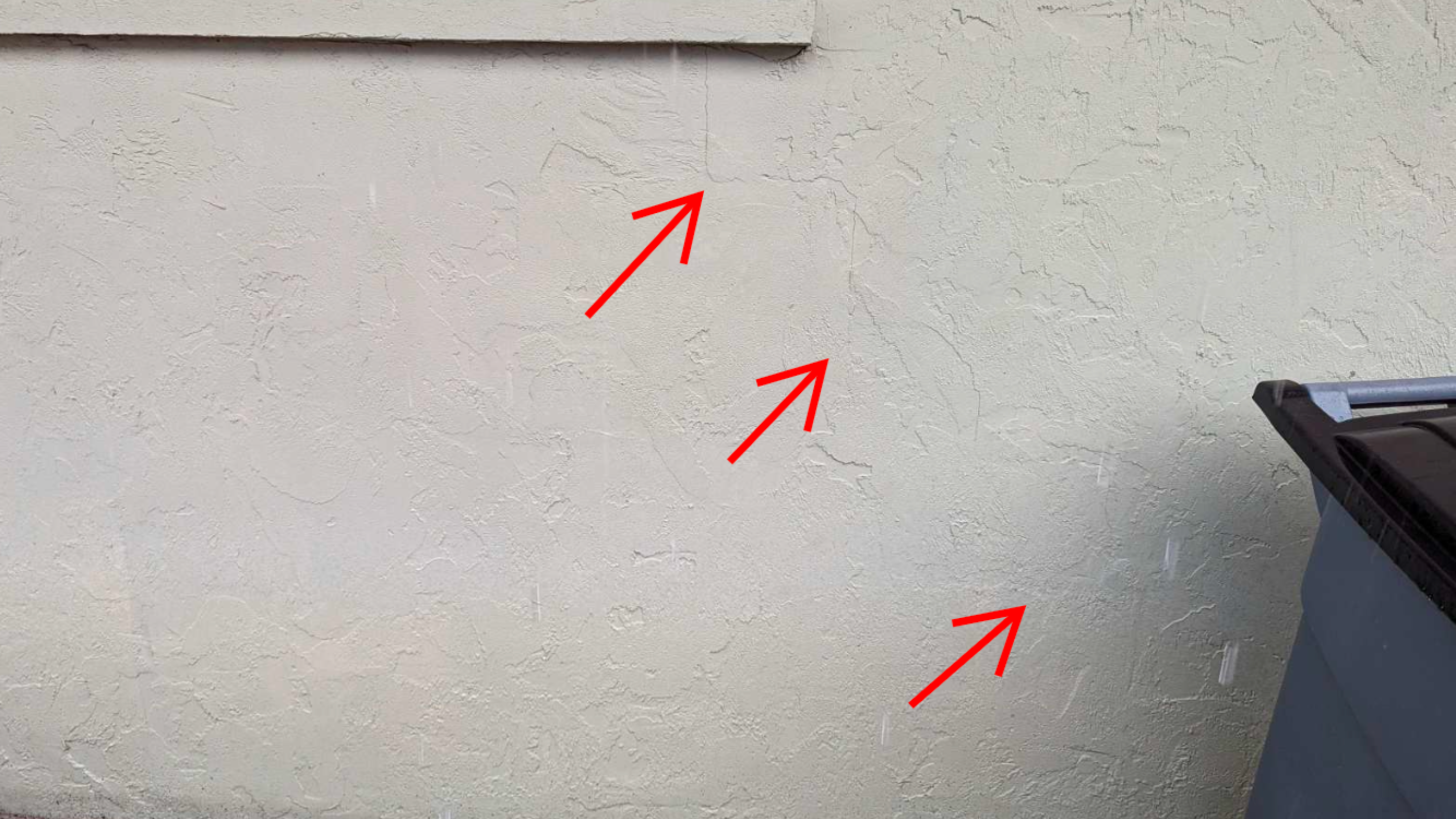
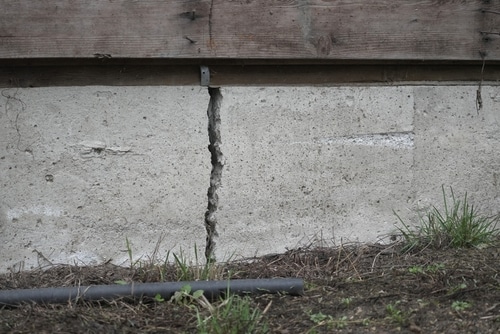
On the exterior, the inspector examines visible foundation walls, looks for cracks in brick or siding, checks for gaps around windows and doors, and evaluates grading and drainage around the perimeter. They also note whether water drains away from the home properly or pools near the foundation.
Inside, they check walls and ceilings for cracks, inspect door and window frames for signs of shifting, and evaluate floors for unevenness. Even small diagonal cracks near door corners can signal movement worth monitoring.
The inspector records the size, direction, and pattern of cracks to help determine whether they reflect normal settling or a more serious issue.
Basement And Crawl Space Checks
If your home has a basement or crawl space, the inspector will examine those areas closely. They look for water staining, efflorescence (white mineral deposits left by moisture), and signs of bowing or cracking in walls.
They also inspect support posts, beams, and floor joists for rot, shifting, or damage. Problems found in these spaces often point to the need for basement waterproofing or crawl space encapsulation.
Both solutions help manage moisture before it affects wood framing or the foundation itself. For homes with pier-and-beam foundations, the inspector checks whether the piers remain level, intact, and properly supporting the structure.
When An Elevation Survey Is Recommended
An elevation survey uses a tool called a Zip Level or a similar instrument to measure floor heights at multiple points throughout the home. If the inspector finds significant slope or unevenness, they may recommend a full elevation survey to map exactly how much the foundation has moved and where movement has occurred.
This step is not always necessary during a routine foundation inspection. Inspectors typically recommend it when floors feel noticeably uneven, when multiple doors stick, or when they suspect significant differential settling.
Signs Your Home Should Be Checked Soon
Foundation problems rarely appear all at once. Most begin as small, easy-to-dismiss symptoms that gradually become more noticeable over time.
The sooner you identify these signs and schedule a professional foundation inspection near you, the more options you usually have for manageable repairs and long-term planning.
Cracks, Sticking Doors, And Uneven Floors
Cracks are one of the most common signs of foundation issues, but not all cracks indicate serious movement. Hairline drywall cracks from normal settling are common in many homes.
Wider cracks, stair-step cracks, or cracks that widen at one end deserve closer evaluation. Doors and windows that suddenly stick or no longer close properly can also indicate shifting within the structure.
Uneven or sloping floors, especially in older homes, may point to foundation movement rather than normal wear over time.
Moisture, Drainage, And Soil Movement
Water remains one of the biggest threats to your home’s foundation. If you notice standing water near the foundation after rain, damp basement walls, or musty smells in a crawl space, moisture may be affecting the structure below your home.
Soil movement drives many foundation problems across the United States, especially in regions with expansive clay soils. When soil absorbs water, it expands. When it dries out, it contracts.
That repeated cycle places stress on the foundation year after year. Recognizing these warning signs early can help homeowners avoid larger repair costs later.
Neighborhood Or Weather-Related Risk Factors
Sometimes the trigger for foundation movement starts outside your home. If neighbors recently completed foundation work, that information may be worth noting.
Nearby construction, changes in drainage patterns, or a prolonged drought followed by heavy rain can quickly shift soil conditions. Certain regions naturally carry higher foundation risk.
Homes across Florida can experience foundation movement due to shifting sandy soil, excess moisture, erosion, and changing groundwater levels. If you live in a high-risk area and have not scheduled a foundation inspection in several years, a proactive check can provide valuable peace of mind.
Understanding Reports, Findings, And Next Steps
After the inspection, you will receive a report summarizing the findings and outlining any recommended next steps. Carefully understanding the report helps you avoid overreacting to minor concerns or underestimating larger structural issues.
What A Good Inspection Report Should Include
A quality inspection report should clearly explain the current condition of the foundation, document cracks or movement with photos, identify whether the findings appear active or stable, and provide specific recommendations for next steps.
A strong report uses clear language, supported by measurements and observations, rather than vague conclusions.
Be cautious of reports that simply say “needs repair” without explaining the reason behind the recommendation. A detailed report gives you enough information to make a confident and informed decision, even if you seek a second opinion.
When Monitoring Is Needed
Not every issue uncovered during a foundation inspection requires immediate repair. Many foundation concerns remain stable for years without significant progression.
In those situations, the inspector may recommend monitoring the area with periodic rechecks every 1 to 2 years. Monitoring usually makes sense when cracks remain small and stable, with no signs of widening.
Installing crack monitors, which are small measuring devices placed across a crack, can help track changes in movement over time.
When Foundation Repair May Be Needed
If the inspection identifies active movement, significant structural displacement, bowing walls, or water intrusion affecting the foundation’s stability, the inspector may recommend foundation repair.
Repair options range from drainage improvements to helical piers, soil stabilization, or other structural support methods designed to stabilize and sometimes lift the structure.
When foundation problems are confirmed, getting two or three quotes from licensed professionals allows you to compare repair methods, timelines, and warranty coverage. Addressing issues as they develop often costs less than delaying repairs.
Cost, Timing, And Free Inspection Offers
Cost is often one of the first questions homeowners ask. The good news is that scheduling a professional foundation inspection near me does not always require a major expense.
Many companies offer free inspections, and paid inspections usually cost far less than repairing undetected structural damage later.
What A Free Inspection Usually Covers
A free inspection from a foundation repair company typically includes a visual walkthrough of the interior and exterior, a review of visible foundation components, and a basic assessment of the symptoms you report.
The inspector will usually provide a verbal summary and a written estimate if repairs appear necessary.
Free inspections can provide a helpful starting point. However, because the same company may also recommend repairs, it can be helpful to seek a second opinion from an independent engineer when significant work is proposed.
Some free inspections come with sales pressure, so understanding the process ahead of time helps you make informed decisions.
What Affects Price And Scope
If you pay for a foundation inspection, pricing depends on several factors. A structural engineer typically charges between $300 and $800 for a residential foundation inspection.
Larger homes, complex foundation systems such as pier-and-beam construction, or homes with known structural concerns may increase the price. Adding an elevation survey can also increase costs while improving the accuracy of the findings.
If you are buying a home or handling a legal or insurance matter, paying for a full independent inspection often provides valuable clarity.
How Often To Recheck Your Foundation
For most homes without known issues, scheduling a foundation inspection every three to five years provides a reasonable baseline.
If your home sits in a high-risk area, has undergone previous repairs, or rests on expansive soil, scheduling inspections every 1 to 2 years may provide greater long-term confidence.
After major weather events such as prolonged drought, heavy flooding, or nearby seismic activity, scheduling another inspection sooner can help you identify changes before they become larger concerns.
A Clear Foundation Inspection Helps You Plan Ahead
A professional foundation inspection gives you more than a list of cracks or measurements. It provides clarity about your home’s condition, helps you understand whether movement is active or stable, and supports better long-term decisions for your property.
Helicon works with Florida homeowners who want practical answers, straightforward communication, and repair recommendations that match their home’s actual needs. Whether you are monitoring minor settlement or evaluating larger structural concerns, a detailed inspection helps you move forward with greater confidence.
If you have noticed warning signs or simply want reassurance about your home’s condition, schedule an inspection and get a clear repair plan from a foundation specialist.
Frequently Asked Questions
How long does a foundation inspection usually take?
Most foundation inspections take between one and three hours, depending on the size of the home and the complexity of the concerns being evaluated. Larger homes, crawl spaces, or visible settlement issues may require additional time for a more detailed assessment.
What does a foundation inspection near me typically include?
A foundation inspection usually includes a review of visible interior and exterior foundation components, drainage conditions, cracks, uneven floors, and signs of moisture intrusion. Some inspections may also include elevation measurements if the inspector notices signs of structural movement.
Are small cracks in drywall always a foundation problem?
Small drywall cracks do not always indicate foundation movement because normal settling can create minor cosmetic cracks over time. However, wider cracks, recurring cracks, or stair-step cracks in brick may justify a professional evaluation to determine whether structural movement is occurring.
When should you schedule a foundation inspection?
You should consider scheduling a foundation inspection if you notice sticking doors, uneven floors, widening cracks, standing water near the home, or other changes that seem unusual. Many homeowners also schedule inspections before buying or selling a property for added clarity.
Can drainage problems affect your foundation?
Yes, poor drainage can contribute to foundation settlement and soil movement over time. Water that collects near the home can weaken supporting soil, increase moisture-related expansion, and place additional stress on the structure.
How often should foundations be inspected in Florida?
Homes in Florida often benefit from foundation inspections every three to five years because changing moisture conditions and shifting soils can gradually affect structural stability. Homes with previous repairs, expansive soil, or recurring moisture issues may benefit from more frequent evaluations.
What happens if the inspection finds foundation movement?
If the inspection identifies active movement, the inspector may recommend monitoring, drainage improvements, soil stabilization, or structural repair options depending on the severity of the issue. A detailed report helps you understand the findings so you can compare solutions and plan the next steps carefully.