
Ocala, FL
The Project
The Challenge
The Solution
FREE INSPECTION REQUEST
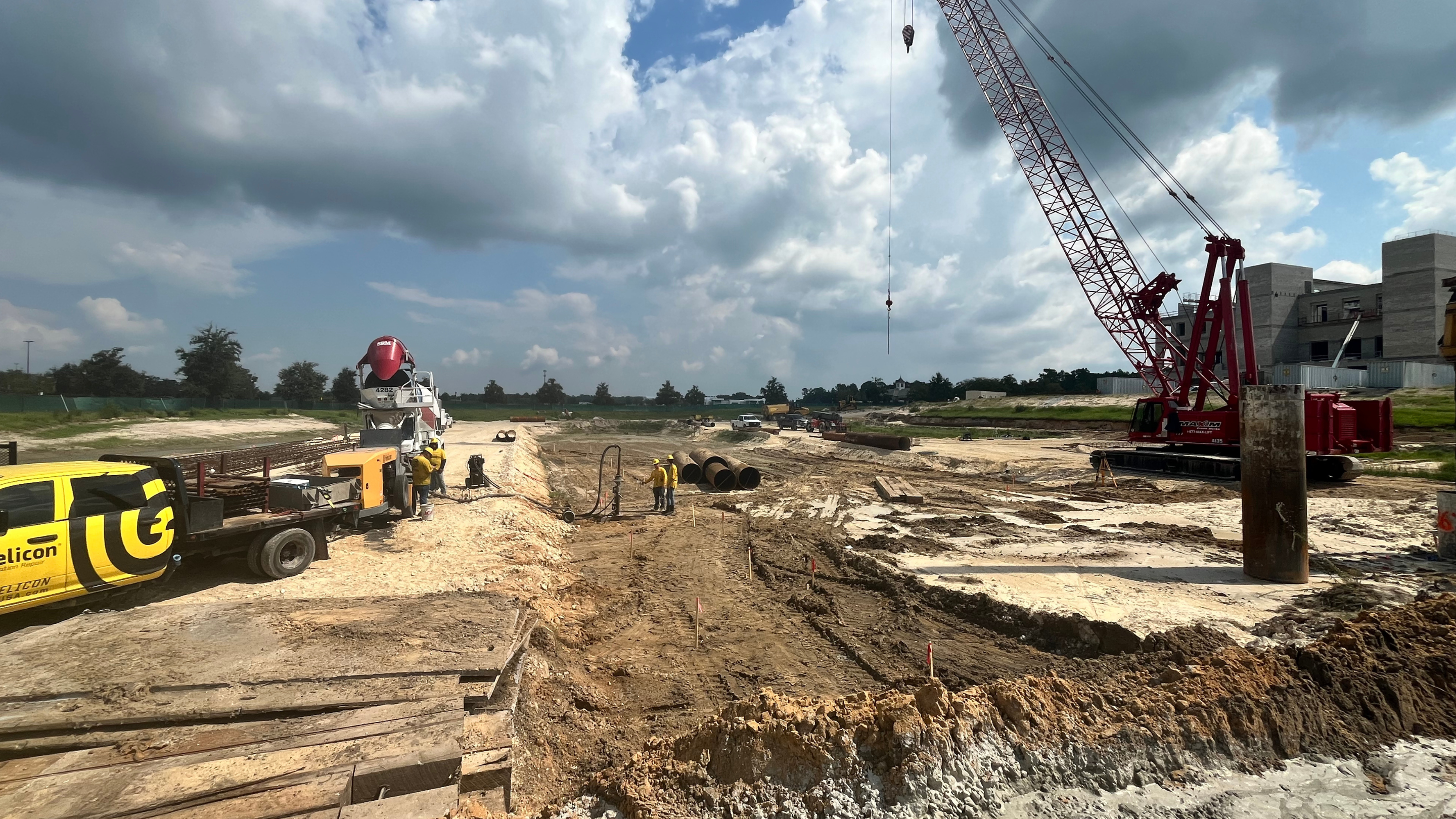
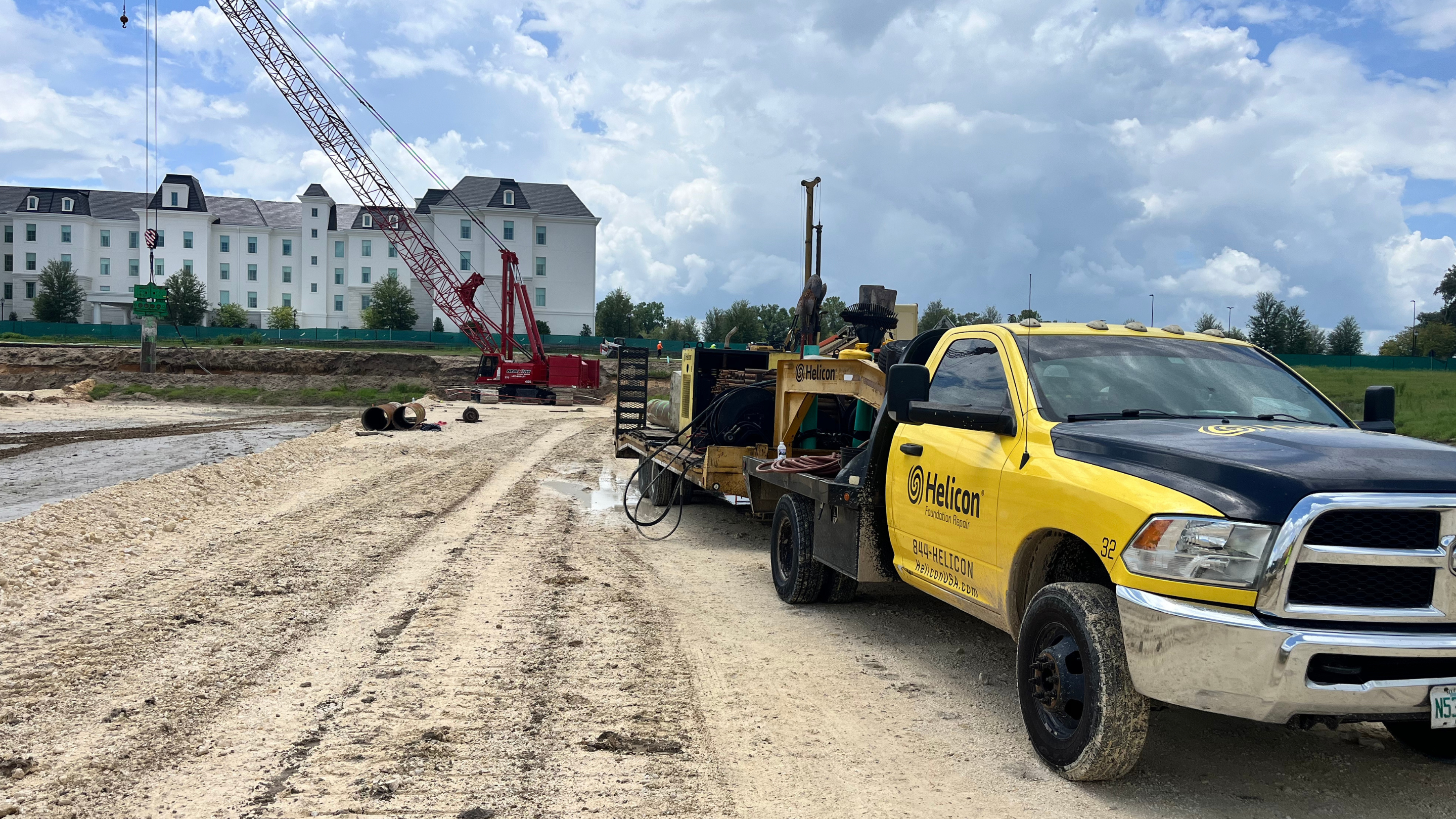
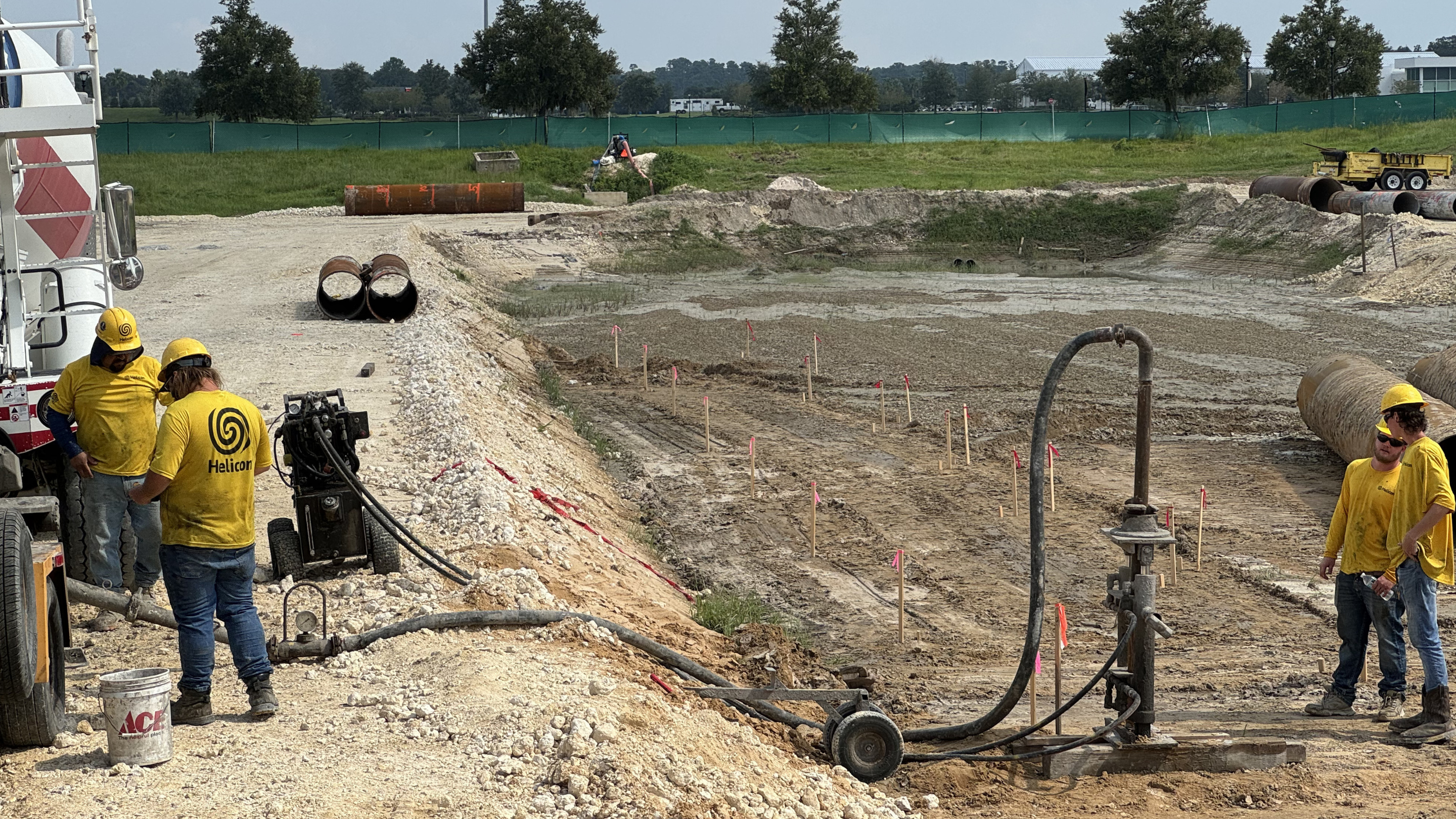
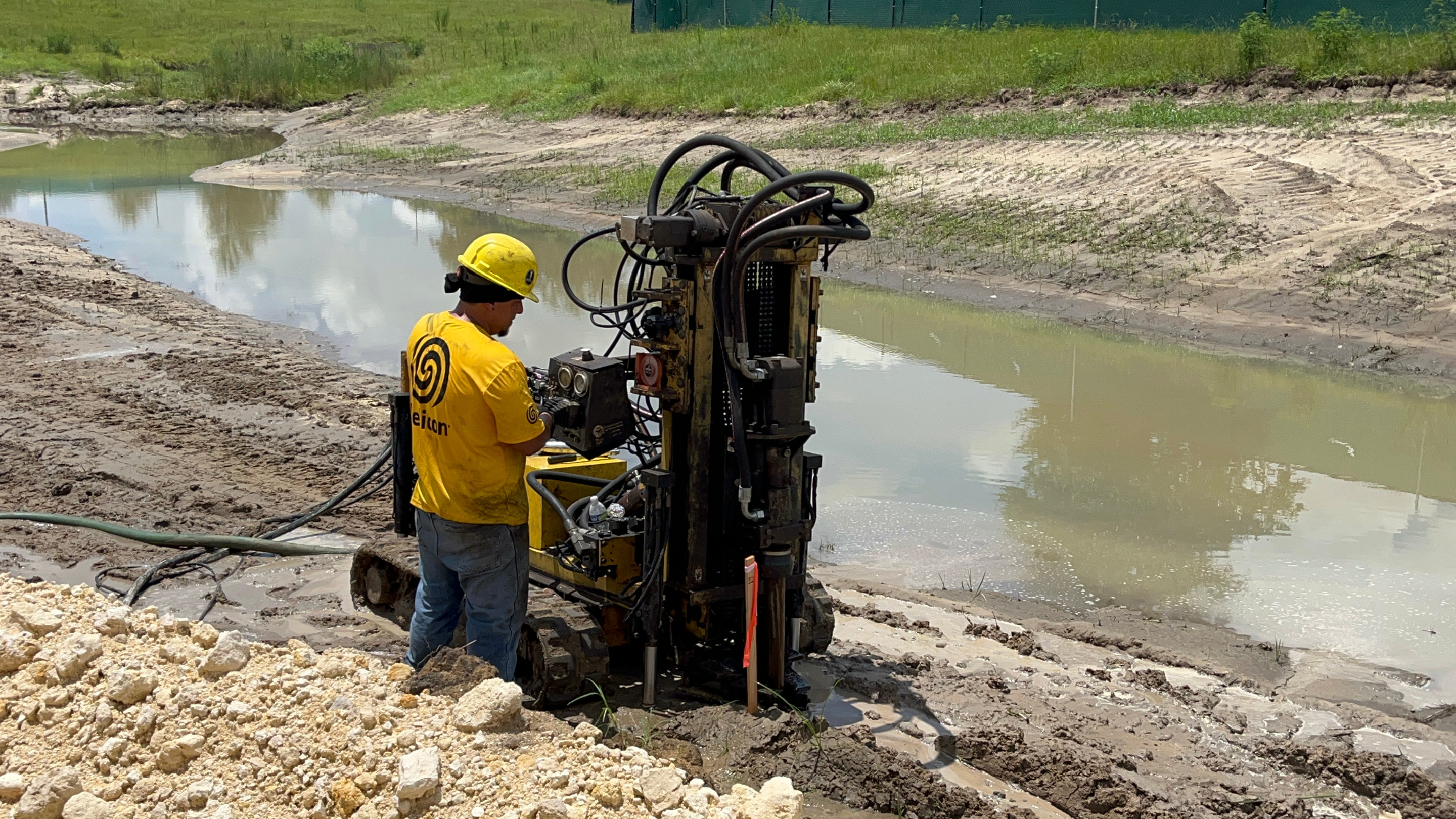

Client: World Equestrian Center
Market: Commercial
Solution: Pre-Construction, Soil Stabilization, Foundation Repair
Services: Drilled Steel Casings and Compaction Grouting
The World Equestrian Center is one of the most recognizable large-scale properties in Ocala and across Florida’s equestrian and hospitality landscape. Projects at that level are not built with a “fix it later” mentality. Every structure added to the campus has to perform reliably because the cost of underbuilding or ignoring subsurface risk can be significant—not just financially, but operationally.
For this project, a new building was planned as an addition to the existing property. Before construction began, the ownership team wanted a reliable way to improve the ground beneath the future structure. Their concern was not theoretical. They understood that if weak soils remained in place under a new building, the project could become vulnerable to:
Instead of leaving those risks to chance, they sought a preventive stabilization measure strong enough to support the scale and expectations of the site.
This project was not a reaction to visible damage. It was a proactive decision to improve the ground before the building was erected. That distinction matters. In many commercial projects, owners wait until signs of movement appear before acting. Here, the property team took a more disciplined approach and asked for a qualified soil stabilization measure of the ground before construction began.
That decision created an opportunity to do the work under better conditions, with more control, and at a much lower long-term cost than a post-construction repair would likely require.
The core challenge: drilling and compaction grouting is hard work, and reaching low enough beneath the ground was difficult but necessary. In other words, the job was not simply about putting grout into the soil. It was about making sure the grout reached the critical zones that actually needed stabilization.
If the crew had not gone deep enough, the project would have risked missing the weak layers that mattered most. Superficial treatment might have improved some upper soils, but it would not have produced the maximum stabilization needed to protect the future building.
In projects like this, drilling depth and grout placement must be precise. There is very little value in moving quickly if the material is not being delivered where it can actually improve soil performance. This means crews must balance productivity with careful control of:
Helicon’s crew achieved this because of their skill in the field. That is not a throwaway detail. In compaction grouting, execution quality is the difference between a meaningful ground-improvement program and a merely expensive one.
This was not a residential patio or a lightly loaded outbuilding. It was a new commercial structure being added to a major destination property. That meant the consequences of doing too little were high. A poor pre-construction soil condition could eventually affect not only the building itself, but also owner confidence, maintenance budgets, and the reputation of the property’s expansion work.
That is why the project had to be done right the first time.
Helicon performed a compaction grouting program designed to reinforce the soil beneath the future building and improve its long-term support condition.
Compaction grouting is one of the most dependable forms of pre-construction ground improvement when the goal is to increase soil density and improve bearing conditions below a future structure. Instead of waiting for a slab to settle and then repairing it afterward, compaction grouting improves the soil mass first.
At a high level, this process can help:
Compaction grouting was the only surefire way to ensure the new building would be safe and secure for years to come. While that phrasing is understandably promotional, the underlying idea is sound: the most effective way to avoid future settlement problems is to improve the ground before the building is constructed.
The project followed a structured sequence built around drilling access and controlled grout placement.
Helicon’s team began by drilling steel casings into carefully selected locations. These casings created the access needed for the compaction grouting phase and laid the groundwork for the deeper soil treatment. This part of the job is foundational to the whole process. Without the correct placement and depth of the casings, the grout cannot reach the critical treatment zones.
Once the casings were in place, the team began injecting compaction grout to reinforce and stabilize the soil beneath the future building footprint. The purpose was to improve the soil mass before the foundation system and building loads were introduced.
As the grout was placed, the goal was to improve the density and support characteristics of the subsurface soils in the treatment area. This created a more stable condition beneath the future structure and reduced the likelihood that the building would later experience foundation cracks or settlement tied to loose ground.
This project is a strong example of how foundation repair thinking can and should begin before a foundation is even poured. Too often, owners think of foundation repair as something that happens only after cracks show up. But the truth is that some of the best foundation-protection work happens before construction.
By choosing pre-construction compaction grouting, the project team avoided a long list of future risks that can arise when weak soils are left untreated under a new commercial structure:
For a major destination property like the World Equestrian Center, preventing those problems before they begin is not just wise engineering—it is wise business.
Once the drilling and compaction grouting work was complete, the future building site had a significantly improved support condition.
The future building is now much better protected against foundation cracks and settlement after the whole process was finished. That outcome is exactly what pre-construction stabilization is meant to achieve.
There is a major strategic advantage to handling subsurface instability before concrete and framing go in. Pre-construction ground improvement is usually:
That is why projects like this matter so much. They demonstrate a smarter path: stabilize the ground before the building ever has a chance to fail on it.
Helicon is Florida’s trusted expert in foundation repair, pre-construction stabilization, soil improvement, compaction grouting, helical piers, and structural repair solutions. We work with commercial owners, developers, and builders across the state to protect new and existing structures from the ground up.
If you are planning a commercial building, expansion, or major addition in Ocala, Marion County, or anywhere in Florida, Helicon can help you address soil conditions before they become a structural liability. Our team provides proven pre-construction ground improvement and foundation-protection solutions for projects where long-term performance matters.
Call 844-HELICON today to schedule your free inspection and learn whether compaction grouting is the right stabilization strategy for your site.
FREE INSPECTION REQUEST