Your home’s foundation supports every part of the structure above it, so paying attention to changes over time is an important part of responsible homeownership. Understanding the best time of year for foundation inspection can help you identify small concerns early and make more informed decisions about long-term property stability.
At Helicon, homeowners receive clear inspections, practical explanations, and guidance that help them understand what is happening beneath their homes without unnecessary pressure or confusion.
This guide explains how different seasons affect foundation inspections, when warning signs deserve faster attention, and how inspections fit into preventive home maintenance. With the right timing and information, you can move forward with greater confidence and a clearer repair plan when needed.
When To Book An Inspection Right Away
Some foundation concerns allow time to plan ahead. Others deserve attention as soon as possible. No matter the season, certain warning signs mean you should contact a professional quickly. Waiting for the ideal conditions is rarely worth the risk.
Visible Changes Inside The Home
Changes inside your home often appear first. Watch for these warning signs:
- Cracks in walls, especially diagonal cracks near doors and windows
- Uneven, sloping, or sagging floors that previously felt level
- Sticking doors that suddenly become difficult to open or close
- Gaps forming between walls, ceilings, or floors
Sticking doors and uneven floors may seem minor at first, but they often point to foundation movement beneath the home. A diagonal crack in drywall usually follows structural stress rather than normal settling.
Warning Signs Around The Exterior
Walk around your home’s perimeter a few times each year and look carefully for changes. Watch for:
- Cracks in exterior brick, siding, or concrete near the base of the home
- Gaps where the foundation meets the framing above
- Soil pulling away from the foundation and leaving visible gaps
- Leaning or bowing walls in a basement or crawl space
Foundation damage that appears outside, such as cracked brick or separating materials, should not be left unaddressed. Exterior signs often indicate more advanced movement than homeowners expect.
After Heavy Rain, Drought, Or Plumbing Leaks
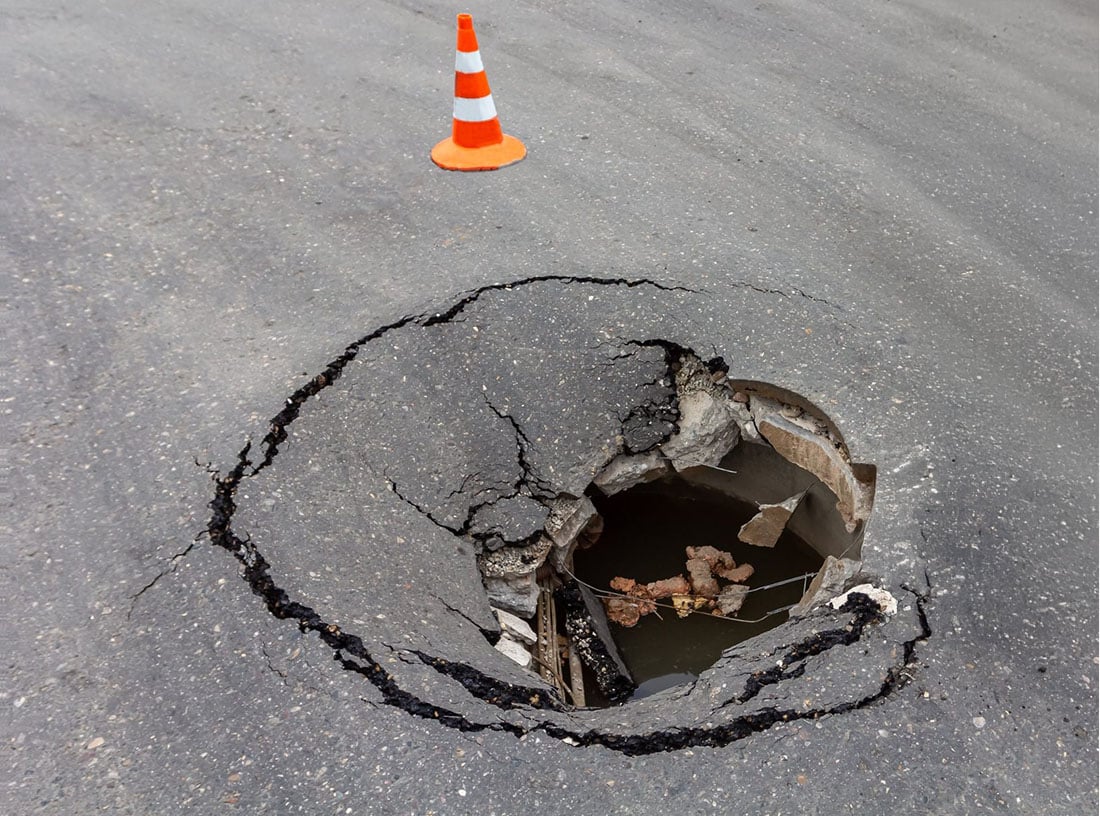
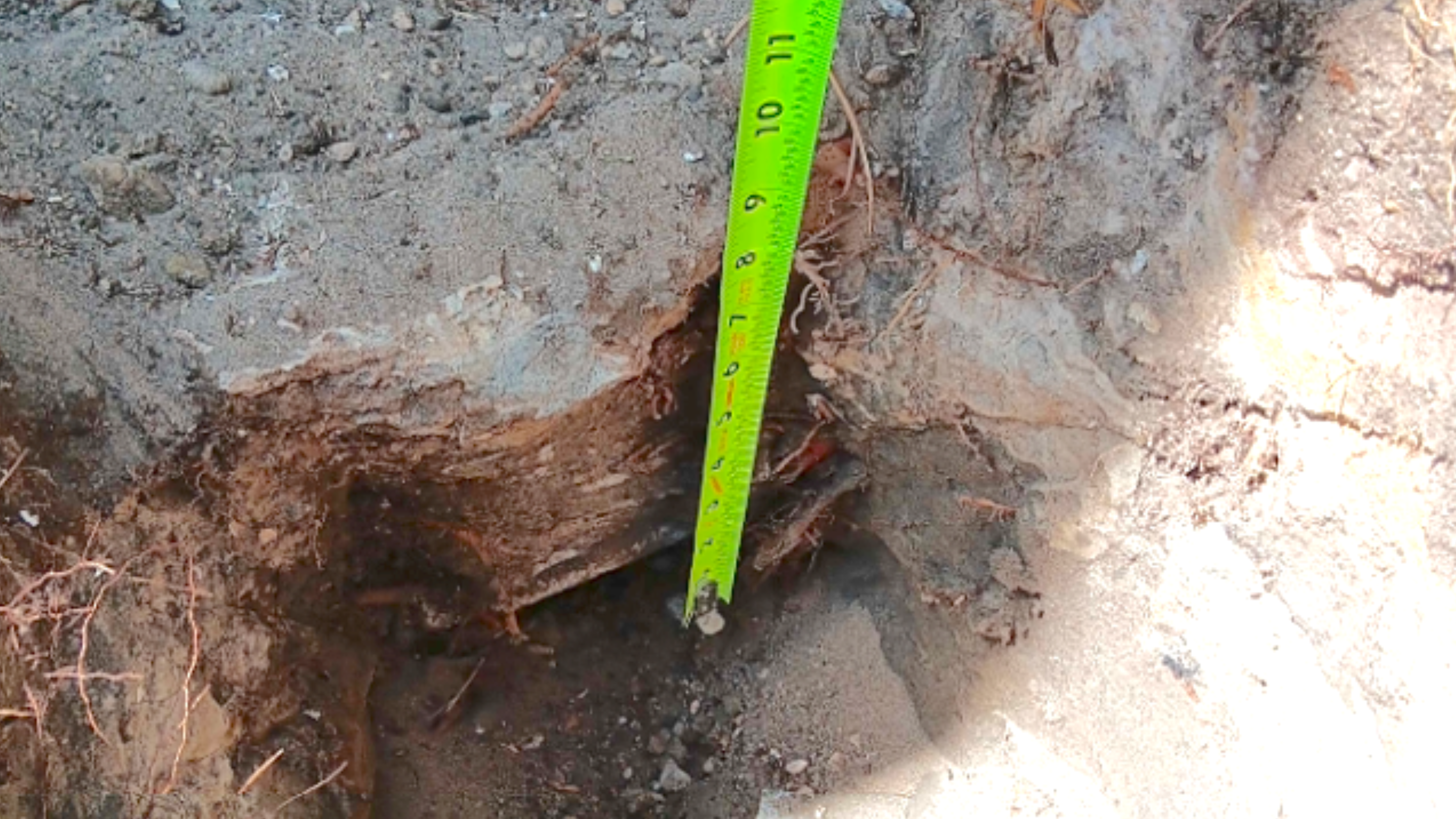
Water plays a major role in foundation performance. Soil movement caused by excess moisture or prolonged dry conditions can lead to settling, cracking, and shifting.
If your area recently experienced heavy rainfall, drought conditions, or a significant plumbing leak beneath the slab, scheduling an inspection soon afterward makes sense.
Post-weather event inspections are especially useful. Soil movement due to heavy rain or drought can reveal cracks or shifts that were previously invisible.
Moisture entering a basement or crawl space after a storm is another clear sign that a foundation inspection may be overdue.
How The Seasons Affect What Inspectors Can See
The season you choose for a foundation inspection can influence how clearly problems appear. Stable soil conditions often help inspectors evaluate movement and damage more accurately.
Expansive soils that become overly wet or extremely dry can complicate a thorough assessment. Timing alone does not determine the outcome, but it can improve visibility.
Spring And Fall As Common Sweet Spots
Spring and fall are often considered the most practical times for a foundation inspection. Moderate temperatures and more consistent soil conditions make it easier to identify existing concerns.
Spring inspections help homeowners evaluate how the foundation performed after winter weather and seasonal moisture changes. Fall inspections provide an opportunity to identify movement that developed during the hotter summer months before colder weather arrives.
What Dry Weather Can Reveal
Dry weather offers important advantages during a foundation inspection. When soil moisture stays lower and more consistent, inspectors can more easily spot cracks that may remain hidden during wetter periods.
Foundations can display different symptoms throughout the year. That’s why inspecting during a dry stretch creates a useful baseline for future comparisons.
When Winter Or Rainy Periods Still Make Sense
Waiting for perfect conditions is not always practical. Winter inspections can reveal issues tied to freeze-thaw cycles, including cracks or shifts that become more noticeable during colder temperatures.
Rainy periods also help inspectors identify drainage concerns, moisture intrusion, and water pooling near the foundation. If warning signs appear, you should not delay an inspection because of wet weather.
Situations Where Timing Matters Most
Certain milestones and property decisions make foundation inspections especially important. Regular inspections can help reduce long-term repair costs by identifying concerns earlier.
Before Buying Or Selling A Home
A foundation inspection during a real estate transaction is one of the most practical steps buyers and sellers can take. Buyers benefit from understanding the property’s condition before completing a purchase.
Sellers also benefit from identifying concerns early so they can address issues before negotiations or inspections affect the transaction.
Before Renovations Or Additions
Planning to add a room, finish a basement, or build an addition? Scheduling a foundation inspection before construction begins is essential.
Adding weight or changing your home’s structure without understanding the foundation’s current condition can cause problems later.
An inspection can determine whether the foundation can support the planned changes or whether reinforcement is needed first. Skipping this step can make renovation projects significantly more expensive over time.
As Part Of Preventive Home Maintenance
You do not need a major issue to justify a foundation inspection. Routine foundation assessments help identify concerns early and support long-term property stability.
Many professionals recommend scheduling an inspection every few years as part of regular home maintenance. Homeowners often approach it the same way they schedule roof or HVAC inspections.
What Happens During A Professional Evaluation
A professional foundation inspection follows a structured process rather than a simple visual walkthrough. Home inspectors and structural engineers use a methodical approach to document conditions and identify potential concerns.
What A Foundation Inspector Checks
During a professional foundation inspection, inspectors typically examine:
- Exterior foundation walls for visible cracks, bowing, or deterioration
- Interior walls, floors, and ceilings for signs of movement or stress
- Basement and crawl space conditions, including moisture levels and framing
- Drainage patterns around the home and grading conditions
- Door and window alignment that may reveal structural movement
Inspectors document their findings with notes and photos. You should receive a clear explanation of observed conditions and any recommended next steps.
When A Structural Engineer May Be Needed
A general home inspector can identify signs of possible foundation trouble. If the inspection reveals major settlement, bowing walls, or significant cracking, the inspector may recommend a structural engineer.
Structural engineer evaluations often range from approximately $450 to $1,200 and provide detailed repair recommendations. This investment can provide valuable clarity when the extent of the issue remains uncertain.
How Findings Lead To Next Steps
After the inspection, findings usually fall into several categories: no action needed, continued monitoring, minor repairs, or larger structural repairs.
A qualified inspector should explain each finding clearly and discuss the level of urgency involved. The goal is to help you make informed decisions about your property.
How To Decide Between Monitoring, Inspecting, And Repairing
Not every crack or imperfection points to serious structural trouble. Understanding the difference between cosmetic changes and structural movement helps homeowners respond appropriately.
Minor Cosmetic Changes Versus Structural Concerns
Small, hairline cracks in drywall or concrete are common as homes settle over time. These minor changes often reflect natural material movement and seasonal temperature shifts rather than severe foundation damage.
You should still monitor these cracks, but they do not automatically indicate a major problem. Structural concerns usually appear differently.
Wide cracks, cracks that continue to grow, uneven floors, and doors that have recently started sticking often signal more significant movement. Multiple symptoms appearing together usually matter more than a single isolated issue.
When To Schedule A Foundation Inspection
Schedule a foundation inspection when you notice signs of movement, before major renovations, during a home purchase or sale, or as part of preventive maintenance every few years.
Foundation inspections help assess the condition of the foundation system, identify deterioration, and determine whether the structure continues to perform properly. That information can provide peace of mind even when no repairs are needed.
When To Schedule Foundation Repairs
Once an inspection identifies active foundation damage or structural movement, the timing of repairs becomes more important than the season itself.
Foundation repair projects can take place year-round, and delaying repairs while waiting for “perfect” conditions may allow the problem to worsen.
Talk with a qualified foundation repair professional to understand the recommended repair approach, the urgency of the issue, and the potential impact of waiting.
Scheduling repairs soon after receiving a clear diagnosis helps support long-term property stability and informed planning.
Build A Smarter Plan For Long-Term Foundation Stability
The best time of year for a foundation inspection often depends on what your home is telling you. Seasonal conditions can make certain issues easier to identify, but consistent monitoring and informed decisions matter far more than waiting for a perfect moment on the calendar.
If you notice changes such as cracks, uneven floors, drainage issues, or sticking doors, getting professional guidance can help you better understand your home’s condition. Helicon works with Florida homeowners to provide clear evaluations, practical recommendations, and repair planning focused on long-term property stability.
A professional assessment gives you the information you need to move forward confidently, whether that means continued monitoring or taking the next step toward repairs. Schedule an inspection to get a clear repair plan and trusted guidance for your home.
Frequently Asked Questions
What Is The Best Time Of Year For A Foundation Inspection?
Spring and fall are often the best times of year for a foundation inspection because soil moisture and weather conditions tend to be more stable. These conditions can make it easier to identify foundation movement, drainage issues, and visible cracking. However, you should schedule an inspection anytime you notice warning signs around your home.
Should You Schedule A Foundation Inspection After Heavy Rain?
Yes, heavy rain can create soil movement and drainage problems that affect your foundation. An inspection after extended rainfall can help identify moisture intrusion, shifting soil, or new structural changes before they become more serious. This is especially important if water pools near the home or enters a crawl space or basement.
Can Dry Weather Affect Foundation Performance?
Dry conditions can cause soil to shrink and pull away from the foundation, which may lead to settlement or cracking. A foundation inspection during a dry period can help inspectors identify movement that may not appear during wetter months. Consistent soil moisture management can help reduce seasonal stress on the foundation.
How Often Should You Schedule A Foundation Inspection?
Many homeowners schedule a foundation inspection every few years as part of preventive maintenance. Homes with expansive soils, drainage concerns, or a history of settlement may benefit from more frequent evaluations. Regular inspections can help identify changes early and support long-term planning.
What Foundation Cracks Should Homeowners Watch Closely?
Diagonal cracks near doors and windows, widening cracks, and cracks larger than one-quarter inch deserve closer attention. These patterns may indicate structural movement rather than normal settling. Monitoring changes over time and documenting new cracks can help determine when an inspection is necessary.
Does A Foundation Inspection Help Before Renovations?
Yes, a foundation inspection can confirm whether the structure is prepared for added weight or layout changes before renovation work begins. This is especially important before room additions, pool projects, or major remodeling plans. Understanding the condition of the foundation early can help homeowners avoid costly delays later.
What Happens If A Foundation Inspection Finds Structural Movement?
If an inspection identifies structural movement, the inspector may recommend monitoring, repairs, or further evaluation by a structural engineer. The next steps depend on the severity of the movement and how long the issue has been active. A clear evaluation helps homeowners make informed repair decisions based on the condition of the property.