Cracks in a pool deck often start small but quickly become a bigger problem. Water seeps into the gaps, the concrete weakens, and the surface becomes uneven or unsafe. Knowing how concrete pool deck repair works can help stop minor damage before it spreads.
Many homeowners deal with cracks caused by sun exposure, shifting soil, and constant moisture around the pool. Helicon has seen how these issues develop and why early repairs make a major difference in preventing larger structural problems.
This guide explains what causes pool deck cracks, how to repair them correctly, and how to prevent new damage from forming. You will also learn when a simple DIY repair is enough and when professional help is the smarter solution.
Why Concrete Pool Deck Cracks Happen
Pool deck cracks can range from thin hairline lines to wider openings that catch your foot. Each type develops for different reasons and often requires a slightly different repair method. Recognizing these differences makes concrete pool deck crack repair more effective and helps prevent recurring problems.
Temperature changes, soil movement, and water intrusion are among the most common causes of cracking. Over time, these conditions place stress on the slab and weaken its structural integrity. Addressing these issues early helps prevent larger problems from developing.
Taking action quickly after cracks appear can significantly reduce repair costs. When homeowners understand what to look for, they can respond early and keep damage from spreading.
Types Of Cracks Found In Pool Decks
Hairline Cracks
Hairline cracks are very thin surface lines, usually less than 1/8 inch wide. They often appear as concrete cures or naturally ages over time. While these cracks are typically cosmetic at first, they can allow moisture to enter the surface. If left untreated, they may slowly expand and require more extensive concrete pool deck crack repair.
Vertical Cracks
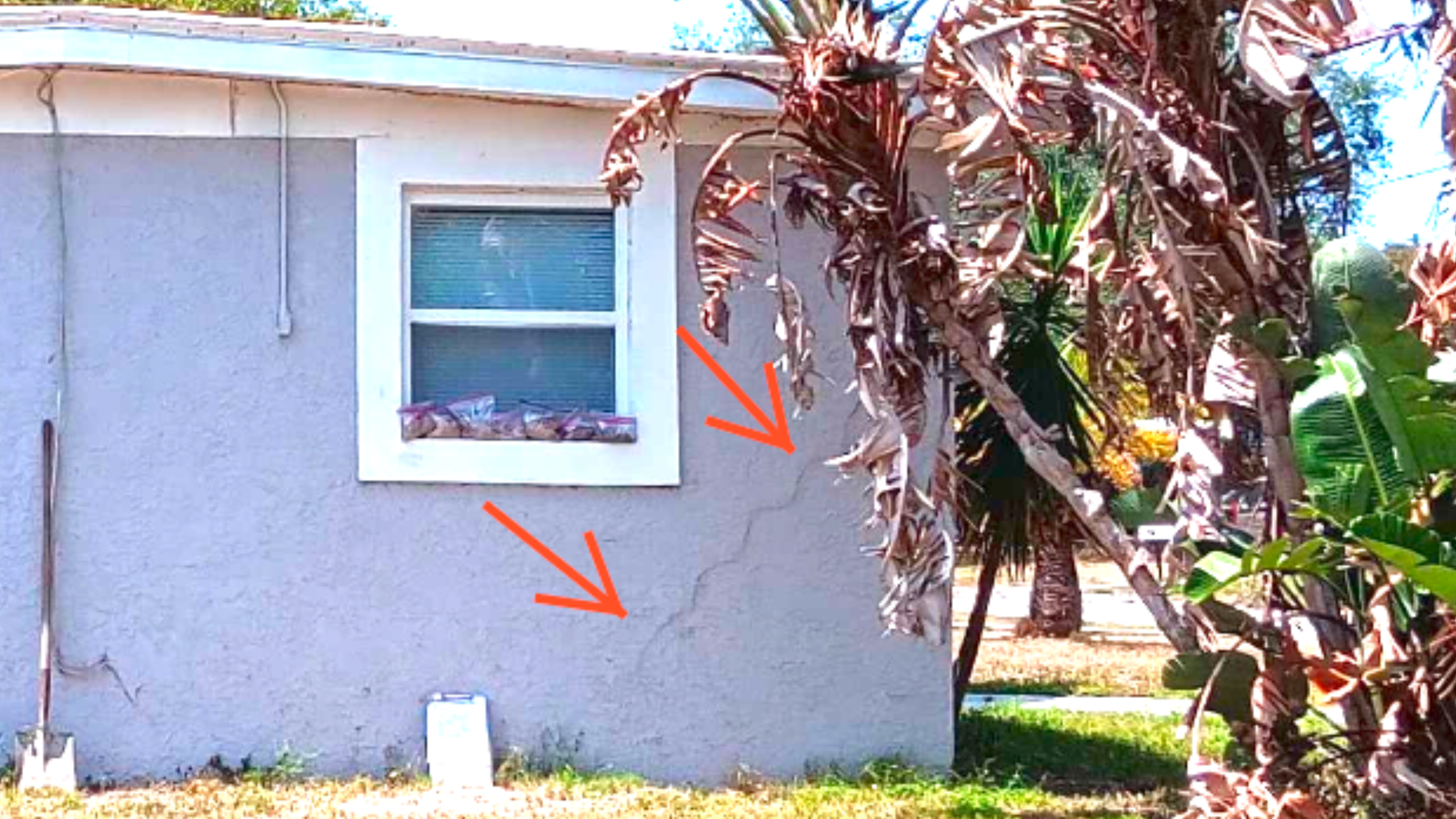
Vertical cracks run across the pool deck in a single straight direction. They commonly form when the concrete settles or when the soil beneath the slab shifts. In some cases, these cracks remain shallow, but they can also extend deeper into the structure depending on the amount of movement underneath the deck.
Horizontal Cracks
Horizontal cracks stretch along the length of the concrete surface and appear less often than vertical cracks. When they develop, they may point to problems during the original concrete pour or significant ground movement beneath the slab. Because they can signal stress across a larger portion of the deck, they sometimes require closer inspection.
Spalling
Spalling looks different from typical crack patterns. Instead of narrow lines, pieces of concrete flake, chip, or break away from the surface. This type of damage exposes the inner concrete layer, making it easier for water to penetrate and accelerate further deterioration.
Common Causes Of Concrete Cracking
Concrete naturally expands when temperatures rise and contracts when temperatures drop. Over time, this repeated cycle places stress on the material and gradually forms cracks. Pool decks often experience more of this movement because they are exposed to direct sunlight and constant moisture.
Improper installation can also contribute to cracking. If the concrete mixture was not prepared correctly or the slab did not cure long enough, weak areas may form within the surface. These weak spots tend to crack earlier than properly installed concrete.
Soil movement beneath the slab is another common cause of damage. Clay soils expand when wet and shrink when dry, which shifts the support under the concrete. As the ground moves, the slab can settle unevenly and develop visible cracks.
Water infiltration further increases the risk of damage. When water seeps beneath the deck, it can wash away soil and create unstable conditions. In colder climates, freeze and thaw cycles make the problem worse because trapped water expands when frozen.
Signs That Indicate Immediate Repair
Wide cracks, particularly those larger than 1/4 inch, require quick attention. These openings allow water to penetrate deeper into the concrete and the soil below. Once water enters the structure, damage can spread rapidly.
Uneven surfaces around cracks are another warning sign. If sections of the deck appear raised or sunken, it may indicate movement beneath the slab. These uneven areas also create potential tripping hazards for people walking around the pool.
Cracks that grow longer or wider over time often signal ongoing structural movement. Monitoring cracks by taking periodic photos can help determine whether they are expanding. When cracks continue to change, repairs should not be delayed.
Water pooling near damaged areas also suggests drainage problems. Standing water accelerates deterioration and increases the likelihood of further cracking. Mold growth, crumbling edges, and broken pieces of concrete are additional signs that repair is necessary.
Preparation For Repairing Pool Deck Cracks
Successful concrete pool deck crack repair starts with proper preparation. Before beginning any repair work, it is important to identify the type of crack and gather the appropriate tools. Careful preparation improves repair quality and increases the lifespan of the fix.
Many repairs fail because the damaged area was not properly cleaned or prepared beforehand. Taking the time to assess conditions and organize materials helps ensure the repair bonds securely with the existing concrete.
Assessing Crack Severity
Most pool decks develop either hairline cracks or structural cracks, and each type requires a different repair approach. Hairline cracks typically measure less than 1/8 inch wide and remain close to the surface. These cracks usually affect appearance more than structural stability and can often be repaired with basic materials.
Structural cracks are wider than 1/4 inch and frequently extend deeper into the slab. When cracks reach this size, they may indicate soil movement or settlement beneath the deck. If the slab appears tilted, sunken, or continues to crack over time, professional evaluation may be necessary.
Inspecting crack edges can reveal hidden damage. By gently probing the surrounding concrete with a screwdriver, you can determine whether the material is still solid. If the concrete crumbles easily, the damage may extend further than the visible crack.
Necessary Tools And Materials
For basic concrete pool deck crack repair, several common tools and materials are required. Having everything prepared before starting helps the repair process move smoothly and prevents interruptions.
Typical tools and materials include:
- Wire brush for cleaning debris from cracks
- Vacuum or compressed air for removing fine dust
- Concrete cleaner or degreaser
- Crack filler or patching compound
- Putty knife or trowel for applying repair materials
- Concrete sealant for long-term protection
Selecting the correct filler is essential for a durable repair. Concrete caulk works well for hairline cracks up to 1/8 inch wide. Flexible crack fillers are suitable for cracks between 1/8 and 1/4 inch, while larger gaps require stronger patching compounds that include sand or aggregate.
Safety Tips For DIY Repairs
Safety should always be a priority when working with concrete repair materials. Wearing safety glasses protects your eyes from debris while cleaning cracks. Gloves also help prevent skin irritation caused by cement-based products.
If brushing or blowing dust from the crack area, wearing a dust mask is recommended. Concrete dust can irritate the respiratory system if inhaled during extended repair work.
Working in a well-ventilated outdoor area is also important when using cleaners or sealants. Many repair products release fumes that should not be inhaled in confined spaces.
Always read and follow the manufacturer’s instructions before using any repair material. Additionally, keep pets and children away from the work area until repairs have fully cured. Weather conditions can also affect repair success. Most materials require at least 24 hours of dry weather to set properly, so checking the forecast before starting repairs is essential.
Step-By-Step Concrete Pool Deck Crack Repair Methods
Effective concrete pool deck crack repair involves preparing the damaged area, applying the appropriate filler, and finishing the surface so it blends with the surrounding deck. Each step plays an important role in creating a repair that is both durable and visually consistent.
Skipping or rushing any step may cause the repair to fail prematurely. Taking time to complete each stage properly ensures better long-term results.
Cleaning And Prepping The Crack Area
The first step in any repair process is thoroughly cleaning the damaged area. Dirt, loose concrete, and debris must be removed so the repair material can bond correctly. A wire brush or chisel works well for loosening debris along the crack edges.
After brushing the crack, a shop vacuum can remove fine dust that might otherwise prevent proper adhesion. For deeper cracks, slightly widening the opening with a chisel creates a small V-shaped groove that helps the filler grip the concrete.
The surrounding surface should then be washed with a hose or pressure washer. This removes algae, oils, and other contaminants that can weaken the repair bond.
Once the area is clean, allow it to dry completely before applying any filler. Depending on humidity levels, drying may take up to 24 hours. If necessary, a heat gun can help eliminate lingering moisture.
Applying Crack Fillers And Sealants
Choosing the correct repair material depends on the size of the crack. Hairline cracks smaller than 1/8 inch typically require liquid crack sealers that flow easily into narrow openings.
Wider cracks often require vinyl patching compounds or polymer-modified cement fillers designed for stronger repairs. These materials provide greater durability and better resistance to weather exposure. For small cracks, apply the liquid sealer slowly along the length of the crack. Using a brush can help distribute the material evenly and ensure full coverage.
For larger cracks, prepare the patching compound according to the manufacturer’s instructions. Press the mixture firmly into the crack using a putty knife or trowel to eliminate air pockets. Slightly overfilling the crack is recommended because many compounds shrink slightly as they cure.
If the filler settles below the surrounding surface after drying, apply a second layer. Always allow the recommended curing time between applications to achieve the best results.
Finishing For A Seamless Surface
Once the filler has been applied, the next step is blending the repair with the surrounding concrete. While the material is still workable, smooth the surface with a steel trowel using long, controlled strokes.
Holding the trowel at a low angle helps distribute the material evenly and feather the edges. This technique allows the repaired area to blend naturally into the existing deck.
For decks with a textured finish, lightly brushing the surface before it hardens can recreate the surrounding pattern. A damp sponge may also be used to produce a smoother appearance if desired.
Allow the repair to cure fully before walking on the area. Most repair materials require 24 to 48 hours to harden completely. After curing, applying a protective sealer to the entire deck can help prevent future cracking and extend the life of the repair.
Preventing Future Cracks In Pool Decks
Preventative maintenance plays a major role in preserving the durability of your pool deck. Addressing drainage issues and maintaining the concrete surface can significantly reduce the need for future crack repair on the concrete pool deck.
By taking proactive steps, homeowners can extend the lifespan of their pool deck and avoid more extensive repairs later.
Proper Drainage Solutions
Water is one of the most significant threats to concrete stability. When water collects on the surface or seeps beneath the slab, it weakens the soil support and creates pressure that eventually leads to cracking.
To prevent this, pool decks should slope away from the pool at approximately 1/4 inch per foot. This slight slope encourages water to drain away rather than collect near the slab.
Several drainage features can help improve water management around the deck. These include French drains, channel drains in low areas, proper soil grading, and sealed expansion joints that prevent water from entering beneath the slab.
It is also important to ensure that nearby gutters and downspouts direct water away from the deck area. If the surrounding soil settles and forms low spots, additional fill may be required to restore proper drainage.
Routine Maintenance Best Practices
Regular maintenance helps protect the surface and minimize future damage. Applying a concrete sealer every two to three years creates a barrier against moisture, pool chemicals, and weather exposure.
Routine cleaning also contributes to the longevity of the deck. Using mild detergent and water helps remove dirt and residue without damaging the concrete surface.
Expansion joints should be inspected regularly to ensure they remain sealed and free of debris. If cracks appear in these joints, they should be refilled with fresh caulk to maintain flexibility.
Addressing small cracks early makes repairs faster and more affordable. Early repair of concrete pool deck cracks prevents minor issues from turning into major structural problems.
Inspecting the deck at the beginning and end of each pool season is a simple way to identify damage early. Spreading heavy furniture and equipment evenly also helps prevent unnecessary stress on specific sections of the slab.
When Professional Pool Deck Repair Makes Sense
While many small cracks can be repaired with DIY methods, some situations require professional expertise. Understanding when to seek help can prevent further damage and protect the long-term stability of your pool deck. Professional assessment is especially valuable when structural movement or recurring cracks are involved.
Structural Vs Cosmetic Damage
Cosmetic damage typically includes small hairline cracks under 1/4 inch wide and minor surface chips. These issues mainly affect the appearance of the deck and can often be repaired using basic repair kits.
Structural damage involves larger cracks, uneven surfaces, or clusters of cracks that continue to grow over time. These conditions often indicate movement beneath the slab.
If sections of the deck appear raised or sunken, the soil underneath may have shifted. Water pooling in certain areas can also signal that the slab is no longer level. Cracks that repeatedly return after repair attempts often point to deeper structural issues that require professional attention.
Protect Your Pool Deck Before Cracks Get Worse
Small cracks in a pool deck can quickly turn into bigger problems. Water intrusion, shifting soil, and constant sun exposure all make damage spread faster. Addressing issues early with proper concrete pool deck crack repair helps protect the surface and keeps the deck safe to use.
Professional evaluation can make a major difference when cracks continue to grow or the deck becomes uneven. Helicon specializes in identifying the root cause of pool deck damage and recommending repairs that stabilize the concrete and extend its lifespan.
If you are noticing cracks, sinking areas, or surface damage around your pool, now is the right time to act. Schedule a professional inspection or request a repair estimate to restore the safety and appearance of your pool deck.
Frequently Asked Questions
What Causes Cracks In A Concrete Pool Deck?
Cracks usually develop due to temperature changes, soil movement, and water exposure. Concrete expands in heat and contracts when temperatures drop, which creates stress in the slab over time. Shifting soil or poor drainage can also weaken the support beneath the deck, leading to cracking.
Can Small Pool Deck Cracks Be Repaired?
Yes, small hairline cracks can usually be repaired using crack fillers, sealants, or patching compounds. Addressing them early prevents moisture from entering the concrete and causing larger structural problems. Early concrete pool deck crack repair is often quick and cost-effective.
How Do I Know If A Pool Deck Crack Is Serious?
Cracks wider than 1/4 inch, uneven surfaces, or cracks that continue to grow may indicate deeper structural movement. Water pooling near cracks or sections of the deck that appear raised or sunken can also signal underlying soil issues. In these situations, a professional inspection is recommended.
How Long Does Concrete Pool Deck Crack Repair Last?
The lifespan of a repair depends on the quality of the repair materials and the underlying cause of the crack. Minor crack repairs can last several years when properly sealed and maintained. However, structural problems may require stabilization methods such as slab lifting or soil support.
Can Pool Deck Cracks Be Prevented?
While some cracking is natural as concrete ages, proper maintenance can significantly reduce damage. Sealing the deck regularly, maintaining good drainage, and repairing small cracks early can help prevent larger problems. Regular inspections also make it easier to catch issues before they worsen.
Should I Repair Pool Deck Cracks Myself Or Hire A Professional?
Small cosmetic cracks are often suitable for DIY repairs using crack fillers or patching compounds. However, larger cracks, uneven surfaces, or recurring damage may require professional repair. Contractors can identify underlying causes such as soil movement and apply long-term stabilization solutions.