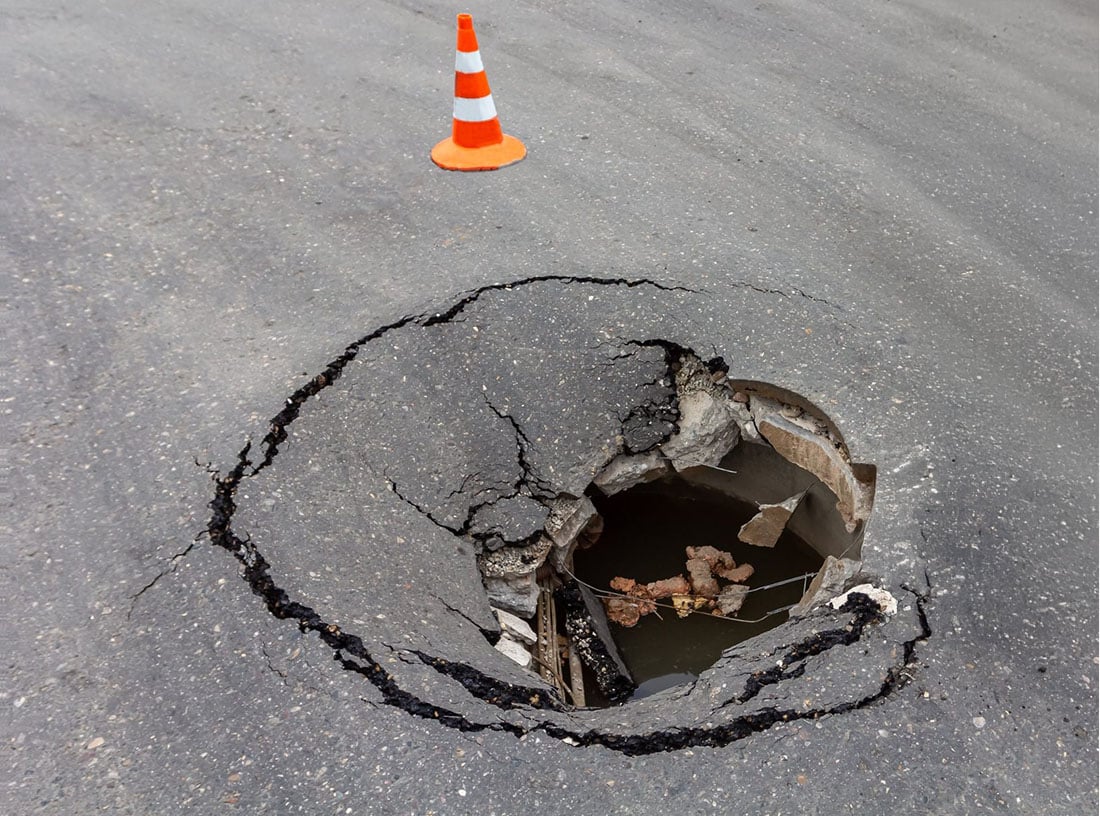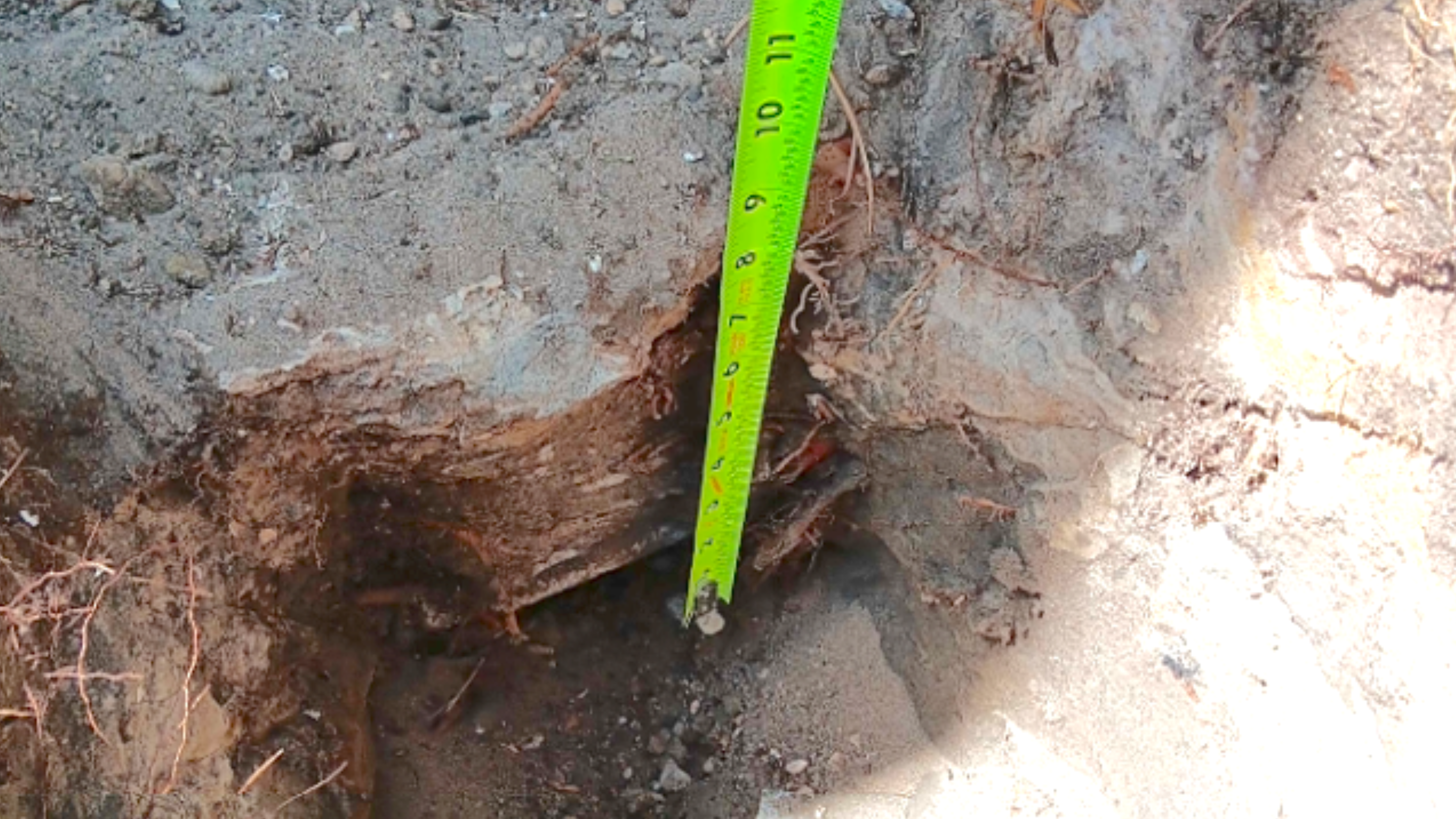
Bowing basement walls are a serious concern for homeowners dealing with shifting soil and heavy rain. Constant moisture and unstable ground make bowing basement walls repair in Florida a common need. If your walls are leaning inward or cracking, outside pressure is already affecting your foundation.
Left alone, bowing walls rarely fix themselves. At Helicon, we often see small cracks turn into major structural repairs when action is delayed. Early evaluation helps protect your home and avoid more disruptive work later.
In this guide, you’ll learn what causes bowing walls, how to spot warning signs, and which repair options work best in Florida. You’ll also see how to prevent future damage and make confident decisions about your foundation.
Why Basement Walls Bow In Florida?
Bowing basement walls happen when outside forces push against your foundation, causing the walls to curve inward. Florida’s soil and weather make this a more common problem here than in most other places.
Common Causes in Florida Homes
Hydrostatic pressure is usually the main culprit. When water builds up in the soil after heavy rain or storms, it presses hard against your basement walls. Florida’s sandy soil just makes things worse. It doesn’t soak up water evenly, so water can pool right up against your foundation instead of draining away.
Hurricane season is another beast. Heavy rainfall and storm surge can saturate the ground around your home almost overnight. That sudden spike in soil moisture creates a ton of pressure on your walls.
Some parts of Florida have expansive clay soil that swells when wet and shrinks when dry. That constant movement stresses your basement walls over time. Bad drainage systems let water collect near your foundation. Clogged gutters, busted downspouts, or ground that slopes toward your house all play a part.
How to Identify Bowing Walls
Check for a visible curve or bulge in your basement wall. Stand at one end of the wall and look down its length—any bow at all is a red flag. Horizontal or stair-step cracks often show up before or along with bowing. These cracks usually appear in the middle of the wall where the pressure is roughest.
If you see water seeping through cracks or along the base of the wall, that’s a sign that pressure is building. Damp spots, mold, or that classic musty smell in your basement all count.
To measure the bow, hold a string tight against the wall from top to bottom. Any gap between the string and the wall means bowing. If it’s more than 2 inches, you need to act fast.
If basement doors and windows start sticking or won’t close properly, that’s another clue. Foundation movement messes with the frames.
Risks of Ignoring the Issue
If you don’t fix bowing walls, they can eventually collapse. Pressure keeps building, and the wall just gets weaker as it bows in. Cracks get wider, letting in more water. Flooding damages your stuff and makes a cozy home for mold.
The whole house can suffer. Your foundation holds everything up, so problems here spread to floors, walls, and even the roof. Your property value tanks if you’ve got foundation issues. Buyers will either bail or demand a big discount if inspectors spot bowing walls.
Wait too long, and repairs get way pricier. Catch a small bow early, and you might get away with a few grand. Let it go, and you could be looking at tens of thousands.
Inspection and Assessment
Getting a real inspection is step one if you spot bowing basement walls. Good contractors use specialized tools and methods to figure out how bad things are and what’s causing the trouble.
Signs Requiring Professional Evaluation
Call a foundation specialist if you see horizontal cracks. These mean your walls are under serious pressure. Walls that lean inward or bulge are another big red flag. Even a little bulge—half an inch or more—needs attention.
Watch for stair-step cracks in the mortar between blocks. Water stains or moisture on the walls mean you should get a pro in. If your doors or windows stick or won’t close, your foundation’s probably shifted. Gaps between the wall and floor? That’s a serious warning.
Tools and Techniques Used by Experts
Foundation pros use laser levels to measure exactly how far your walls have bowed. These can pick up changes as tiny as a quarter inch. They’ll check the soil around your home to see what’s pushing on your walls. In Florida, sandy soil and high water tables are common offenders.
Moisture meters help them find water problems behind your walls. The drainage system gets a close look, too—bad water management can make everything worse. Sometimes, they’ll install crack monitors to track if the bowing is getting worse. Photos and measurements help them come up with a plan that fits your situation.
Bowing Basement Walls Repair Methods
There are several solid ways to stabilize bowing basement walls. Each one fits different levels of damage and conditions. The right choice depends on how much your wall has moved and what your house actually needs.
Wall Anchors Installation
Wall anchors connect your basement wall to stable soil farther out from your foundation. Contractors drill through the wall and push steel rods out into the ground. Plates are attached at both ends; one inside, the other buried 10 to 15 feet away.
You can tighten the system over time, slowly pulling your wall back into place. This works best if you’ve got enough yard for the outside anchors. Inside, the anchors barely take up any space.
Most wall anchor systems cost $400–$600 per anchor. You might need four to eight anchors, depending on the wall’s length and the damage.
Carbon Fiber Reinforcement
Carbon fiber straps keep walls from bowing further, and they’re super low-profile. Contractors glue these high-strength strips right onto your wall with special epoxy. They’re only about a quarter inch thick, so you can paint or drywall over them easily.
This method is best if your wall has bowed less than 2 inches. The straps won’t pull the wall back, but they’ll stop it from moving more. The install is clean, and there’s no digging outside. Carbon fiber usually runs $300–$500 per strap. It’s a fast job, and most are done in a day.
Steel I-Beam Bracing
Steel I-beams make a strong vertical support against your bowing wall. Contractors install these heavy beams from the basement floor up to the joists above, bolting them at both ends.
The beams press against the wall to hold it steady. Some systems let you adjust the pressure to slowly straighten the wall. This is a solid option if you can’t get to the outside of your house or if the soil makes anchors tough. Each I-beam costs $400–$700 installed. You’ll need beams every four to six feet along the wall.
Choosing the Right Repair Solution in Florida
Florida’s environment throws a wrench into foundation repairs. The soil and humidity mean you’ve got to pick a solution that holds up over time.
Evaluating Soil and Climate Factors
Florida’s sandy soil and high water tables are a headache for basement wall repairs. The constant moisture and shifting ground mean your fix has to handle year-round stress.
Sandy soil doesn’t offer much side support. That’s why wall anchors and tiebacks that reach deep into stable soil work well here. Your repair specialist should always test the soil first.
High humidity and frequent rain can make wall damage worse. Waterproofing isn’t optional—it should be baked into your repair plan. Carbon fiber straps hold up well in Florida since they don’t rust like some metal options.
And if your area has a high water table or drainage issues, you’ll need to sort those out alongside any wall repairs.
Comparing Costs and Effectiveness
Steel beams cost more upfront but offer serious support for badly bowed walls. Expect to pay $350–$1,000 per beam. Carbon fiber straps are cheaper—usually $200–$400 each—and work well for less severe bowing.
Wall anchors run $400–$600 per anchor and work for most bowing situations. Tiebacks are a bit pricier but can be better if you’re tight on space.
Your budget matters, but so does the severity of the problem. Cheap fixes now can lead to bigger expenses later if they don’t fully solve the issue. It’s smart to get multiple opinions from licensed Florida contractors who know their stuff. They’ll help you balance cost and what your house actually needs.
Preventing Future Bowing in Florida Homes
If you want to keep your basement walls straight, you’ve got to manage water and keep drainage systems working all year. Florida’s heavy rain and humidity make this even more important.
Water Management Strategies
Gutters should send water at least six feet away from your foundation. Clean them every few months, especially during the rainy season, to keep water from pooling.
Add or extend downspouts to push water away from your house. The ground around your foundation should slope down at least six inches over ten feet.
If water sits on your property after storms, consider a French drain. These drains collect and redirect groundwater before it can push against your basement walls. In flood-prone spots, a sump pump might be a lifesaver.
Check your sprinklers, as they shouldn’t spray directly on your foundation. Too much water from irrigation can cause the same problems as bad drainage.
Maintenance Tips and Best Practices
Inspect your basement walls every six months for new cracks or bulges. Horizontal cracks are more serious than vertical ones. Keep basement humidity under 50% with a dehumidifier. High moisture weakens walls and adds to pressure from inside.
Seal up small cracks right away with hydraulic cement or epoxy. Don’t ignore cracks wider than a quarter inch.
Watch soil moisture around your foundation during dry spells. Sandy soil can pull away from your house when it dries, then expand fast during storms. Water the perimeter lightly if things get too dry to keep soil volume steady.
Protect Your Home From Bowing Wall Damage
Bowing walls are a warning sign that your foundation is under stress. In Florida’s wet, shifting soil, small cracks and inward movement can quickly turn into costly structural repairs. Acting early gives you more repair options and better long-term stability.
At Helicon, we focus on practical, proven solutions for bowing basement wall repair that Florida homeowners can trust. Our team understands local soil conditions and designs repairs that address both the symptoms and the root cause.
If you’ve noticed cracks, bulging, or sticking doors, don’t wait. Schedule a professional inspection and get clear answers about the right repair for your home.
Frequently Asked Questions
What Causes Basement Walls To Bow In Florida?
Most bowing happens when outside soil pushes against your foundation. In Florida, heavy rain, high groundwater, and poor drainage increase that pressure. Over time, constant moisture and shifting soil can force walls to lean inward or crack.
Are Bowing Basement Walls Dangerous?
Yes, they can be. Bowing walls signal structural stress, and that pressure does not go away on its own. If ignored, cracks can widen and the wall can weaken, leading to more extensive repairs.
How Do I Know If My Wall Needs Professional Repair?
Look for horizontal cracks, stair-step cracks, or visible inward curves. Sticking doors and windows in the basement can also point to foundation movement. If the wall has moved more than about an inch, it is smart to schedule an inspection.
What Repair Options Are Available In Florida?
Common solutions include wall anchors, carbon fiber straps, and steel I-beam bracing. The right method depends on how far the wall has bowed and the soil conditions around your home. A professional assessment helps determine the most effective option.
Will Bowing Basement Walls Get Worse Over Time?
In most cases, yes. Soil pressure and moisture changes continue season after season. Addressing the issue early often means simpler repairs and better long-term stability.
Does Homeowners Insurance Cover Bowing Basement Wall Repair?
Standard policies usually do not cover foundation damage caused by gradual soil movement. Coverage may apply if a sudden event, such as a burst pipe, caused the damage. Review your policy or speak with your insurance agent to understand your options.