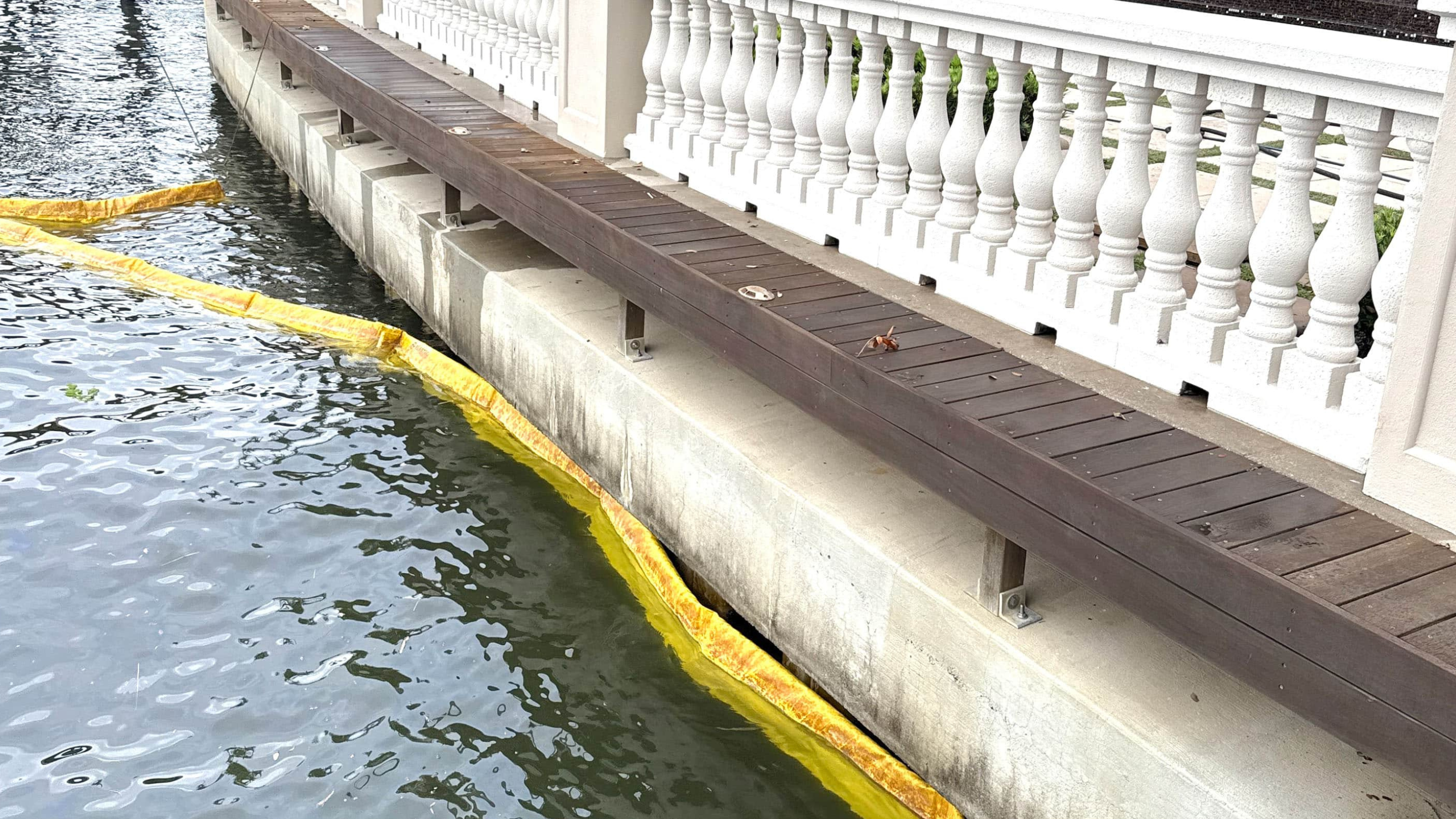
Seawalls take a constant beating from water pressure, shifting soil, and changing weather. Over time, even well-built walls can crack, lean, or allow soil to wash out. When those issues go unchecked, repairs get more complicated and far more expensive.
That’s why many waterfront owners turn to Helicon when early warning signs appear. Addressing problems sooner helps protect property value, prevent erosion, and avoid disruptions that come with major structural damage.
This guide walks you through the seawall repair process step by step. You’ll learn what causes damage, how professionals inspect seawalls, which repair methods work best, and how proper maintenance helps you avoid repeat issues.
How the Seawall Repair Process Works
Seawalls deal with constant pressure from water, shifting soil, and whatever the weather throws at them. All that stress can cause real trouble over time. Knowing what leads to damage—and how to spot it early—makes all the difference. You can nip little issues in the bud before they get out of hand.
Common Causes of Seawall Damage
Water is enemy number one for seawalls. When it sneaks behind the wall, it ramps up pressure from both sides, which weakens the structure and washes away supporting soil.
Soil erosion is another big culprit. As water flows around and under the seawall, it slowly carries the ground away. Voids form, leaving the wall with nothing to lean on, which leads to leaning, cracking, and—if ignored—total failure.
Weather and age also chip away at seawalls. Freeze-thaw cycles crack concrete. Salt water eats away at metal. Sunlight breaks down materials over time.
Sometimes, the problem starts with poor construction or design. Maybe the wall doesn’t have good drainage, isn’t deep enough, or uses the wrong materials for your area. Those issues might not pop up for years, but they can come back to bite you.
Signs Your Seawall Needs Repair
Cracks in the concrete or cap are the most obvious red flags. Even tiny hairline cracks can let water in and grow bigger. If you see wide cracks or a bunch of them spreading, don’t wait—get it checked out.
If parts of your seawall are tilting or leaning, that’s a sign it’s lost support. You might notice the top pulling away from your property or tipping toward the water. That’s serious soil loss and needs attention ASAP.
Gaps between seawall panels or sections allow water and soil to sneak through. Look for these at the joints. Rust stains, crumbling concrete, or exposed rebar mean the materials are breaking down.
Sinkholes or dips in your yard behind the seawall? That’s a sign soil is washing out. Standing water or soggy patches near the wall usually point to drainage problems.
Types of Seawalls and Their Challenges
Concrete seawalls are everywhere. They crack from pressure, weather, and age. The cap on top usually takes the brunt of the damage, so it often goes first. Repairs usually mean filling cracks with epoxy or polyurethane to keep water out.
Steel sheet pile seawalls use interlocking metal sheets hammered deep into the ground. Rust and corrosion are the main headaches here. Salt water chews through metal, making holes and weak spots. The connections between sheets can also start to separate.
Vinyl seawalls don’t rust like steel, but they can crack or split at the seams. They’re lighter and a bit easier to install, but they might not hold up in rough water or shifting soil.
Wood seawalls mostly deal with rot and decay. Marine critters love to bore into wood, too. These don’t last as long as concrete or steel and usually need to be replaced more often than repaired.
Inspection and Assessment
Every good seawall repair starts with a careful look at what’s going on and why. A trained pro checks the wall for damage, figures out what caused it, and decides which fix makes sense for your situation.
Initial Site Evaluation
A certified repair expert comes out to your property and takes a close look at your seawall. They walk the whole length, searching for cracks, leaning sections, or spots where the cap is pulling away.
They’ll also check your yard for warning signs. Sinkholes or soft spots near the wall usually mean soil is washing out underneath. Water pooling in odd places or stubbornly wet areas can point to leaks or drainage issues.
Expect them to snap photos and take measurements. They’ll mark where each problem is and how big it’s gotten. This record helps track changes over time.
Diagnosing Structural Issues
After the visual once-over, the expert works to figure out what’s causing the damage. Soil erosion behind the wall is super common. When water washes soil away, it leaves empty spaces that let the wall shift or lean.
They’ll check if the tie-back system still does its job. These anchors keep the wall braced against water pressure. If they’re rusted out or broken, the wall loses stability.
The inspector also considers the age and material of your seawall. Old concrete might be crumbling from years of salt exposure. Steel could be rusting away. Getting to the root of the problem helps pick the best fix, instead of just patching over issues.
Choosing the Right Repair Method
Once the inspection wraps up, your contractor recommends a repair approach. A few hairline cracks might just need marine-grade epoxy or polyurethane to seal them up. Bigger structural problems often call for polyurethane foam injection to fill voids and shore up the soil.
Walls that are really leaning may need new tie-backs installed. If a section is too far gone, you might have to replace panels altogether.
Your repair plan should match the type of damage and your budget. Good contractors explain their choices and how long the repairs should last. That way, you know exactly what you’re signing up for.
Planning Seawall Repairs
Nailing your seawall repair means planning ahead, way before the work starts. You’ll have to deal with permits, pick the right materials, and figure out costs and timing.
Obtaining Permits and Regulations
Most seawall repairs need permits from local agencies. Usually, you’ll call your city’s building department and maybe the environmental or coastal folks, too.
These permits matter because seawalls impact waterways and neighbors. Local governments want to make sure repairs are safe and don’t mess with the environment. The permit process can take anywhere from two to six weeks, so don’t procrastinate.
You’ll likely need to submit repair plans. Some places want engineer drawings or detailed work descriptions. Coastal areas tend to have strict rules about materials and how close you can work to the water.
Don’t forget your homeowners’ association. Some neighborhoods have their own rules about how seawalls should look or be built.
Selecting Materials and Equipment
Your materials depend on the type of seawall and the damage you’re facing. The usual suspects include:
- Concrete and epoxy for filling cracks and patching the structure
- Polyurethane foam for stabilizing soil behind the wall
- Marine-grade steel for tie-back systems
- Drainage materials like weep holes and relief valves
Epoxy resin is great for concrete cracks because it adds strength. Polyurethane injection works fast to stabilize soil and stop erosion.
You’ll need basics like drills, mixing tools, and safety gear. Bigger repairs might need pumps to remove water or special injection rigs. Renting pricier equipment usually makes more sense than buying.
Budgeting and Timeline Estimates
Small repairs like filling cracks usually run $500 to $1,500. More involved fixes, like soil stabilization or structural work, can go from $2,000 up to $10,000 or more.
Factor in materials, equipment rentals, permits, and labor if you’re hiring help. It’s smart to add an extra 10-15% for surprises—because, let’s face it, stuff happens once you start digging.
Most minor repairs take a day or two, maybe three. Big projects can stretch out for a week or two, depending on damage and weather. Try to plan repairs for dry weather when water levels are low—usually summer or fall.
If you’re hiring contractors, get a few quotes. Make sure each one spells out exactly what materials and methods they’ll use so you can compare apples to apples.
Seawall Repair Techniques
There are several tried-and-true ways to restore your seawall’s strength and stop water damage. The right method depends on the kind and location of the damage.
Crack Injection and Grouting
Polyurethane injection is a go-to for filling cracks and voids. The material reacts with water and forms a solid, waterproof barrier that seals leaks for good.
The process goes like this: drill small holes near the damage, then inject polyurethane foam or specialized grout under pressure. The material expands, filling every nook and cranny for a watertight seal.
Perks of injection methods:
- Fast to apply and cures quickly
- No need for big excavations
- Stops water intrusion cold
Epoxy injection is another solid choice for structural cracks in concrete. It bonds the concrete back together and restores strength. Contractors clean the crack first, then inject epoxy from the bottom up to make sure it fills completely.
Replacing Damaged Panels
Sometimes, damage is just too severe for injections. In those cases, you’ll have to cut out and replace entire sections.
Panel replacement means removing the busted part and installing new concrete, steel, or vinyl panels—whatever matches your existing wall. The new pieces have to line up with the rest so the wall stays solid.
This fix costs more than crack repair but gives you a fresh, sturdy section. You’ll need this when panels have big holes, major crumbling, or have collapsed. It can take a few days, depending on access and panel size.
Soil Stabilization Methods
When erosion behind your seawall creates voids, you need to stabilize the soil. Pressure grouting is a common fix, as it fills gaps with a cement-like material.
The contractor drills through the wall or from the top, then injects grout under pressure. It fills all the empty spaces and compacts loose soil, giving the wall something solid to lean on again.
Permeation grouting works for fine soils. It uses a thinner grout that seeps through the soil and binds particles together, strengthening the ground without shifting it. Both methods stop further erosion and keep your seawall from leaning or settling. Sometimes, you need to inject in several spots depending on how much erosion has happened.
Reinforcing Seawall Structure
Adding extra support to your seawall can stretch its lifespan and head off bigger problems. Steel tie-backs anchor the wall to solid ground, stopping it from moving forward under water pressure.
This involves drilling through the wall and into stable soil. Contractors install steel rods or cables and anchor them deep, then pull the wall back toward shore.
Another option is screw-shaped anchors that twist into the ground and attach to the wall with steel cables. These work well in soft soils where regular anchors might not hold.
A concrete cap or beam along the top of your seawall helps spread out the force. It ties panels together and keeps individual pieces from failing. Sometimes, a mix of reinforcement methods is the way to go.
Post-Repair Maintenance and Prevention
Keeping your seawall in shape after repairs means regular checkups and jumping on small problems quickly. A good maintenance routine helps your seawall last longer and saves money in the long run.
Routine Inspections and Upkeep
Take a walk along your seawall at least twice a year, ideally in spring and fall. Look for cracks, gaps between panels, or signs of soil washing out behind the wall. Check the cap for loose or broken spots that might let water sneak in.
Pay attention to your yard, too. Sinkholes, settling, or soggy patches could mean trouble below the surface. After big storms, do an extra inspection just to be safe.
Clear out debris from weep holes and drainage systems every few months. These little openings keep water pressure from building up behind your wall. If they get clogged, pressure can spike and cause damage. Just sweep out leaves, dirt, or anything else that might block them.
Addressing Minor Issues Early
Don’t ignore small cracks and gaps; they can turn into major headaches. Fill minor cracks with marine-grade sealant as soon as you spot them. That keeps water out and stops damage from spreading.
Watch for rust on metal tie-backs or anchors. Give those spots a quick sanding and a fresh coat of paint to stop corrosion in its tracks. If you notice water pooling near your seawall, improve drainage right away to protect the foundation.
Keep plant roots away from your seawall. Roots can wedge into cracks and make them worse. Pull out any vegetation growing too close before it becomes a problem.
Long-Term Protection Strategies
Apply a waterproof coating to concrete seawalls every few years—three to five is a good rule of thumb. This barrier helps keep saltwater and moisture from gradually eating away at the concrete.
Look for coatings made for marine conditions. Anything less just won’t cut it with all that water exposure. Keep records of repairs and maintenance. Jot down the dates, what you did, and any materials you used.
That way, you can notice patterns or recurring issues. It also makes planning future work a bit less of a guessing game. Bring in a professional every five to ten years for a thorough seawall assessment. Pros catch things most of us would overlook.
They’ll recommend updates that can help your seawall last longer. It’s a lot easier to budget for regular reviews than to deal with a sudden, expensive emergency.
Protecting Your Seawall Before Problems Grow
Seawall damage rarely fixes itself. Small cracks, soil loss, and drainage issues tend to worsen as water pressure builds and erosion continues. Understanding the seawall repair process helps you spot problems early and avoid costly structural failures.
With the right approach, repairs can stabilize your shoreline and extend the life of your seawall. Helicon focuses on practical solutions that address the root cause of damage, not just the visible symptoms.
If you’ve noticed cracks, leaning sections, or soil washing out behind your wall, now is the time to act. Scheduling a professional inspection can help you protect your waterfront property and plan repairs with confidence.
Frequently Asked Questions
What Is the Typical Seawall Repair Process?
The seawall repair process usually starts with a detailed inspection to identify cracks, voids, and soil loss. Based on those findings, contractors select repair methods such as crack injection, soil stabilization, or structural reinforcement. The final step focuses on sealing and improving drainage to help prevent future damage.
How Do I Know If My Seawall Needs Repairs?
Common warning signs include visible cracks, leaning or bulging sections, gaps between panels, and soil sinking behind the wall. Standing water or soggy areas near the seawall can also signal drainage problems. Catching these issues early often leads to simpler, more affordable repairs.
Can Small Seawall Problems Really Get Worse Over Time?
Yes. Minor cracks and small voids allow water to move behind the wall, which increases pressure and erosion. Over time, this can lead to structural movement, larger repairs, and higher costs. Early action is one of the best ways to protect your seawall.
What Repair Methods Are Most Common?
The most common methods include polyurethane foam injection to fill voids, epoxy or grout injection to seal cracks, and tie-back systems to stabilize leaning walls. In severe cases, damaged panels may need to be replaced. The right solution depends on the wall’s material and the extent of the damage.
How Long Do Seawall Repairs Usually Take?
Minor repairs may take one to two days to complete. More extensive work, such as soil stabilization or panel replacement, can take several days or longer. Weather, access to the site, and permitting can also affect the timeline.
Does Seawall Material Affect the Repair Process?
Yes. Concrete seawalls often need crack sealing and soil stabilization. Steel seawalls may require corrosion repair or panel replacement, while vinyl seawalls typically involve seam repairs and backfill stabilization. Each material presents different challenges during the repair process.
How Can I Reduce the Need for Future Seawall Repairs?
Regular inspections, keeping drainage systems clear, sealing small cracks early, and managing soil and vegetation near the wall all help reduce future damage. Ongoing maintenance is a key part of extending the life of your seawall and protecting your shoreline investment.