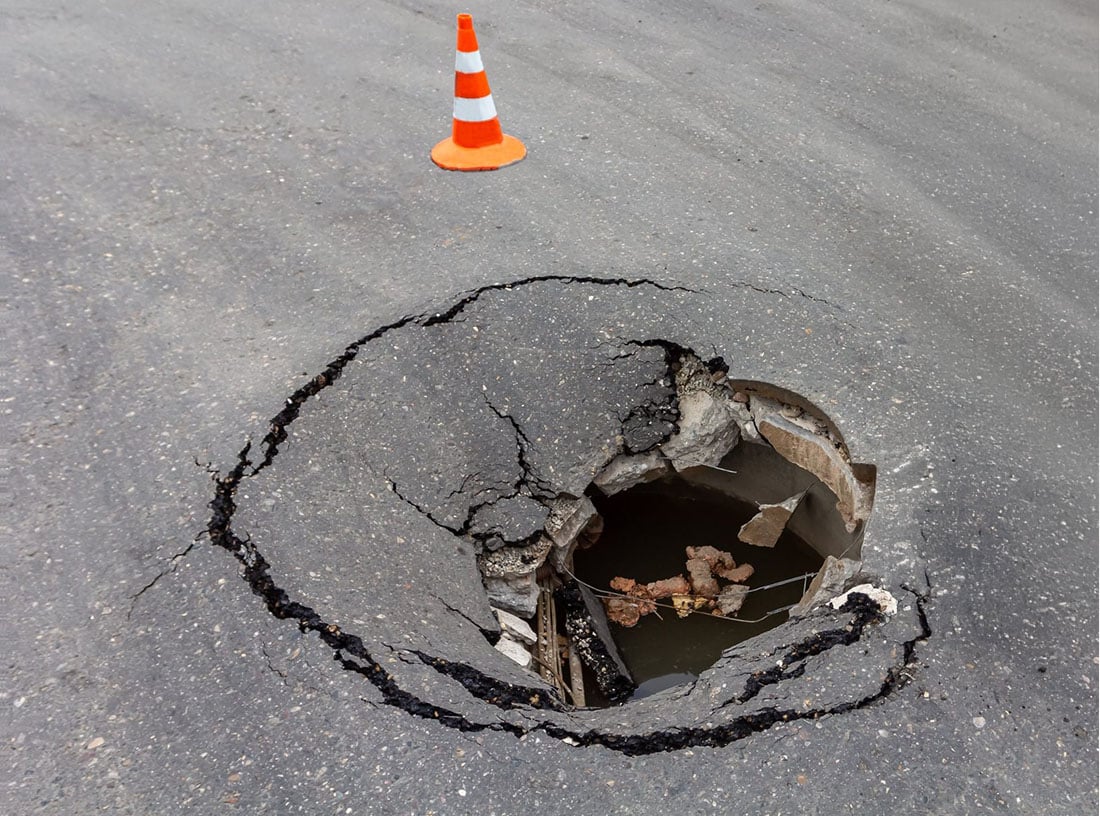
Pool equipment pad settling repair becomes necessary when the concrete base under your pumps, filters, and heaters shifts or sinks. Even a small movement can strain pipes, stress equipment, and lead to costly repairs.
Homeowners across Florida deal with equipment pads that settle because of soil movement, poor compaction, or drainage issues. Helicon helps property owners correct these foundation problems with proven repair solutions that stabilize and level concrete pads without having to replace the entire structure.
In this guide, you’ll learn why pool equipment pads settle, how to spot the warning signs, and which repair methods work best. Understanding these issues early can help you protect your pool equipment and avoid larger structural repairs later.
Why Your Pool Equipment Pad Is Settling
Pool equipment pads settle when the soil underneath them compacts or shifts over time. This creates an uneven surface that can damage your equipment and plumbing connections.
Poor soil preparation is the main reason pool equipment pads settle. When contractors skip proper soil compaction before pouring the concrete pad, air pockets and loose soil stick around underneath. These gaps collapse under the weight of your equipment as time passes.
Water also plays a big role in pad settling. Rain and irrigation can wash away soil from under your pad, a process called erosion. If drainage is poor around your equipment area, water pools near the foundation and slowly removes the supporting soil.
The type of soil matters too. Clay soil expands when wet and shrinks when dry, which makes the ground move up and down. Sandy soil doesn’t hold together well and shifts easily.
Fill dirt that wasn’t compacted right during construction often settles more than undisturbed soil. The weight of your equipment also adds pressure. Heaters, large filters, and pumps put steady pressure on the pad and push down on weak spots in the soil below.
Signs and Symptoms of Settlement
Visible cracks in your concrete pad often show up first. These cracks usually run across the pad, not just at the edges. You might notice the pad tilting to one side or developing a noticeable slope.
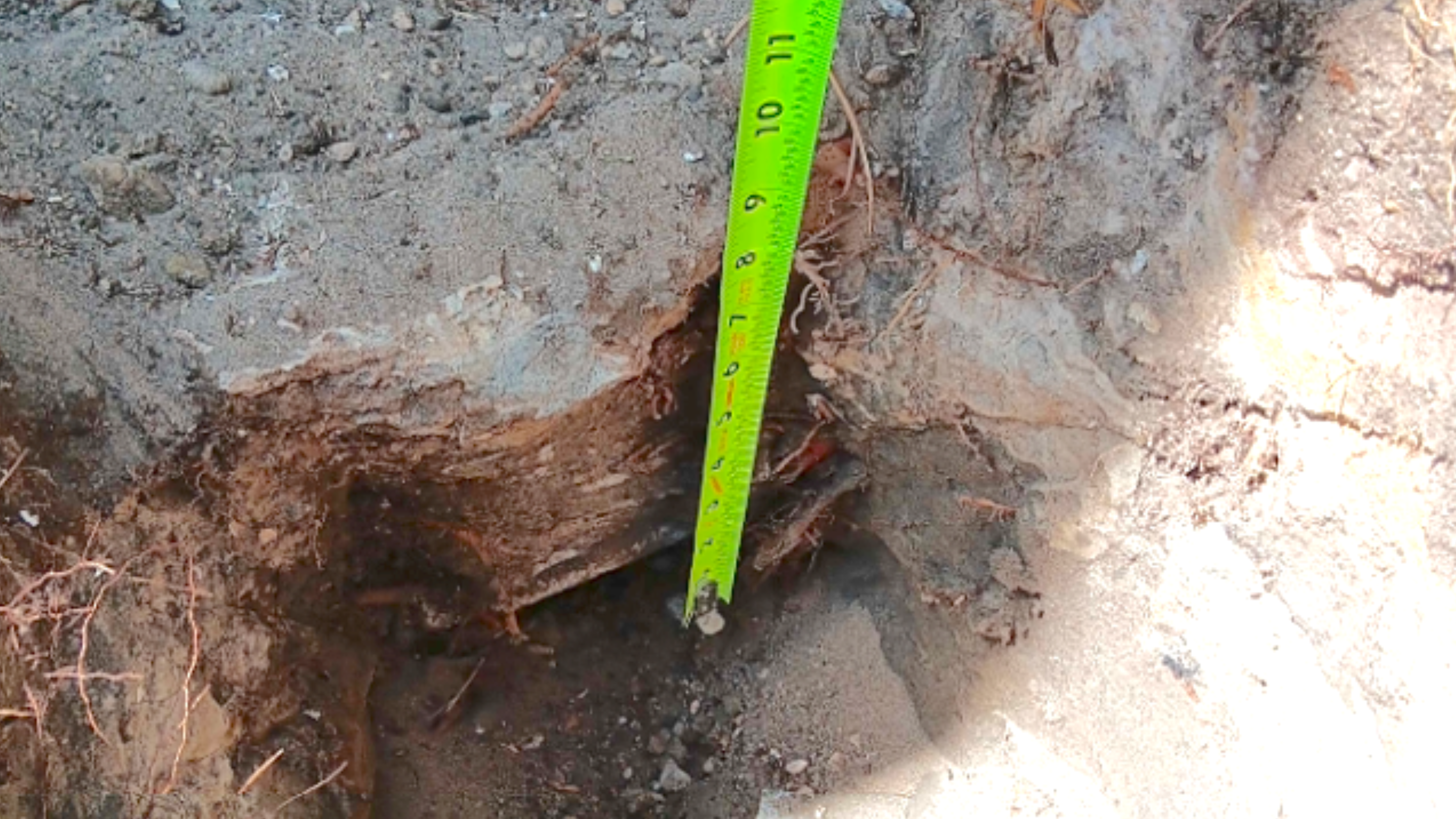
Gaps between your equipment pad and the surrounding ground show that the pad has dropped. You can measure this gap with a tape measure or just eyeball it. Some pads settle evenly, while others drop more on one corner or side.
Your plumbing connections show stress when the pad settles. Look for cracks in PVC pipes, separated joints, or leaking connections where pipes enter and exit your equipment. The pad movement pulls on these rigid pipes and causes damage.
Equipment problems often follow pad settlement, too. Your pump might vibrate more than usual or make strange noises because it’s no longer level. Filters can develop leaks at their seals when they’re tilted. Puddles of water might collect on your sloped pad. That’s a sure sign something’s off.
Risks of Ignoring Settlement Issues
Broken plumbing is the most immediate risk if you ignore a settling pad. As the concrete keeps dropping, it pulls harder on your pipes until they crack or separate completely. A major pipe break can flood your equipment area and waste thousands of gallons of water.
Your equipment won’t last as long on an uneven pad. Pumps have bearings that wear out faster when they run at an angle. Heaters and filters develop leaks at their seals when stressed by an unlevel surface.
Safety hazards can pop up around settling pads. The uneven surface creates a tripping risk when you walk around your equipment. Electrical components get damaged if water pools on your tilted pad and reaches them.
Water and electricity together near your pool? Not a good mix. The settlement just gets worse over time if you don’t fix it. A small one-inch drop this year might become three inches next year.
Inspection and Assessment
Before you start any repair work, check your pool equipment pad carefully to see what’s wrong and how bad it is. A good inspection helps you figure out the repair method and estimate costs.
How to Evaluate Pad Level and Condition
Look at your equipment pad from different angles to spot any obvious tilting or sinking. Place a carpenter’s level on top of the pad in multiple directions to measure how far off-level it sits. Write down these measurements so you can track changes over time.
Check the pad’s surface for signs of wear. Look for cracks, crumbling concrete, or spots where the surface is flaking away. Run your hand along the edges to feel for rough spots or deterioration.
Measure the gap between the bottom of your equipment and the pad surface. If your pump or filter sits at an angle, the pad has settled unevenly. Take photos of these gaps from several angles for your records.
Identifying Damage to Pool Equipment
Look at your pump and filter for any cracks in the housing or connection points. Settlement puts stress on equipment, especially where pipes connect. Check all pipe connections for gaps, leaks, or visible strain.
Turn on your equipment and listen for odd sounds. Grinding, rattling, or humming noises usually mean the motor’s working harder because it’s not level. Watch for water pooling around the base of your equipment. This signals loose connections or damaged seals.
Inspect electrical components and wiring for pulled or stretched connections. Settlement can tug on electrical conduits and create hazards you really don’t want.
Determining the Extent of Settlement
Measure how far the pad has dropped compared to the pool deck or the surrounding ground. Use a tape measure to record the distance at each corner and the center of the pad. Write these numbers down.
Check the soil around the pad for gaps or voids underneath. You can use a thin rod or wire to probe gently around the edges. If the rod slides easily under the pad, you’ve got some real soil erosion.
Look at the surrounding area for other signs of settling. This includes cracks in nearby concrete or gaps between the pad and adjoining surfaces. This helps you see if the problem is just the equipment pad or part of a bigger settling issue.
Repairing a Settled Pool Equipment Pad
When your pool equipment pad settles, you’ve got several repair options. These range from temporary fixes to permanent solutions. The right method depends on how much your pad has sunk.
Leveling and Stabilization Methods
Concrete leveling is a popular way to lift a settled equipment pad. Contractors drill small holes in the concrete and inject material underneath to raise the pad back to its original position. Your pump, filter, and other equipment can stay in place during the repair. Mudjacking uses a cement-based slurry to fill voids under the pad. It works for minor settling but might not last as long in areas with soil movement.
Polyurethane foam injection is a modern alternative that weighs less and cures faster than mudjacking. The foam expands to fill gaps and gives strong support.
For severe settling, helical piles offer a permanent solution. These steel shafts screw deep into stable soil layers, providing engineered support. This method costs more than surface leveling but prevents future movement.
Padding Materials and Techniques
You can add support materials to strengthen your pad during repairs. A gravel base underneath the concrete helps with drainage and prevents soil erosion. Reinforcement mesh or rebar inside the concrete adds structural strength. This is especially important if you’re pouring a new pad to replace a damaged one.
Some contractors use fiber-reinforced concrete that resists cracking better than standard concrete. The fibers help spread out stress across the pad surface. When you put equipment back after repairs, install unions on all connections. These make future repairs easier and reduce stress on the plumbing when equipment vibrates.
Step-by-Step Repair Process
Start by assessing how much your pad has settled and checking for cracks. Take photos and measurements before you begin.
For concrete leveling, a contractor drills holes about 2 inches wide in strategic spots around your equipment. They inject leveling material through these holes until the pad rises to the right height. They patch the holes with cement after the lift.
If you’re removing equipment to pour a new pad, turn off all power first. Disconnect the plumbing and label each connection so you know where everything goes back. Remove the old concrete and dig out to a depth of 4-6 inches.
Add compacted gravel as a base layer. Pour new concrete at least 4 inches thick with wire mesh inside for strength. Let it cure for at least 3-7 days before reinstalling the equipment. Use shims under the equipment’s feet to level it and prevent vibration damage.
Preventing Future Settling
Proper site preparation and regular maintenance are the two main ways to stop your pool equipment pad from settling again. These steps address the root causes before they become expensive problems.
Site Preparation Best Practices
The soil under your equipment pad needs proper compaction before installation. Compact the soil in layers, usually 4-6 inches at a time, until you reach the right density. Moisten each layer and use a mechanical compactor.
Install a gravel base beneath the concrete pad. A 4-6 inch layer of compacted gravel provides drainage and creates a stable foundation. The gravel keeps water from collecting under the pad and weakening the soil.
Have your contractor install the pad on undisturbed soil whenever possible. If the area was recently excavated, the soil needs extra time to settle naturally. Backfilled areas are especially prone to settling without proper preparation.
Consider adding reinforcement like rebar or wire mesh to the concrete pad itself. This helps the pad act as a single unit even if some settling happens underneath.
Ongoing Maintenance Tips
Fix pool leaks as soon as you notice them. Water seepage erodes the soil under your equipment pad and causes settling.
Check your pool’s water level regularly for unexplained drops. Keep your drainage systems working properly. Gutters, downspouts, and yard grading should direct water away from your pool equipment area.
Standing water near the pad softens the soil and leads to settling. Inspect your equipment pad every spring and fall. Look for small cracks, gaps between the pad and equipment, or changes in the pad’s level.
Early detection helps prevent larger repairs. Avoid placing heavy items on or near the equipment pad. Extra weight increases pressure on the soil and can trigger settling.
Choosing Professional Repair Services
Finding the right contractor makes the difference between a lasting repair and recurring problems. You need someone with real experience in foundation work and pool equipment systems.
What to Look for in a Pool Equipment Pad Contractor
Licensing and insurance should be your first priority. A qualified contractor carries general liability insurance and workers’ compensation coverage. This protects you from liability if something goes wrong during the repair.
Look for contractors with foundation repair experience. Equipment pad settling is a structural issue that requires knowledge of soil mechanics, concrete work, and load distribution.
Check their track record through online reviews and references. Ask to see photos of previous equipment pad repairs they’ve done.
A reputable contractor will gladly share examples of their work and connect you with past customers. Written warranties on both materials and labor show a contractor stands behind their work. Most professional foundation repair companies offer warranties ranging from 1 to 5 years.
Questions to Ask During Consultation
Start with “What repair method do you recommend and why?” The contractor should walk you through their approach, considering your soil, pad size, and the weight of your equipment.
If someone jumps to a solution without looking at your site, that’s a red flag. “How long will the repair last?” Mudjacking usually holds up for 2-5 years, but polyurethane foam injection can last much longer.
Knowing the expected lifespan helps you evaluate long-term value. Ask for a detailed written estimate that spells out material costs, labor, and the timeline. This helps you avoid surprise fees and compare quotes clearly.
Don’t forget to ask about their experience with pool equipment pads. You want someone who understands how to keep heavy pool pumps, filters, and heaters level and stable.
Fix Pool Equipment Pad Settling Before It Gets Worse
A sinking equipment pad can quietly damage your pool system over time. Pool equipment pad-settling repair restores the proper level and helps your pumps, heaters, and filters run safely. Addressing settlement early helps prevent pipe strain, leaks, and equipment failure.
Professional repair can stabilize the soil beneath the pad and lift the concrete back into position. Helicon provides proven solutions that correct settling while protecting your pool equipment and surrounding structures.
If your equipment pad is tilting, cracking, or pulling on plumbing connections, it’s time to act. Schedule a professional inspection to determine the cause and choose the right repair before the problem gets worse.
Pool Equipment Pad Settling Repair FAQ
What causes a pool equipment pad to settle?
Pool equipment pads usually settle because the soil underneath them shifts, compacts, or erodes. Poor soil compaction during installation is a common cause. Water drainage problems, soil erosion, and expanding clay soils can also weaken the ground that supports the pad.
Over time, the weight of pumps, heaters, and filters adds pressure to weak soil areas. This pressure can cause the concrete pad to sink, tilt, or crack.
How do I know if my pool equipment pad is settling?
There are several warning signs of a pool equipment pad settling. You may notice the concrete pad tilting, visible cracks forming, or gaps appearing between the pad and the surrounding ground.
Other signs include plumbing pipes pulling apart, pumps vibrating more than usual, or water pooling around your equipment area.
Can a sinking pool equipment pad be repaired without replacing it?
Yes. Many settling pads can be repaired using concrete leveling methods such as polyurethane foam injection or mudjacking. These techniques lift the pad back into place and fill the voids beneath it.
This approach is typically faster and more affordable than removing and replacing the entire concrete pad.
Is a settling equipment pad dangerous for pool equipment?
Yes. When the pad becomes uneven, it places stress on plumbing connections and mechanical components. Pumps, heaters, and filters are designed to operate on a stable surface. If the pad continues to sink, it can lead to leaks, damaged pipes, and premature equipment failure.
How long does pool equipment pad settling repair take?
Most concrete leveling repairs can be completed in just a few hours. The exact timeline depends on the repair method used and the extent of the settlement. In many cases, your pool equipment can remain in place during the repair process.
Can I prevent my pool equipment pad from settling again?
Yes, prevention usually starts with proper soil preparation and drainage. A compacted soil base and gravel layer help create a stable foundation for the pad. Regular inspections, fixing pool leaks quickly, and keeping water away from the equipment area can also help reduce the risk of future settling.