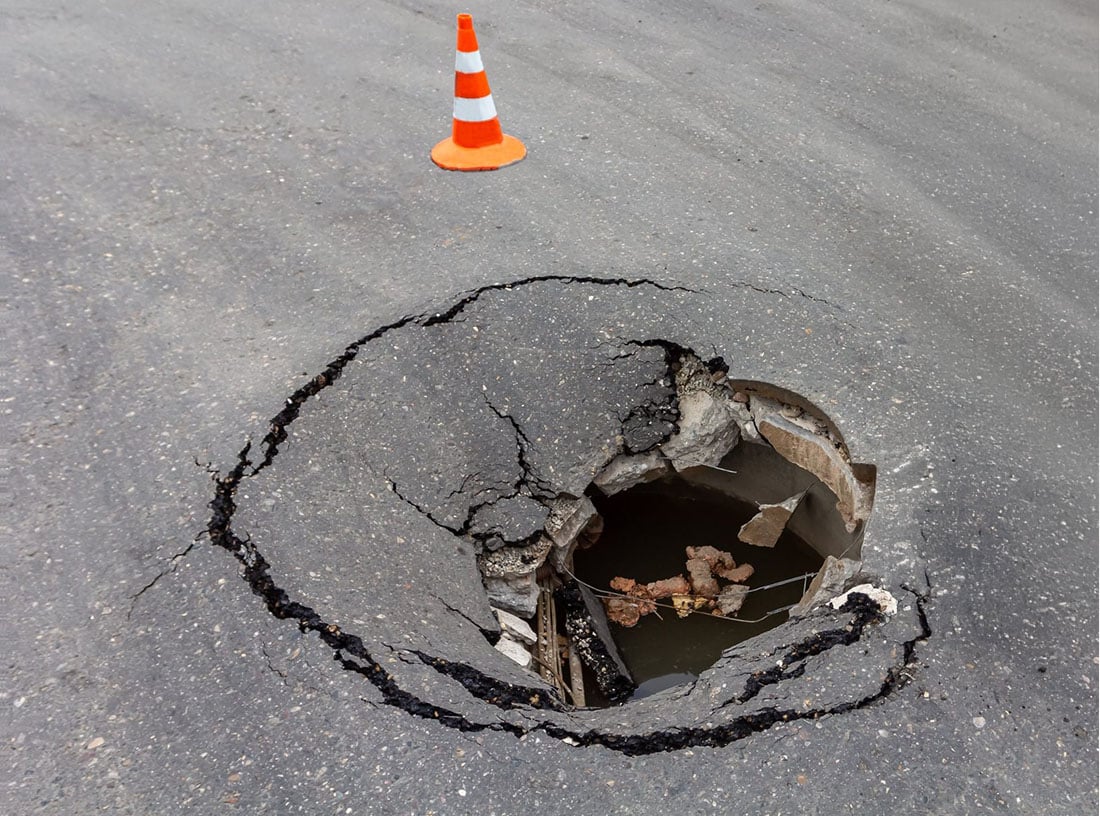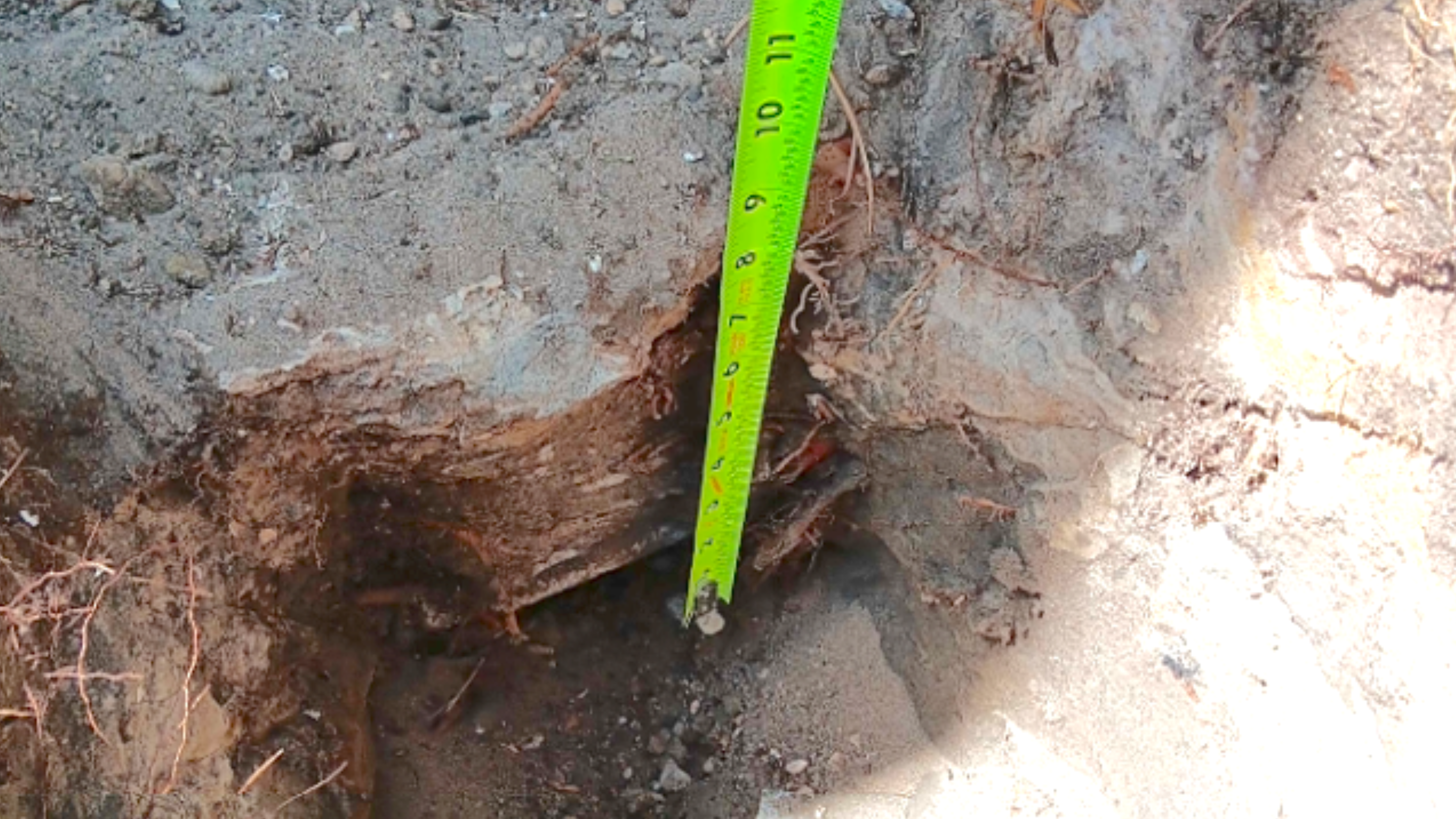
Foundation repairs often appear when you least expect them, and the cost can quickly create stress. Many people start searching for how to pay for foundation repair as soon as they realize the problem may cost several thousand dollars.
At Helicon, homeowners frequently ask about practical ways to manage these unexpected repair expenses. Understanding the available payment options can make the situation feel more manageable and help you move forward with confidence.
This guide explains what foundation repairs typically cost and the most common ways homeowners pay for them. You will also learn about financing options, insurance possibilities, and smart strategies for handling repair payments.
What Does Foundation Repair Really Cost?
Foundation repairs generally cost somewhere between $2,200 and $8,100, with many homeowners paying around $5,000 to $5,200 for a typical project. However, the final price depends heavily on the type of damage, the required repair method, and the soil conditions surrounding your home.
Structural damage, water issues, and accessibility challenges can all affect labor and material costs. Because every property is different, repair estimates can vary significantly from one home to another.
Factors Affecting Price
Several important factors influence the total cost of foundation repair. One of the biggest is the size of your home, since larger foundations require more materials, labor, and installation time. For example, repairing a small crack might cost $300 to $800, while significant structural work could range from $15,000 to $30,000 or more.
Soil conditions also play a major role in determining repair complexity. Clay soils expand and shrink as moisture levels change, which can increase structural stress and require specialized stabilization techniques. Sandy or rocky soils may present different challenges and often require alternative repair solutions.
The severity of the damage is another major cost driver. Small surface cracks are relatively simple to seal, but more serious issues, such as foundation settlement or bowing walls, often require structural solutions such as piers, anchors, or reinforcement systems.
Accessibility can further impact repair pricing. If parts of the foundation are located beneath patios, landscaping, or concrete surfaces, contractors may need to excavate or work from inside the structure, which adds time and labor costs. In addition, labor rates and repair costs can vary depending on local construction markets and regional pricing differences.
Discover how to repair foundation cracks quickly and effectively.
Types Of Foundation Repairs
Different types of foundation damage require different repair methods, and each solution carries its own cost range. Understanding these options can help homeowners better estimate the potential expense of a repair project.
Crack sealing is typically the most affordable option, costing between $300 and $2,500. This approach works well for minor cracks in basement walls or concrete foundations where structural movement is minimal.
More extensive problems may require pier and underpinning systems, which typically cost $1,000 to $3,000 per pier. These steel or concrete supports transfer the home’s weight to deeper, more stable soil layers, helping stabilize a settling structure.
Another method, slab jacking or mudjacking, generally costs $500 to $1,300 per section. This process lifts sunken concrete slabs back into place and is commonly used for driveways, patios, or slab foundations that have experienced minor settlement.
When basement walls begin to lean or bow inward, contractors may install wall anchors or braces, which typically cost $400 to $1,000 each. These systems slowly stabilize and correct wall movement over time.
In some cases, the main issue involves poor drainage rather than structural failure. Installing solutions such as French drains or sump pumps can cost between $2,000 and $6,000 and help prevent water buildup that may weaken a foundation.
Estimating Your Repair Expenses
If you suspect foundation damage, start by requesting at least three quotes from licensed foundation repair contractors. Each estimate should clearly describe the underlying problem, the recommended repair method, and the expected material and labor costs.
A professional inspection typically costs $200 to $500, although some contractors provide free estimates. Hiring a structural engineer for an independent evaluation can be helpful, especially if multiple repair approaches are possible.
For larger projects, homeowners sometimes estimate repair costs using a price-per-square-foot model. Foundation work generally ranges from $1.50 to $12 per square foot, depending on the type of repair required.
Permit fees may also apply, usually ranging from $75 to $150. Many contractors handle permit applications as part of their service, but it is still wise to confirm this when reviewing estimates.
Because unexpected conditions can appear once repairs begin, homeowners should also reserve 10% to 20% of the projected cost for potential surprises. Hidden damage, soil problems, or drainage issues can increase the final bill if they are discovered during the project.
Learn how to choose the right foundation repair company.
Exploring Payment Options For Foundation Repair
Foundation repairs often cost between $2,000 and $15,000 or more, which means many homeowners need to carefully consider how they will cover the expense. Choosing the right payment strategy can make repairs more manageable and prevent long-term financial strain.
Many homeowners combine multiple payment methods, such as savings, credit cards, contractor financing, or home improvement loans, depending on their financial situation and credit profile.
Paying With Savings
Using personal savings is often the simplest way to pay for foundation repair, since it eliminates interest charges and the need for loan approvals. When funds are available, paying directly allows homeowners to resolve structural issues quickly and avoid long-term debt.
There are several advantages to paying with savings. Homeowners avoid monthly loan payments, retain full ownership of the repair work, and can often schedule repairs more quickly because financing approval is not required. Contractors may also offer small discounts for upfront payment.
However, homeowners should avoid completely draining their emergency savings. Financial advisors commonly recommend maintaining three to six months of living expenses in reserve to handle unexpected situations such as job loss or medical bills.
Most contractors accept payments through cash, check, or bank transfer, and some may offer modest discounts for full payment before work begins.
Using Credit Cards
Credit cards can be a useful short-term solution when homeowners need to begin repairs immediately but do not have enough savings available. In some cases, cards may also offer rewards points or cash-back incentives for large purchases.
The main drawback is the high interest rate, which typically ranges from 15% to 25% if balances are not paid off quickly. Because of this, credit cards are often best suited for smaller repairs or short repayment timelines.
Some homeowners look for 0% introductory APR cards, which may offer interest-free financing for 12 to 18 months. Others may use home improvement credit cards offered by retailers such as Home Depot or Lowe’s, which sometimes include promotional financing periods.
If a credit card is used, the goal should be to pay off the balance before promotional interest periods expire, helping avoid additional financing costs.
Setting Up Payment Plans
Many foundation repair companies provide contractor payment plans, allowing homeowners to divide the total repair cost into manageable monthly payments.
These plans typically require an initial down payment of 10% to 25%, with the remaining balance paid over 6 to 24 months, depending on the financing terms.
Before agreeing to a payment plan, homeowners should review the details carefully. Important questions include the interest rate, any setup or administrative fees, penalties for missed payments, and whether early repayment is allowed without additional charges.
Reading the financing agreement thoroughly ensures you understand the total repayment amount, monthly obligations, and payment schedule before committing.
Financing Foundation Repair
For many homeowners, paying for repairs up front simply is not feasible. Financing options can make paying for foundation repair far more manageable by spreading costs over several years rather than requiring a large upfront payment. Many types of loans are commonly used for structural home repairs.
Home Improvement Loans
Home improvement loans are specifically designed to finance renovation and repair projects. These loans usually provide fixed interest rates and predictable monthly payments, making it easier to budget over time.
Loan terms often range from 5 to 20 years, and borrowing limits commonly fall between $2,000 and $100,000, which is enough to cover most foundation repair projects.
Approval typically depends on your credit score, income, and financial stability rather than home equity. Most lenders prefer borrowers with a credit score of 620 or higher.
Personal Loans
Personal loans are another option for homeowners who need funding quickly. These loans are typically unsecured, meaning they do not require your home to be used as collateral.
Banks, credit unions, and online lenders commonly offer personal loans with repayment periods between two and seven years. Borrowers can typically access funds within a few days after approval.
Loan amounts generally range from $1,000 to $50,000, although some lenders may offer larger amounts depending on credit qualifications. Interest rates vary significantly, with borrowers who have strong credit sometimes qualifying for rates near 7%, while those with lower credit scores may face higher rates.
Refinancing Your Mortgage
Another option is cash-out mortgage refinancing, which allows homeowners to replace their existing mortgage with a larger loan and receive the difference as cash.
For example, refinancing a $150,000 mortgage into a $165,000 loan could free up $15,000 that may be used for foundation repairs. This strategy usually requires at least 20% equity in the home and involves closing costs that typically range between 2% and 6% of the loan amount. The refinancing process can also take several weeks to complete.
Although refinancing can lower monthly payments by spreading costs over a longer period, it may increase the total interest paid over the life of the loan.
Insurance And Foundation Repair
Homeowners’ insurance sometimes helps pay for foundation repairs, but coverage is often limited and depends on the cause of the damage.
Most insurance policies exclude damage caused by gradual settling or normal structural aging. However, insurance coverage may apply if a specific covered event triggered the foundation damage.
When Homeowners Insurance Covers Repairs
Insurance companies typically pay for foundation repairs only when damage results from a sudden and accidental event listed in the policy.
Examples of covered events may include:
- Burst plumbing pipes
- Fire damage
- Severe storms or hurricanes
- Vehicle collisions with the home
- Explosions or vandalism
The key factor is that the damage must occur suddenly, rather than developing slowly over time.
Filing An Insurance Claim
Homeowners should begin by documenting all visible damage using clear photos and videos from multiple angles. After documenting the issue, contact your insurance company immediately to report the claim.
An insurance adjuster will usually visit the property to inspect the damage and determine whether the event qualifies for coverage. Providing supporting documentation, such as weather reports or plumbing repair records, can help strengthen the claim.
It is also helpful to keep detailed notes about every conversation with the insurance company, including claim numbers, dates, and representative names.
Limitations And Exclusions
Most insurance policies exclude foundation damage caused by long-term structural movement or maintenance issues.
Common exclusions include:
- Normal soil settling
- Poor construction or defective materials
- Lack of maintenance
- Tree root intrusion
- Floods or earthquakes
- Gradual ground movement
Some insurance companies offer optional endorsements for earth movement, but even these policies may not cover normal settlement problems.
Government Programs And Assistance
Some homeowners may qualify for government programs designed to help pay for critical home repairs, including structural improvements. These programs are often targeted toward low-income households or rural homeowners.
Local And State Grants
Many cities and counties provide housing repair assistance through Community Development Block Grant (CDBG) programs. These programs help eligible homeowners address health and safety issues, including structural foundation concerns.
State housing agencies may also provide grants or low-interest repair loans. Eligibility rules usually depend on income levels, property location, and funding availability.
Applications typically require documentation such as proof of income, proof of home ownership, and contractor repair estimates. Approval timelines can vary from a few weeks to several months, depending on funding availability.
Federal Assistance Options
The USDA Single Family Housing Repair Loans and Grants program helps rural homeowners make essential repairs. Applicants who are 62 years or older and meet income requirements may qualify for grants up to $10,000 for safety-related improvements.
The Department of Housing and Urban Development (HUD) also supports financing through Title 1 and 203(k) loan programs, which insure loans used for home repair projects.
Negotiating With Contractors
Foundation repair companies may sometimes be open to negotiation, particularly smaller contractors that manage their own pricing and scheduling. Comparing multiple estimates and asking questions about pricing flexibility can often reduce the total cost of a repair project.
Getting Multiple Estimates
Homeowners should request written estimates from at least three contractors before selecting a company. Each estimate should clearly outline the scope of repairs, required materials, labor costs, and warranty coverage.
Once several estimates are available, comparing them side by side can reveal important differences. Some contractors may include additional inspections, drainage improvements, or longer warranty terms. These quotes can also serve as leverage in negotiations when discussing final pricing.
Requesting Discounts
It is reasonable to ask contractors whether seasonal promotions or discounts are available.
Homeowners may sometimes receive price reductions by:
- Paying cash instead of financing
- Scheduling repairs during slower seasons
- Bundling multiple repairs together
- Allowing flexible scheduling
Even small discounts can reduce the overall project cost, particularly for large structural repairs.
Preparing For Unexpected Costs
Foundation problems rarely appear at convenient times, and repair costs can sometimes exceed $15,000. Planning ahead can help homeowners avoid financial strain if structural problems arise unexpectedly.
Building An Emergency Fund
Financial planners often recommend saving 1% to 4% of a home’s value each year for maintenance and repair expenses. For example, a $300,000 home may require $3,000 to $12,000 annually for ongoing maintenance. Setting aside even small monthly contributions can gradually build a helpful repair fund.
Keeping these funds in a separate high-yield savings account allows homeowners to access them quickly when needed without affecting everyday finances.
Reviewing Warranty Options
Homeowners should review their insurance policy carefully to understand what types of foundation damage are covered. If the home is relatively new, the original builder may provide a structural warranty, which often lasts up to 10 years. These warranties sometimes cover major foundation defects.
Many foundation repair companies also offer warranties that range from 5 to 25 years, depending on the repair method used. Before choosing a contractor, homeowners should review the warranty terms to understand which repairs are covered and which maintenance responsibilities may apply.
Making Foundation Repair Payments More Manageable
Foundation problems can be stressful, especially when repair costs arise unexpectedly. Understanding how to pay for foundation repair helps homeowners prepare for the expense and choose a solution that fits their financial situation.
Working with experienced professionals can make the process much easier. Helicon helps homeowners understand repair options, expected costs, and practical ways to manage payments.
If you are noticing signs of foundation damage, consider scheduling a professional inspection. A clear diagnosis and repair estimate can help you plan the next steps and move forward with confidence.
Frequently Asked Questions
How Can I Pay For Foundation Repair If I Don’t Have Savings?
If you don’t have enough savings, several financing options can help cover the cost. Many homeowners use personal loans, home improvement loans, or contractor financing plans to spread payments over time. Credit cards with promotional interest rates may also work for smaller repairs, though they should be used carefully to avoid high interest.
Is Financing A Good Option For Foundation Repair?
Financing can be a practical solution when repairs are urgent and paying up front is not possible. Loans allow homeowners to fix structural problems immediately while spreading payments over several years. However, it’s important to compare interest rates, loan terms, and fees before choosing a financing option.
Does Homeowners Insurance Cover Foundation Repair?
Homeowners’ insurance usually covers foundation repairs only if the damage was caused by a sudden, covered event, such as a burst pipe, fire, or severe storm. Most policies do not cover damage caused by normal settling, soil movement, or long-term structural wear.
Can I Use A Home Equity Loan For Foundation Repair?
Yes, many homeowners use home equity loans or home equity lines of credit (HELOCs) to pay for foundation repairs. These options often offer lower interest rates because the loan is secured by your home, but approval typically requires sufficient equity and a strong credit profile.
How Much Should I Budget For Foundation Repair?
Foundation repairs commonly range from $2,000 to $15,000, depending on the severity of the problem and the repair method used. Setting aside an additional 10% to 20% contingency budget can help cover unexpected issues discovered during the repair process.
Should I Delay Repairs If I Can’t Afford Them Right Away?
Delaying repairs can sometimes lead to more serious structural damage and higher repair costs later. If the issue is significant, exploring financing options or payment plans may allow you to address the problem sooner and prevent further deterioration.