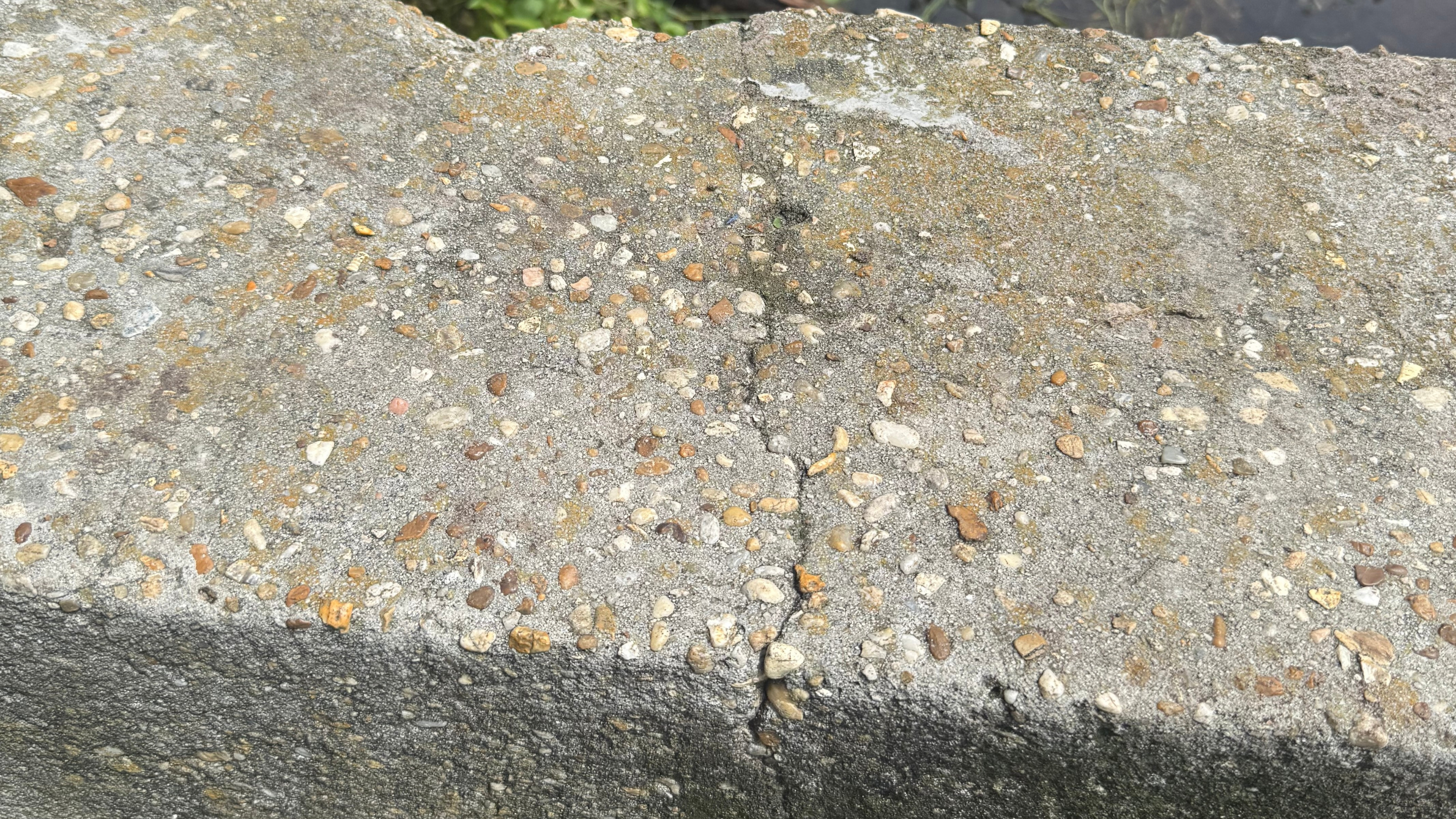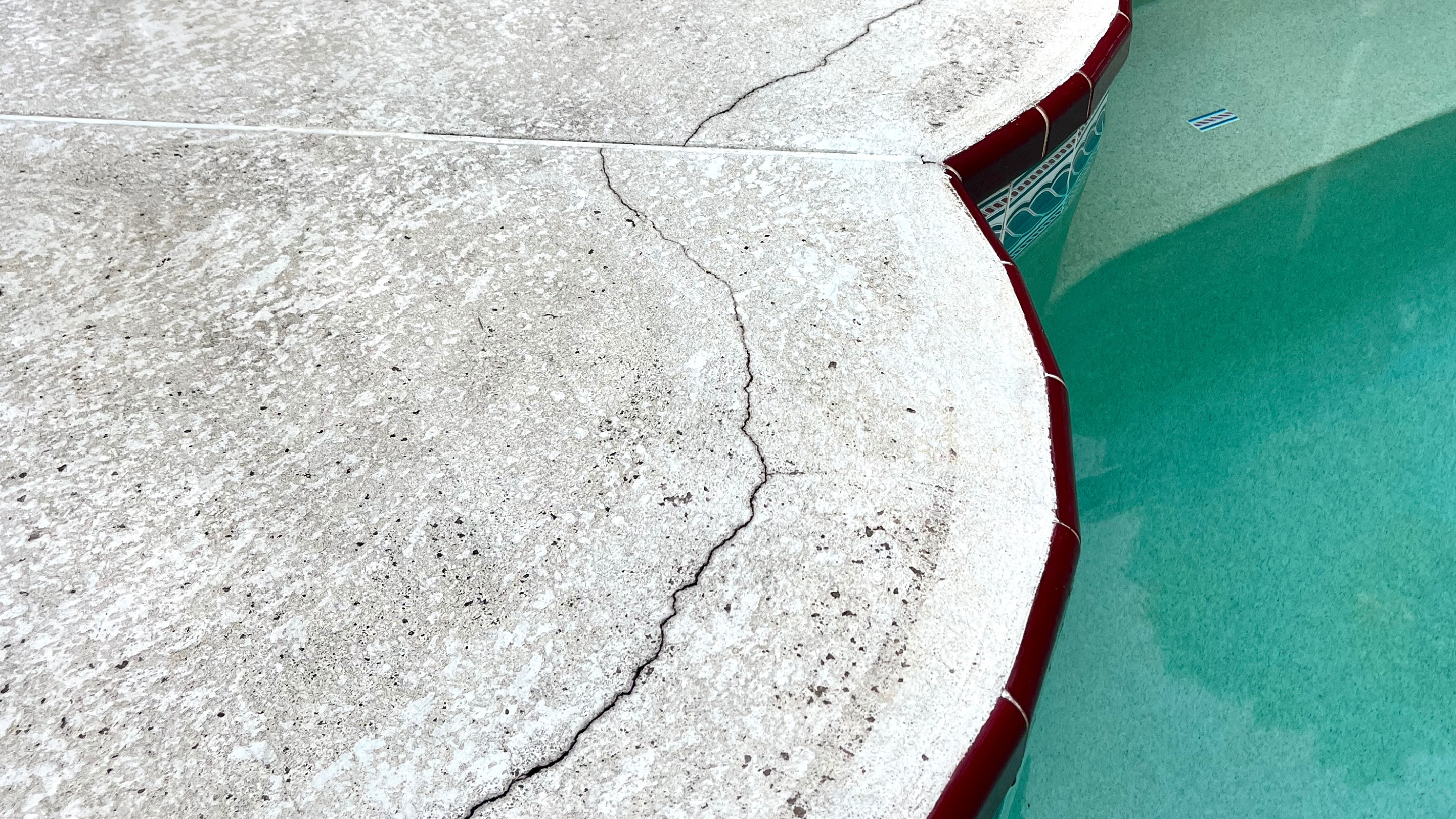
You notice a crack running diagonally from the corner of your window, or a door that used to close perfectly now scrapes the floor every time. These are the kinds of details that make you start searching for answers about foundation inspections and what happens during a professional assessment.
A professional foundation inspection turns that uncertainty into a clear picture of your home’s structural health. Instead of guessing whether a crack is cosmetic or critical, you get a trained set of eyes examining the specific conditions affecting your property, from soil behavior to drainage patterns to how your floors and walls are aligned.
This article walks you through the full inspection process: what triggers the appointment, what the inspector examines, how the findings are interpreted, and how to prepare to get the most from the visit. The guidance comes from Helicon Foundation Experts, a Florida-based team that has been diagnosing and repairing foundation issues across the state since 2004.
Why Homeowners Schedule An Evaluation
Most foundation problems do not announce themselves all at once. They build up gradually, so the signs of foundation issues usually range from a single concerning crack to a pattern of small changes that have accumulated over months or years.
Visible Clues Inside The Home
Stair-step cracks along a block or brick wall are among the clearest interior signs that the foundation has shifted. These cracks run at an angle to the mortar joints, indicating that one section of the structure has moved relative to another.
Uneven floors are another common trigger. If you notice that furniture wobbles on what used to be a flat surface, or that a marble rolls across a room on its own, the floor is likely reflecting movement in the slab below. Gaps between the baseboards and the floor, or between the wall and the ceiling, point to the same issue.
Creaking noises that seem to come from the structure, not just the floorboards, can also indicate stress. These sounds are worth noting and mentioning to the inspector during the appointment.
Exterior Changes That Raise Concern
Outside the home, depressions in the yard or soil pulling away from the foundation perimeter are signs that something is moving underground. Water pooling near the base of the structure after rain is especially relevant in Florida, where heavy rainfall and high water tables put constant pressure on foundations.
Cracks on the exterior of the slab or visible separation between the foundation and the walls above it deserve immediate attention. These are not always cosmetic, and an inspector will want to measure and document them to determine how active the movement is.
When Recent Weather Or Water Issues Matter
Florida’s rainy season and storm activity can accelerate foundation problems that were already developing slowly. If your area recently experienced heavy flooding or a tropical storm, requesting a foundation inspection after hurricane events can help identify soil shifts that turn stable cracks into active ones.
Plumbing leaks beneath the slab also cause soil to erode or expand, depending on the soil type. If you have had any under-slab plumbing work done, or if your water bill has increased without explanation, mention both to the inspector. That context helps narrow down the cause of what they find.
What The Inspector Looks At First
The inspection begins before the expert steps through your front door, with a careful look at the surrounding site conditions and the exterior of the structure. What gets examined in these first few minutes often shapes how the rest of the assessment unfolds.
Site Conditions And Drainage Patterns
The inspector will walk the perimeter of your property, looking at how the ground slopes relative to the foundation. Ideally, the grade slopes away from the structure on all sides, directing water out and away. When the grade slopes toward the home, water pools against the foundation and puts sustained pressure on the soil beneath it.
Downspout discharge points matter here too. A downspout that empties directly against the foundation wall directs concentrated water flow to the worst possible location. The inspector will note these drainage problems because they often contribute to the issues rather than being coincidental details.
Cracks, Movement, And Structural Warning Signs
Every crack gets assessed for its width, orientation, and depth. Horizontal cracks in a concrete block wall indicate lateral soil pressure, which is a more urgent structural concern than a hairline vertical crack in drywall. Stair-step cracks, diagonal cracks at window and door corners, and cracks that are wider at the top than the bottom all carry different meanings and point to different causes.
The inspector will also look for signs of previous repairs. Patched cracks or filled voids suggest the property has a history of movement, which is important context for understanding whether the current condition is stable or worsening.
Doors, Windows, Floors, And Wall Alignment
A door that sticks in summer and swings freely in winter might just be responding to humidity. A door that sticks year-round and shows a gap at one corner of the frame is more likely reflecting structural movement. The inspector tests doors and windows to check whether the frames are still square.
Floor slope is measured, not just observed visually. A level or measurement tool placed on the floor surface shows exactly how much elevation change exists across a given distance, which helps the inspector determine whether the settlement is localized or spread across a wider area. Wall surfaces are checked for bowing, separation, and cracks that run from floor to ceiling.
How The Assessment Is Carried Out
A thorough foundation assessment is not just a walk-through with a flashlight. The inspector collects specific data, documents conditions in detail, and asks targeted questions that help explain what the physical evidence shows.
Questions About Property History
The inspector will ask how long you have owned the property, when you first noticed the symptoms, and whether they have changed over time. A crack that appeared three years ago and has not moved is treated very differently from one that has widened noticeably over the past six months.
Questions about prior repairs are equally important. If a previous owner had work done on the foundation, the inspector needs to know what method was used and whether documentation exists. This prevents misinterpreting old repair material as new damage.
Measurements, Photos, And Elevation Checks
Measurements are taken at multiple points across the structure to establish an elevation profile. This shows where the slab is highest and lowest, giving the inspector a clear picture of how and where settlement has occurred. Even a one-inch difference in floor elevation across twenty feet can indicate meaningful movement.
Photos are taken throughout the inspection to document every crack, gap, and drainage issue. These images become part of the record and allow the inspector to explain findings clearly during the debrief, so you are looking at the same evidence they are when they walk you through the conclusions.
Crawl Space, Slab, And Perimeter Review
For homes with a crawl space, the inspector will enter and examine the piers, beams, and floor joists from below. Moisture, rot, insect damage, and pier shifting are all evaluated directly. For slab-on-grade construction, which is common throughout Florida, the inspection focuses on the visible surface of the slab, the perimeter edge, and any accessible voids or separations.
The perimeter review ties everything together. By walking the full exterior again after completing the interior assessment, the inspector can cross-reference what they saw inside with the conditions outside and identify patterns that would not be apparent from either view alone.
What The Findings Usually Mean
Not every inspection ends with a repair recommendation. What the inspector finds determines whether the situation requires immediate action, continued monitoring, or no intervention at all.
Normal Cosmetic Issues Vs Structural Concerns
Hairline cracks in drywall and small surface cracks in a concrete slab are common and usually cosmetic. They result from normal curing, minor temperature fluctuations, and everyday settling that does not affect structural performance. These do not require foundation repair.
Structural concerns look different. A crack that is wider than a quarter inch, runs through the full thickness of a wall, or is accompanied by floor slope and door misalignment is no longer cosmetic. When multiple symptoms appear together, they typically indicate active soil movement or load-transfer problems that will affect foundation repair costs and require a permanent engineered solution, not a surface patch.
How Soil Conditions Influence The Diagnosis
In Florida, soil type plays a major role in how the inspector interprets findings. Sandy and silty soils lose bearing capacity when saturated, which can cause rapid settlement after heavy rain. Soils with high organic content decompose over time, creating voids that lead to uneven support. These factors change how a problem is classified and what repair method is appropriate.
Karst topography, common in much of Florida, increases the risk of sinkhole activity beneath the structure. If the inspector sees evidence consistent with subsurface void development, such as a depression in the yard combined with internal cracking in a circular pattern, they may recommend further investigation before determining a repair approach.
When Monitoring Makes More Sense Than Immediate Repair
A single crack with no measurable floor slope and no door or window issues may not warrant immediate repair. In these cases, the inspector may recommend placing crack monitors, which are small gauges that reveal whether the crack is growing, and scheduling a follow-up visit in three to six months.
Monitoring is not avoiding the problem; it is gathering the data needed to make the right decision. An active crack that widens by two millimeters over three months tells you far more than a snapshot taken on one day. That information helps determine whether the movement is seasonal and reversible, or progressive and in need of intervention.
How To Prepare Before The Appointment
A little preparation before the inspector arrives makes the assessment faster and the findings more useful. Getting your home and your records ready takes less than an hour and significantly improves the quality of what you learn.
A Simple Walkthrough Checklist
Before the appointment, use a foundation inspection checklist for Florida homeowners to walk through your home and note every symptom. Do not filter out anything that seems minor, as what looks small to you might connect to something the inspector finds elsewhere.
Check these areas and make brief notes:
- Interior walls: Any cracks, especially diagonal or stair-step patterns
- Floors: Areas that feel soft, uneven, or that have visible slope
- Doors and windows: Any that stick, do not latch, or show gaps in the frame
- Ceilings: Cracks or separations at corners
- Exterior: Cracks in the slab edge, soil pulling away from the foundation, or pooling water
- Yard: Depressions, sinkholes, or areas where the ground has shifted
Clear access to crawl spaces, utility rooms, and garage slabs before the inspector arrives. Locked access panels or stored items blocking foundation walls slow the process and may mean certain areas get missed.
Documents And Details Worth Gathering
Pull together any paperwork you have about the property’s history, especially if you are thinking about selling. If you received a disclosure at purchase that mentioned prior foundation work, find it. If a previous contractor repaired a crack or installed a pier, gather any receipts or permit records.
Relevant documents include:
- Home inspection reports from when you purchased the property
- Any prior foundation repair estimates or invoices
- Plumbing repair records, especially for work done beneath the slab
- Insurance correspondence related to structural or sinkhole claims
If you do not have formal records, write down a rough timeline of when you first noticed each symptom and whether it has changed. That narrative is genuinely useful to the inspector, even without paperwork to back it up.
Questions To Ask Before The Inspector Leaves
Do not wait until after the inspector has packed up to think of your questions. Write them down before they arrive, including specific concerns like whether you need a permit for foundation repair, so you remember to ask during the walkthrough.
Ask the inspector directly:
- Is this crack active or dormant? Active cracks are still moving; dormant ones have stabilized.
- What do you believe is causing this? Understanding the root cause is more important than treating the symptom.
- Does this need to be repaired now, or can it wait? Some issues are urgent; others can be scheduled on your timeline.
- What repair method would you recommend and why? This helps you evaluate any future estimate and understand the foundation repair warranty you can expect.
- What would happen if I did nothing for six months? This gives you a realistic sense of risk.
- Should I contact my insurance company? In Florida, some sinkhole-related damage may be covered depending on your policy.
Getting clear answers to these questions before the inspector leaves means you leave the appointment with a plan, not just a list of problems.
Frequently Asked Questions
These answers cover the questions homeowners most often ask when preparing for a foundation assessment, from what to expect on the day to how to find a qualified professional to do the job.
What should I expect during a professional foundation inspection?
The inspector will examine both the interior and exterior of your home, looking at cracks, floor slope, door and window alignment, drainage patterns, and soil conditions around the perimeter. They will take measurements, photos, and notes, then walk you through their findings before they leave. Most inspections take between 45 and 90 minutes, depending on the property’s size and condition.
How much does a foundation inspection typically cost?
Many foundation repair companies offer free inspections as part of their estimate process, which means the initial assessment costs you nothing out of pocket. Independent structural engineers charge for their time, typically between $300 and $700 depending on the scope of the inspection and the size of the structure. The cost is almost always worth it compared to the expense of undetected damage.
How long does a foundation assessment usually take?
For a standard single-family home, expect the inspection to take 45 minutes to 1.5 hours. Larger homes, properties with crawl spaces, or situations with complex cracking patterns may take longer. The post-inspection conversation, where the inspector explains what they found, adds another 15 to 30 minutes and is just as important as the physical assessment itself.
Should I hire a structural engineer for a foundation inspection?
A structural engineer is the right choice when you need an independent, licensed opinion, especially for legal disputes, insurance claims, or major structural decisions. For most homeowners who are simply trying to understand a crack or uneven floor, a qualified foundation repair specialist with documented experience can provide the same practical insight. If the specialist recommends major work, getting a second opinion from an engineer is a reasonable next step.
What are the most common warning signs of foundation problems?
The most reliable warning signs include stair-step cracks in brick or block walls, diagonal cracks at the corners of doors and windows, floors that slope or feel uneven underfoot, doors and windows that stick or no longer close properly, and gaps between walls and floors. In Florida specifically, depressions in the yard and soil pulling away from the foundation are additional red flags that warrant prompt investigation.
How can I find a reputable foundation inspection company near me?
Look for companies with verifiable credentials, such as BBB accreditation and documented years in business, and read recent customer reviews that describe specific results rather than just general satisfaction. Ask whether the inspection is free and whether the inspector will provide written findings. A company that pressures you to commit to repairs during the inspection itself, without giving you time to review the findings, is worth approaching with caution.
The Next Step Toward Solid Ground
A foundation inspection is not the end of the process; it is the moment when guessing stops and informed decision-making begins. Once you have a documented assessment in hand, you know exactly what you are dealing with, and that clarity is valuable whether the news is minor or serious.When you are ready to take action, Helicon has been providing free, no-obligation foundation inspections across Florida since 2004. Scheduling one costs you nothing and gives you the information you need to protect your home. Request your inspection today.