If you’ve been searching for “concrete lifting near me”, you’re probably noticing uneven sidewalks, sinking driveway sections, or patio slabs that no longer sit level. These problems are common around homes and often develop gradually as soil shifts or moisture affects the ground beneath the concrete.
At Helicon, homeowners across Florida receive clear inspections, straightforward explanations, and practical repair recommendations based on local soil and drainage conditions. Concrete lifting can often restore safety and appearance without the cost, mess, or downtime that come with full slab replacement.
This guide explains how concrete lifting works, what causes slabs to settle, how polyurethane foam lifting compares to replacement, and what to look for when choosing a contractor. With the right repair plan, you can improve surface stability and protect your property with confidence.
What Concrete Lifting Fixes
Sunken concrete affects more than appearance. It can create safety hazards and drainage issues that become more noticeable over time. Understanding the warning signs helps you address the issue before it leads to larger repair concerns.
Signs You Have Uneven or Sinking Slabs
The clearest sign is a visible height difference between adjacent slab panels. One section may sit noticeably higher or lower than the slab beside it.
You may also notice your car dips when pulling into the garage or feel uneven spots while walking across a sidewalk or patio.
Other common signs include:
- Gaps forming between the slab and your home’s foundation or steps
- Water pooling near the slab after rainfall
- Diagonal cracks across slab corners
- A hollow or spongy sound when tapping the surface
These signs usually indicate that the soil beneath the slab has shifted and no longer provides consistent support.
Why Even Concrete Matters for Safety and Drainage
A height difference of even half an inch can create a trip hazard. Uneven slabs also change the surface slope, which may direct water toward your home instead of away from it.
Level concrete helps improve safety and supports proper drainage around your property. When water collects near your foundation, it can contribute to additional settlement and moisture-related concerns over time.
Areas Around the Property That Commonly Settle
Some areas around your home settle faster than others because of moisture exposure, soil conditions, and repeated weight loads.
Common areas include:
- Driveways, especially near garage entrances
- Sidewalks and front walkways exposed to weather changes
- Patios and pool decks where water saturates the soil
- Garage floors near door thresholds
- Porch steps poured separately from the main slab
How the Repair Process Works
Most concrete lifting projects follow the same basic process. The biggest differences usually involve the material used and the required drill hole size.
What Happens During Foam Injection
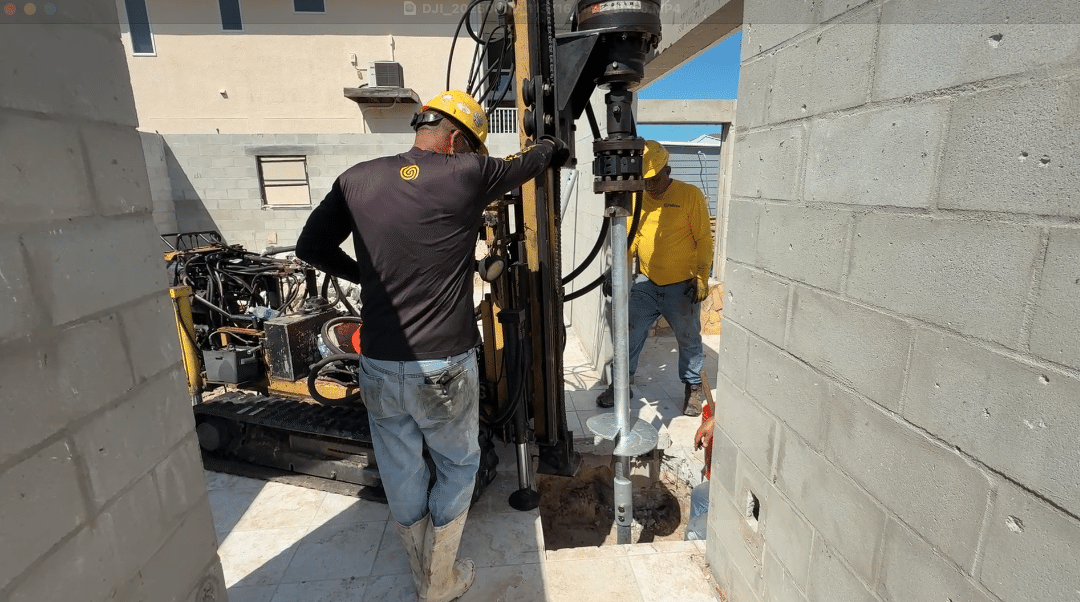
Polyurethane foam injection, also called polyjacking or foam jacking, begins with an inspection of the affected area. The technician identifies likely voids beneath the slab and marks drill points for balanced lifting.
Next, the crew drills small holes, usually about 5/8 inch wide, through the slab. They inject a two-part polyurethane foam through those openings under controlled pressure.
Within minutes, the foam expands beneath the slab, fills empty spaces, and gradually raises the concrete. The technician monitors the lift carefully and stops once the slab reaches the desired elevation.
After the repair, the crew patches the drill holes with matching material. Most surfaces are ready for normal use shortly after the process finishes.
How Polyurethane Foam Raises and Supports Slabs
Polyurethane foam expands rapidly after the components mix beneath the slab. That expansion creates upward pressure while compacting loose soil around the repair area.
Foam injection allows contractors to make precise adjustments with minimal disruption to the surrounding surface. The foam also resists water intrusion and adds very little weight to the underlying soil.
Because the material remains lightweight and durable, it helps provide long-term support without heavily stressing the soil beneath the slab.
When Mudjacking Is Still Considered
Mudjacking uses a mixture of sand, soil, water, and cement to raise concrete slabs. Contractors pump the material beneath the slab through larger drill holes, typically around two inches wide.
This older repair method can still work well in certain situations, particularly for large commercial slabs or projects where heavier fill material makes sense.
Mudjacking often costs less upfront than polyurethane foam lifting. However, the larger drill holes remain more visible after repairs, and the heavier material can place additional pressure on weaker soils.
If a contractor recommends mudjacking, ask about the advantages and limitations compared to foam injection. The right solution depends on the slab condition, soil stability, and overall project goals.
When Lifting Makes Sense Over Replacement
Before committing to full replacement, many homeowners explore concrete lifting because it often solves settlement problems faster and with less disruption.
Cost, Speed, and Disruption Compared
Replacing concrete requires demolition, debris removal, grading, pouring new concrete, and curing time. That process can take several days and disrupt driveways, patios, and walkways. Concrete lifting typically takes only a few hours. In many cases, homeowners can use the repaired surface the same day.
As a general comparison, lifting concrete often costs significantly less than replacement. It also minimizes disruption to landscaping and avoids the appearance differences that sometimes come with newly poured concrete.
Situations Where Replacement May Be Better
Concrete lifting does not solve every issue. If the slab itself has severe structural damage, replacement may offer a better long-term solution.
Replacement may make more sense when:
- The concrete surface is heavily crumbling or deteriorated
- A major renovation already includes new concrete work
- Multiple slabs have extensive settlement across a large area
- Tree roots or frost have pushed the slab upward significantly
How Long Results Typically Last
Properly completed concrete lifting repairs can last many years, especially when contractors also address the underlying drainage problems.
Results depend on soil conditions, water management, and the cause of the original settlement. If water continues washing soil away beneath the slab, settlement may return over time. A qualified contractor should explain these factors clearly during the inspection process.
What Causes Slabs to Sink in the First Place
Concrete settlement usually happens for a specific reason. Understanding the cause helps you determine whether the repair will provide long-term stability.
Soil Washout and Voids Under the Slab
One of the most common causes of settlement involves soil erosion beneath the slab. Water gradually moves through the soil, carrying fine particles away.
As voids form below the slab, sections of concrete lose support and begin to sink or tilt. Heavy rainfall can accelerate this process.
Poor soil compaction during original construction also contributes to settlement. If the base soil was not compacted properly before pouring the slab, the concrete may settle unevenly over time.
Water Runoff and Poor Drainage Around Concrete
Water plays a role in many concrete settlement problems. When drainage issues allow water to collect repeatedly near a slab, the soil softens and shifts.
Common causes include:
- Downspouts draining too close to concrete surfaces
- Negative grading that directs water toward the home
- Clogged gutters and drainage systems
- Overwatering near patios or walkways
Improving drainage often helps protect the long-term performance of a concrete lifting repair.
When Settlement Points to Bigger Structural Problems
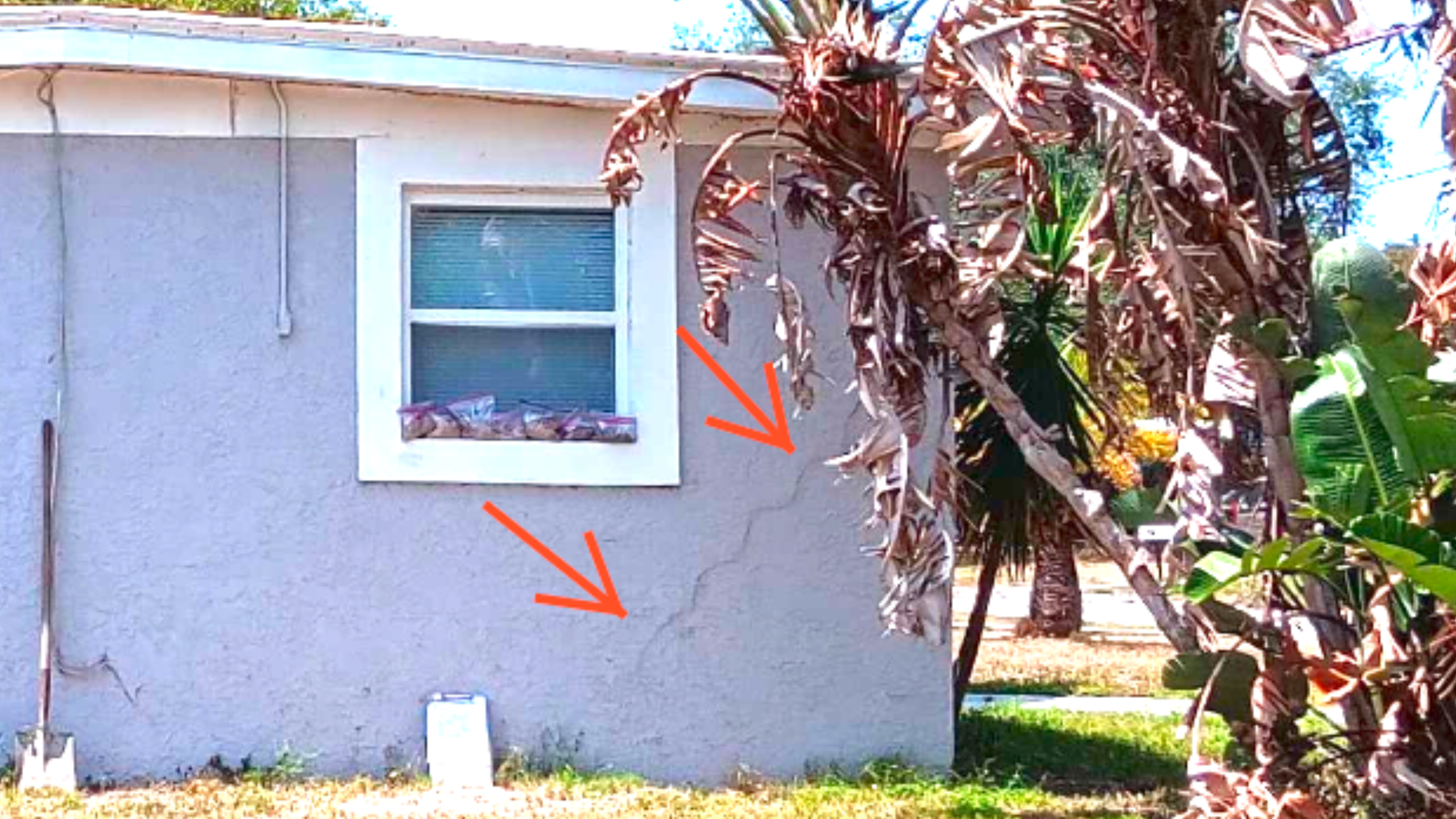
Some settlement cases involve more than just flatwork movement. If you also notice foundation cracks, sticking doors, or wall separation, the issue may involve broader structural movement.
Concrete lifting helps stabilize sunken slabs, but it does not correct serious foundation movement. A foundation specialist can determine whether the settlement is isolated to the slab or connected to deeper structural concerns.
How to Choose a Local Contractor
Choosing the right contractor matters just as much as choosing the repair method. Quality materials, proper equipment, and thorough inspections all affect the final result.
What to Look for in an Inspection and Estimate
A reliable contractor should inspect the property in person before providing an estimate. They should evaluate the slab elevation, identify possible voids, and ask questions about how the settlement developed.
A detailed estimate should explain:
- Which lifting method the contractor recommends
- What materials the crew will use
- How many drill points may be required
- What the finished surface should look like
Be cautious of contractors who provide pricing without seeing the project firsthand.
Questions to Ask About Materials, Warranty, and Timing
Before hiring a contractor, ask clear questions about the repair process and expectations.
Helpful questions include:
- What material do you recommend for this repair?
- How long will the project take?
- When can the surface handle normal use again?
- What does the warranty include?
- What conditions could lead to future settlement?
Clear answers help you compare contractors more confidently.
How to Compare Local Quotes Without Chasing the Lowest Price
Getting multiple quotes gives you a better understanding of repair options and pricing. The lowest bid does not always provide the best long-term value.
Compare contractors based on material quality, experience, warranty coverage, and repair approach. Ask whether they use high-density polyurethane foam and whether they patch drill holes with matching material.
A slightly higher quote may offer greater long-term value if it includes higher-quality materials, a clearer repair plan, and more thorough support after the work is complete.
Restoring Stability Without Major Disruption
Uneven concrete can affect both the appearance and function of your property, but many settled slabs can be repaired without full replacement. Understanding the cause of the settlement and choosing the right repair method helps you make informed decisions that support long-term stability.
At Helicon, homeowners receive clear guidance, detailed inspections, and repair recommendations tailored to Florida soil and moisture conditions. Whether the issue involves a driveway, sidewalk, patio, or pool deck, an experienced evaluation helps you understand the most practical next steps for your property.
Schedule an inspection to get a clear repair plan and learn whether concrete lifting is the right solution for your home.
Frequently Asked Questions
How do I know if I need concrete lifting or full replacement?
Concrete lifting works best when the slab is structurally sound but has settled because of soil movement or voids underneath. If the concrete is severely cracked, crumbling, or deteriorating across large sections, replacement may be the better option.
How long does concrete lifting usually take?
Most residential concrete lifting projects take only a few hours to complete. In many cases, you can use the repaired surface the same day after the material finishes curing.
What causes concrete slabs to sink over time?
Soil erosion, poor drainage, and weak soil compaction are some of the most common causes of slab settlement. Water often washes soil away beneath the concrete, creating empty spaces that allow the slab to shift downward.
Is polyurethane foam lifting better than mudjacking?
Polyurethane foam lifting allows for more precise adjustments and uses smaller drill holes than traditional mudjacking. Mudjacking may still work well in certain situations, but foam lifting often cures faster and places less weight on the underlying soil.
Can concrete lifting help improve drainage around my home?
Yes, lifting uneven slabs can help restore proper slope and direct water away from your home. Correct drainage helps reduce standing water and supports better long-term soil stability around concrete surfaces.
Will the concrete sink again after the repair?
Concrete can settle again if the original drainage or soil issues remain uncorrected. A thorough inspection helps identify contributing factors so contractors can recommend repairs that support longer-lasting results.
What should I ask during a concrete lifting estimate?
Ask which repair method the contractor recommends, what materials they plan to use, how long the project will take, and what the warranty covers. Clear answers help you compare repair options and understand what to expect before work begins.