Foundation problems often start small. A crack in the wall, a door that sticks, or a floor that feels slightly uneven. Many homeowners begin searching for how to repair a foundation when these warning signs appear, and they want to prevent the damage from getting worse.
Understanding the causes of foundation issues can help you respond quickly and avoid costly structural problems. Helicon has helped homeowners address settling foundations, cracks, and soil movement with proven repair solutions.
This guide explains how to spot early warning signs, understand repair methods, and decide when professional help is needed. You will also learn practical steps to protect your home and prevent future foundation damage.
What Is Foundation Repair?
Foundation repair means fixing damage to the structure that supports your home. Your foundation sits beneath the entire house, keeping everything level and stable. When problems appear, repairs restore strength and structural support.
Different problems require different solutions. Some repairs involve steel piers driven deep into stable soil to support the structure. Others use epoxy or polyurethane injections to seal cracks. In some cases, contractors level concrete slabs by injecting materials underneath.
The best repair method depends on your foundation type, soil conditions, and the severity of damage. Concrete slab foundations require different solutions than pier-and-beam systems.
Why Foundation Problems Occur
Soil movement causes many foundation issues. Clay soil expands when wet and shrinks during dry periods. This constant shifting can slowly move the foundation beneath your home.
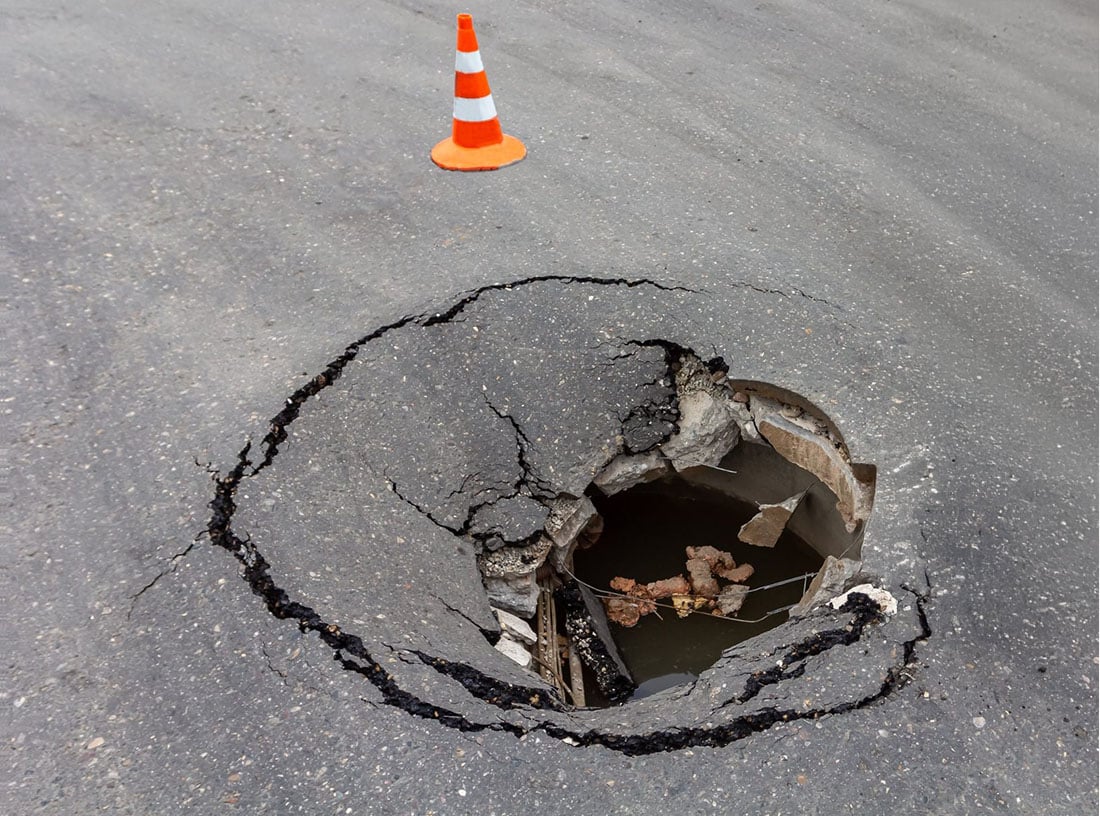
Sandy soil creates different problems. It drains quickly and can wash away, leaving empty spaces below the structure. When the soil disappears, the foundation may begin to settle.
Poor drainage can also cause trouble. Water that collects near the foundation softens soil and increases pressure on walls. Clogged gutters, poor grading, or missing downspout extensions often make the problem worse.
Tree roots may also contribute to foundation movement. Large trees absorb moisture from nearby soil. This can dry the ground around the foundation and cause settling. Plumbing leaks sometimes create hidden foundation problems. A leaking pipe under a slab or near the foundation can soften the soil and allow uneven settlement.
Common Signs Of Foundation Issues
Cracks are often the first visible sign of trouble. Look for cracks in exterior brick, interior drywall, and concrete surfaces. Vertical cracks are usually less serious than horizontal or stair-step cracks in brick walls.
Doors and windows that stick may indicate foundation movement. Gaps between doors and frames, or between windows and frames, that won’t close properly can signal shifting.
Uneven or sloping floors are another warning sign. Try rolling a ball across the floor or using a level to check for changes. Gaps between floors and walls may also indicate foundation problems.
Wall separation can appear where walls meet ceilings or where two walls connect. You may also notice molding pulling away from the wall. Other warning signs include gaps around exterior doors, cracked tile floors, basement moisture, or bowed basement walls.
Assessing Foundation Damage
Before starting repairs, you need to determine what type of damage exists and how severe it is. A careful inspection helps homeowners understand how to repair a foundation correctly and avoid unnecessary expenses.
Inspection Techniques
Start by walking around the outside of your home. Look for cracks in foundation walls and note their direction and width. Horizontal cracks often indicate more serious structural stress. Next, inspect your basement or crawl space using a flashlight. Look for moisture stains, damp areas, or white powdery residue called efflorescence.
Inside the house, use a level to check floors in multiple rooms. Watch for sloping surfaces or uneven areas. Open and close doors and windows to see if they stick. Take photos of any cracks and measure their width to track changes over time.
Identifying Severity Levels
Minor damage includes thin cracks less than 1/8 inch wide or small vertical cracks. These issues are usually cosmetic and may not require immediate repair.
Moderate damage includes cracks between 1/8 and 1/4 inch, multiple cracks in one area, or sticking doors and windows. These problems should be addressed before they worsen.
Severe damage includes cracks wider than 1/4 inch, stair-step cracks in brick, or walls that lean or bulge. These issues require immediate professional evaluation.
When To Call A Professional
If cracks exceed 1/4 inch in width or several new cracks appear quickly, contact a foundation specialist. Horizontal cracks or bowing walls also require professional inspection.
When doors and windows throughout your home suddenly stop working properly, it may signal significant foundation movement. Water pooling around your foundation or basement flooding also requires professional attention.
Specialists often use tools such as laser levels and moisture meters to diagnose structural movement. They can determine the cause and recommend the most effective repair method.
Types Of Foundation Repair Methods
Contractors choose different repair techniques depending on the damage and foundation type. Most repairs fall into three main categories: lifting sunken concrete, stabilizing the structure, and preventing water intrusion.
Slabjacking
Slabjacking raises sunken concrete slabs back into place. Contractors drill small holes into the slab and pump a lifting material underneath.
The injected material fills empty spaces below the concrete and gradually lifts the slab. Some projects use cement slurry, while others use polyurethane foam injection.
This method works well for driveways, patios, garage floors, and basement slabs. Repairs are usually completed quickly, and the surface can often be used within a day.
Piering
Piering stabilizes foundations by installing steel supports deep into stable soil layers. These piers transfer the weight of the structure away from unstable surface soil.
Steel push piers are driven vertically until they reach solid ground. Helical piers are screwed into the soil using specialized equipment. Both types attach to the foundation with steel brackets. This system stabilizes sinking structures and may even lift the foundation closer to its original position.
Sealants And Waterproofing
Sealants and waterproofing systems help prevent water intrusion. Moisture is one of the most common causes of foundation deterioration.
Contractors may inject epoxy or polyurethane into cracks to stop water infiltration. Waterproof membranes placed along exterior walls create a barrier against moisture. Drainage systems, such as French drains, redirect water away from the structure. While these methods prevent moisture damage, they do not correct major structural movement.
Step-By-Step Guide To Foundation Repair
Learning how to repair a foundation requires patience and proper preparation. Each repair project follows several important stages to ensure lasting results.
Preparing The Area
Start by clearing the work area inside and outside your home. Move furniture, decorations, and plants away from the repair zone. Items should be placed at least 10 feet away from the foundation walls. Cover nearby belongings with plastic to protect them from dust.
Before digging, contact 811 to locate underground utilities. Utility companies will mark gas, water, and electrical lines. If working in a basement or crawl space, install adequate lighting. Always wear gloves, safety glasses, and a dust mask during repairs.
Excavation And Surface Preparation
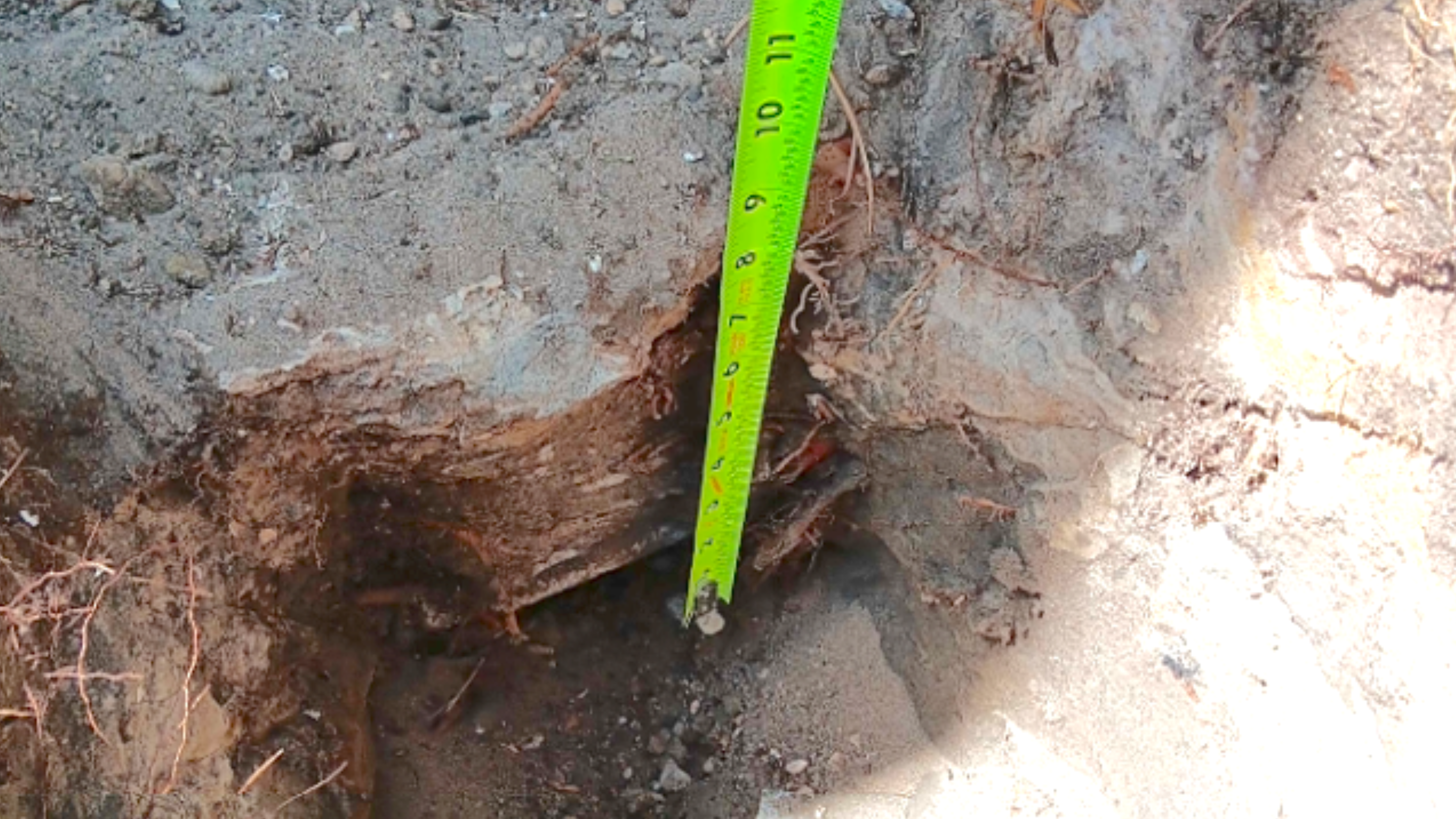
Exterior repairs often require digging a trench along the foundation wall. The trench should be wide enough to allow access to the damaged area. After excavation, clean the exposed surface using a wire brush. Remove loose concrete, dirt, and debris.
For larger repairs, pressure washing or grinding may be necessary. Allow the surface to dry completely before applying repair materials. Mark damaged areas with chalk or tape so they remain easy to identify during the repair process.
Repair Execution
Apply repair materials according to the manufacturer’s instructions. Small cracks under 1/4 inch can often be sealed with epoxy or polyurethane injection. For larger structural cracks, contractors may install carbon fiber straps or steel reinforcement systems.
Hydraulic cement can seal active water leaks quickly because it expands as it cures. Foundation settlement repairs usually involve piering or mudjacking techniques. These repairs require specialized equipment and professional installation.
Allow adequate curing time before backfilling soil or applying pressure to repaired areas. Many repairs require 24–48 hours to fully set.
Choosing The Right Solution
Selecting the correct repair method depends on soil conditions and the type of foundation problem.
Assessing Soil Conditions
Soil type plays a major role in foundation stability. Clay soil expands and contracts with changes in moisture. Sandy soil drains quickly but may not support heavy loads effectively.
Rocky soil is stable but harder to excavate. A professional soil test can reveal moisture levels and load-bearing capacity. This information helps determine the best long-term repair solution.
Matching Repair Methods To Problem Types
Different foundation problems require different repair solutions. Understanding the cause of the damage helps determine the most effective repair method and ensures long-term structural stability.
Minor Cracks
- Problem: Small cracks can appear due to minor settling or natural concrete shrinkage.
- Solution: These cracks are often repaired with sealants or epoxy injections that restore strength and prevent moisture intrusion.
Sinking Foundations
- Problem: Foundation settlement usually occurs when soil beneath the structure shifts or loses support.
- Solution: Underpinning systems, such as steel push piers or helical piers, are installed to transfer the home’s weight to deeper, more stable soil.
Water-Related Damage
- Problem: Poor drainage or excess moisture can weaken the soil around the foundation.
- Solution: Repairs often involve improving drainage systems, installing French drains, or applying waterproofing solutions to protect the structure.
Bowing Walls
- Problem: Hydrostatic pressure from saturated soil can cause basement walls to bow inward.
- Solution: Structural supports such as wall anchors, steel braces, or carbon fiber reinforcement help stabilize and strengthen the walls.
Choosing the correct repair method ensures long-lasting structural stability and helps prevent future foundation damage.
DIY Vs. Professional Foundation Repair
Some repairs are manageable for homeowners, while others require professional expertise.
Risks And Challenges
DIY repairs are usually limited to small cosmetic cracks under 1/4 inch wide. Attempting larger structural repairs can create serious risks, including:
- Missing hidden structural damage
- Using incorrect materials
- Creating safety hazards
- Voiding insurance or home warranties
- Reducing property value if repairs fail
Professionals use specialized equipment such as hydraulic jacks and structural piers. They also understand how soil conditions affect foundation movement.
Cost Considerations
DIY crack repairs typically cost $50 to $200 for materials. Professional foundation repairs usually range from $2,000 to $7,000 for moderate issues. Major structural repairs may cost $10,000 to $40,000.
Professional services often include warranties, inspections, and documentation that protect property value. Many contractors offer free inspections and payment plans to make repairs more manageable.
Cost Factors In Foundation Repair
Foundation repair costs vary depending on materials, labor, and the complexity of the problem.
Material Expenses
Crack Repair Materials — $300 to $800: These materials typically include epoxy or polyurethane injections used to seal small foundation cracks. The cost varies depending on the size and number of cracks that need repair.
Steel Piers — $1,000 to $3,000 per pier: Steel push piers or helical piers are used to stabilize sinking foundations. Costs depend on the depth required to reach stable soil and the number of piers needed to support the structure.
Concrete Slab Repair Materials — $1.50 to $12 per square foot: Concrete used for slab leveling or repair varies in price based on the repair method and the size of the affected area.
Additional Structural Materials — Costs vary by project: Materials such as waterproof membranes, hydraulic cement, and carbon fiber reinforcement may increase overall repair costs.
These products are used to strengthen foundation walls, stop water intrusion, and improve long-term structural stability.
Labor And Equipment Costs
Labor is usually the largest expense in foundation repair projects. Contractors may charge $75 to $200 per hour, depending on the job’s location and complexity.
Heavy equipment such as excavators, hydraulic jacks, and soil stabilization tools increases project costs. Urban areas may also have higher labor rates due to increased demand.
Preventing Future Foundation Issues
Preventative maintenance helps reduce the likelihood of future repairs. Consistent care and proper drainage protect the soil and structure supporting your home.
Drainage Best Practices
Water is one of the most common causes of foundation damage. Managing drainage around your home helps reduce soil movement and structural stress.
Checklist:
- Clean gutters and downspouts at least twice per year.
- Ensure downspouts direct water at least 5 feet away from the foundation.
- Maintain proper grading so that soil slopes about 6 inches over the first 10 feet away from the house.
- Install French drains or splash blocks in areas where water tends to collect.
Routine Foundation Maintenance
Regular inspections help identify small issues before they become expensive repairs.
Maintenance Tips:
- Inspect your home periodically for new cracks or structural changes.
- Maintain consistent soil moisture during dry weather using a soaker hose placed near the foundation.
- Trim trees and shrubs that grow too close to the structure.
- Monitor water bills for unexpected increases that may indicate hidden plumbing leaks.
Maintaining Your Foundation After Repairs
Proper care after repairs helps protect your investment and prevent recurring foundation problems.
Monitoring For Recurring Issues
Regular monitoring allows homeowners to catch new structural changes early.
Inspection Checklist:
- Inspect the foundation every few months for new cracks or movement.
- Check doors and windows for sticking or alignment problems.
- Walk around the home’s exterior and inspect the brick, siding, and foundation surfaces.
- Take photos during inspections to track any structural changes over time.
Long-Term Care Recommendations
Consistent maintenance supports long-term foundation stability.
Best Practices:
- Keep gutters clean and confirm downspouts move water away from the foundation.
- Maintain stable soil moisture during extended dry periods.
- Trim vegetation growing within 10 to 15 feet of the structure.
- Repair plumbing leaks quickly to prevent soil erosion beneath the foundation.
- Schedule a professional inspection every two to three years to detect early warning signs.
How To Hire A Foundation Repair Contractor
Choosing the right contractor ensures repairs are completed safely and correctly.
Contractor Selection Checklist
When evaluating contractors, look for the following qualifications:
- A valid state license for foundation repair services.
- At least five to ten years of experience in structural repair work.
- Liability insurance and workers’ compensation coverage.
- Positive online reviews and references from past customers.
- A written warranty covering both materials and labor.
Questions To Ask Before Hiring
Before signing a contract, ask questions that clarify the repair plan and project expectations.
Important Questions:
- How will you diagnose my specific foundation problem?
- Can you provide a detailed written estimate with materials, labor, and timeline?
- Why is this repair method recommended for my situation?
- Will your crew perform the work, or will subcontractors be involved?
- What is the payment schedule, and when is payment due?
Avoid contractors who request full payment before starting the project, as reputable companies typically require only a deposit.
Understanding Warranties And Insurance
Foundation repair investments should include protection through warranties and insurance coverage.
What Foundation Repair Warranties Cover
Most warranties cover repairs if the same problem occurs again.
Review the following details before signing a contract:
- Length of warranty coverage
- Repairs included in coverage
- Transferability to future homeowners
- Conditions that may void the warranty
Understanding these details ensures your investment remains protected.
Understanding Your Insurance Options
Standard homeowner insurance usually does not cover foundation repairs. However, damage caused by covered events such as burst pipes or natural disasters may qualify. Contact your insurance provider to confirm whether your situation is eligible for coverage.
Protecting Your Home With Proper Foundation Care
Learning how to repair a foundation helps homeowners protect one of the most important parts of their property. Understanding early warning signs, repair options, and maintenance strategies allows you to act before damage becomes severe.
A professional evaluation can provide clarity when structural issues appear. Experienced companies like Helicon specialize in diagnosing foundation problems and recommending effective repair solutions.
If you suspect foundation damage, schedule an inspection and address problems early. Taking action today can prevent the need for larger repairs and help maintain your home’s long-term stability.
Frequently Asked Questions About Foundation Repair
What Causes Foundation Damage In Homes?
Foundation damage usually happens because of soil movement, moisture changes, or poor drainage around the home. Clay soils expand when wet and shrink when dry, which can push or pull on the foundation over time. Plumbing leaks, heavy rainfall, and tree roots can also change soil conditions and cause settling.
What Are The First Signs Of Foundation Problems?
Early warning signs often appear inside the home before structural damage becomes severe. Common indicators include wall cracks, doors that stick, uneven floors, or gaps around windows. Outside the home, stair-step cracks in brick or visible foundation cracks may signal movement.
Can Small Foundation Cracks Be Repaired?
Yes, many small cracks can be repaired using epoxy or polyurethane injections. These materials seal the crack and help prevent water intrusion. However, if cracks grow larger or appear repeatedly, a professional inspection may be necessary.
How Long Does Foundation Repair Take?
Most foundation repairs take one to several days, depending on the method and severity of damage. Simple crack repairs may be completed within a few hours. Larger structural repairs, such as installing piers, can take several days.
How Much Does Foundation Repair Usually Cost?
Foundation repair costs vary depending on the damage and repair method. Minor repairs may cost a few hundred dollars, while structural repairs involving piers or underpinning can cost several thousand dollars. The final price often depends on labor, materials, and how accessible the foundation is.
Can I Perform Foundation Repair Myself?
Homeowners can sometimes repair minor cosmetic cracks using sealants or epoxy kits. However, structural repairs involving settlement, bowing walls, or major cracks usually require professional equipment and expertise. Attempting complex repairs without training may cause additional damage.
How Can I Prevent Future Foundation Problems?
Preventative maintenance plays a major role in protecting your foundation. Keep gutters clean, ensure proper drainage away from the home, and maintain consistent soil moisture. Regular inspections can also help catch small issues before they become expensive repairs.
When Should I Call A Foundation Repair Specialist?
You should contact a specialist if you notice large cracks, multiple cracks forming quickly, bowing walls, or major floor slopes. Persistent sticking doors and windows or water pooling near the foundation are also warning signs. A professional inspection can determine the cause and recommend the most effective repair solution.