
Odessa, Florida
The Project
The Challenge
The Solution
FREE INSPECTION REQUEST

Market: Residential / HOA
Solution: Concrete Repair & Soil Stabilization
Services: Two‑Part Structural Polyurethane Injections (Soil and Slab)
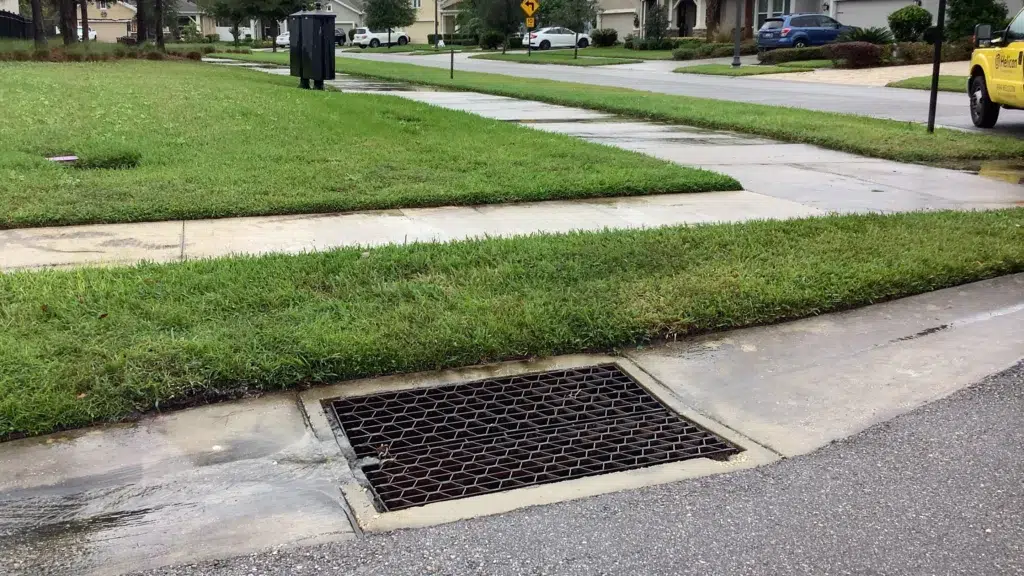
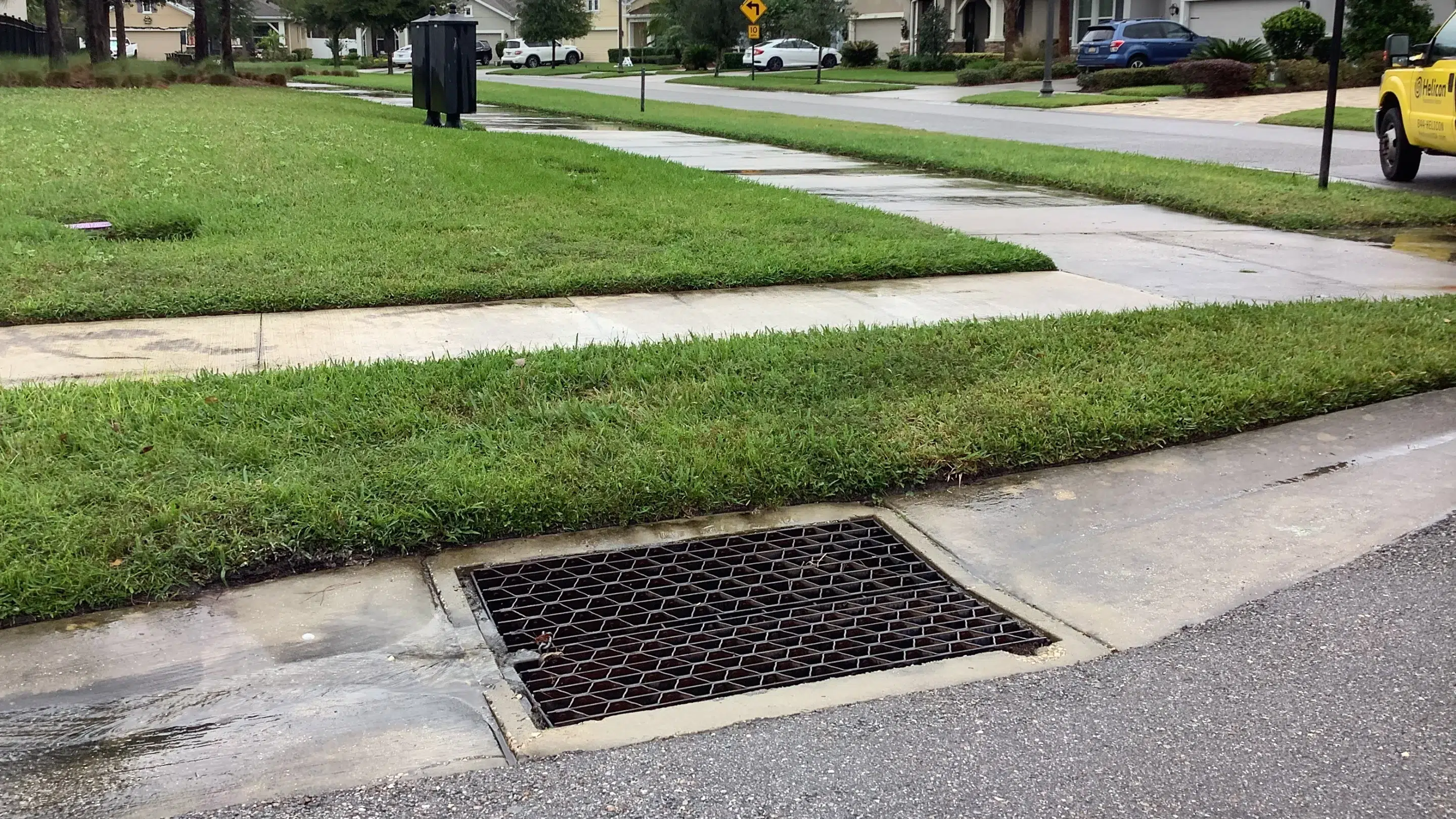
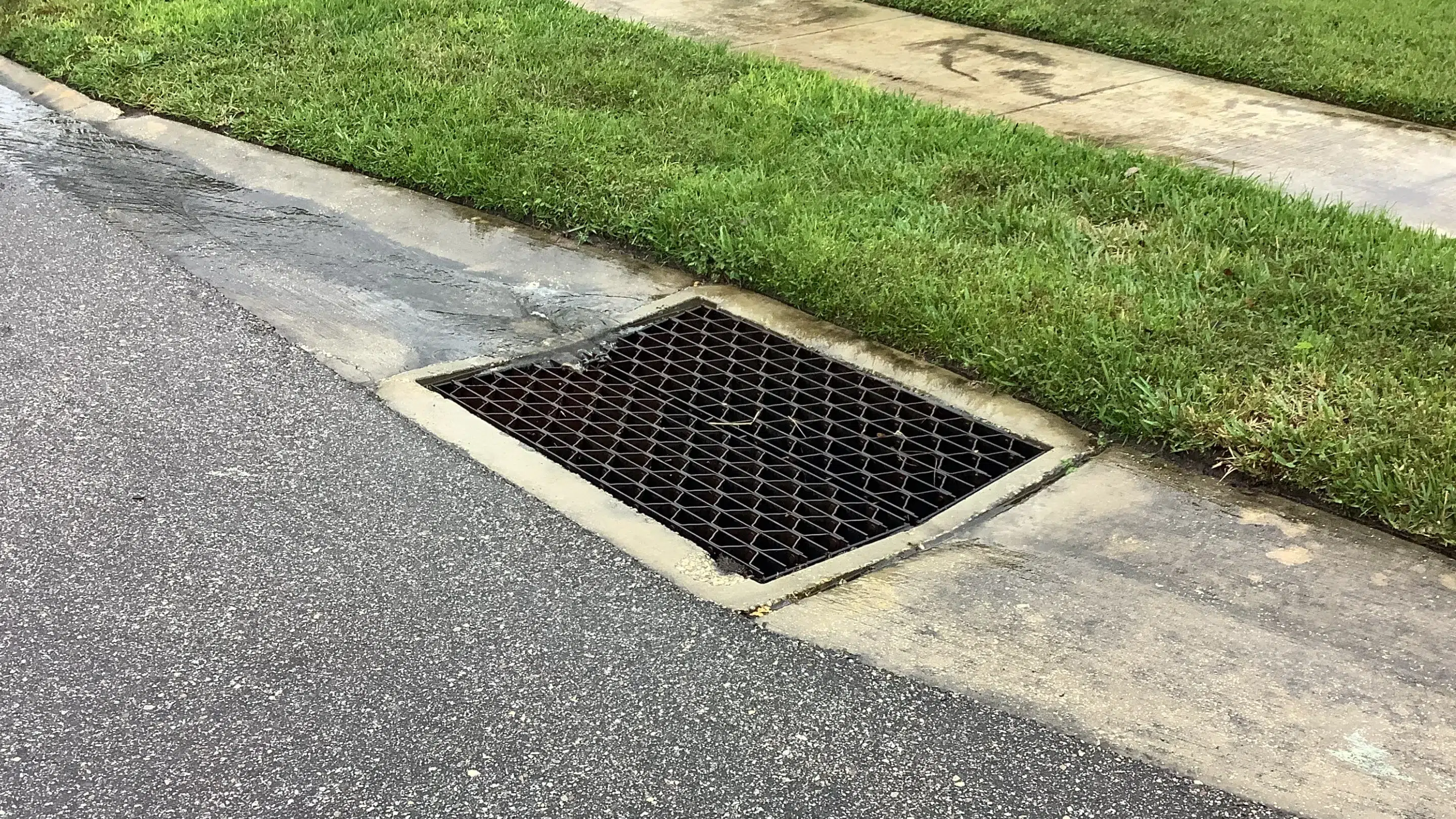
Assets: HOA road segments, a pedestrian walkway approaching a culvert/bridge, and adjacent hardscape susceptible to settlement.
Objectives:
Pre‑Work Indicators:
– Differential settlements causing ponding and rutting in select road lanes.
– Edge separations and raised lips at sidewalk/pedestrian approach panels near the culvert.
– Hollow sounding on percussion testing, confirming voids beneath the pavement/walk at scattered points.
Context: The HOA planned to flush/maintain culverts and then have an asphalt contractor correct surface dips. Their board selected Helicon to stabilize soils first so the overlay would be placed on a consistent, re‑supported base rather than on bridging panels and loose fill.
This community presented three practical constraints that informed our design and sequencing:
Helicon deployed a mapped injection plan that paired soil injections (to densify and lock the shallow matrix) with slab interface injections (to restore contact and reduce trip edges). Two‑part polyurethane is mixed at the port, flows to low‑resistance paths (voids and loose pockets), then reacts and expands, creating a soil‑foam matrix that transmits load uniformly into the ground.
Why Polyurethane vs. Other Options
Results & Benefits
Why Stabilize Before Asphalt?
Paving over a weak base is a short‑term fix. When pavements bridge over voids, asphalt quickly reflects the movement as new ruts and cracks. By stabilizing soils first—closing voids and increasing stiffness—you restore the load path from vehicles and pedestrians through the slab into a reliable matrix. Surface work can then focus on ride quality and drainage rather than structural support.
HOA Board & Property Manager FAQs
Can you guarantee that dips won’t return after paving?
Stabilization addresses the subgrade cause at treated locations. Future performance depends on drainage, traffic loads, and adjacent utilities, but treating the base first is the best defense against recurrence.
Why not lift the roadway panels aggressively?
Road pavements are typically continuous sections. Large lifts can create abrupt transitions or induce cracking. Our goal was contact restoration and matrix tightening so the asphalt contractor can make smooth profile corrections.
How do you handle utilities near culverts?
We use short, controlled injections, confirm utility alignments, and stage shots away from sensitive crossings to avoid migration into conduits or joints.
What about future maintenance?
Maintain surface drainage, keep culverts clear, and plan periodic overlays on a stabilized base instead of reacting to recurring dips.
Helicon is Florida’s trusted partner for soil stabilization, concrete lifting, foundation repair, and sinkhole remediation. We serve HOAs, property managers, and municipalities across Pasco County and Greater Tampa Bay, delivering engineered, minimally disruptive solutions that protect infrastructure and budgets.
Managing dips, ruts, or trip edges in your HOA or community? Helicon’s polyurethane soil stabilization and concrete lifting methods can fill voids, tighten soils, and restore contact—often in a single mobilization. Call 844‑HELICON to schedule a free inspection and get a plan aligned with your schedule.
FREE INSPECTION REQUEST