Saltwater erosion and seawall damage can quietly threaten your coastal property. What starts as minor cracks or rust stains can turn into soil loss, wall movement, and costly repairs. Many homeowners do not realize there is a problem until visible damage appears.
In Florida’s harsh marine environment, daily tides and salt exposure accelerate wear on concrete and steel. At Helicon, we often see seawalls that look stable on the surface but have hidden deterioration behind them. Without early attention, small issues can grow into structural concerns.
This guide explains how saltwater erosion damages seawalls, what warning signs to watch for, and how to respond. You will learn practical prevention steps and when professional evaluation makes sense. With the right knowledge, you can protect your waterfront investment with confidence.
What Is Saltwater Erosion?
Saltwater erosion happens when saltwater wears away at your seawall materials over time. The salt in ocean water causes chemical reactions that weaken concrete, metal, and other building materials.
When saltwater touches your seawall, it isn’t just washing over the surface. The salt gets into tiny cracks and pores. As water evaporates, salt crystals form and expand. This creates pressure inside the material and makes cracks bigger. The process is slow but relentless.
Even when waves aren’t crashing, the salt keeps working. Metal components rust faster in saltwater conditions. Concrete loses its strength as salt breaks down the chemical bonds inside. It’s a battle you can’t see, but it’s always happening.
Causes Of Saltwater Erosion
Several forces work together to cause saltwater erosion and seawall damage. Wave action pounds against the structure, pushing saltwater deep into any weak spots.
Tidal cycles create a wet-dry pattern that speeds up damage. High tide lets water soak in. Low tide leaves salt behind as the water evaporates.
This repeated cycle breaks down materials much faster than if they stayed wet or dry all the time. It is relentless.
Common causes include:
- Abrasion from sand and rocks carried by waves
- Chemical reactions between salt and concrete or metal
- Water pressure pushing through cracks
- Temperature changes causing materials to expand and contract
Poor drainage behind your seawall makes erosion worse. Water buildup creates extra pressure and gives saltwater more time to do its damage.
Impact On Coastal Structures
Saltwater erosion weakens your seawall’s ability to protect your property. Small cracks turn into larger gaps that let water flow behind the wall.
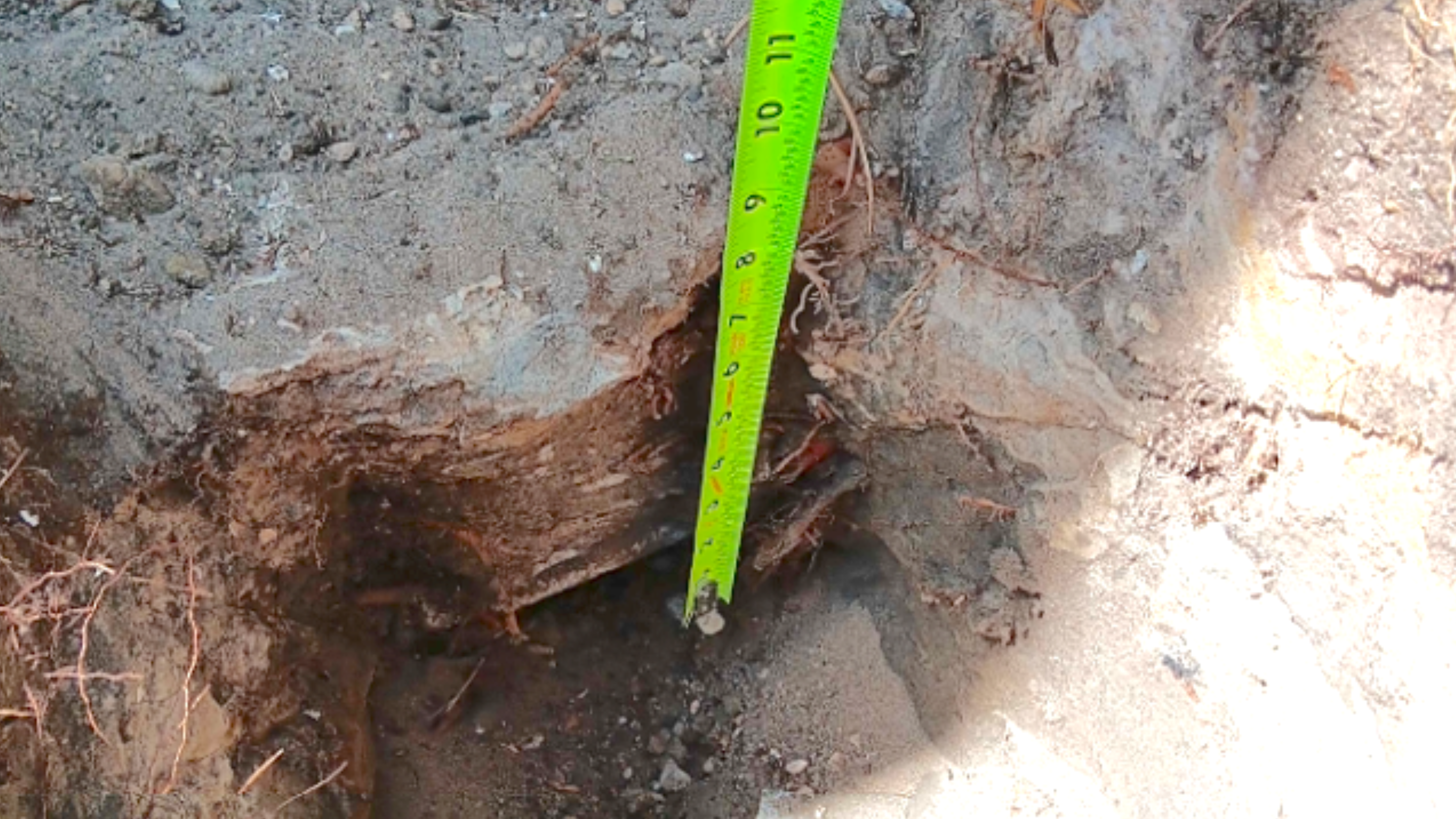
This water washes away soil and creates voids under and behind the structure. The damage often starts small and goes unnoticed. You might see slight discoloration or tiny cracks first. These minor signs point to bigger problems developing inside the wall materials.
If left alone, erosion leads to serious issues. Your seawall can shift out of alignment or develop major cracks.
The structure may lean or even collapse in sections, putting your waterfront property at risk of flooding and land loss.
Metal reinforcement bars inside concrete seawalls corrode from salt exposure. As they rust, they expand and crack the concrete from the inside. This internal damage is hard to spot until things get really bad.
How Saltwater Erosion Damages Seawalls
Saltwater attacks your seawall through chemical breakdown, constant physical grinding, and progressive weakening of the entire structure. These processes work together, wearing down your coastal barrier.
Chemical Reactions In Seawall Materials
Minerals in seawater react with concrete and metal components inside your seawall. Salt penetrates small pores in the concrete and reaches the steel reinforcement bars.
When salt meets steel, it causes rust that expands and cracks the concrete from within. Chloride ions in saltwater also break down the chemical bonds that hold concrete together.
This makes the material softer and more porous over time. Your seawall stays wet from daily tides and storms, which speeds up these reactions.
Joints and sealants between seawall sections also deteriorate from salt exposure. Once weak spots form, more water gets inside, and the damage spreads quickly.
Physical Wear And Abrasion
Waves carry sand, shells, and small rocks that constantly scrub against your seawall surface. This grinding action slowly wears away the outer protective layer. Each tide cycle and storm brings more abrasive particles that chip away at the concrete. The force of waves hitting your seawall creates pressure that loosens materials over time.
Strong storms and high tides put extra stress on already weakened areas. Even normal wave action gradually removes small bits of material from the surface.
Water flowing around and behind your seawall washes away the soil that supports it. This creates voids and gaps that leave sections unsupported and more likely to crack or collapse.
Long-Term Structural Effects
Your seawall develops cracks and gaps as chemical and physical damage builds up over months and years. These openings let more water reach the soil behind the wall. Soil washes away, creating larger voids. The wall begins to lean, sink, or separate at the joints.
Steel components become brittle and weak from ongoing corrosion. The concrete loses its strength and can crumble when touched in severely damaged spots.
You might notice the top of your seawall dipping or sections pulling away from each other. Without repair, the whole structure can fail and collapse into the water.
Common Signs Of Seawall Damage
Seawall damage often starts small but can quickly turn into major problems if you don’t catch it early. The most common warning signs include visible cracks in the concrete, rust marks bleeding through the surface, and soil washing away behind the wall.
Cracks And Spalling
Cracks are often the first sign your seawall is struggling. Small hairline cracks might seem harmless, but they let saltwater seep into the concrete.
This creates bigger problems over time. Spalling happens when the concrete surface starts to flake, chip, or break apart.
You’ll notice pieces of concrete falling off or the surface looking rough and pitted. This usually happens after water gets into small cracks and breaks down the material from the inside.
Watch for these crack patterns:
- Horizontal cracks running along the wall
- Vertical cracks from top to bottom
- Spiderweb patterns spreading across sections
- Gaps between seawall panels or joints
The size of the crack matters. Cracks wider than a quarter inch need immediate attention. Even smaller cracks can grow quickly in saltwater environments because the salt speeds up deterioration. Do not ignore them.
Rust Stains And Corrosion
Rust stains show up as orange or brown streaks running down your seawall. These stains mean that metal reinforcement bars inside the concrete are corroding.
Saltwater is especially tough on metal components. When metal rusts, it expands and pushes against the concrete from inside. This creates pressure that makes existing cracks worse and forms new ones. You might also see the metal itself if the concrete has broken away enough.
Tie-backs and anchors are particularly vulnerable to corrosion. These are the metal rods that hold your seawall in place. If they rust through, your entire wall can fail. Check any visible metal parts regularly for pitting, flaking, or a crusty appearance.
Soil Erosion Behind The Wall
The ground behind your seawall should stay level and firm. If you notice the soil sinking or developing low spots, water is washing away the dirt from behind the wall.
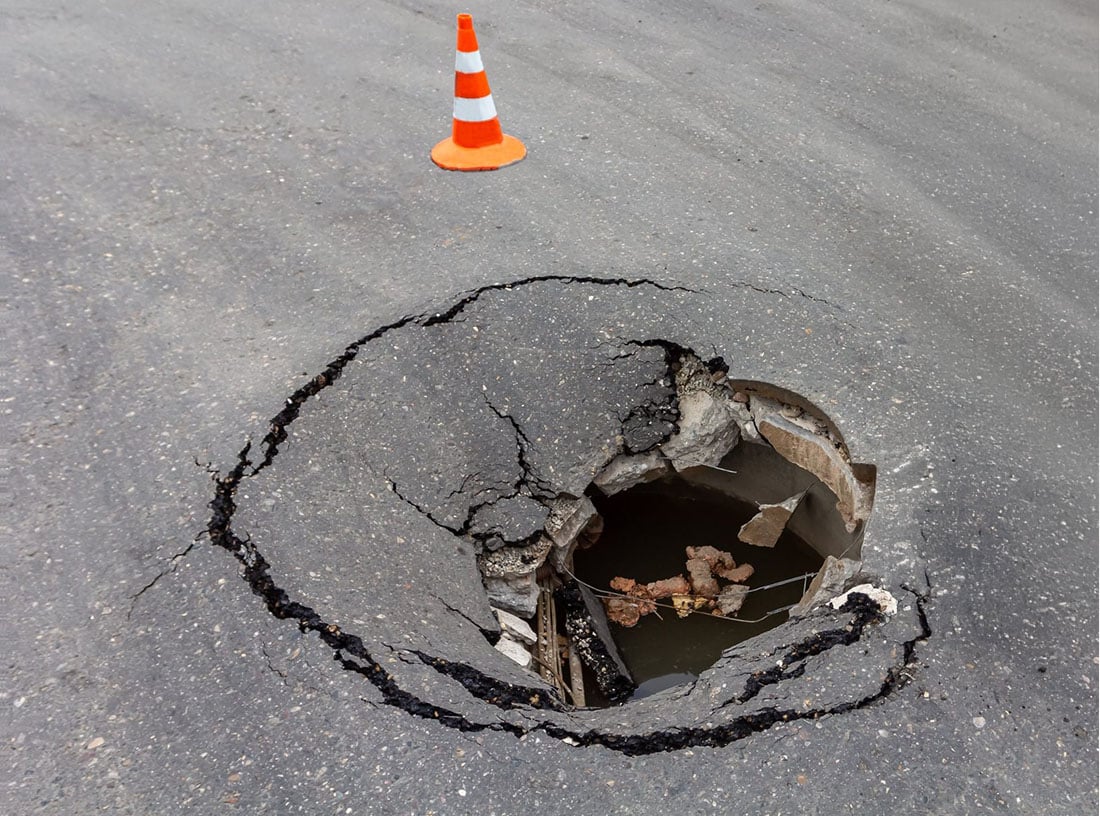
This is called undermining. Sinkholes or depressions near the seawall mean the problem is serious. The wall loses its support as soil erodes, which can cause it to lean, shift, or collapse. You might also see water pooling in these sunken areas after rain.
Look for gaps forming between the top of the seawall and the ground level. A growing gap means soil is disappearing. Sometimes you’ll spot small streams of dirt or sand washing through cracks in the wall during high tide or storms.
Prevention And Protection Strategies
Protecting your seawall from saltwater erosion and seawall damage means applying the right coatings, keeping up with maintenance, and using smart design features. These approaches work together to extend your seawall’s life and reduce expensive repairs.
Protective Coatings
Coating your seawall creates a barrier between the concrete or stone and corrosive saltwater. Epoxy-based coatings resist water penetration and protect the material underneath from salt damage.
You should apply waterproof sealants every few years to maintain protection. These products fill small cracks and pores in the seawall surface where saltwater could enter.
Marine-grade coatings designed specifically for saltwater environments offer better protection than standard products. The coating acts like a shield that keeps harmful chemicals away from the seawall structure.
When the protective layer wears down, the underlying material becomes exposed to direct saltwater contact. This speeds up erosion and rust formation in any steel reinforcements inside the wall.
Regular Maintenance
Inspect your seawall at least twice a year. Look for visible cracks, gaps between sections, bulging areas, or rust stains that indicate damage.
Clean your seawall regularly to remove salt buildup, algae, and debris. Salt crystals left on the surface can draw moisture into the material and cause deterioration.
You can use a pressure washer with fresh water to rinse away accumulated salt. Fix small cracks immediately before they grow larger.
Water entering through tiny openings can expand during temperature changes, making cracks worse. Early repairs cost much less than waiting until major structural damage occurs.
Design Improvements
Modern seawalls use features that reduce saltwater exposure and damage. Drainage systems behind the wall prevent water from pooling and creating constant pressure on the structure.
Using corrosion-resistant materials like stainless steel or fiberglass reinforcements prevents rust problems. Traditional steel rebar rusts when exposed to saltwater, which causes the concrete to crack and break apart.
Proper height and thickness specifications ensure your seawall can handle wave action and tidal forces. A wall built too thin or short will fail faster under saltwater conditions.
Installing a cap or coping at the top of the wall directs water away from vulnerable joints and seams. Small design details make a measurable difference over time.
Repairing And Replacing Damaged Seawalls
Fixing saltwater erosion seawall damage starts with a thorough inspection to identify problem areas. The repair method you choose depends on the type and severity of damage. Complete replacement becomes necessary when structural integrity is compromised beyond repair.
Assessment And Inspection
Inspect your seawall at least twice a year to catch problems early. Look for visible cracks in the concrete or masonry, gaps between panels, and areas where soil is washing out from behind the wall.
Check for signs of tilting or leaning, which usually means foundation problems. Examine the cap and joints for deterioration. Take photos and notes during each inspection to track changes over time. Pay special attention to areas below the waterline where damage is harder to spot. If you notice water pooling on your property or sinkholes forming near the seawall, these are red flags that erosion is happening behind the structure.
Consider hiring a professional inspector if you are unsure about the severity of damage. They can use specialized equipment to check for hidden issues like voids behind the wall or weakened support structures.
Repair Techniques
Crack filling works well for minor surface damage. You can use polyurethane grouts or marine-grade epoxy to seal small cracks and prevent water intrusion.
These materials expand to fill voids and create a watertight seal. For erosion behind the seawall, contractors inject polyurethane foam or grout to fill empty spaces and stabilize the soil.
This technique stops further washout without requiring major construction work. Spalling concrete needs patching with specialized marine concrete that can withstand saltwater exposure. You will need to remove loose material first, then apply the new concrete in layers.
Reinforcement options include:
- Installing tie-backs to anchor the wall more securely
- Adding steel bracing for extra support
- Applying protective coatings to prevent future corrosion
- Placing riprap or concrete units at the base to absorb wave energy
When To Consider Replacement
You should think about replacing your seawall when repairs are no longer effective. If the wall leans more than 10 degrees from vertical, the structure may be too compromised for simple fixes.
When you see multiple large cracks or widespread deterioration, the materials may have reached the end of their service life. Most seawalls last between 20 and 50 years, depending on materials and maintenance. If repair costs approach more than half the price of a new seawall, replacement may be the more practical option. Updated building codes may also require stronger, taller structures.
Delaying replacement increases the risk of land loss, nearby foundation damage, or structural collapse during a major storm.
Protect Your Waterfront Investment
Saltwater erosion and seawall damage develop slowly but can lead to major structural issues if left unchecked. Early signs like cracks, rust stains, and soil loss should never be ignored.
Understanding how saltwater affects concrete, steel, and supporting soil helps you take practical steps to extend your seawall’s life. Preventive maintenance and timely repairs make a meaningful difference.
At Helicon, we help coastal property owners evaluate seawall conditions and recommend practical repair or replacement options. If you are concerned about saltwater erosion and seawall damage, schedule a professional inspection to protect your waterfront property with confidence.
Seawall Damage FAQs
What Causes Saltwater Erosion Seawall Damage?
Saltwater erosion and seawall damage are caused by constant exposure to waves, tides, and salt. Salt penetrates small cracks in concrete and accelerates corrosion in metal reinforcement.
Over time, this combination of chemical breakdown and physical wave action weakens the structure and reduces its ability to hold back soil and water.
How Do I Know If My Seawall Is Failing?
Common warning signs include horizontal or vertical cracks, rust stains, spalling concrete, and soil sinking behind the wall. You may also notice gaps forming between panels or sections leaning out of alignment. If these symptoms appear, a professional inspection can determine whether repairs or stabilization are needed.
How Long Does A Seawall Typically Last?
Most seawalls last between 20 and 50 years. Lifespan depends on construction materials, installation quality, exposure to saltwater, and maintenance. Regular inspections and early repairs can significantly extend the service life of your seawall.
Can Saltwater Erosion Seawall Damage Be Repaired?
Yes, many cases of saltwater erosion and seawall damage can be repaired if caught early. Crack sealing, soil stabilization, and reinforcement systems are common solutions. However, widespread deterioration or major structural movement may require partial or full replacement.
How Can I Prevent Future Seawall Damage?
Preventive steps include applying marine-grade protective coatings, maintaining proper drainage behind the wall, and scheduling routine inspections. Cleaning salt buildup and repairing small cracks quickly can reduce long-term deterioration and help protect your waterfront property.