Cracks, leaning sections, and erosion can make seawall repairs feel urgent and expensive. Cheap seawall repair should still protect your property, not create new problems.
Helicon helps homeowners spot what’s truly structural versus what can be fixed with targeted, affordable repairs.
This guide covers warning signs, cost-effective repair options, and when DIY is safe versus when to call a pro.
What Does Cheap Seawall Repair Mean?
Cheap seawall repair means finding affordable ways to fix damage while still keeping your property safe. It isn’t about cutting corners or using junk materials that’ll just fail again.
Budget-friendly repairs usually cost $300 to $600 per linear foot. These options work best for things like small cracks, surface erosion, or a little bowing. If you catch problems early, you’ll save a bundle. A simple crack repair might run $500 to $2,000, but replacing full panels? That can hit $10,000 or more.
The most affordable approach is a mix of good timing and the right repair. Filling cracks, patching concrete, or reinforcing joints keeps costs down. You’ll spend less if you address issues before they turn into big headaches.
Types of Cost-Effective Seawall Materials
Concrete is still one of the cheapest seawall materials out there. It’s tough, easy to patch up, and generally costs less than other options. You can repair concrete seawalls without replacing whole sections.
Vinyl sheet piling is another wallet-friendly choice. It resists corrosion and takes less maintenance than steel. While the upfront price is moderate, you’ll save over time on repairs. Steel sometimes makes sense for certain fixes. It’s strong and easy to find, though it can rust in salty water.
Riprap—those big rocks—is one of the cheapest ways to control erosion. This natural barrier costs less to install and needs hardly any maintenance. It’s great for low-energy shorelines, but not right for every property.
Each material comes with its own price tag and lifespan. Concrete repairs might run $40 to $80 per square foot, while vinyl sheet installation is $100 to $200 per linear foot.
Common Causes of Seawall Damage
Water pressure is the main villain here. Soil behind the wall holds water, which constantly pushes against the structure. That pressure cracks, bows, and eventually wrecks seawalls.
Wave action and tides wear down seawall materials over time. Every wave chips away at the structure. High-energy coastlines see seawalls break down even faster.
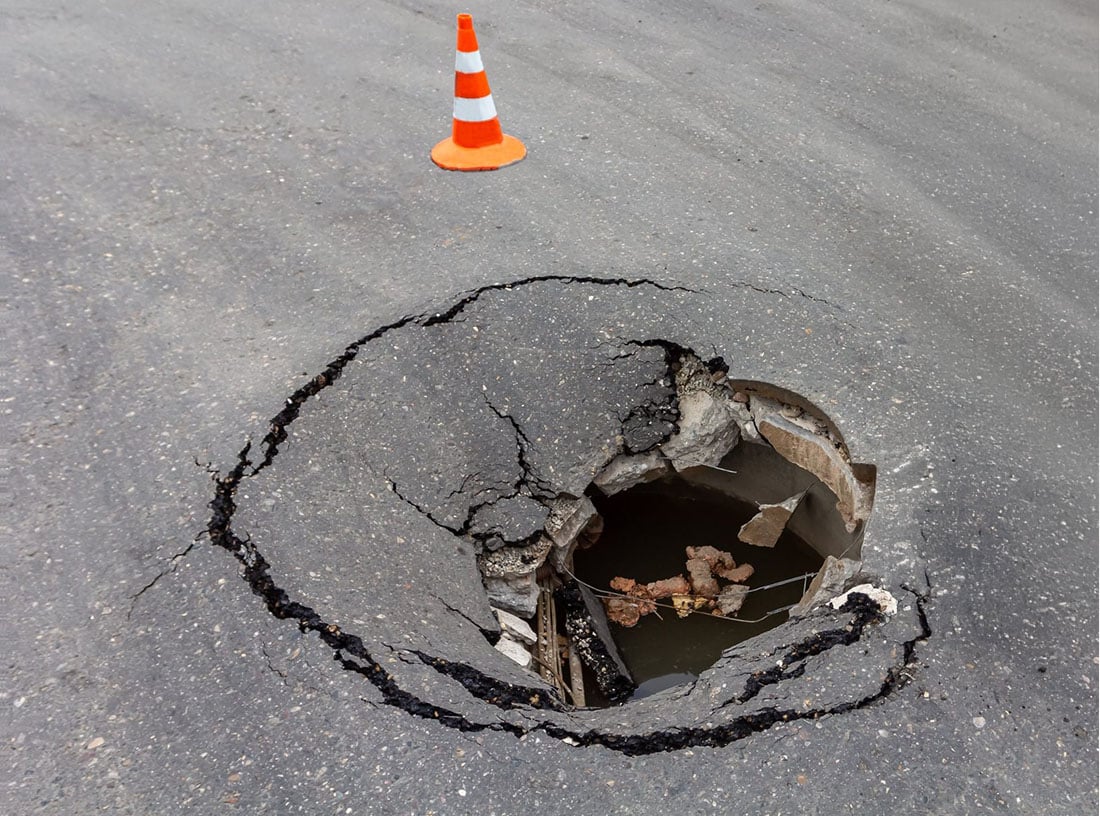
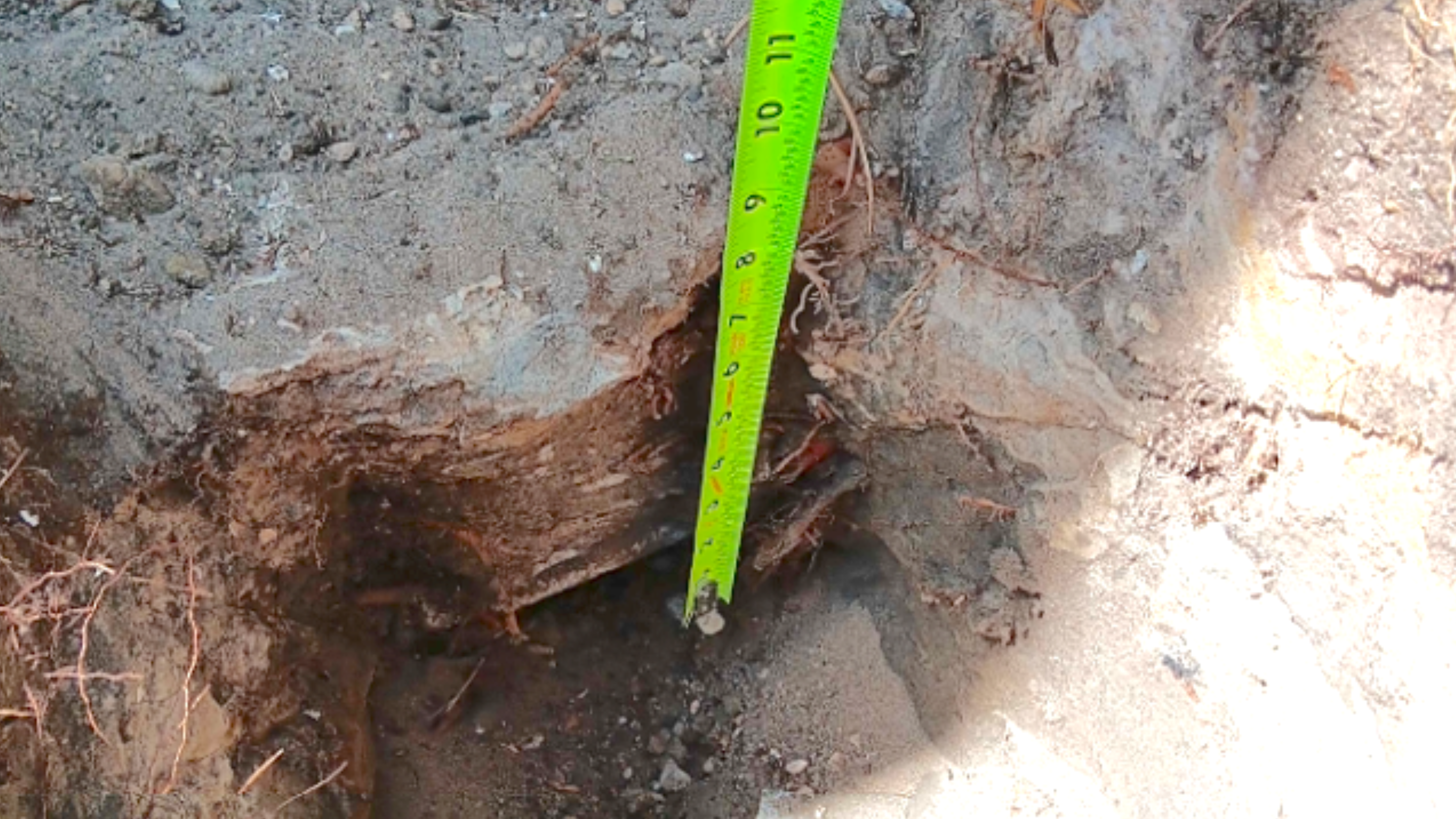
Soil erosion behind and under the seawall removes the support it needs. When soil washes away, you get voids that mess with the wall’s stability. You might spot sinkholes or your yard starting to settle.
Corroded tiebacks and anchors lose their grip. These metal parts rust in saltwater, letting the wall pull away from its anchors. Bad drainage traps water behind the wall. Without weep holes or good drainage, pressure builds up and damages the structure faster. Regular inspection helps you catch these issues before they get expensive.
Affordable Seawall Repair Methods
Several repair methods can fix seawall damage without the crazy cost of full replacement. Patching small problems early, installing modern panel systems, and stabilizing the soil behind your wall can extend its life and keep your budget in check.
Patch And Seal Techniques
Small cracks and holes in your seawall don’t always need a major overhaul. You can fix minor damage with epoxy injections, marine-grade sealants, and hydraulic cement patches.
These materials work on concrete and masonry seawalls. They block water from getting through and stop damage from spreading. The process is pretty straightforward—no heavy equipment needed.
Fix cracks as soon as you spot them. Water sneaking through tiny holes can freeze and expand, making things worse. A crack that costs $200 to seal now could turn into a $2,000 repair next year.
Common patch materials:
- Epoxy resin for structural cracks
- Polyurethane sealants for joints
- Hydraulic cement for leaks
- Marine-grade caulk for surface sealing
Vinyl and Composite Panel Installation
Vinyl and composite panels are a modern twist on the old concrete or steel approach. They’re cheaper to install and don’t rust in saltwater.
Panels run about $50 to $150 per linear foot installed, compared to $200 to $400 for concrete work. They’re lighter than concrete, so labor and equipment costs drop. Lots of systems use interlocking designs that make installation quicker.
These materials don’t rust or corrode like steel. They also flex a bit during storms, which helps them absorb wave energy instead of cracking. That flexibility means fewer repairs down the road.
Soil Stabilization Solutions
Voids and loose soil behind your seawall can make it lean, crack, or even collapse. Polyurethane foam injection fills those empty spaces and firms up loose soil—no digging required.
The process involves drilling small holes and shooting in expanding foam. It hardens fast and creates a stable base. This method costs 50% to 80% less than tearing out and rebuilding the wall.
The foam also blocks water from getting in. It stops the cycle that created the voids in the first place. Most projects take just a day or two and don’t need big machines or a ton of site access.
How to Find Reliable Budget-Friendly Contractors
Finding affordable seawall repair doesn’t have to mean shoddy work. You can find contractors who charge fair prices and deliver solid repairs by checking their credentials, asking smart questions, and watching for red flags.
Tips for Evaluating Contractor Pricing
Get quotes from at least three contractors to compare. Most seawall repairs cost $100 to $250 per linear foot, so see where each estimate lands.
Ask each contractor to break down their quote into materials and labor. Labor usually makes up 25% to 40% of the total. This helps you spot weirdly low bids that might skip steps or materials.
Check for proper licensing and insurance. Licensed marine contractors know their stuff and can save you money in the long run by avoiding future repairs.
Look for contractors who use proven methods and quality materials. The cheapest bid today might mean a big failure in a few years. Often, a mid-range price with good materials is your best bet.
Questions to Ask Before Hiring
Ask about their experience with repairs like yours. You want someone who’s handled your kind of damage before—cracked panels, failing tiebacks, erosion, whatever.
Request references from recent seawall jobs. Call these folks and ask about the contractor’s quality, communication, and whether the repairs held up.
Find out what warranty or guarantee comes with the work. Good contractors back up their repairs with something in writing.
Have them explain their repair plan in plain language. A solid contractor will walk you through the process, timeline, and why they recommend certain techniques.
Warning Signs of Low-Quality Work
Watch out for contractors who push you to sign fast or offer prices way below the rest. Super low bids usually mean cheap materials or incomplete repairs.
Avoid anyone who can’t show proof of licensing, insurance, or references. These protect you and make sure the contractor meets professional standards.
Be wary of vague contracts that don’t spell out materials, timelines, or payments. A detailed written agreement protects both sides.
Skip contractors who suggest quick fixes without really checking the damage. Thorough inspections are key to finding hidden issues that could cause problems later.
DIY Seawall Repair Tips and Considerations
If you’re thinking about tackling seawall repairs yourself, you’ll need the right tools and a handle on local rules. Having the right gear and understanding safety requirements helps you do the job right and stay legal.
Essential Tools and Materials
You’ll want basic construction tools—shovel, wheelbarrow, tamping equipment—for most simple repairs. A concrete mixer or pre-mixed concrete is handy for filling cracks and gaps. Keep a level, tape, and marking tools to make sure your repairs line up.
For materials, stock up on marine-grade concrete or hydraulic cement meant for wet environments. These products hold up better than regular concrete. You’ll also need gravel or crushed stone for backfill.
Don’t skip safety gear. Wear heavy gloves, steel-toed boots, and safety glasses. If you’re working near unstable wall sections, a hard hat isn’t a bad idea.
Keep waterproof sealants and epoxy handy for small cracks. A pressure washer makes cleaning surfaces easier before you repair. For bigger jobs, you might need compaction equipment to settle backfill.
Safety and Permits Overview
Call your local building department before you start any seawall work. Most places require permits for structural repairs—even on your own land. Waterfront construction often comes with extra environmental rules, too.
Check if your property is in a flood zone or a protected coastal area. If so, expect stricter permits and construction standards.
Don’t work alone on seawall repairs. Always have someone nearby in case something goes wrong. Avoid working during high tide or storms—conditions can get dangerous fast.
Watch for unstable soil or signs that the wall might collapse. If you spot new cracking, shifting, or water seeping through, stop right away. That kind of damage is beyond DIY, and you’ll need a professional.
Saving Money While Ensuring Quality
Smart seawall repairs mean picking materials and methods that save money now without risking the wall’s strength. Regular maintenance also helps you avoid big emergency bills later.
Balancing Cost and Durability
You don’t have to pick between cheap and long-lasting. Medium-cost materials like vinyl or treated wood often last a long time for less than concrete.
Spend most of your budget on the worst damage first. Patch surface cracks and small voids with specialized grouts and sealants. Save the big spending for sections that are really in trouble.
Get multiple quotes from licensed seawall contractors. Prices can swing 30-50% for the same job. Ask each one to explain what’s urgent and what can wait.
If money’s tight, consider phased repairs. Fix the structural problems now and save cosmetic stuff for later. This spreads costs out and keeps your property safe.
Long-Term Maintenance Strategies
Walk your seawall twice a year and after big storms to spot new cracks, loose caps, or soil erosion. Regular inspections catch small problems before they turn into wallet-busters.
Clean weep holes every year to stop water buildup and pressure damage. It takes minutes and can save you thousands.
Apply protective sealants every 3-5 years, depending on your wall’s material. This step costs a few hundred bucks but could add years to your seawall’s life. Wood walls especially need regular treatments for rot and pests.
Keep records of all repairs and maintenance—photos and dates help. This documentation helps you spot patterns and makes contractor consultations smoother.
Protect Your Shoreline Without Overspending
Cheap seawall repair works best when you act early. Sealing cracks, stabilizing soil, and addressing drainage can stop small issues from turning into major structural repairs.
If you’re unsure what’s causing the damage, Helicon can help you understand your options and prioritize the fixes that protect your property and budget.
Schedule an inspection or request a quote to get a clear repair plan, realistic pricing, and the right next steps for your seawall.
Frequently Asked Questions
What qualifies as cheap seawall repair?
Cheap seawall repair focuses on targeted fixes that address specific damage without full replacement. Examples include crack sealing, soil stabilization, drainage improvements, and panel reinforcement.
How much does cheap seawall repair usually cost?
Costs often range from $100 to $250 per linear foot, depending on damage and repair method. Minor crack repairs or sealing can cost much less when issues are caught early.
Is cheap seawall repair safe for long-term protection?
Yes, when the right method is used for the right problem. Affordable repairs work best for early-stage damage, not severely failing or collapsed walls.
When is full seawall replacement unavoidable?
Replacement may be necessary if the wall is leaning heavily, collapsing, or missing structural support. Severe corrosion, failed anchors, or widespread panel damage are also warning signs.
Can I handle cheap seawall repair myself?
DIY repairs are usually limited to small cracks, surface sealing, and basic maintenance. Structural issues, soil voids, or shifting panels should be handled by professionals.
What causes seawall repairs to become expensive?
Delayed maintenance is the biggest factor. Unchecked water pressure, poor drainage, and soil loss can turn minor damage into major repairs.
How can I keep seawall repair costs low over time?
Inspect your seawall regularly, especially after storms. Clear weep holes, seal small cracks early, and address erosion before it spreads.
Do permits affect the cost of seawall repair?
Yes, permits and environmental rules can add time and expense. Checking local requirements early helps avoid delays and unexpected costs.
How do I know if a contractor’s price is reasonable?
Compare multiple quotes and look for clear scopes, material details, and timelines. Extremely low bids often skip critical steps that lead to repeat repairs later.