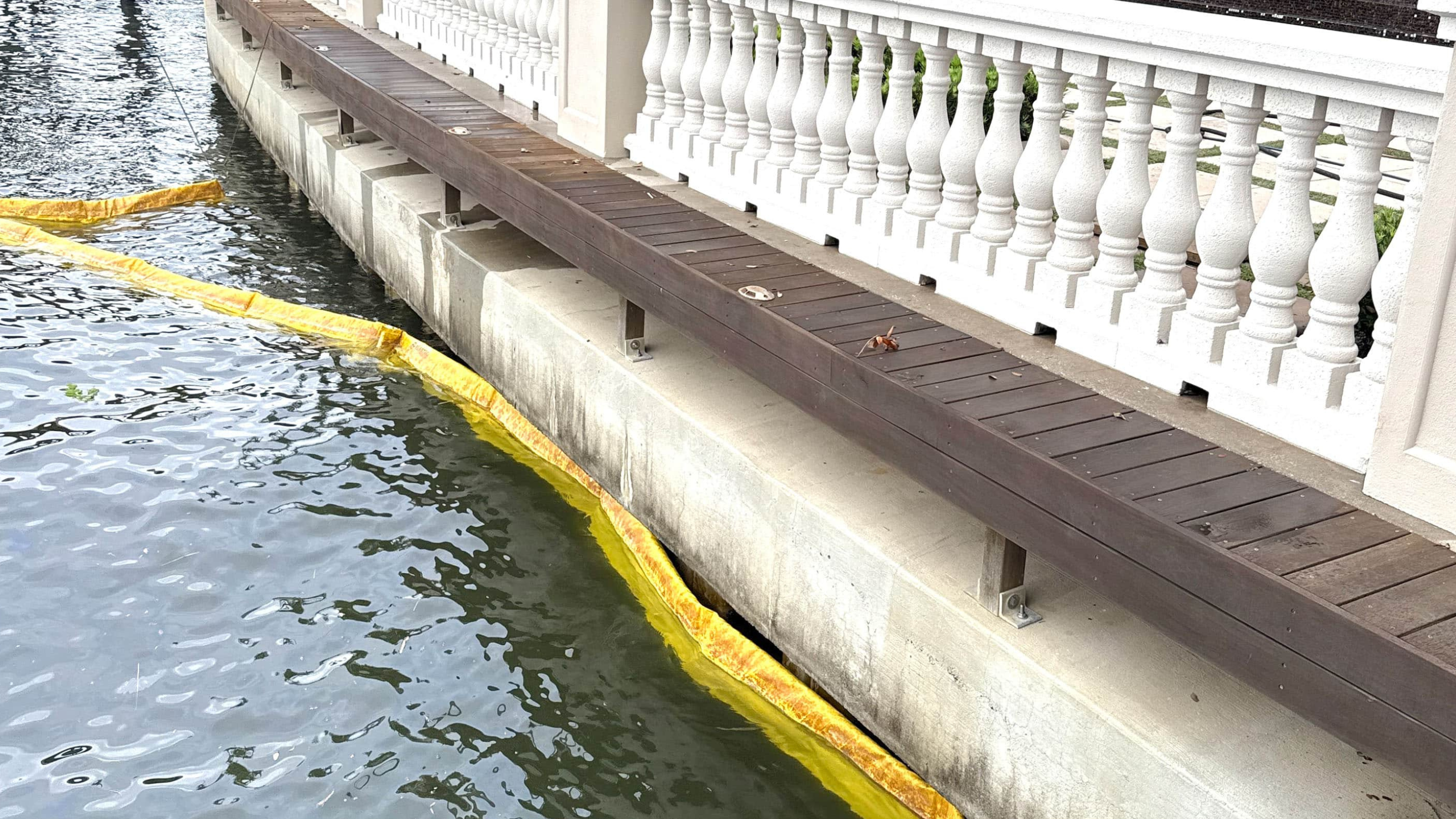
Seawalls take a constant beating from water, weather, and shifting soil. Over time, cracks, erosion, and hidden voids can weaken the structure and put your shoreline at risk. Durable seawall repair focuses on fixing these issues early so small problems do not turn into costly failures.
For waterfront owners, uncertainty is often the biggest pain point. You may notice cracks or settling, but not know how serious it is or what repair actually lasts. Helicon helps homeowners understand what is happening below the surface and which repair options are built for long-term performance, not quick patches.
This guide breaks down Durable Seawall Repair, proven repair methods, and material choices that hold up in harsh marine conditions. You will also learn how to choose qualified contractors and maintain your seawall so it continues protecting your property for years to come.
What Is Durable Seawall Repair?
Seawalls deal with constant pressure from water, weather, and shifting ground that wears them down. Understanding what damages these barriers and why quality repairs matter gives you a leg up on protecting your property.
Common Causes Of Seawall Damage
- Water intrusion: Water sneaks through cracks and gaps, washing away the soil behind your wall and creating voids.
- Harsh coastal conditions: Salt water eats away at concrete and metal, while freeze-thaw cycles widen cracks.
- Soil erosion: Water sneaks under or around the seawall, causing uneven settling and added stress.
- Natural aging: Materials break down over decades, and constant exposure speeds up wear.
Impacts Of Seawall Failure
- Shoreline loss: Land behind the wall can wash away during storms or high tides.
- Water damage: Flooding and shifting ground can lead to building and foundation problems near the wall.
- Higher costs over time: Small cracks can become major failures if repairs are delayed.
- Property value concerns: Visible damage can worry buyers and affect insurance decisions.
Importance Of Long-Lasting Solutions
Durable repairs use materials built for marine conditions. Marine-grade sealants and structural polymers resist salt water and harsh weather better than standard products.
Quality repairs address the root cause, not just the surface. If cracks get sealed but soil washout continues, problems return.
Long-lasting fixes help reduce repeat repairs over time. Done right, a repair can extend service life and protect your waterfront investment for years.
Innovative Seawall Repair Techniques
Modern seawall repair is not just patching or rebuilding from scratch. New methods focus on strengthening what you already have while targeting surface and structural issues.
Concrete Reinforcement Methods
- Carbon fiber wraps: Lightweight reinforcement that bonds to concrete and resists saltwater corrosion.
- Epoxy injection: Seals and bonds cracks, from hairline splits to larger breaks, to keep water out.
- Steel reinforcement (when needed): Adds load-bearing support, often paired with protective coatings.
Vinyl And Composite Panel Installation
Vinyl and composite panels are non-corrosive alternatives to concrete or steel. They interlock and flex with soil movement and temperature changes.
- Fast installation: Typically less disruptive than rebuilding.
- Built-in drainage options: Many systems include channels that reduce hydrostatic pressure.
- Low maintenance: Composites resist UV exposure, chemicals, and algae.
Pressure Grouting For Structural Integrity
- Polyurethane foam injection: Fills voids behind the wall, stabilizes soil, and helps reduce erosion.
- Permeation grouting: Thin grout seeps into soil and strengthens weak areas without excavation.
- Void fill grouting: Targets washout gaps through small access holes, restoring support and load transfer.
Selecting The Right Materials For Longevity
The materials you choose for seawall repair make a big difference in how long repairs hold up. The best option depends on your wall type, site conditions, and exposure.
Material Comparison For Durability
- Marine-grade concrete: Strong performance in saltwater environments with the right additives.
- Vinyl panels: Rust-free, low-maintenance option often used for residential seawalls.
- Steel sheet piling: Heavy-duty choice for high-stress areas, but needs corrosion monitoring.
- Composites: Higher upfront cost, but often long-lasting and low maintenance.
| Material | Best For | Lifespan | Maintenance |
| Marine-grade concrete | General repairs | 30–50 years | Medium |
| Vinyl panels | Residential walls | 40–60 years | Low |
| Steel | Industrial sites | 25–40 years | High |
| Composites | All applications | 50+ years | Low |
Benefits Of Advanced Coatings
- Epoxy-based coatings: Create a waterproof layer that helps prevent water intrusion.
- Polyurethane sealants: Flex with seasonal movement to help reduce crack formation.
- Anti-corrosion treatments: Protect steel components and typically need periodic reapplication.
- Polymer-based systems: Penetrate concrete and strengthen from within, often extending the time between repairs.
Eco-Friendly Seawall Repair Materials
- Recycled plastic lumber: Durable, rot-resistant, and keeps plastic out of landfills.
- Bio-based polymers: Plant-based alternatives that are improving in strength and availability.
- Natural-fiber geotextiles: Help control erosion while allowing water flow and supporting soil stability.
- Low-carbon concrete mixes: Reduce emissions during production while performing like marine concrete.
Hiring Professional Seawall Repair Services
Choosing the right contractor means checking experience, verifying credentials, and confirming support after the repair. A solid team should explain options clearly and back the work with a real warranty.
Key Qualities In A Reliable Contractor
- Proper license and insurance: Protects you and confirms basic professional standards.
- Relevant seawall experience: Familiarity with concrete, vinyl, steel, and local soil and water conditions.
- Clear methods and materials: Straightforward explanations and a detailed written estimate.
- Specialized systems or training: Some contractors use advanced techniques that can extend seawall life.
Evaluating Past Seawall Projects
- Ask for at least three recent references for similar repairs.
- Review before-and-after photos and documentation of prior work.
- If possible, visit completed projects to check finish quality and site cleanliness.
- Read reviews across multiple platforms and note how issues were handled.
Ensuring Warranty And Ongoing Support
- Look for warranties that cover materials and labor.
- Read the fine print for exclusions, required maintenance, and claim processes.
- Ask whether inspections are recommended to keep coverage valid.
- Confirm how the contractor handles urgent issues after storms or high tides.
Maintaining Seawall Durability Over Time
Regular inspections catch problems early, and preventative repairs help stop damage from spreading. Staying alert to environmental changes helps you protect your investment for decades.
Routine Inspection Tips
- Inspect at least twice a year, ideally in spring and fall.
- Watch for cracks, panel gaps, seepage, and changes where the wall meets land or water.
- Look behind the wall for sinkholes, soft spots, puddles, or uneven settling.
- Keep a photo log with dates so changes are easier to spot.
Preventative Repair Strategies
- Seal small cracks early with marine-grade sealant before water intrusion worsens.
- Reapply protective coatings periodically to reduce saltwater wear and UV breakdown.
- Maintain drainage systems (weep holes, pipes) to reduce hydrostatic pressure.
- Replace corroded tie-backs or anchors before they fail.
Monitoring Environmental Changes
- Inspect after major storms to catch new damage quickly.
- Track water levels and seasonal changes that may increase pressure on the wall.
- Watch vegetation growth and nearby erosion patterns that can signal shifting soil conditions.
Protect Your Seawall Before Small Issues Grow
Cracks, soil loss, and water intrusion rarely fix themselves. Left alone, minor seawall problems can quietly turn into shoreline erosion, higher repair costs, and stress about your property’s stability. Durable seawall repair is about acting early and choosing solutions that actually last.
The right repair approach restores strength below the surface, not just what you can see. Helicon focuses on proven methods and materials designed for harsh waterfront conditions, helping property owners avoid repeat repairs and unexpected failures.
If you are noticing cracks, settling, or water movement near your seawall, now is the time to act. Schedule a professional inspection and get clear guidance on repair options that protect your shoreline and your investment for the long term.
Frequently Asked Questions
What Are The Early Signs A Seawall Needs Repair?
Early warning signs include visible cracks, gaps between panels, soil settling behind the wall, and water seeping through. You may also notice sinkholes, soft ground, or uneven areas near the seawall. Catching these issues early makes durable seawall repair simpler and more cost-effective.
How Long Does Durable Seawall Repair Typically Last?
The lifespan of a repair depends on the materials used, site conditions, and whether underlying soil issues are addressed. When repairs focus on both structural damage and erosion control, results can last decades with proper maintenance.
Is Repair Better Than Full Seawall Replacement?
In many cases, yes. If the seawall is structurally sound but showing localized damage, repair can restore strength without the cost and disruption of replacement. Full replacement is usually only needed when the wall has widespread failure or severe structural loss.
Can Seawall Repairs Be Done Without Major Excavation?
Many modern repair methods are minimally invasive. Techniques like polyurethane foam injection, epoxy crack sealing, and panel reinforcement often require only small access points, reducing disturbance to your yard and shoreline.
What Causes Soil Loss Behind A Seawall?
Soil loss usually occurs when water enters through cracks, joints, or failed drainage systems. Over time, this creates voids that weaken support behind the wall. Durable seawall repair focuses on sealing entry points and stabilizing soil to prevent repeat erosion.
How Often Should A Seawall Be Inspected?
Most seawalls should be inspected at least twice a year and after major storms. Regular inspections help spot small changes early, before they turn into larger structural or shoreline issues.
Does Seawall Repair Affect Property Value?
A well-maintained seawall supports property value by reducing erosion risk and protecting usable land. Visible damage or ongoing water issues can raise concerns for buyers and insurers, making timely repairs an important part of property care.
Are All Seawall Materials Repaired The Same Way?
No. Concrete, vinyl, steel, wood, and stone seawalls each require different repair approaches. Using the right materials and techniques for your specific seawall type is key to achieving long-lasting results.
What Can I Do To Extend The Life Of My Seawall After Repairs?
Routine inspections, proper drainage maintenance, sealing small cracks early, and monitoring changes after storms all help extend repair life. Preventative care plays a major role in keeping repairs durable over time.