

Sunken concrete is more than a cosmetic issue. Uneven driveways, sidewalks, and patios create trip hazards, collect water, and can worsen over time if ignored. Many homeowners assume replacement is the only fix, but that often costs more and takes longer than necessary.
Concrete lifting solutions offer a faster, less disruptive way to raise settled slabs and restore safety. Helicon helps homeowners address these problems by lifting existing concrete instead of tearing it out, saving time, money, and hassle.
This guide breaks down how concrete lifting works, the most common methods available, and how to choose the right option for your situation. You’ll learn what causes concrete to sink, what signs to watch for, and how lifting can help extend the life of your surfaces.
What Is Concrete Lifting?
Concrete lifting restores sunken or uneven concrete slabs by injecting material underneath to bring them back up. This repair saves money and time compared to tearing out and replacing whole sections.
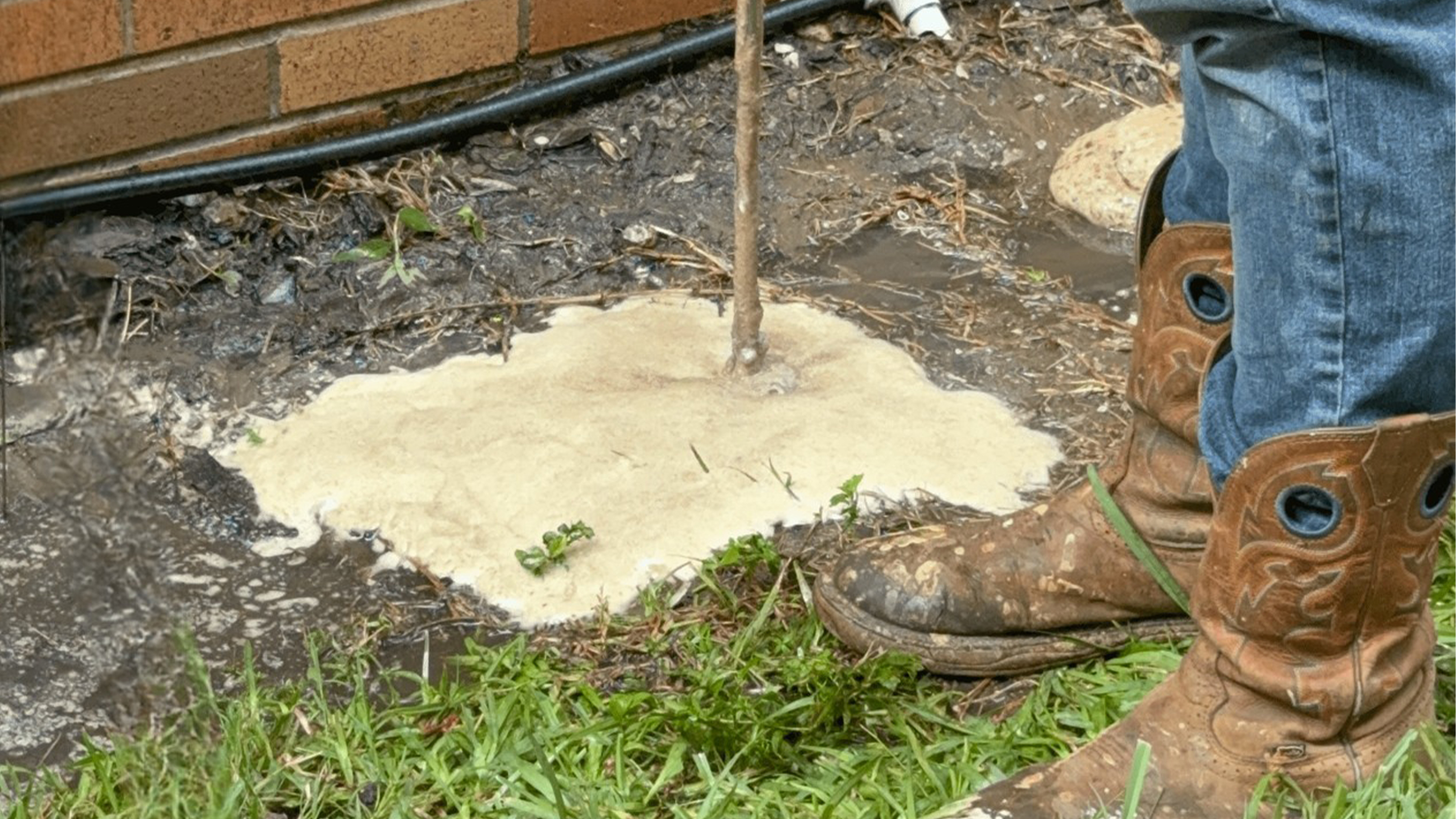
This method raises the settled concrete by filling empty spaces beneath the slab. The crew drills small holes into the affected area and pumps material underneath until the slab sits level again.
There are two main ways to do this. Mudjacking uses a mix of cement, soil, and water to fill the voids and lift the slab. Polyurethane foam injection uses expanding foam that fills gaps and lifts the concrete as it expands.
Both methods create a stable base once the material hardens. The drilled holes are small and get patched up after the job. You can usually use your concrete again within a few hours.
Common Signs That Indicate the Need
Uneven surfaces are the most obvious clue that you need concrete lifting. You might spot sections of your driveway, sidewalk, or patio that have sunk below the rest.
Cracks show up in settled concrete as it pulls away from stable parts. If water pools in certain spots, your concrete has probably sunk and doesn’t drain as it should.
Trip hazards pop up when one slab sits noticeably lower than another. Gaps between your concrete and things like your home’s foundation or garage floor are another red flag. Sometimes you’ll see soil eroding under the edges of slabs. These issues don’t get better on their own.
Benefits of Concrete Lifting
The biggest perk is the price, lifting costs way less than total replacement, sometimes by 50-70%. The work wraps up in hours, not days. You skip the mess and chaos of demolition. No heavy equipment tearing up your lawn or driveway.
The repair also strengthens the soil underneath, helping prevent future settling. Keeping your original concrete means everything matches, which is great for curb appeal. You create less waste since you’re not tossing out old concrete, and fixing hazards can boost your property value.
Popular Concrete Lifting Solutions
There are several proven ways to lift and level sunken concrete. Each method uses different materials and techniques, and the right one depends on your budget, timeline, and the state of your surfaces.
Mudjacking
Mudjacking is one of the oldest ways to lift concrete. It involves pumping a mixture of water, soil, sand, and cement under the sunken slab.
The mix fills voids and creates enough pressure to lift the concrete back up. Workers drill holes about 1 to 2 inches wide in your concrete, then pump the slurry through until the slab reaches the right height.
They patch the holes with concrete after lifting. This works well for driveways, sidewalks, and patios. The heavy mixture gives your slab a dense, solid base.
The downside? The weight. That heavy slurry can cause more settling if your soil is weak, and mudjacking takes longer to cure. You’ll need to wait before using the surface.
Polyurethane Foam Injection
Polyurethane foam injection uses expanding foam to lift concrete fast. Technicians drill small holes (about 5/8 inch) and inject a two-part polyurethane foam that expands in seconds and hardens within minutes.
This method is lightweight and quick. The foam weighs much less than traditional slurries, lowering the risk of future settling. You can usually use the surface within 15 minutes.
The foam is waterproof and stays put over time. It fills all the voids and offers solid long-term stability.
The patched holes are barely noticeable. Polyurethane foam works for almost any concrete surface, especially where soil is weak or weight matters. It does tend to cost more than older methods, though.
Slabjacking
Slabjacking is a broad term for lifting concrete slabs by pumping pressurized material underneath. People sometimes use it interchangeably with mudjacking, but it covers a few different methods.
The basic idea is the same: drill holes, pump in material, and lift the slab. Contractors might use different mixtures depending on your situation.
Some use cement-based slurries, others go for special grouts. The material affects cure time, weight, and how long the repair lasts.
Cement Slurry Lifting
Cement slurry lifting uses a mix of cement, water, and additives to lift your concrete. It’s similar to mudjacking but with a finer blend, less sand, and soil.
The slurry flows easily through smaller holes and fills voids more completely. It bonds well with existing soil and gives your lifted concrete a solid, durable base.
This method works for both homes and businesses. The mixture cures faster than traditional mudjacking. You can often walk on it in a few hours, but full curing takes a bit longer.
The weight is about the same as mudjacking, so if your soil is weak, keep that in mind. Cement slurry lifting costs less than polyurethane foam but more than basic mudjacking. It’s a nice middle ground between old-school and modern options.
How Concrete Lifting Works
Concrete lifting involves injecting material beneath sunken slabs to bring them back up. It takes special equipment, trained crews, and a close eye on safety the whole way through.
Step-by-Step Process
First, the crew checks out your sunken slabs. A technician inspects the damage and drills small holes, usually one to two inches wide, to use as injection points for the lifting material.
They inject either polyurethane foam or a cement-based mix through the holes. The material flows underneath and fills empty spaces in the soil.
As they pump in more, it creates pressure and pushes the concrete upward. The technician keeps an eye on the slab as it rises to make sure it lifts evenly.
Once it’s at the right height, they stop pumping and pull out the equipment. The team fills in the holes with concrete and smooths them over so they blend in.
Safety Measures in Concrete Lifting
Before any work starts, the crew protects your property. They mark utility lines and set up a safe work zone.
You’ll want to keep pets and kids away from the area while work is happening. Workers suit up with gloves, eye protection, and steel-toed boots.
They check the equipment before each job to avoid breakdowns. The technician also looks for underground hazards like pipes or wires that could get damaged while drilling.
After lifting, the slab needs time to settle before you walk or drive on it. If you use it too soon, it could shift. Your contractor will tell you when it’s safe to get back to normal.
Duration and Project Timeline
Most concrete lifting jobs take two to four hours. A single sidewalk panel might only need an hour.
Big jobs like driveways or patios can run up to eight hours, depending on the size and how much the slab has settled. You can usually use the lifted concrete within 15 minutes to 24 hours.
Polyurethane foam cures fastest, often in the same day. Weather rarely causes delays because the work happens under the surface.
Choosing the Right Concrete Lifting Solution
Picking the best lifting method depends on the damage, your budget, and how the repair affects your property.
Assessing the Damage
You’ll need to check how much your concrete has sunk before choosing a repair method. Small areas sunk 1-2 inches are usually easy to fix.
Bigger problems, over 3 inches, might call for more extensive work. Look for cracks. Small ones (less than a quarter-inch wide) usually aren’t a problem.
Wide cracks or broken pieces might mean the slab isn’t worth saving. Think about what caused the sinking.
Soil erosion can be fixed with lifting, but if you’ve got ongoing water issues or shifting soil, you’ll need to deal with those first. Location matters, too.
Driveways and patios that get heavy use need stronger repair methods than a decorative walkway. Some repairs leave more visible marks, so consider how much that bothers you.
Comparing Costs and Effectiveness
Lifting costs way less than full replacement. You’ll probably pay $3-$6 per square foot for lifting, versus $8-$15 per square foot for new concrete.
Here’s the breakdown:
- Mudjacking uses a cement mix and costs less up front.
- Polyurethane foam injection costs more but is lighter and cures much faster.
Foam works better for weak soils since it adds little weight. It also cures in about 15 minutes, so you can use the surface almost right away.
Mudjacking takes a day or two to cure. Both methods last about 5-10 years if done right, but it really depends on your soil and drainage.
Environmental Considerations
Polyurethane foam is waterproof and won’t wash away if water gets under your concrete again. That makes it a solid pick for places with drainage problems.
The foam also fills small voids in the soil that could cause future settling. Mudjacking uses natural stuff like sand and cement.
It creates less waste than ripping out concrete, but the mix is heavy and can stress weak soil. Both methods keep your old concrete out of a landfill and avoid the carbon cost of making new concrete. Quick cure times mean less disruption to your yard and landscaping.
Maintenance and Longevity of Lifted Concrete
With a little care, lifted concrete can last for years. Regular maintenance helps protect your investment and keeps things level and safe.
Ongoing Care Tips
Check your lifted concrete every few months for signs of wear or new settling. Look for cracks, gaps along the edges, or spots that seem to be sinking again. Catching issues early makes fixes easier and cheaper. Keep your concrete clean.
Sweep or use a leaf blower for dry debris, and wash with water and mild soap as needed. Skip harsh chemicals; they can damage the concrete or the lifting material.
Sealing your concrete gives it extra protection from moisture and weather. Apply a good sealer every couple of years, or as your contractor suggests.
That helps keep water out of cracks and prevents erosion underneath. Make sure the area drains well. Gutters and downspouts should send water away from lifted surfaces. Standing water can erode the soil below and lead to more settling.
Preventing Future Issues
Deal with drainage problems before they make your concrete sink all over again. Install or fix gutters, and make sure your downspouts reach at least six feet away from the foundation. Grade the soil so water actually flows away from your concrete. Poor drainage it’s one of those things people ignore until it’s too late.
If you spot cracks, fill them up right away. Even tiny cracks let water sneak beneath the slab, washing out soil and any lifting material. Grab a crack filler made for concrete repair and get it done before it turns into a bigger headache. Try not to stack heavy stuff on areas that have been lifted.
Parking heavy vehicles or equipment there puts extra stress on the concrete and could make it settle again. Patios and walkways, especially, aren’t built for big loads, so keep that in mind.
Keep an eye on landscaping and tree roots nearby. Trees planted too close can send roots right under the slab, messing things up. If you really want trees nearby, maybe think about root barriers or just plant them farther away.
Fix Uneven Concrete Before It Becomes a Bigger Problem
Sunken concrete doesn’t just look bad. It creates trip hazards, traps water, and can lead to faster surface damage if it’s left alone. Concrete lifting solutions address these issues quickly by restoring level surfaces without the mess or cost of replacement.
Helicon focuses on practical repairs that correct settlement, improve drainage, and help homeowners avoid unnecessary tear-out. The goal is a safer, more stable surface with minimal disruption to your home and routine.
If you’re dealing with uneven concrete, now is the right time to act. Schedule an inspection or request a quote to find out which lifting option fits your surface, soil, and timeline.

![How To Repair Cement Block Foundation [Homeowner Guide]](https://heliconusa.com/wp-content/uploads/2026/02/iStock-528064331.webp "How To Repair Cement Block Foundation [Homeowner Guide] 2")
