A small dam can protect a very large community.
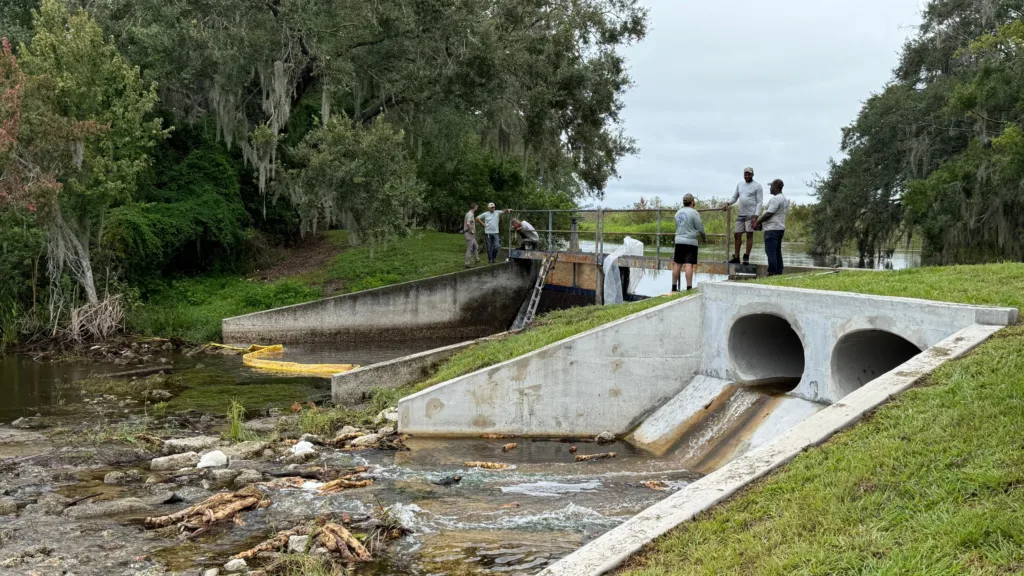
That was the case during a City of Winter Haven municipal infrastructure project at the outflow of Lake Lulu in Winter Haven, Florida, where a compact but critical water control structure helps regulate the Southern Chain of Lakes. This system affects flood control, recreational water levels, local stormwater movement, and the downstream flow toward the Peace River.
During a recent inspection, engineers found serious signs of deterioration: cracks, voids, erosion, failed patchwork, and water pathways forming where water should not be traveling. For a dam built in the 1940s, those warning signs mattered.
The goal was not to make the dam last forever. Long-term replacement planning was already part of the conversation. The immediate goal was more urgent: stabilize the structure through soil stabilization, reduce erosion risk, seal active leakage points, and help the dam safely perform through the upcoming storm season.
That is where Helicon came in.
Why the Lake Lulu Dam Matters
The Lake Lulu dam sits at the outflow of the Southern Chain of Lakes in Winter Haven and serves an important role for the surrounding community. While the structure itself is not large, its responsibility is significant.
It helps manage water levels for a 16-lake chain used by homeowners, boaters, businesses, and surrounding communities. It also supports stormwater control and helps reduce flood risk during heavy rain events, especially when Florida’s stormwater infrastructure is under pressure.
For the City of Winter Haven and the surrounding area, this type of structure is easy to overlook until something goes wrong. But when water control infrastructure begins to fail, the impact can extend far beyond the structure itself.
What Engineers Found During the Inspection
The inspection identified problems in both the emergency spillway and the main spillway.
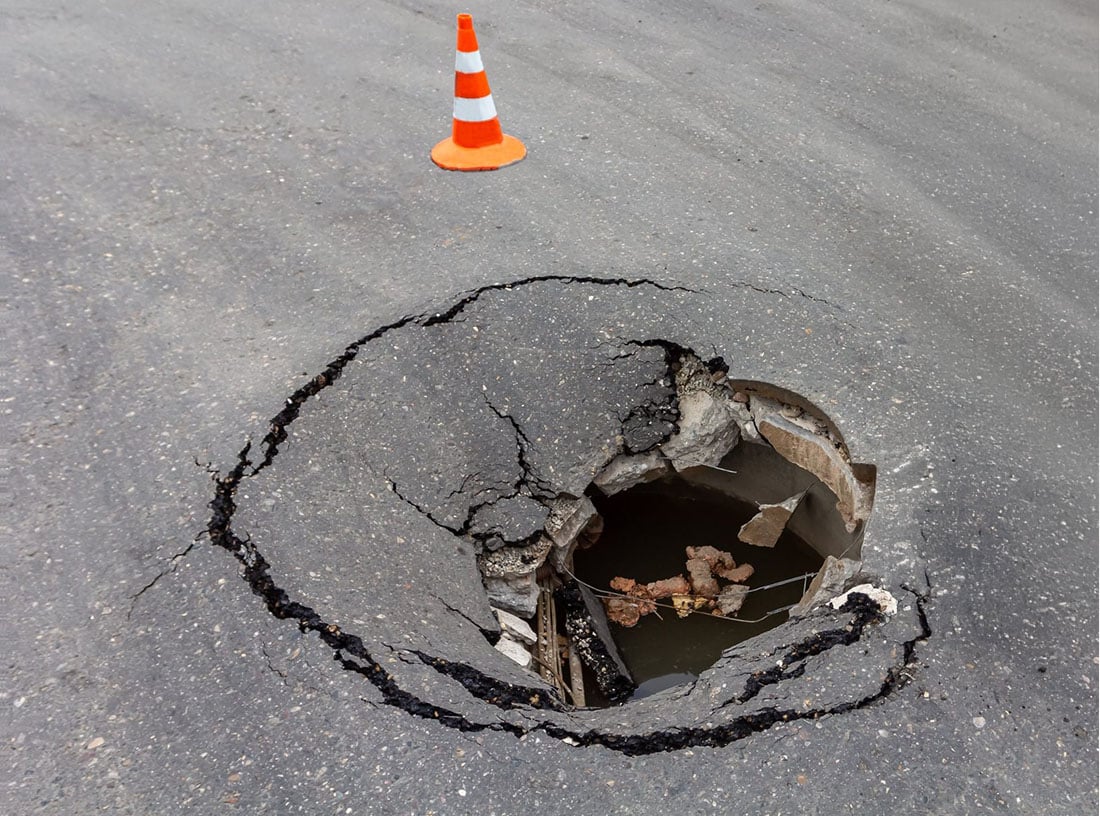
At the emergency spillway, engineers observed cracks in the end walls, holes on the upstream side, and a major void beneath the downstream apron. That void was caused by soil erosion under the concrete.
This is one of the biggest red flags in spillway repair. Concrete depends on the soil beneath it for support. Once that soil washes out, the slab or apron can bridge over empty space. It may look intact from above, but the support system underneath is compromised.
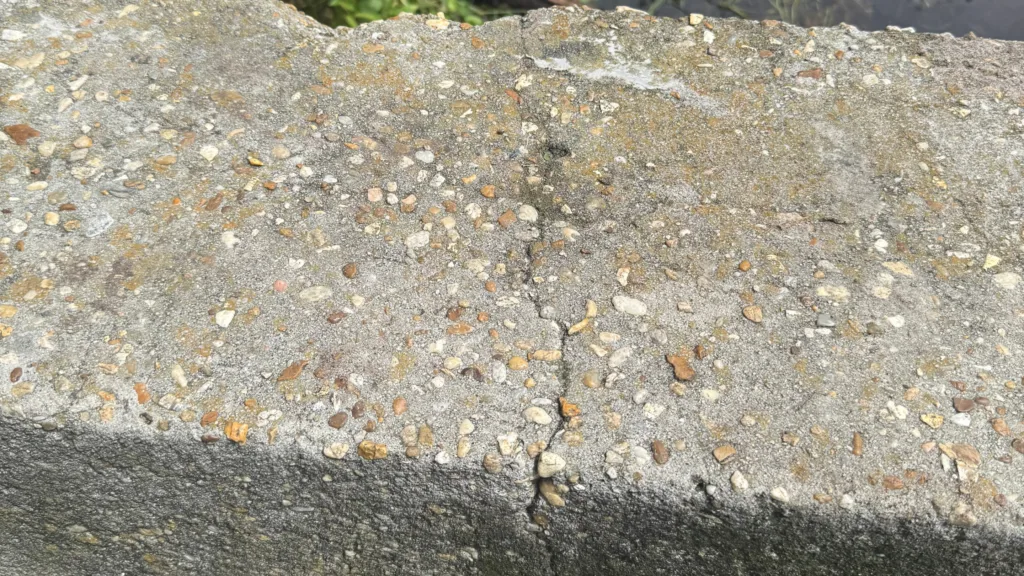
At the main spillway, engineers found long cracks running from the crest toward the waterline, evidence of prior patchwork that had failed, vegetation growing in cracks, exposed aggregate, and joint separation.
Those signs told a clear story: water intrusion and soil movement had been active for a long time.
Why Florida Water Control Structures Are So Vulnerable
Florida’s environment is tough on concrete, soil, and stormwater infrastructure.
Heavy rainfall, seasonal groundwater changes, sandy soils, hurricanes, tropical systems, and constant water movement all put pressure on dams, spillways, seawalls, culverts, and drainage structures.
In cities like Winter Haven, Lakeland, Auburndale, Haines City, Lake Wales, Bartow, Tampa, Orlando, Sarasota, Bradenton, Fort Myers, Cape Coral, and Naples, structures near lakes, canals, rivers, retention ponds, and coastal water are especially vulnerable to erosion and void development.
The problem is often simple: water moves soil.
When water finds a crack or pathway, it can carry soil particles away from the structure. Over time, that creates loose zones, cavities, washout, and voids. Once voids form beneath concrete, the structure may crack, settle, separate, or lose its ability to perform as designed.
That is why soil stabilization is not just a foundation repair issue. It is also a stormwater infrastructure issue, a seawall issue, a roadway issue, and a public safety issue.
The Challenge: Stabilize the Dam Now, Plan for Replacement Later
The Lake Lulu dam was originally constructed in the 1940s. Like many older concrete and earthen structures in Florida, it had been repaired over the decades.
But temporary patches do not always solve the underlying problem.
If soil continues to erode, cracks continue to carry water, and voids continue to grow, the structure remains vulnerable. In this case, long-term replacement may eventually be necessary, but the municipality needed a stabilization solution that could reduce risk now.
The timing mattered. Florida’s hurricane season brings heavy rain, rising water, and fast-moving stormwater. Waiting too long could increase the chance of further deterioration.
Helicon’s repair plan focused on two priorities:
- Seal the cracks, leaks, and voids within the spillway system.
- Stabilize the soils and subsurface voids around and beneath the structure.
This required two different polyurethane grout products, each selected for a specific purpose.
Phase 1: Sealing Spillway Cracks and Voids with GT500
The first phase focused on the spillway itself.
Helicon used GT500, a one-part hydrophilic polyurethane chemical grout. Hydrophilic means the material reacts well in wet environments and is designed to interact with water. For spillway repair, that matters because cracks and joints are often actively wet.
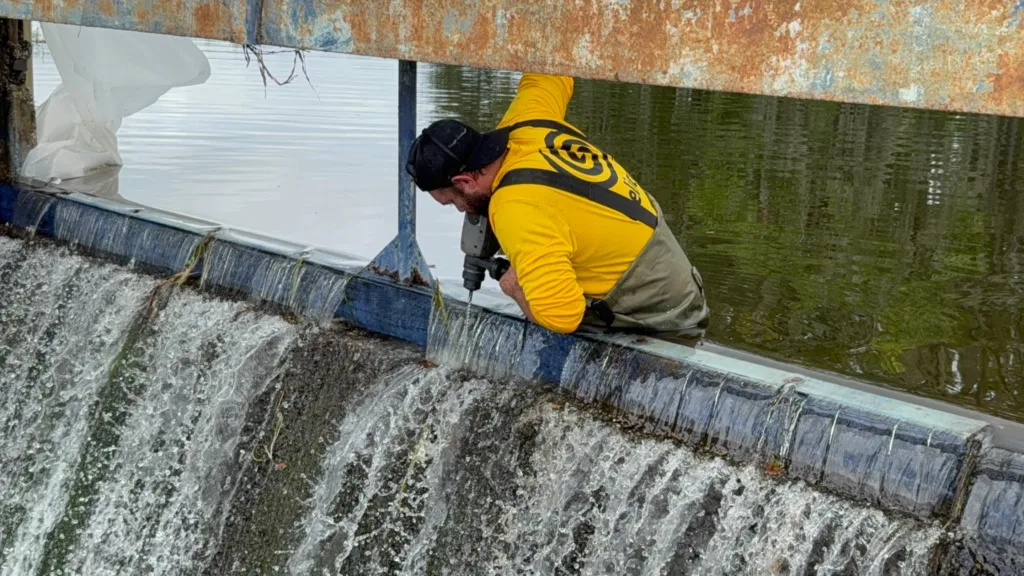
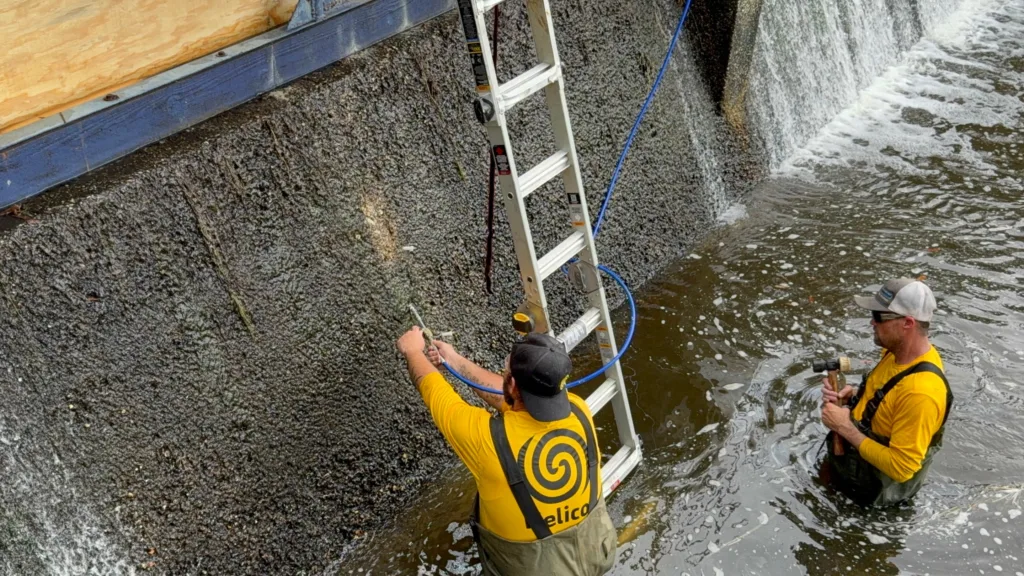
Team Helicon drilled into targeted cracks, holes, and void areas, installed injection ports, and injected the GT500 grout into the problem zones.
As the material traveled through the cracks and crevices, it sealed active leakage pathways and helped prevent continued soil migration through the spillway structure.
In plain language, this helps keep water where it belongs.
Water should flow over the spillway, not through it, beneath it, or around it. When water starts bypassing the intended flow path, erosion risk increases. Sealing those pathways is a critical step in protecting the structure.
This type of polyurethane injection repair is fast, targeted, and minimally invasive compared to many traditional demolition or replacement methods.
Phase 2: Soil Stabilization and Erosion Protection with AP720
The second phase focused below and around the concrete structure.
Helicon used AP720, a hydrophobic polyurethane grout. Hydrophobic means it repels water. This product was selected for subsurface stabilization where erosion had carved out hidden voids and weakened the supporting soils.
The goal was to fill cavities, strengthen loose soil zones, and block future water intrusion pathways.
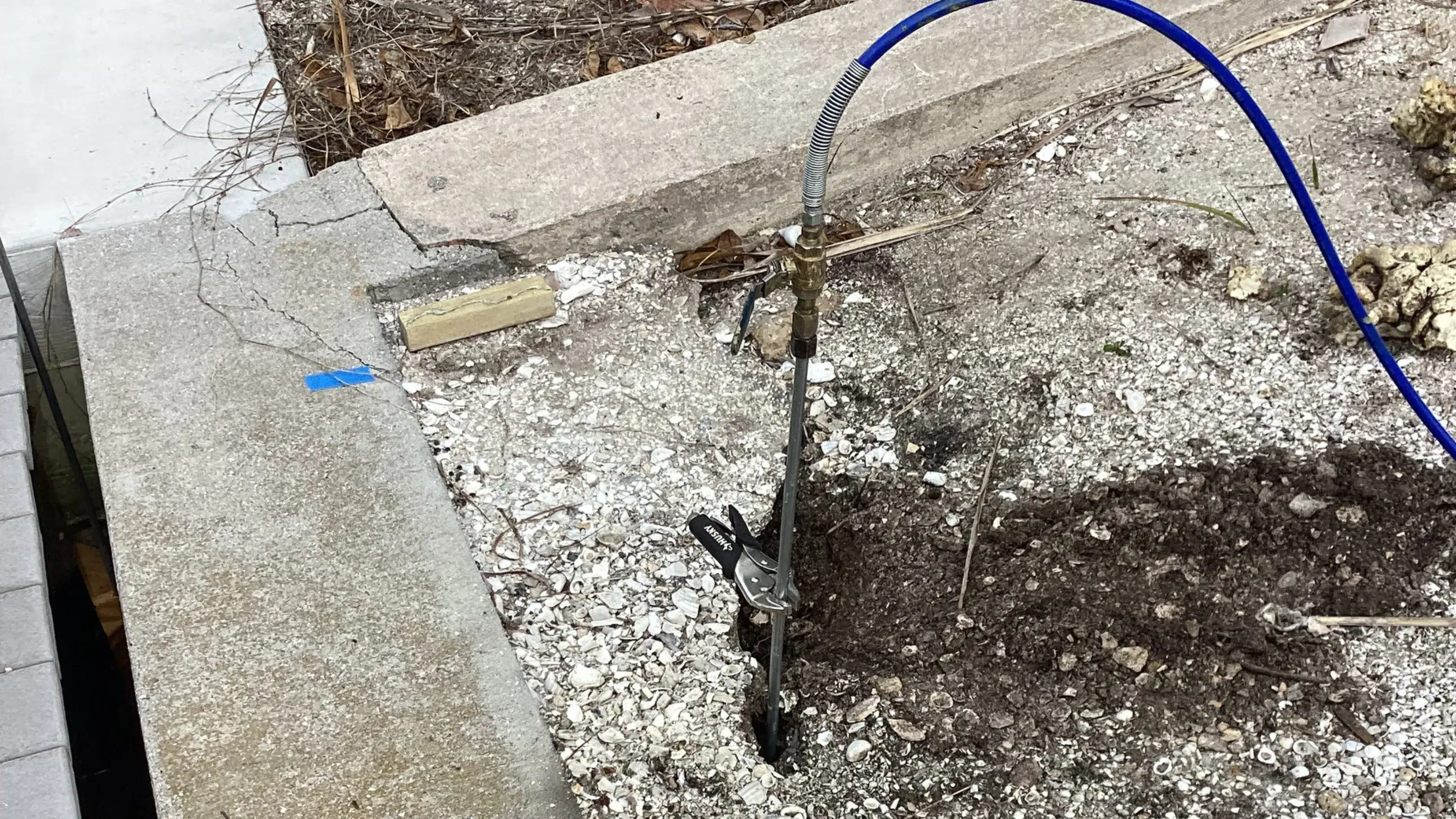
Helicon injected the material beneath vulnerable concrete areas and around the dam structure. In the project video, Jay Silver explains that injection rods can be advanced down toward the base of the dam, allowing the grout to permeate into loose soils and help lock the ground together.
That matters because the strength of a dam or spillway is not just in the concrete. It is also in the soil supporting the concrete.
If the soil around the structure erodes, the structure loses rigidity and support. That can lead to stress fractures, cracking, settlement, and movement.
By stabilizing the soil, Helicon helped restore a stronger base for the dam and spillway system.
Why Polyurethane Injection Was the Right Fit
For this Winter Haven dam repair project, polyurethane injection offered several major advantages.
First, it was targeted. Helicon could inject material directly into cracks, voids, and weak soil zones without tearing out the entire structure.
Second, it was fast. For stormwater infrastructure approaching hurricane season, speed matters. Municipalities often need practical repairs that reduce risk quickly while longer-term engineering and funding decisions are made.
Third, it addressed the real problem. This was not just a surface crack repair. The repair plan focused on sealing water pathways and stabilizing the soils beneath the structure.
Fourth, it minimized disruption. Compared to full replacement, polyurethane grouting can often be performed with less excavation, less heavy construction impact, and shorter downtime.
This is why polyurethane injection is used not only for dam and spillway repair, but also for seawall stabilization, concrete lifting, void filling, foundation repair, sinkhole-related soil stabilization, and commercial ground improvement across Florida.
The Results: A Stronger, Safer Structure Through Storm Season
The stabilization program provided immediate support for both the emergency spillway and the main spillway.
The GT500 hydrophilic grout sealed cracks, holes, and leakage pathways within the spillway system. The AP720 hydrophobic grout helped fill subsurface voids, stabilize eroded soils, and protect against future water intrusion.
The result was a dam with improved support, reduced erosion risk, and extended service life while long-term replacement planning could continue.
For the surrounding community, this kind of work provides reassurance. It helps reduce the risk of stormwater infrastructure failure during high-rainfall events and gives municipalities time to plan responsibly instead of reacting during an emergency.
What Homeowners Can Learn from This Dam Repair Project
Even though this was a municipal infrastructure project, the lesson applies to Florida homeowners too.
Water and soil movement are often the hidden causes behind visible damage.
If you see sinking concrete, cracks around a pool deck, voids behind a seawall, stair-step cracks in a block wall, soil erosion near a foundation, or sections of slab pulling away from surrounding surfaces, the surface problem may be a symptom of soil loss below.
That is why Helicon often looks beyond the visible crack or settled slab. The real question is: what is happening underneath?
For homeowners in Tampa Bay, Orlando, Winter Haven, Lakeland, Sarasota, Bradenton, Fort Myers, Naples, Cape Coral, and surrounding Florida communities, early evaluation can prevent small soil problems from becoming expensive structural repairs.
Why Municipalities and Property Owners Choose Helicon
Helicon has specialized in foundation repair, sinkhole repair, soil stabilization, concrete lifting, and infrastructure grouting across Florida for more than 20 years.
That experience matters because Florida soil is different.
From sandy shallow soils to sinkhole-prone regions, coastal erosion zones, lakefront properties, and stormwater structures, Florida requires repair solutions designed for local conditions.
Helicon is trusted by homeowners, engineers, municipalities, commercial clients, and property managers because the company focuses on engineered solutions, long-term value, and doing the right repair for the actual problem. On a project like the Lake Lulu dam, that means more than patching cracks. It means understanding how water, concrete, soil, and structure work together.
Frequently Asked Questions About Dam Repair and Soil Stabilization
What causes voids under a spillway or dam structure?
Voids usually form when moving water carries soil away from beneath or around concrete. Cracks, joints, holes, poor drainage, and recurring seepage can all create pathways for erosion.
Can polyurethane injections stop water from moving through cracks?
Yes, the right polyurethane grout can seal cracks and leakage pathways. Hydrophilic grouts are often used in wet crack-sealing applications because they react well with water.
What is the difference between hydrophilic and hydrophobic polyurethane grout?
Hydrophilic grout accepts or reacts with water and is commonly used to seal active leaks. Hydrophobic grout repels water and is often used for void filling, soil stabilization, and blocking water intrusion pathways.
Is polyurethane injection only used for dams?
No. Polyurethane injection is also used for foundation repair, concrete lifting, seawall stabilization, pool deck repair, driveway lifting, sinkhole-related stabilization, and commercial ground improvement.
Why not just replace the dam immediately?
Full replacement may be the long-term solution, but design, permitting, funding, and construction take time. Stabilization can reduce risk and extend service life while replacement planning moves forward.
Protecting Florida Structures from the Ground Up
The Lake Lulu dam sits at the outflow of the Southern Chain of Lakes in Winter Haven and serves an important role for the surrounding community. While the structure itself is not large, its responsibility is significant.
It helps manage water levels for a 16-lake chain used by homeowners, boaters, businesses, and surrounding communities. It also supports stormwater control and helps reduce flood risk during heavy rain events, especially when Florida’s stormwater systems are under pressure.
For the City of Winter Haven and the surrounding area, this type of structure is easy to overlook until something goes wrong. But when water control infrastructure begins to fail, the impact can extend far beyond the structure itself.
If you are seeing signs of soil erosion, sinking concrete, seawall voids, foundation settlement, or stormwater structure damage, call 844-Helicon today for a free inspection or fill out the form on our site.