Cracks in a concrete seawall are more than a cosmetic issue. When left alone, they allow water to pass through, wash out soil, and weaken the wall’s support. Knowing how to repair cracks in concrete seawall structures early can help you avoid costly damage later.
Many homeowners notice small cracks and are unsure whether they are serious or safe to fix themselves. Helicon works with waterfront property owners who face this exact concern, helping them understand when a crack is manageable and when it signals a larger issue.
This guide breaks down the causes of seawall cracks, how to assess their severity, and the step-by-step methods for properly repairing them. You’ll also learn how to protect your seawall after repairs so it stays strong for years to come.
4 Common Causes Of Concrete Seawall Cracks
- Saltwater Breakdown
Saltwater constantly breaks down concrete through a process that weakens its structure. The salt gets into tiny holes in the concrete and slowly eats away at the material from the inside out.
- Wave Action And Water Pressure
Wave action and water pressure push against your seawall every day. This repeated force creates stress points that can turn into cracks over time.
- Temperature Changes And Freeze-Thaw Cycles
Temperature changes make concrete expand and contract. In areas with freeze-thaw cycles, water seeps into small cracks, freezes, and expands, which makes the cracks bigger.
- Soil Erosion And Voids Behind The Wall
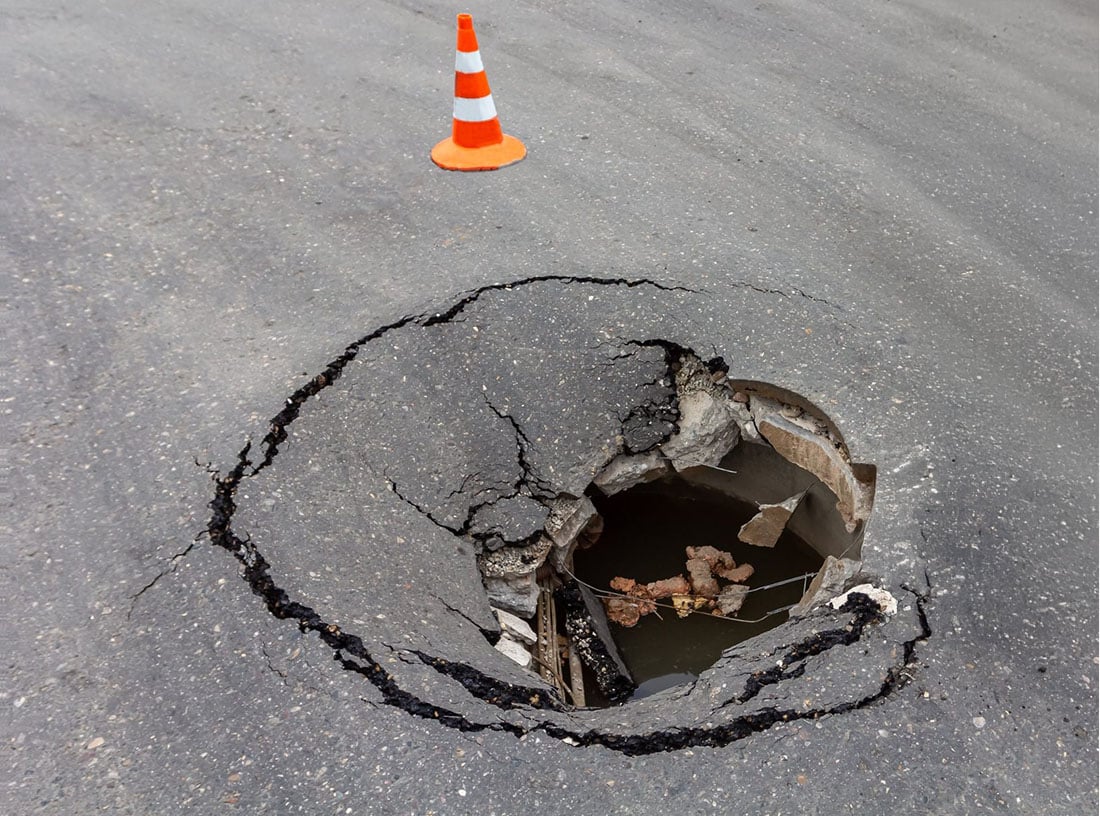
Soil erosion behind your seawall creates empty spaces called voids. When the soil washes away, your seawall loses support and starts to shift.
Movement, Poor Construction, And Wrong Mix Design
This movement causes new cracks to form or makes existing ones worse. Poor construction or using the wrong concrete mix can lead to early cracking.
Your seawall needs to be built with materials designed to handle saltwater and coastal conditions. It’s wild how often the basics get overlooked.
Types of Cracks in Concrete Seawalls
Diagonal and vertical cracks appear when concrete slabs settle or shift. These cracks run at an angle or straight up and down through the concrete. They’re common in seawall construction and often show up at stress points. Horizontal cracks usually mean water pressure is pushing against your seawall.
These cracks run parallel to the ground and can signal serious structural problems. Hairline cracks are thin surface cracks that look like spider webs.
While they seem small, they let water seep through and can grow larger over time. Spalling happens when the surface layer of concrete chips, flakes, or breaks away.
You’ll see areas where the concrete looks rough or where pieces have fallen off. This exposes the inner layers to more damage.
How to Assess Crack Severity
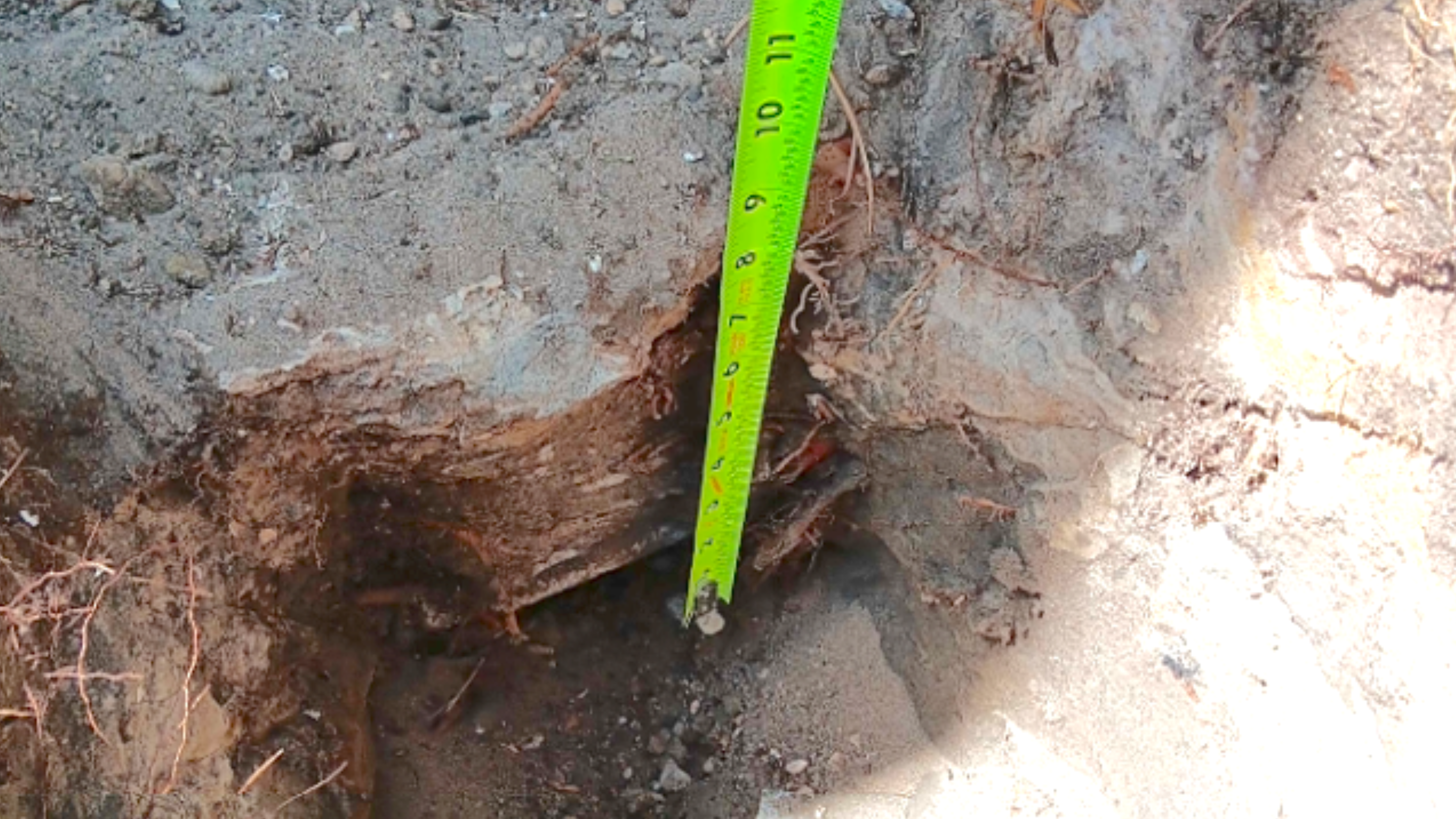
Start by measuring the width of each crack. Cracks wider than 1/4 inch need immediate attention because they allow significant water flow and soil loss.
Check if water flows through the crack during high tide or heavy rain. Active leaks mean soil is washing out from behind your seawall, which creates voids and instability.
Look for signs of movement like:
- Sections that lean or tilt
- Cracks that have gotten bigger over time
- Sinkholes or low spots in your yard near the seawall
- Water seeping through at multiple points
Use a wire brush to clean around the crack and see how deep it goes. Surface cracks only affect the outer layer, while structural cracks go deeper into the concrete.
Take photos of your cracks and mark their locations. This helps you track whether they’re growing and shows repair contractors what needs fixing.
Preparing for Crack Repair
Successful seawall crack repair starts with having the right tools on hand, taking proper safety steps, and thoroughly cleaning the damaged area. These preparation steps help ensure your repair materials bond correctly and last for years.
Essential Tools and Materials
You’ll want a wire brush to clean cracks and remove loose debris. A chipping hammer helps get rid of damaged concrete around the crack edges. For small cracks up to 1/8 inch wide, you can use concrete patching compound or hydraulic cement. Wider cracks need epoxy injection systems or polyurethane foam sealants.
These materials expand to fill gaps and create a waterproof seal. You should also get a trowel, mixing bucket, and putty knife for applying repair materials smoothly. Safety gear is just as important as repair materials. Get yourself non-slip waterproof boots, work gloves, and safety glasses.
A dust mask protects your lungs when you’re grinding or chipping concrete. It’s easy to forget, but your lungs will thank you later.
Safety Tips for Working Near Water
Always wear a life jacket when working close to the water’s edge, even if you’re a good swimmer. The area around seawalls can be slippery from algae and moisture, so watch your footing carefully.
Check the weather forecast before starting your repair work. Avoid working during high tides, storms, or when waves are unusually strong. Let someone know where you’re working and when you expect to finish. Keep your tools secured with lanyards or in a bucket so they don’t fall into the water.
If you need to work from a ladder or platform, make sure it’s stable and properly anchored. It’s better to double-check than to end up in the drink.
Cleaning and Inspecting the Damaged Area
Use your wire brush to scrub the crack and remove all loose concrete, dirt, salt deposits, and marine growth. This step is critical because repair materials won’t stick to dirty or wet surfaces.
You might need to pressure wash stubborn buildup. Look closely at each crack to identify whether it runs vertically, horizontally, or diagonally.
Measure the width and depth using a ruler or crack gauge. Vertical or diagonal cracks about 1/8 inch wide are often shrinkage cracks from the concrete curing process.
Let the cleaned area dry completely before applying any repair materials. This might take several hours or even a full day, depending on humidity and temperature.
Step-By-Step Guide to Repairing Cracks
Repairing cracks in your concrete seawall requires choosing the right materials based on crack size, properly preparing the surface, and applying the correct techniques for both minor and major damage.
Selecting the Right Repair Method
The size and depth of the crack determine which repair method you should use. Cracks smaller than 1/8 inch wide are considered hairline cracks and need different materials than larger structural cracks.
For hairline cracks, you can use concrete crack sealers or epoxy-based fillers. These products are thin enough to seep into narrow openings.
They create a waterproof barrier that stops moisture from entering. Wider cracks over 1/4 inch require hydraulic cement or polyurethane foam. These materials expand as they cure and completely fill deep gaps. Structural cracks may also need reinforcement with carbon fiber straps or steel rods.
Check if water is actively leaking through the crack. Active leaks need hydraulic cement that sets up quickly, even when wet. Dry cracks give you more options for repair materials. The location of the crack matters too.
Cracks below the waterline need marine-grade epoxy that cures underwater. Above-water cracks can use standard concrete repair products.
Filling Hairline Cracks
Start by cleaning the crack with a wire brush to remove loose concrete, dirt, and algae. You can also use a pressure washer set to medium pressure. Let the surface dry completely before applying any filler. Apply a concrete bonding agent to the crack with a small brush.
This helps the filler stick to the old concrete. Wait for the bonding agent to become tacky, which usually takes 15-30 minutes. Use a caulking gun or squeeze bottle to apply the epoxy sealer directly into the crack. Work slowly to avoid air bubbles.
Fill the crack slightly above the surrounding surface, since the material will shrink a bit as it dries. Smooth the surface with a putty knife or trowel within 5 minutes of application. Wipe away excess material with a damp cloth. Most sealers cure within 24-48 hours, but check your product instructions.
Fixing Structural Cracks
Structural cracks need more intensive repair work. Use a concrete saw or grinder to widen the crack to about 1/4 inch. This creates a clean channel for the repair material to grip. Cut the crack into a V-shape with the narrow part pointing inward.
Clean out all debris with a shop vacuum and a wire brush. Rinse with water and let it dry unless you’re using hydraulic cement. For dry applications, the concrete must be completely moisture-free. Mix hydraulic cement or polyurethane grout according to package directions.
Work in small batches since these materials set quickly. Press the material firmly into the crack using a trowel, working from bottom to top. Pack the material tightly to eliminate air pockets. Overfill the crack slightly and smooth the surface level with the wall.
For cracks wider than 1 inch, you may need to install backer rod first to support the filler. Apply a waterproof coating over the repair after it fully cures. This adds an extra layer of protection against water damage. Most repairs need 7 days to reach full strength before you apply additional coatings.
Post-Repair Best Practices
After fixing cracks in your concrete seawall, proper curing and waterproofing will protect your repair work and extend the life of your seawall. These steps prevent water intrusion and help the repaired areas reach full strength.
Curing and Finishing the Repaired Surface
The repair material needs time to reach its full strength. Most concrete repairs require 7 to 14 days of curing time before the seawall faces full water pressure again.
Keep the repaired area moist during the curing process. You can do this by lightly misting the surface with fresh water two to three times per day.
This prevents the concrete from drying too quickly and cracking. Avoid these common mistakes during curing:
- Don’t let the repair area dry out completely
- Don’t expose fresh repairs to heavy wave action
- Don’t apply waterproofing products before the cure time ends
Once cured, smooth any rough edges with a concrete grinder or sandpaper. This creates a clean surface that matches the rest of your seawall.
Check for any air pockets or voids in the repair material and fill them if needed. Sometimes you miss a spot—no big deal, just patch it up.
Waterproofing the Seawall
Apply a waterproofing sealer after the repair has fully cured. This creates a barrier against saltwater and moisture that can cause new cracks.
Choose a sealer made for marine environments. These products resist salt damage and UV rays better than standard concrete sealers. Apply two coats using a brush or roller for best coverage. Wait 24 to 48 hours between coats.
The sealer needs dry conditions to bond properly, so check the weather forecast before you start. Most sealers need to be reapplied every 2 to 3 years to maintain protection.
Maintaining and Monitoring Your Concrete Seawall
Regular checks and proper care help your seawall last longer and save you money on major repairs. Catching small problems early prevents them from becoming bigger issues that cost more to fix.
Routine Inspection Tips
You should check your seawall at least twice a year, ideally in spring and fall. Look for new cracks, changes in existing cracks, or any areas where the concrete looks rough or flaky.
Walk along your seawall and examine the entire structure. Pay close attention to spots where cracks meet, corners, and areas near the waterline. These places tend to show damage first. Use a flashlight to look closely at any dark spots or stains.
These might signal water leaking through the wall. Take photos of any problems you find so you can track changes over time. Check the area behind your seawall too. Look for sinkholes, soft ground, or unusual settling.
These signs can mean water is washing away soil through cracks in the wall. Write down what you find during each inspection.
Note the location, size, and type of any damage. This record helps you spot patterns and decide when to call a professional.
Preventing Future Cracks
Apply a marine-grade sealer to your seawall every few years. These products protect the concrete from saltwater and harsh weather conditions.
Make sure to choose sealers designed specifically for marine environments. Address small cracks right away before they grow larger.
Fill hairline cracks as soon as you notice them using proper marine concrete repair materials. Keep the area around your seawall clear of debris and vegetation. Plant roots can push into small cracks and make them bigger. Remove any plants growing directly on or near the wall.
Make sure water drains properly behind your seawall. Install weep holes if needed to relieve water pressure that builds up behind the wall. This pressure is a common cause of new cracks. It’s a simple step, but it can save you a lot of trouble.
Protect Your Seawall Before Small Cracks Grow
Cracks in a concrete seawall rarely stay small for long. Water intrusion, soil loss, and pressure buildup can quietly turn minor damage into a serious repair issue. Knowing how to repair cracks in concrete seawall structures helps you act early and protect your property.
When cracks raise questions or repairs feel uncertain, Helicon provides clear guidance and proven solutions for seawalls exposed to Florida’s harsh coastal conditions. The right repair approach can restore stability and prevent repeat damage.
If you’re seeing cracks or early warning signs, now is the right time to act. Schedule an inspection or request a professional evaluation to address problems before they become more disruptive and expensive.
Frequently Asked Questions
How do I know if a seawall crack is serious?
Cracks wider than a quarter inch, cracks that leak water, or cracks that grow over time are signs of a more serious issue. These can allow soil to wash out behind the wall and reduce structural support.
Can I repair small seawall cracks myself?
Yes, many small or hairline cracks can be repaired with proper cleaning, marine-grade sealants, or epoxy fillers. DIY repairs work best when cracks are shallow and show no signs of movement.
What causes cracks to form in concrete seawalls?
Most cracks form due to constant water pressure, soil erosion behind the wall, saltwater exposure, and natural concrete expansion and contraction. Over time, these forces stress the structure.
Is it safe to repair a seawall crack below the waterline?
Some marine-grade epoxies and hydraulic cements are designed to cure underwater. However, working below the waterline can be risky and may require professional tools and experience.
How long do seawall crack repairs last?
Properly repaired cracks can last many years, especially when followed by waterproofing and routine maintenance. Longevity depends on crack severity, repair method, and environmental conditions.
Should I waterproof my seawall after repairing cracks?
Yes, applying a marine-grade waterproofing sealer helps block moisture intrusion and protects repaired areas from salt and UV damage. This step reduces the chance of future cracking.
How often should a concrete seawall be inspected?
Most seawalls should be inspected at least twice per year and after major storms. Regular inspections help catch new cracks early, when repairs are simpler and less expensive.
When should I call a professional for seawall repair?
If cracks are wide, actively leaking, horizontal, or paired with soil loss or wall movement, professional evaluation is recommended. These signs often indicate structural concerns beyond surface repair.