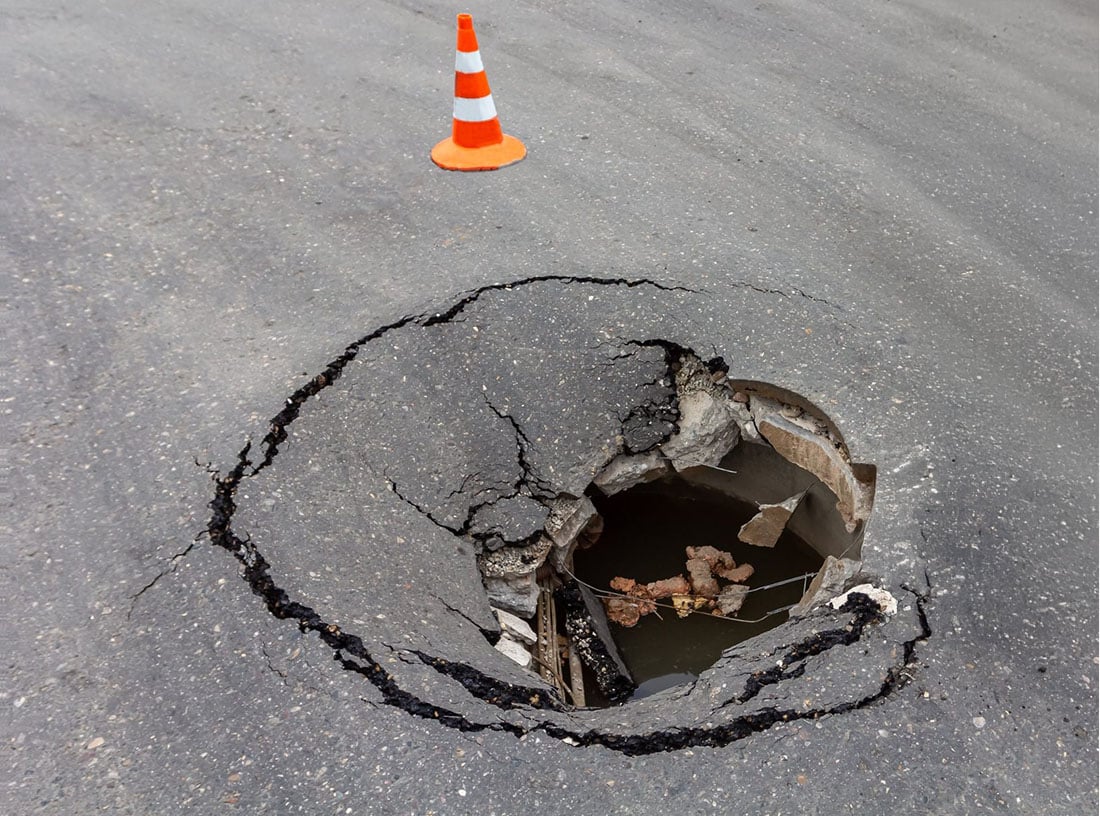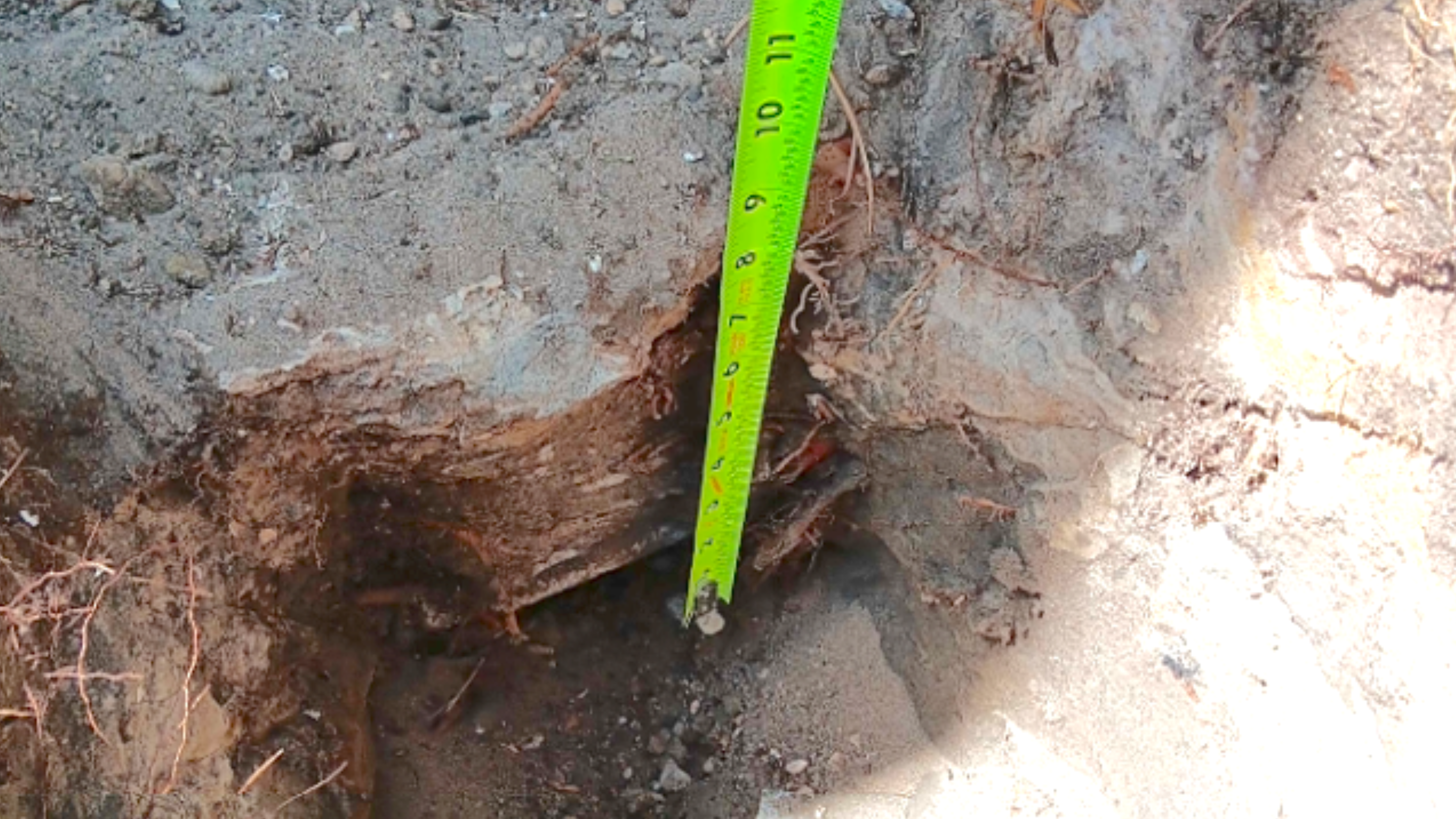
Sunken concrete can be more than an eyesore. Uneven driveways, sidewalks, and patios create trip hazards, drainage issues, and frustration for homeowners trying to avoid full replacement. The right concrete lifting equipment makes it possible to raise and level slabs efficiently without tearing everything out.
With modern methods, contractors can address settled concrete quickly and with far less disruption than traditional demolition. Helicon works with these tools every day to restore concrete surfaces while protecting surrounding property and minimizing downtime.
This guide breaks down the most common types of concrete lifting equipment, how they work, and how to choose the right option for your project. You’ll get clear, practical insight to help you make confident decisions and avoid costly mistakes.
Types of Concrete Lifting Equipment
Different types of concrete lifting equipment work for different job sizes and conditions. Hydraulic systems handle large projects, while foam injection machines offer precision for smaller repairs.
Hydraulic Concrete Lifting Systems
Hydraulic concrete lifting systems use high-pressure pumps to inject materials under sunken concrete slabs. These setups shine on big projects where you need to lift heavy sections quickly.
A hydraulic proportioner lets you dial in the mixture and injection rate. Adjust the pressure for the slab weight and the soil conditions beneath it.
These systems usually pump grout or polyurethane foam at controlled rates. They come with pressure gauges, flow meters, and safety valves to keep things from going sideways. Most hydraulic units mount on trailers so you can move them around job sites without much hassle.
The main draw here is lifting capacity. You can raise thick concrete sections that weigh several tons, which is honestly pretty impressive. The equipment works faster than manual methods, so you’ll save time on big jobs.
Foam Injection Machines
Foam injection machines pump expanding polyurethane foam beneath concrete slabs to fill voids and lift surfaces. The foam starts as two liquid chemicals that mix inside the pump and expand when injected into the ground.
You control the injection with a handheld gun connected to hoses. The gun lets you target specific areas and stop when the slab hits the right level. Most machines come with temperature controls since foam expansion depends on heat.
Key benefits of foam injection:
- Lightweight equipment that’s easy to move around
- Fast curing time, usually 15 minutes or less
- Minimal cleanup once you’re done
- Less invasive than traditional methods
The foam weighs much less than grout but still provides strong support. You only need to drill smaller holes (about 5/8 inch), so repairs are less noticeable when you finish up.
Slab Jacking Pumps
Slab jacking pumps inject thick grout mixtures under concrete to raise and level slabs. These pumps handle cement-based slurries, sand mixtures, and other heavy materials.
You connect the pump to the injection ports drilled through the concrete. The holes are larger (1.5 to 2 inches) than what foam injection needs.
The grout flows under pressure and fills empty spaces while lifting the slab. Most slab jacking pumps are diesel or electric powered, and they need enough force to push thick material through hoses and into tight spots.
The equipment includes mixing tanks, agitators, and pressure controls. This method costs less than foam injection for materials, and the grout adds significant weight, which helps stabilize the slab. You’ll probably need more cleanup time since grout can spill during injection.
Manual Lifting Tools
Manual lifting tools work for small repairs and tight spaces where big equipment just won’t fit. These tools include hand pumps, jacks, and leverage devices.
Hand-operated grout pumps let you inject material without power equipment. You pump a handle to create pressure and push grout beneath the slab. These are great for patios, small sidewalk sections, and steps.
Screw jacks and hydraulic bottle jacks can lift concrete temporarily while you add support underneath. You’ll need access to the slab edges or voids beneath the surface.
Common manual tools include:
- Hand grout pumps
- Pry bars for lifting edges
- Small hydraulic jacks
- Mixing paddles and buckets
Manual methods take more physical effort and time. But they cost a lot less than powered equipment and give you more control in delicate situations. You can often finish small jobs with tools you already own, which is always a win.
How Concrete Lifting Equipment Works
Concrete lifting equipment uses controlled material injection beneath settled slabs to raise them back to their original position. The process relies on hydraulic pressure and precise leveling techniques to restore surfaces safely and efficiently.
Basic Lifting Principles
Concrete lifting works by filling empty spaces under sunken slabs with expandable materials. When soil settles or erodes beneath your concrete, it creates voids that cause the surface to sink.
The lifting equipment targets these voids with precision. Hydraulic pumps generate enough pressure to lift heavy concrete slabs.
These pumps push lifting materials through small holes drilled into your concrete surface. The pressure needs to be strong enough to raise the slab but controlled enough to avoid cracking.
Most equipment operates at pressures between 100 and 300 PSI. That’s enough force to lift residential and commercial slabs without causing damage. The operator keeps an eye on the lift in real-time to ensure even raising across the entire surface.
Material Injection Process
Your contractor drills holes about 1 to 2 inches in diameter through the sunken concrete slab. These access points allow the injection equipment to pump material directly beneath the surface.
The holes are strategically placed where the slab needs support. Two main materials are used for injection: polyurethane foam and cement-based slurry.
Polyurethane foam expands as it cures and weighs much less than traditional materials. Cement slurry uses a mix of water, soil, sand, and cement that flows into voids and hardens.
The injection gun or hose hooks right up to the pump system. As material flows beneath your slab, it fills voids and creates upward pressure. Your contractor watches the slab rise and stops the injection when it hits the correct height.
Leveling and Stabilization Techniques
Laser levels and transit tools help your contractor measure the exact height of your concrete surface. These tools show precisely how much lift is needed at each injection point.
The operator adjusts injection amounts based on these measurements. Lifting happens gradually in small increments—a quick lift can crack your concrete or leave you with uneven surfaces.
Your contractor might lift the slab a fraction of an inch at a time until it reaches the target level. Once the slab hits the right height, the injected material cures and hardens.
Polyurethane foam usually cures in about 15 minutes, while cement slurry takes more like 24 hours. After curing, the material provides long-term support to keep future settling at bay.
Choosing the Right Concrete Lifting Equipment
Picking the right concrete lifting equipment means matching the machine’s capabilities to your specific project needs. You’ll have to compare things like pump capacity, mobility, and how the upfront costs stack up against long-term value.
Assessing Project Size and Scope
Your project size decides what kind of lifting equipment you need. Small residential jobs—like lifting a backyard patio or fixing a few sunken driveway spots—work well with portable pumps that one or two people can haul and operate.
These smaller units usually handle foam injection for areas under 500 square feet. Large commercial projects need hydraulic proportioners.
These powerful machines deliver higher capacity and efficiency for parking lots, warehouses, and industrial floors. You’ll want this equipment if you’re raising concrete slabs over 1,000 square feet or working on multiple locations in one day.
The depth and weight of your concrete matter, too. Thicker slabs require more lifting force and larger volumes of material.
Standard 4-inch residential slabs need less power than 8-inch commercial-grade concrete. Consider how many slabs you need to lift and their condition.
Multiple small repairs spread across a site might need different equipment than one big sunken area. Cracked or damaged concrete may require void-filling capabilities in addition to basic lifting.
Comparing Equipment Features
Pump capacity separates basic models from professional-grade machines. Check how many pounds per minute the pump can inject.
Higher flow rates mean faster job completion but cost more upfront. Mobility affects your daily operations.
Trailer-mounted units work for jobs requiring movement between locations. Truck-mounted systems give you even more flexibility.
Stationary pumps suit fixed work sites or shop-based operations.
Key features to compare:
- Injection pressure: Higher pressure reaches deeper voids
- Tank size: Larger tanks mean less refilling
- Hose length: Longer hoses give you better reach
- Power source: Electric, gas, or diesel options
- Control systems: Manual vs. automated mixing and injection
Temperature control matters for foam quality. Better machines regulate material temperature for consistent expansion.
Digital displays help you monitor pressure, temperature, and material ratios in real time. Not all models have bells and whistles, so decide what you really need.
Budget and Cost Considerations
Entry-level concrete lifting pumps start around $15,000 to $25,000. These basic models handle small repair jobs and give new businesses a way to get started.
Mid-range equipment costs $30,000 to $60,000 and offers better capacity and features for growing operations. Professional hydraulic proportioners run $70,000 to $150,000 or more.
These machines justify their price through speed, reliability, and the ability to handle large commercial projects. Don’t forget ongoing costs.
Polyurethane foam materials typically cost $3 to $8 per pound. You’ll also pay for maintenance, repairs, and equipment transportation.
Factor in training costs for operators to use the equipment safely and effectively. Used equipment can cut initial investment by 30% to 50%.
Check the machine’s service history, pump condition, and available parts before buying. Some suppliers offer financing or leasing options that spread costs over time while you build your business.
Safety and Maintenance for Concrete Lifting Equipment
Safety protocols and regular maintenance keep your concrete lifting equipment running smoothly and protect everyone on the job site. Training operators, performing routine checks, and knowing how to fix common problems will extend your equipment’s life and help you avoid costly accidents.
Operator Safety Guidelines
You need to complete thorough training before operating any concrete lifting equipment. That means understanding load capacities, proper positioning techniques, and emergency procedures.
Always conduct pre-use inspections of your equipment. Check hydraulic lines for leaks, examine lifting points for damage, and verify that all safety mechanisms work correctly.
These quick checks take only a few minutes but can prevent serious accidents. Never exceed the rated capacity of your lifting equipment.
Overloading causes equipment failure and puts workers at risk. Use the manufacturer’s load charts and factor in the weight of the concrete plus any reinforcement materials.
Keep a safe distance from lifting operations if you’re not directly involved. Set up clear barriers around the work area and post warning signs.
Make sure all workers wear proper personal protective equipment—hard hats, safety boots, and high-visibility clothing. Position your lifters correctly and ensure they’re aligned with the concrete element before starting. Misaligned equipment can cause the load to tilt or shift unexpectedly during the lift.
Routine Equipment Maintenance
Clean your equipment after each use to remove concrete residue, dirt, and debris. These materials cause premature wear and can hide damage that needs repair.
Inspect hydraulic systems weekly for leaks, worn hoses, and proper fluid levels. Low hydraulic fluid or contaminated oil reduces lifting power and damages internal components.
Replace filters according to the manufacturer’s schedule. Lubricate moving parts regularly using the recommended grease or oil.
Pay special attention to pivot points, lifting mechanisms, and adjustment screws. Proper lubrication prevents rust and reduces friction.
Key maintenance tasks include:
- Checking and tightening all bolts and connections
- Examining cables and chains for fraying or wear
- Testing safety release mechanisms
- Calibrating pressure gauge
- Replacing worn seals and gaskets
Keep detailed maintenance records showing dates, tasks performed, and any parts replaced. This documentation helps you track equipment condition and plan future maintenance.
Troubleshooting Common Issues
Slow lifting speed usually means you’re low on hydraulic fluid, have a worn pump, or there’s air trapped in the system. Check the fluid levels first, then bleed out air from the hydraulic lines if you need to.
If your equipment won’t hold pressure, you probably have a leaking seal or a busted valve. Take a look at every connection and swap out any worn seals as soon as you spot them.
Uneven lifting? That’s often because the load isn’t balanced or a control valve is acting up. Try repositioning the load and make sure all lifting points are working together.
Strange noises during operation are never a good sign. Grinding sounds usually mean worn gears or bearings, while hissing suggests a hydraulic leak. Clicking noises might mean you’ve got loose parts somewhere.
If you spot any cracks in welds or structural pieces, just stop using the equipment right away. Those cracks can mess with how much weight your gear can handle and need a pro to fix or replace.
Innovations and Trends in Concrete Lifting
The concrete lifting world keeps shifting, with new materials and tech making repairs easier and a bit kinder to the planet. Modern gear leans into greener options and smart systems that really change how people get the job done.
Eco-Friendly Materials
Polyurethane foam has become the go-to for concrete lifting since it’s lighter and, honestly, a lot more sustainable than the old-school stuff. This foam expands fast, filling up empty spots under slabs, and uses less energy to make than older methods.
A lot of contractors now prefer eco-friendly lifting solutions that cut down on waste and environmental impact. These green options break down more safely and won’t leak nasty chemicals into the soil or water. They work just as well as traditional materials, but you don’t have to worry as much about what’s left behind.
Modern foam mixes use more recycled stuff and fewer harsh chemicals, too. That means better air for everyone nearby when you’re working.
Advancements in Lifting Technology
New lifting equipment comes with advanced sensors and monitoring systems that track pressure and movement in real time. You can actually watch how much the slab lifts and tweak things while you work.
Digital controls now do a lot of what used to be manual, so operators get more accurate with injections. The machines measure out exactly how much foam or grout you need, which saves money and cuts waste. GPS helps you map out the trouble spots before you even start.
Portable machines have shrunk and gotten stronger, so you can squeeze into tight spots that used to be a pain. Battery-powered options are popping up more, which means less noise and no exhaust fumes on the job.
Automated Systems in Concrete Lifting
Smart equipment now links up with tablets and phones, so you can control injection rates and keep tabs on multiple projects from one spot. Internet-connected gear tracks how it’s running and gives you a heads up when maintenance is due.
Automated mixers blend materials to the right specs every time, so you don’t have to guess. You’ll see consistent results, even if the weather’s all over the place. Some systems even tweak the mix automatically based on temperature and humidity.
Robotic parts help line up injection points with computer-level accuracy. It speeds up the job, saves your crew’s backs, and makes repairs a little more reliable.
Restore Level Concrete Without Full Replacement
Uneven concrete creates safety concerns, hurts curb appeal, and often gets worse if ignored. The right concrete lifting equipment can correct settlement issues efficiently while preserving the slab you already have.
With proper tools and techniques, concrete can be lifted, leveled, and stabilized without the cost and disruption of removal. Helicon helps property owners address these problems with proven methods designed for long-term performance.
If your driveway, sidewalk, or patio is sinking, scheduling a professional evaluation is the next smart step. Request an inspection or estimate to find the most practical solution for your concrete repair needs.
Frequently Asked Questions
What Is Concrete Lifting Equipment Used For?
Concrete lifting equipment is used to raise and level sunken concrete slabs. It corrects issues caused by soil settlement, erosion, or voids beneath the slab without requiring full replacement.
Is Concrete Lifting Better Than Replacing Concrete?
In many cases, yes. Concrete lifting is faster, less disruptive, and more cost-effective than removal and replacement when the slab is still structurally sound.
What Types Of Projects Can Use Concrete Lifting Equipment?
Concrete lifting equipment is commonly used for driveways, sidewalks, patios, pool decks, garage floors, and commercial slabs. The right equipment depends on slab size, thickness, and settlement depth.
How Long Does Concrete Lifting Take?
Most residential concrete lifting projects are completed in a few hours. Foam injection methods often allow normal use the same day, while grout-based methods may need more curing time.
Does Concrete Lifting Equipment Damage The Slab?
When used correctly, concrete lifting equipment is designed to lift slabs evenly and safely. Controlled pressure and gradual lifting help reduce the risk of cracking or surface damage.
Can Concrete Lifting Prevent Future Settlement?
Concrete lifting fills voids and stabilizes the soil beneath the slab, which helps reduce future settlement. Proper drainage and soil conditions also play a key role in long-term performance.
Is Concrete Lifting A DIY-Friendly Project?
Small repairs may be possible with rental equipment or kits, but larger or structural projects typically require professional-grade concrete lifting equipment and experience to avoid uneven results.
How Do I Know Which Concrete Lifting Equipment Is Right?
Choosing the right equipment depends on slab size, weight, access, and soil conditions. A professional evaluation helps match the correct lifting method to the specific problem.