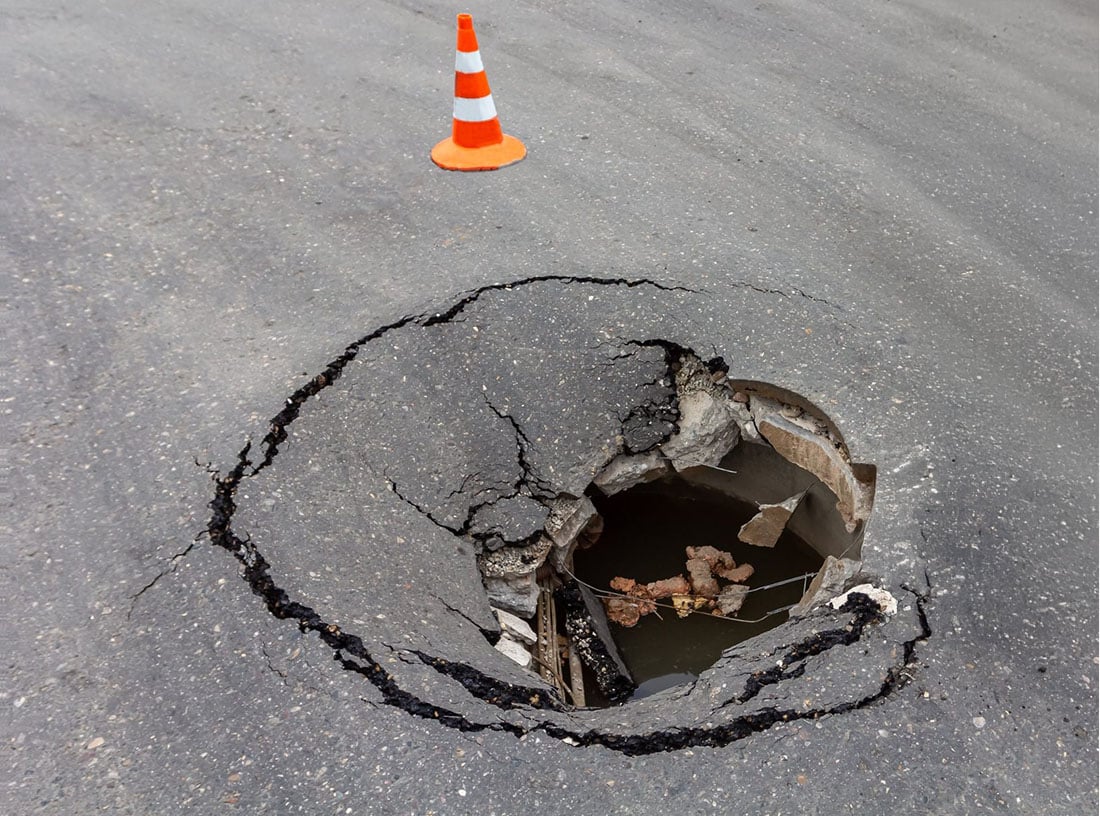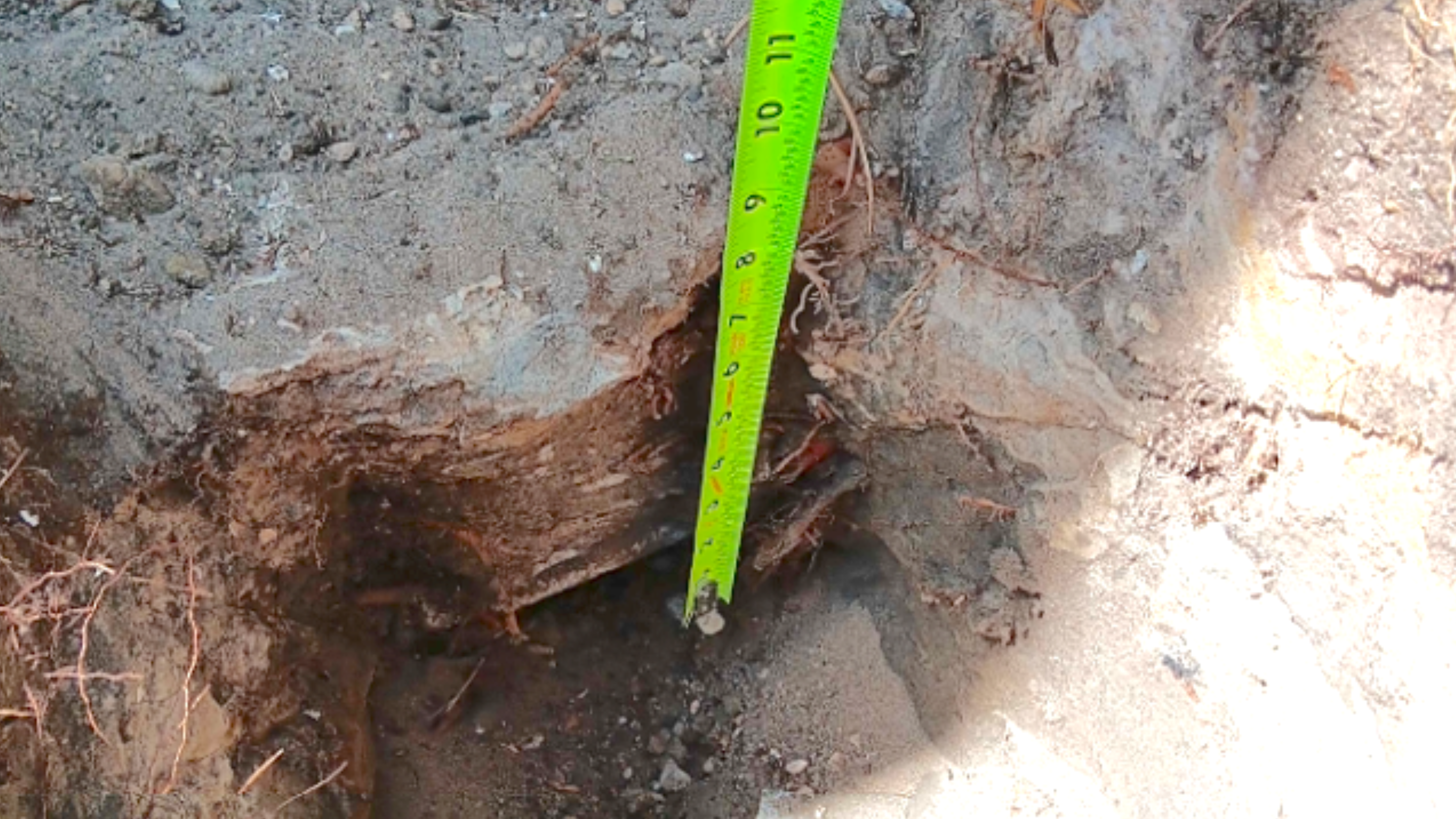
Sunken concrete can be frustrating and hard to ignore. Uneven slabs create trip hazards, drainage issues, and an eyesore around driveways, patios, and walkways. Many homeowners searching for what kind of foam is used to lift concrete want a fix that works without tearing everything out.
That’s where Helicon fits in. Foam concrete lifting offers a cleaner, faster way to raise settled slabs using specialized polyurethane foam injected beneath the surface. The process targets the real problem below the concrete instead of masking it on top.
This guide explains what kind of foam is used to lift concrete, why it works so well, and how it compares to older repair methods. You’ll also learn what benefits to expect and when foam lifting makes the most sense for your property.
Types of Foam Used for Concrete Lifting
Contractors mainly use polyurethane foam for concrete lifting, but there are a few specialized types for unique situations. Each foam has its quirks and strengths, making it better for certain concrete repair needs.
Polyurethane Foam
Polyurethane foam is, hands down, the go-to for lifting concrete slabs. It starts as a liquid, then expands fast—sometimes 15 to 40 times its original size—when injected under your concrete.
You’ll find two main types: open-cell and closed-cell. Closed-cell is the favorite for lifting because it’s denser and stronger. It also shrugs off water better, which matters if you’ve got moisture sneaking under your slab.
Once it hardens, the foam forms a solid support base. It’s surprisingly lightweight but still strong enough to lift hefty concrete slabs. You can usually use your surface within an hour after the foam cures, which is honestly pretty convenient for driveways and garage floors.
Polymeric Resin Foam
Polymeric resin foam is another option, and it’s even denser than standard polyurethane. Its chemical makeup creates a harder, more rigid end product. Contractors might suggest this if your slab needs extra muscle or sits somewhere with a lot of traffic.
Installation feels a lot like polyurethane foam injection, but polymeric resin doesn’t expand as aggressively. That gives the technician more control, which is handy when you need a really precise lift to level your concrete.
Some polymeric foams are built for heavy-duty jobs, like commercial driveways or industrial floors. In those cases, the extra strength is kind of a must.
Other Specialty Foam Materials
Sometimes, a project calls for something a little different. Hybrid foams mix polyurethane with other stuff to handle weird soil or wild temperature swings.
There are also eco-friendly foams made from bio-based ingredients instead of petroleum. These are better for the planet but still do the job.
Contractors can tweak the foam with additives, too. They might adjust the expansion speed, curing time, or density to fit the job’s needs. It’s a bit like customizing your order at a coffee shop, but for concrete.
How Foam Lifting Works
Foam lifting gets its magic from expanding polyurethane foam. Technicians inject it under concrete slabs to fill voids and push sunken surfaces back up where they belong. The foam expands in seconds and hardens fast, giving real support.
Process Overview
The job starts with drilling small holes—about 5/8 inch—into your slab. These holes are spaced a few feet apart, depending on how big the sunken area is.
A technician pops an injection port into each hole. Foam flows in through these ports, filling the empty space beneath your concrete. As it expands, it lifts the slab.
You’ll usually see results in just a few minutes. The slab rises anywhere from half an inch to a few inches, depending on how much it had sunk. Afterward, they patch the holes with cement, leaving only tiny marks.
Foam Reaction and Expansion
Polyurethane foam forms when two liquids mix under your slab. The reaction is fast and creates foam that can expand up to 15 times its starting volume.
It’s much lighter than mud or grout. That’s important because you don’t want to add more stress to weak soil.
The expansion stops as soon as it fills the space or hits the right lift. The foam hardens in about 15 minutes, so you can walk or drive on the slab almost right away.
Injection Techniques
Techs use special gear to control how the foam goes in. They inject slowly and keep an eye on the slab to avoid over-lifting or cracking.
There’s a method to the madness: they start at the lowest point and work outward. That way, the lift is even, and new cracks don’t show up.
Experienced crews tweak the pressure and foam formula based on your soil and slab type. Indoor jobs or outdoor ones, light slabs or heavy ones—they’ll pick the right approach for each.
Comparing Foam to Traditional Concrete Lifting Methods
Polyurethane foam lifting has some clear perks over older repair methods. The main alternatives are mudjacking and full-on slab replacement.
Foam vs. Mudjacking
Mudjacking relies on a mix of water, soil, sand, and cement to push up slabs. That slurry is heavy—way heavier than polyurethane foam—and can stress already weak soil.
Foam only needs small holes, about the size of a penny. Mudjacking requires big, noticeable holes, 1-2 inches across.
Polyurethane foam cures in around 15 minutes. With mudjacking, you’re waiting 24-48 hours before you can use the surface.
Weight comparison:
- Polyurethane foam: 2-4 pounds per cubic foot
- Mudjacking material: 100-150 pounds per cubic foot
Foam lifting tends to work better long-term. The material won’t wash out or erode like mudjacking slurry sometimes does. Plus, foam expands into all the nooks and crannies, filling gaps as it hardens.
Mudjacking might be cheaper up front, but foam usually lasts longer and cuts down on future repairs. That makes it more cost-effective over time, at least in my book.
Foam vs. Slab Replacement
Replacing concrete means tearing out the old slab, prepping the base, and pouring new stuff. It takes days and costs two or three times more than foam lifting.
You’ll need to stay out of the area for at least a week while the new slab cures. Foam lifting wraps up in a day with barely any disruption.
Replacement creates piles of waste concrete to haul away. Foam lifting barely leaves a trace since it keeps your existing slab.
New concrete doesn’t fix the root cause, which is unstable soil. Your shiny new slab could sink again if the dirt underneath is still a problem. Foam stabilizes the soil as it lifts, tackling both issues at once.
Cost comparison for a typical driveway:
- Foam lifting: $1,500-$3,000
- Slab replacement: $4,000-$8,000
Foam also keeps any cool decorative finishes or colors you have on your slab, which replacement would wipe out.
Benefits of Using Foam for Concrete Lifting
Foam lifting stands out for two big reasons: it creates a solid foundation and sets way faster than other options.
Strength and Stability
Polyurethane foam delivers a strong, long-lasting support system under your slab. As it expands and hardens, it fills every empty pocket beneath the concrete. That gives your slab a solid base that won’t compress or crumble over time.
The foam is light, so it doesn’t add extra weight that could sink the slab again. Even so, it’s tough enough to handle things like driveways and garage floors.
It also keeps water out, which matters because water is a big reason concrete sinks in the first place. By blocking water, the foam protects the soil from washing away. That keeps your slab level for years.
The material bonds right to the bottom of your slab and the soil, creating a unified support. That spreads out the weight and helps prevent future settling.
Quick Curing Times
Polyurethane foam cures in just 15 to 30 minutes. You can walk on it almost right after the crew packs up. Most contractors say you’re good to go within an hour.
This quick cure means you don’t have to block off driveways or walks for days. You can park your car or get back to normal life the same day.
The fast set time also makes foam lifting a good pick for indoor jobs or anytime you need the area back ASAP. Weather doesn’t mess with the cure much, so crews can work year-round in most places.
Environmental Considerations and Safety
Polyurethane foam for concrete lifting brings some environmental benefits and meets safety standards when used right. It creates less waste than traditional fixes and becomes stable once cured.
Eco-Friendly Foam Options
Foam lifting generates a lot less waste than replacing slabs. You don’t have to haul away broken concrete or bring in tons of new material.
The foam itself is light and expands to fill gaps with minimal impact. Manufacturers are starting to use more eco-friendly ingredients, too. Once cured, the foam is inert and doesn’t leach anything nasty into your soil or water.
You’ll also shrink your carbon footprint. Most jobs don’t need heavy equipment, so there’s less fuel burned and fewer emissions. Since foam repairs last, you won’t need to redo them as often, saving resources over time.
Health and Safety Precautions
Once it’s cured, polyurethane foam is non-toxic and safe for homes and businesses. It meets OSHA standards for construction work.
During installation, workers need to keep the area clear for safety and wear protective gear while handling the uncured foam. After it hardens, the foam doesn’t release harmful chemicals into the air.
You can use your concrete soon after the job’s done. The quick cure means you’re barely inconvenienced. The finished foam is stable and won’t break down or release anything that could mess with your health or the environment.
A Practical Way to Fix Sunken Concrete
Sunken concrete doesn’t just look bad. It can create safety risks, collect water, and lead to bigger problems if left alone. Understanding what kind of foam is used to lift concrete helps you choose a repair that fixes the cause, not just the surface.
High-density polyurethane foam raises and supports concrete without heavy equipment or long downtime. It fills voids, stabilizes soil, and lets you use the area again the same day in most cases. For many homeowners, it’s a faster and less disruptive alternative to replacement.
Helicon provides foam lifting solutions designed to restore level concrete with minimal interruption. If you’re dealing with sinking slabs, scheduling a professional inspection is the best first step toward a safer, more even surface.
Frequently Asked Questions
What Kind Of Foam Is Used To Lift Concrete?
High-density polyurethane foam is the most common material used to lift concrete. It expands beneath the slab, fills voids, and raises the surface back to level while providing long-term support.
Why Is Polyurethane Foam Better Than Other Materials?
Polyurethane foam is lightweight, strong, and water-resistant. Unlike mudjacking materials, it won’t wash out or add excess weight that could cause future settling.
How Long Does Foam Concrete Lifting Last?
Foam lifting typically lasts 10 to 15 years or longer. Longevity depends on soil conditions, drainage, and addressing the original cause of settlement.
How Soon Can You Use Concrete After Foam Lifting?
Most foam lifting jobs cure within 15 to 30 minutes. In many cases, you can walk or drive on the surface the same day.
Is Foam Lifting Safe For Homes And The Environment?
Once cured, polyurethane foam is inert and non-toxic. It creates less waste than slab replacement and helps reduce environmental impact by reusing existing concrete.
Can All Sunken Concrete Be Lifted With Foam?
Foam lifting works well for driveways, sidewalks, patios, garage floors, and pool decks. Severely damaged or crumbling concrete may need replacement instead.
Is Foam Lifting Better Than Replacing Concrete?
Foam lifting is usually faster, less disruptive, and more affordable than replacement. It also addresses soil issues beneath the slab rather than starting over on unstable ground.