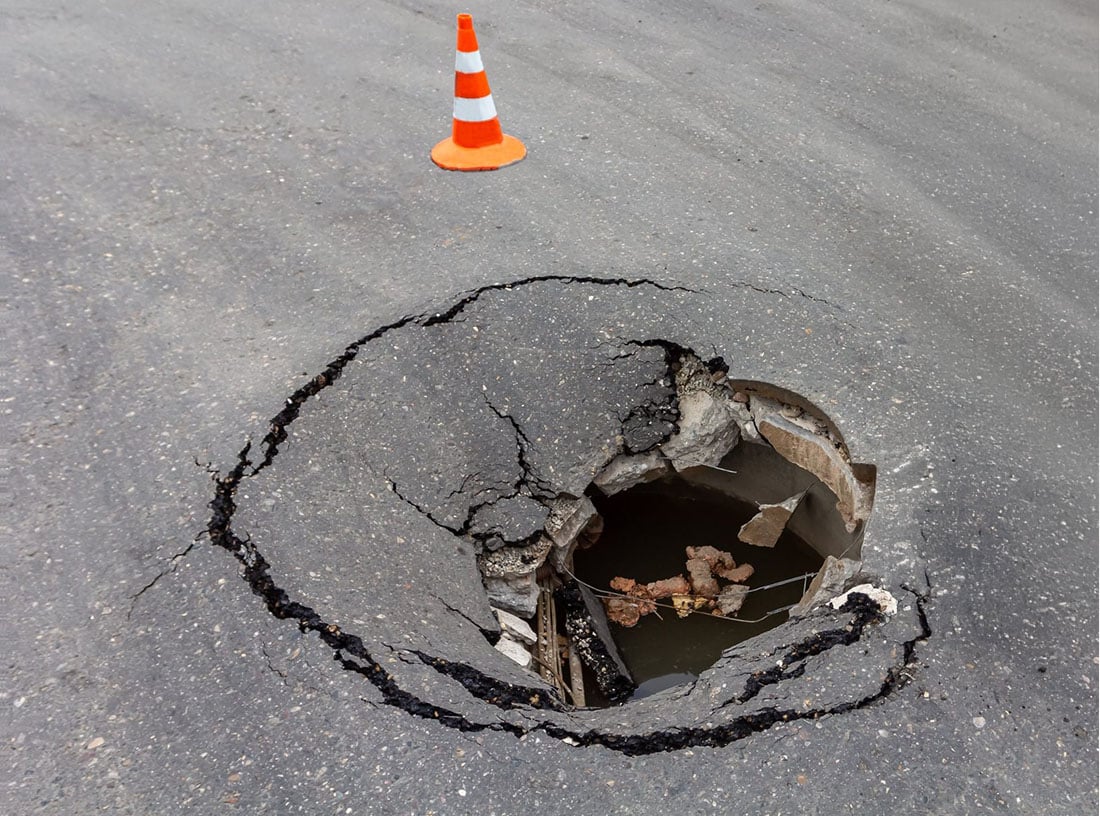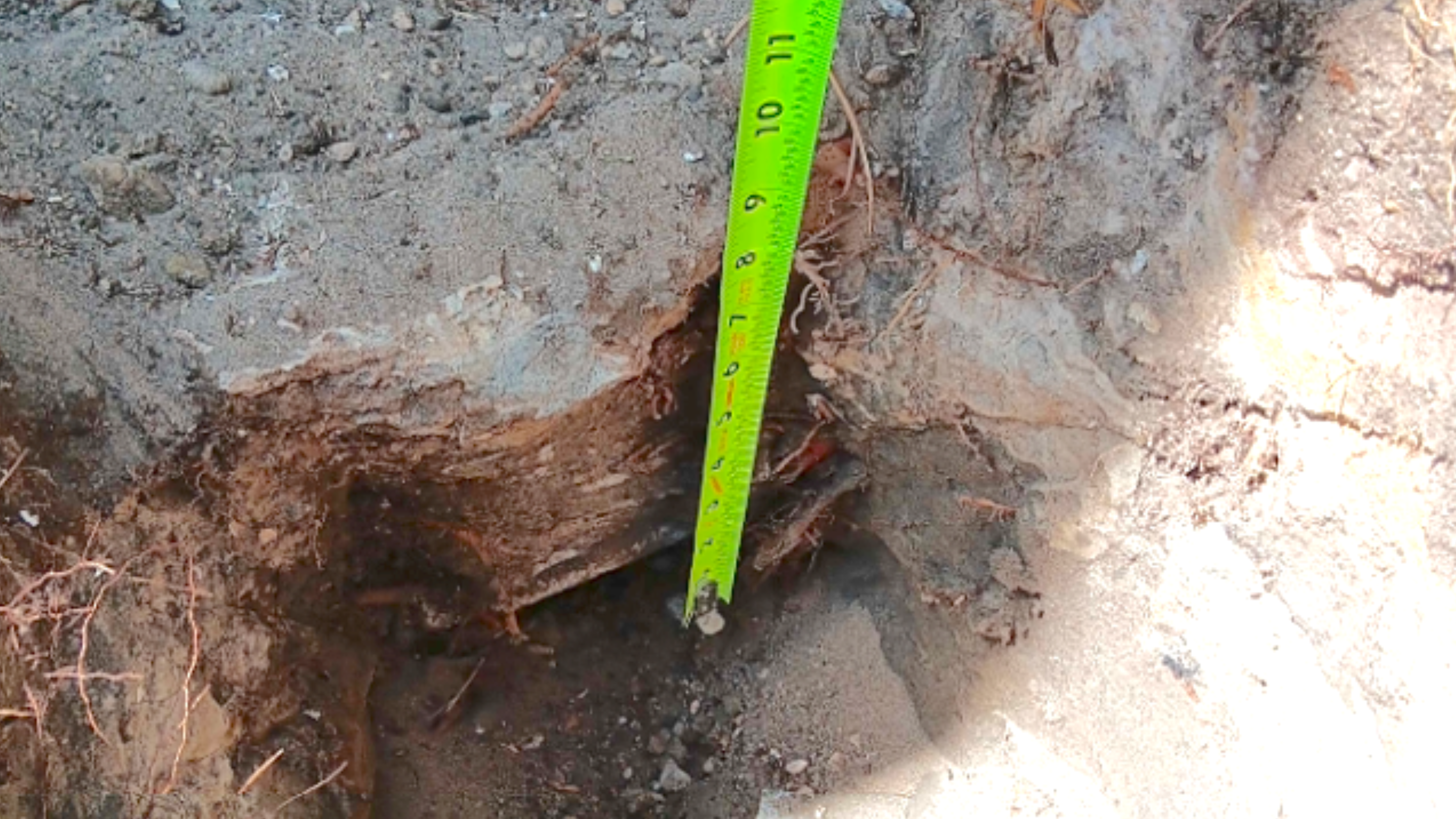
Cracks in walls, uneven floors, and doors that will not close properly are common signs of structural foundation failure. These problems often start quietly, but they can affect your home’s safety, comfort, and value if left unaddressed.
Homeowners across Florida deal with shifting soils, moisture changes, and settlement issues that put stress on foundations. At Helicon, these warning signs are often the first clues that something deeper is happening below the surface.
This guide breaks down the most important signs of structural foundation failure to watch for, inside and outside your home. Knowing what to look for helps you act early, avoid surprise repairs, and protect your investment with confidence.
Common Warning Signs of Structural Foundation Failure
Foundation issues show up in ways you can see and feel around your home. Keeping an eye on changes in your walls, floors, and how your doors and windows work can help you catch these problems before they get worse.
Cracks in Walls and Ceilings
Cracks on your walls or ceilings often spell foundation trouble. Look for cracks wider than a quarter inch or those with a stair-step pattern, especially near corners or where walls meet ceilings.
Vertical cracks usually aren’t as worrying, but horizontal or diagonal ones can signal serious foundation movement. If you see cracks growing or new ones showing up, it’s time to have a professional inspect your foundation.
Uneven or Sagging Floors
Uneven floors can feel like slopes, dips, or “soft” spots as you walk through your home. Sagging floors often mean the foundation underneath isn’t supporting your house evenly anymore.
You might spot gaps between floorboards or doors that don’t sit level. These changes can get worse if ignored, and that means pricier repairs down the line.
Regularly checking your floors for unevenness is a smart move. It’s one of those things that seems small until it’s not.
Doors and Windows That Stick
Doors and windows that suddenly stick, jam, or won’t close properly may be reacting to foundation movement. When the frame shifts, it throws off the alignment, making it hard to open or close them smoothly.
Check for gaps between the door or window and its frame, or light shining through where it didn’t before. These are strong signs your foundation needs attention.
Serious Structural Damage Indicators
Sometimes, clear signs point to major foundation trouble. These indicators affect both how your home stands and how safe it is. Certain wall and window issues can tip you off to more serious damage.
Bowing or Bulging Walls
If your walls are bowing or bulging, the structure is under pressure. This usually happens when the soil around your home pushes against the foundation unevenly.
Bowing walls curve inward, while bulging ones stick out. These changes weaken the wall’s ability to support your house.
You might notice cracks, uneven surfaces, or walls that feel soft to the touch. If you let these problems go, you risk a wall collapse. Fixing bowing or bulging walls usually takes professional support.
Separation of Walls From the House
Walls pulling away from the rest of the building are a big red flag. This separation creates gaps you can see inside and out.
You might find cracks where walls meet ceilings or floors. This shift means parts of your home are moving independently, which messes with stability.
It can also cause uneven floors and doors or windows that don’t line up properly. Once you spot separation, get a professional evaluation to figure out repairs.
Gaps Around Windows and Doors
Gaps or spaces around windows and doors are classic signs of a failing foundation. These gaps make it tough to open or close things properly, and you might notice drafts or water leaks in these areas.
When your foundation shifts or settles unevenly, the frames move, and gaps show up. This can lead to more cracks and damage around these openings. Fixing these problems early helps you avoid bigger repair bills. Solutions often include foundation leveling or reinforcement.
Exterior Signs of Foundation Compromise
Sometimes, the outside of your home gives away foundation problems. You might see visible cracks in the brick, a chimney that leans, or other obvious signs that the foundation is shifting. Paying attention to these details can help you spot trouble before it gets serious.
Cracks in Exterior Brickwork
Cracks in your brickwork can mean foundation trouble. Look for cracks wider than a quarter inch or those that run in a stair-step pattern along the mortar joints.
Horizontal cracks or big gaps are especially worrying—they often mean the foundation is settling unevenly. Small, hairline cracks are common and not always a big deal.
If you see cracks growing over time, it’s smart to get a professional inspection. Experts suggest monitoring these cracksregularly. Early detection can save you from bigger headaches later.
Sloping or Shifting Chimneys
A chimney that tilts or pulls away from the house is a strong sign of foundation problems. Chimneys are heavy and need a solid base, so if the soil underneath shifts, the chimney can lean or crack.
Check if the chimney wobbles when you push it or if there are gaps where it meets the roofline or walls. These changes show uneven settling underneath. Fixing the foundation can stop the movement and prevent a chimney collapse, which is both dangerous and expensive.
Visible Foundation Movement
Sometimes you can actually see the foundation move or shift. Look for big cracks along the foundation walls or slabs, especially those that let daylight or water into your basement or crawl space.
If you notice gaps between the foundation and the soil, or parts of the foundation that look higher or lower, that’s a warning sign. Bowing walls or bulges also show structural stress. Acting quickly can save you from severe deterioration and major repairs. If you spot any of these signs, contact a trusted foundation repair company.
Moisture and Water-Related Symptoms
Water problems around your foundation can wreak havoc over time. Signs like damp basements or water pooling near your foundation point to issues that need fixing to keep your home stable.
Persistent Dampness in Basements
If your basement always feels damp or musty, that’s a key sign of moisture problems. Dampness can come from poor drainage, leaks, or just high humidity.
Over time, wet conditions can weaken the foundation walls and even lead to mold. Look for water stains, peeling paint, or mold spots on walls. These are signs that moisture is sneaking through cracks or gaps.
Persistent dampness can also lead to wood rot or damage to things you store down there. Regular checks and quick leak fixes go a long way. Proper waterproofing and ventilation help keep basements dry.
Pooling Water Around Foundation
Water that pools and sticks around your foundation is a real risk to the structure’s integrity. Pooling rainwater or runoff can seep into the soil and make it expand or shift, putting pressure on your foundation.
This can cause cracks or settling. Take a look at your yard for low spots where water collects. Gutters and downspouts should send water away from your home, not toward it.
If you see puddles that stick around long after rain, you probably have drainage issues. Addressing standing water early can prevent soil and foundation damage.
Secondary Effects of Foundation Failure
Foundation failure isn’t just about cracks or uneven floors. It can mess with your home’s functionality and daily comfort in ways you might not expect. Some sneaky signs include misaligned cabinets or hidden plumbing leaks that aren’t obvious right away.
Misaligned Cabinets and Counters
When your foundation shifts or settles unevenly, cabinets and counters may not fit right anymore. You might notice doors that don’t close smoothly or drawers that stick.
This happens because the walls supporting these fixtures aren’t straight or level. Look for gaps between cabinet frames and walls or counters that seem tilted.
These changes can make kitchen and bathroom tasks more annoying. If you ignore it, repairs tend to get more expensive as things get worse.
Plumbing Leaks
Foundation movement can crack pipes or loosen joints under your home. You might spot water stains on ceilings, floors, or walls, or hear dripping sounds where pipes run through the foundation.
Leaks caused by shifting foundations can damage your home’s structure and spike your water bills. It’s smart to check for wet spots around plumbing fixtures and baseboards regularly. Catching these issues early helps you avoid serious water damage and big repair costs.
Unusual Sounds and Movements
If you hear strange noises or notice your home shifting, your foundation might be under stress. Paying attention to sounds like creaking or popping, along with any visible movement, can help you spot problems early.
That makes repairs easier and keeps your home safer.
Creaking or Popping Noises
You might hear creaking or popping sounds, especially when walking across floors or moving heavy doors. These noises often come from slight shifts in the structure as the foundation moves or settles unevenly.
Don’t just brush off these sounds, especially if they happen often or get louder. They can mean that beams, joists, or other supports are under pressure or loosening. Over time, this can lead to cracks or warped walls and floors.
Keep an ear out for these noises, along with other signs like cracks or sticking doors. If you notice them, reaching out to a foundation expert sooner rather than later could save you a lot of hassle.
Noticeable Foundation Settling
When a foundation settles, you might spot uneven floors or walls that lean a bit. This usually happens when one part of your house sinks more than the rest, often thanks to soil changes under the foundation.
Want to check for settling? Try opening doors or windows—if they stick or just won’t close right, that’s a clue. Sometimes, you’ll notice gaps around door frames or windows, too.
These shifts can mess with your home’s comfort and energy bills. If the foundation keeps moving, you’ll probably see cracks in the walls, floors, or even the foundation itself.
It’s smart to jump on these issues fast to avoid big repair costs later on. Here’s a tip: foundation repair can stabilize a home that’s started to settle, and it’s been a go-to fix for years.
When to Consult a Structural Engineer
You should reach out to a structural engineer if you notice any signs of foundation problems in your home. Common red flags? Cracks in walls or floors, doors and windows that stick or just won’t close right, and floors that feel uneven or sloped.
These issues could mean your home’s stability is at risk. If your foundation shows signs of moisture damage—like water stains or a damp basement—it’s smart to get a professional evaluation.
Water can quietly weaken a structure over time, which nobody wants. A structural engineer can check the damage and suggest the best course of action.
Thinking about buying or selling a home? It’s worth having a licensed structural engineer inspect the foundation before making any decisions. This step can reveal hidden issues and help you dodge expensive surprises later.
You should also bring in a structural engineer if you see foundation settling, stair-step cracks in masonry, or walls that seem to be shifting. Problems like these impact the load-bearing parts of your house and really need an expert’s eye for a safe fix.
Protect Your Home Before Foundation Problems Grow
The signs of structural foundation failure often start small, but they rarely stay that way. Cracks, sticking doors, uneven floors, and moisture issues are your home’s way of signaling that something needs attention.
Addressing these warning signs early can help limit damage, reduce repair costs, and protect your home’s long-term stability. Helicon works with homeowners to identify foundation concerns clearly and recommend practical next steps without pressure.
If you are noticing any of these issues, scheduling a professional inspection is a smart move. A timely evaluation can give you answers, peace of mind, and a clear path forward before minor problems become major repairs.
Frequently Asked Questions
What are the most common signs of structural foundation failure?
The most common signs of structural foundation failure include wall cracks, uneven or sagging floors, sticking doors and windows, and gaps around frames. Exterior issues like brick cracks or leaning chimneys are also common warning signs.
Are small cracks always a sign of foundation failure?
Not always. Small hairline cracks can result from normal settling or temperature changes. However, cracks that widen, form stair-step patterns, or grow over time may indicate structural foundation failure and should be evaluated.
Can foundation problems get worse if ignored?
Yes. Signs of structural foundation failure often worsen over time if left unaddressed. Minor movement can turn into serious structural damage, leading to higher repair costs and safety concerns.
How does water affect foundation stability?
Excess moisture can weaken soil and increase pressure on foundation walls. Pooling water, poor drainage, and persistent dampness are common contributors to structural foundation failure.
Should I worry if my doors and windows suddenly stick?
Sudden sticking or misalignment is often a sign that the foundation has shifted. While seasonal changes can cause minor issues, consistent problems usually point to underlying foundation movement.
When should I contact a professional for foundation concerns?
You should contact a professional if you notice multiple signs of structural foundation failure or if existing issues are getting worse. Early evaluation helps confirm the cause and prevents further damage.
Can foundation failure affect home value?
Yes. Structural foundation failure can lower home value and complicate selling or refinancing. Addressing issues early helps protect both your property and its marketability.