Sinkholes can turn small cracks and soft spots in your yard into serious structural problems. They threaten your foundation, strain your budget, and create constant worry about what might fail next. Ignoring early signs only lets the damage spread.
With an expert sinkhole remediation service from Helicon, you get clear answers and a focused plan to stabilize your property. Experienced crews target the weak soil beneath your home so you are not paying for guesswork or temporary fixes. The goal is simple: make your home safe and steady again.
In this guide, you’ll see how professional sinkhole remediation works from inspection to final repair. Keep reading to learn the warning signs to watch for, the methods used to stabilize soil, and what to expect from insurance and long-term maintenance.
What Is Sinkhole Remediation?
Sinkhole remediation involves specialized techniques to repair ground failures that can damage your property. The process focuses on stopping the progression of sinkholes and stabilizing the soil beneath your structures. Understanding what causes sinkholes and recognizing early signs helps you take timely action to protect your home.
Definition and Scope
Sinkhole remediation is the set of procedures used to fix and prevent damage caused by sinkholes. It includes filling underground voids, stabilizing soil, and reinforcing affected foundations. The main goal is to restore the strength and stability of the ground beneath your home.
Common methods include pressure grouting, where cement-based mixtures are pumped into voids to fill gaps. This strengthens weak soil and supports structures above. Remediation may also involve diverting water away from vulnerable areas, since water movement often triggers sinkholes.
Common Causes of Sinkholes
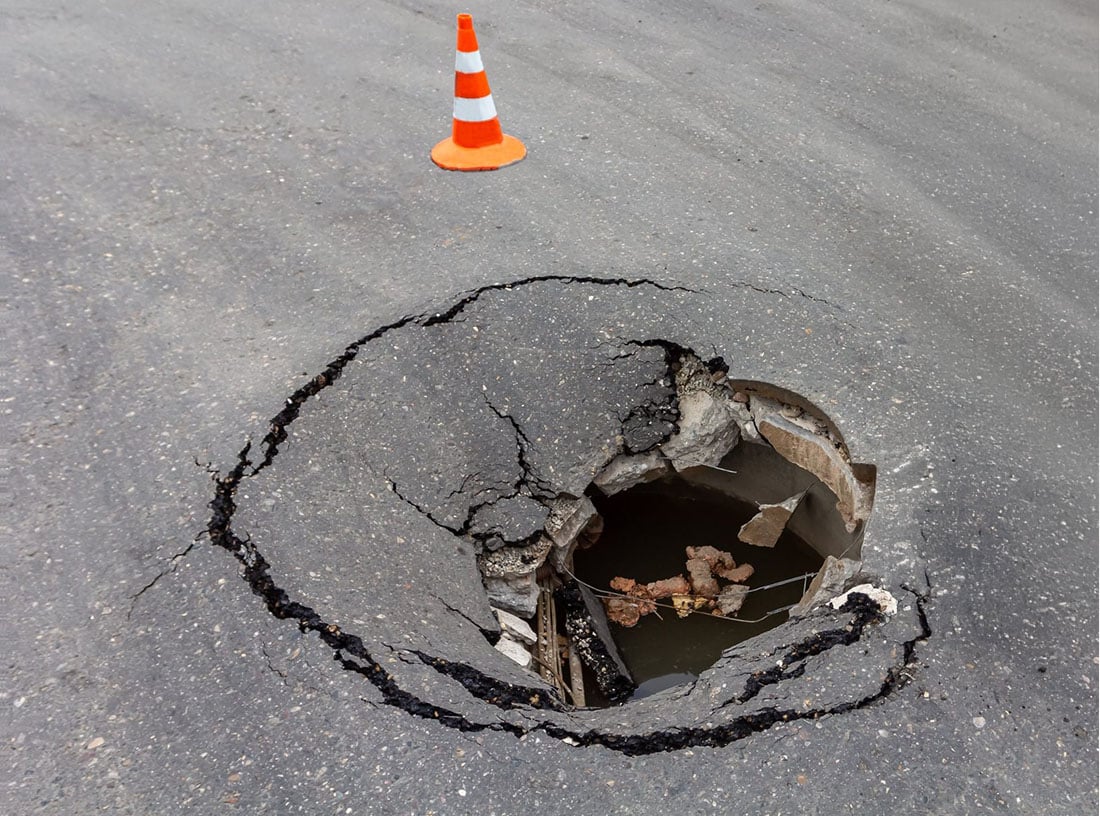
Sinkholes form when underground soil or rock dissolves or shifts, creating empty spaces beneath the surface. Water is the leading cause, as it dissolves minerals in limestone or washes away soil. Excessive rainfall, broken pipes, or poor drainage systems can increase this risk around your home.
Other causes include construction activity or natural soil erosion, which disturbs the earth’s balance. Certain soil types, like those found in Florida, are more prone to these collapses.
Preventing water from pooling around your property and fixing drainage issues can reduce the chances of new sinkholes forming. Experts carefully examine these factors during a sinkhole evaluation. Understanding these causes helps you address the root problem during remediation.
Signs You Need Remediation
You should consider sinkhole remediation if you notice unusual damage around your home or land. Common warning signs include cracks in walls or floors, doors and windows that stick or don’t close properly, and sloping or uneven ground near your foundation. Other signs include sudden depressions in your yard or areas where the soil seems to be sinking.
Water pooling in new or expanding spots can also indicate soil movement beneath the surface. If you observe any of these symptoms, a professional evaluation is crucial. Early detection and immediate remediation can protect your home from costly structural damage.
Expert Sinkhole Remediation Service Process
Understanding the full process behind sinkhole remediation helps you know what to expect and how your property will be protected. This process involves a series of clear steps, from detailed evaluations to safe and lasting repairs tailored to your site’s needs.
Thorough Site Assessment
The first step is a detailed site assessment. Experts visit your property to inspect visible damage and evaluate ground conditions. This includes checking for changes in soil stability, cracks in structures, and signs of soil movement.
During this phase, soil samples and groundwater levels may be measured to identify weak points. A thorough site assessment helps pinpoint the exact cause and extent of the sinkhole. This ensures the right repairs are planned, and unnecessary work is avoided.
A clear report is prepared to explain risks and recommended actions. This keeps you informed and helps build confidence in the process.
Advanced Detection Techniques
Detecting sinkholes under the surface requires advanced technology. Tools such as ground-penetrating radar (GPR), electrical resistivity imaging, and subsurface sonar are often used. These tools map underground voids and unstable soil layers without digging or disrupting the site.
Using these techniques gives precise information about the sinkhole’s size, depth, and how far it extends beneath your property. This is critical for safe and effective repair planning. It reduces risks and helps avoid damage to your home during remediation.
Customized Remediation Plans
No two sinkholes are alike. Based on the site assessment and detection results, a customized remediation plan is created. This plan considers the size of the sinkhole, soil type, property use, and structural impact.
Common remediation methods include compaction grouting and chemical grouting. Compaction grouting involves injecting grout to fill voids and compact loose soil. Chemical grouting uses specific materials to stabilize the soil chemically.
Your plan will detail the expected timeline, repair methods, and safety measures. This ensures the approach fits your property’s unique needs for long-term stability.
Implementation of Solutions
Once the plan is approved, the repair work begins. Professionals pump grout into the affected areas to fill underground voids or compact the soil. This process is carefully controlled to avoid damaging the surface or your foundation. Throughout the repair, safety and structural integrity are priorities.
The team monitors progress and adapts methods as needed to maintain stability. After the grout sets, final inspections confirm the repair’s success. Restoration of disturbed areas aims to return your property to normal use.
Types of Sinkhole Remediation Methods
Remediating sinkholes involves different techniques based on the sinkhole’s size, location, and soil conditions. These methods aim to fill voids, stabilize soil, and protect your property from future collapse.
Grouting and Chemical Injection
Grouting uses a cement-based or chemical mixture pumped into the ground under pressure. This fills empty spaces caused by sinkholes and strengthens the soil around your foundation. Chemical injection often uses polyurethane foam, which expands to fill gaps tightly.
This method is less invasive and works well for small voids or when you need quick stabilization. It also prevents water from seeping into the soil, which can cause more damage. Both grouting and chemical injection provide durable support and are commonly used where structural integrity is critical.
Compaction Grouting
Compaction grouting involves injecting a thick, low-mobility grout into loose soil to push and compact it. This method densifies weak soils and prevents further settlement. It works best in sandy or loose soils where voids form easily.
By compacting the soil, compaction grouting restores strength and stabilizes the ground below your home or road. This method requires careful monitoring to avoid disturbing nearby structures. It’s a proven solution for restoring stability without major excavation.
Underpinning
Underpinning strengthens an existing foundation by extending its support to more stable soil or bedrock. This is done by installing deep piers or piles beneath the foundation. This method is often needed when a sinkhole affects a building’s foundation directly.
Underpinning helps transfer the building’s load to stronger ground, preventing further damage. It’s a reliable, long-term solution, especially in areas with frequent sinkhole activity or weak surface soil.
Soil Stabilization
Soil stabilization improves the soil’s physical properties to make it stronger and less likely to collapse. Techniques may include mixing grout, lime, or cement into the soil or using geosynthetics. This method prevents sinkholes from forming by reinforcing weak soils before problems occur.
It’s often used in new construction but can also strengthen existing ground around homes. Stabilizing soil is key in areas with soft or water-affected soil. Reliable soil stabilization services designed for Florida’s soil conditions help keep your foundation safe.
Selecting a Professional Sinkhole Remediation Service
Choosing the right company to handle sinkhole remediation is key to protecting your home and property. You want a service that is licensed and certified, has strong experience in similar projects, and holds a good reputation with past clients. These factors help ensure that your sinkhole problem is fixed safely and effectively.
Certifications and Licensing
Always check that the company you hire holds the proper certifications and licenses. State and local regulations require professionals to meet strict standards before performing sinkhole repairs. These credentials show that the team understands safety rules and follows legal requirements.
Valid licensing also means the company carries insurance, which protects you in case something goes wrong during the repair. Professionals with certified training are better equipped to handle complex soil and structural issues connected to sinkholes, giving you confidence in their work quality.
Industry Experience
Experience matters when dealing with sinkholes. You want a company that has worked on projects like yours, especially in your geographic area. Florida’s soil conditions, for example, can differ widely, so expertise in local geology is important.
Look for specialists who use proven remediation methods such as compaction grouting or chemical grout injection. Experienced contractors can quickly identify the cause, plan the repair, and apply the right materials for long-lasting results.
Reputation and Client Testimonials
Your choice should also be guided by the company’s reputation. Check reviews and testimonials from previous customers. Positive feedback about communication, timeliness, and problem resolution means your project will likely go smoothly.
Ask for references or case studies showing the company’s past work. Reliable professionals maintain transparency, keeping you informed throughout the repair process. This builds trust and reassures you that the remediation will restore your property’s stability.
Benefits of Professional Sinkhole Repair
Repairing a sinkhole requires careful planning and skill. Professional services ensure that repairs are done correctly, making your property safer, saving you money over time, and protecting your home’s value.
Enhanced Property Safety
Sinkholes create hidden dangers beneath your property. If left untreated, they can lead to sudden ground collapse. Professional repair experts thoroughly inspect the damage using specialized tools to find any underground voids.
They use proven methods like compaction grouting or chemical grout injection to fill empty spaces and stabilize the soil. This process strengthens the ground and lowers the risk of further collapse.
With professional help, you protect your home and family from unexpected accidents caused by unstable ground. Safety always comes first during sinkhole repair.
Experts make sure all work follows local building codes and industry standards. Knowing your property is secure and stable after the repair brings real peace of mind.
Long-Term Cost Savings
You might think fixing a sinkhole is expensive, but waiting usually leads to bigger bills down the road. Unstable ground can cause foundation damage, wall cracks, and plumbing headaches. Professional repair stops these problems before they get worse.
Using techniques tailored to your soil and structure means the fix actually lasts. It’s easy to waste money on repeated patches or emergency repairs if you ignore the root problem. Additionally, expert contractors keep you updated throughout the process, so you can make smart choices and avoid surprise expenses.
Restoration of Property Value
A sinkhole can really hurt your home’s value by damaging its foundation and curb appeal. Homes with unresolved sinkhole issues are tough to sell and often lose market value. Professional remediation restores your property’s structural integrity.
This involves stabilizing the ground and repairing any foundation damage with care. When done properly, it reassures buyers that the issue is fixed, making your home more attractive.
Experts also document the repair work, giving you proof of stability for buyers or insurance companies. Investing in professional sinkhole repair protects your biggest asset and helps maintain your home’s worth in the real estate market.
Preventative Measures and Maintenance
Preventing sinkholes and maintaining ground stability means staying on top of things—continuous care, smart water management, and catching problems early. These steps cut down the risk of costly repairs and keep your property safe for the long haul.
Ongoing Monitoring Services
Regular monitoring is key to spotting ground shifts before they become serious problems. Arrange for periodic inspections that check soil movement and foundation stability. Tools like ground-penetrating radar and subsurface probes help identify changes underground that you’d never spot otherwise.
Monitoring also tracks how well past repairs are holding up, giving you reports with real data so you know when more work might be needed. Staying ahead of issues like this is the best way to ensure long-term safety.
Drainage and Water Management
Poor water control often leads to ground weakening and sinkhole formation. Managing surface water and groundwater is crucial. Install proper drainage systems like French drains, gutters, and swales to direct water away from trouble spots.
Don’t let rainwater pool near your foundation—regularly clean out drainage paths and fix leaks in irrigation or plumbing systems. Controlling water flow protects your soil and foundation from erosion or collapse.
Early Warning Systems
Early warning devices can alert you to ground instability fast. Sensors that detect soil movement, vibration, or changes in moisture send real-time data to your monitoring team or smartphone. These systems let you act quickly to prevent damage.
If ground shifts get detected early, you can schedule repairs before things get out of hand. Pairing early warnings with regular inspections gives you a solid defense against sudden sinkhole damage.
Insurance Considerations for Sinkhole Remediation
Understanding how insurance works with sinkhole damage is honestly crucial for protecting your home and wallet. Coverage varies by state, policy type, and whatever rules your insurance provider has in place. Knowing what your policy covers and how to file a claim properly can make sinkhole remediation less stressful—and less expensive.
Insurance Policy Coverage
Most standard homeowners insurance policies don’t cover sinkhole damage since it’s considered earth movement. However, some states (like Florida) require insurers to offer sinkhole coverage as an add-on or a separate endorsement.
Sinkhole insurance usually covers:
- Structural damage to your home
- Damage to personal property inside the home
It typically doesn’t cover land value or landscaping repairs, so you might have to buy that coverage separately or ask for an extra endorsement.
Always check your policy for exclusions, limits, and requirements—some companies want geological testing before they’ll approve coverage. Knowing these details helps you prepare for possible out-of-pocket costs.
Claim Filing Process
If you suspect sinkhole damage, call your insurance company right away. They’ll usually send an adjuster to check things out and figure out what caused the damage.
Here’s what you should do:
- Document the damage with photos and notes
- Schedule a professional sinkhole inspection
- Submit inspection reports and paperwork promptly
- Work closely with your insurer while they investigate
Claims can get complicated and may require verifying soil conditions and structural safety. Be ready for delays or extra requests for evidence. Having a trusted remediation expert on your team makes communication easier and strengthens your claim.
Environmental and Community Impact
Sinkholes can cause problems far beyond your own property. They sometimes damage roads, utilities, and even natural water sources, affecting entire neighborhoods. When sinkholes open up, contaminants might enter groundwater and threaten local drinking water supplies.
Making sure remediation is done right helps protect both the environment and public health. Repairs that stabilize the ground without disrupting the community are crucial. The right methods don’t just secure your home, they also reduce risks for everyone nearby.
Here are some key impacts sinkhole remediation addresses:
- Property safety: Prevents further damage to buildings and infrastructure.
- Water quality: Stops contamination from spreading to groundwater.
- Community well-being: Maintains roads and public utilities that everyone relies on.
By choosing experts who understand local soil and water conditions, you help protect your neighborhood’s long-term safety. Solutions designed for lasting stability and environmental care make all the difference.
Protect Your Property From Sinkhole Damage
Sinkholes put your foundation, budget, and peace of mind at risk. Acting early with an expert sinkhole remediation service helps stop soil movement, stabilizes your home, and prevents small warning signs from turning into major structural problems.
When you work with Helicon, you get a clear assessment, targeted repairs, and communication you can understand. The focus stays on long-term stability, from the first inspection to the final walkthrough, so you know exactly what is happening under your home.
If you see cracking, sinking areas, or water pooling around your property, do not wait. Schedule a professional evaluation, ask about your repair options, and take the first step toward a safer, more stable foundation today.
Frequently Asked Questions
What is an expert sinkhole remediation service?
An expert sinkhole remediation service evaluates your property, finds hidden voids, and stabilizes weak soil. The goal is to stop movement, protect your foundation, and prevent future sinkhole-related damage.
What are the early warning signs of a sinkhole?
Common signs include cracks in walls or floors, sticking doors or windows, and sloping or uneven concrete. You may also see soft spots, depressions in the yard, or new water pooling near your foundation.
Is my home safe to live in during sinkhole repair?
In many cases, you can stay in your home during repairs if the structural risk is low. Your remediation contractor and engineer will tell you if any areas must be avoided for safety.
How long does sinkhole remediation usually take?
Most projects take a few days to a few weeks, depending on sinkhole size and soil conditions. Larger or more complex jobs with deep voids, difficult access, or heavy structural damage can take longer.
How much does professional sinkhole repair cost?
Costs vary based on soil conditions, the size and depth of the sinkhole, and the repair method used. A detailed site assessment provides a more accurate estimate so you can plan and compare options.
Will insurance cover my sinkhole remediation?
Some policies offer sinkhole or ground movement coverage, but many standard policies do not. Review your policy and talk with your agent to confirm what is covered before you file a claim.
How can I reduce the risk of future sinkholes?
Manage water around your property with working gutters, downspouts, and drainage. Schedule periodic inspections, fix leaks quickly, and address small cracks or settlement before they spread.