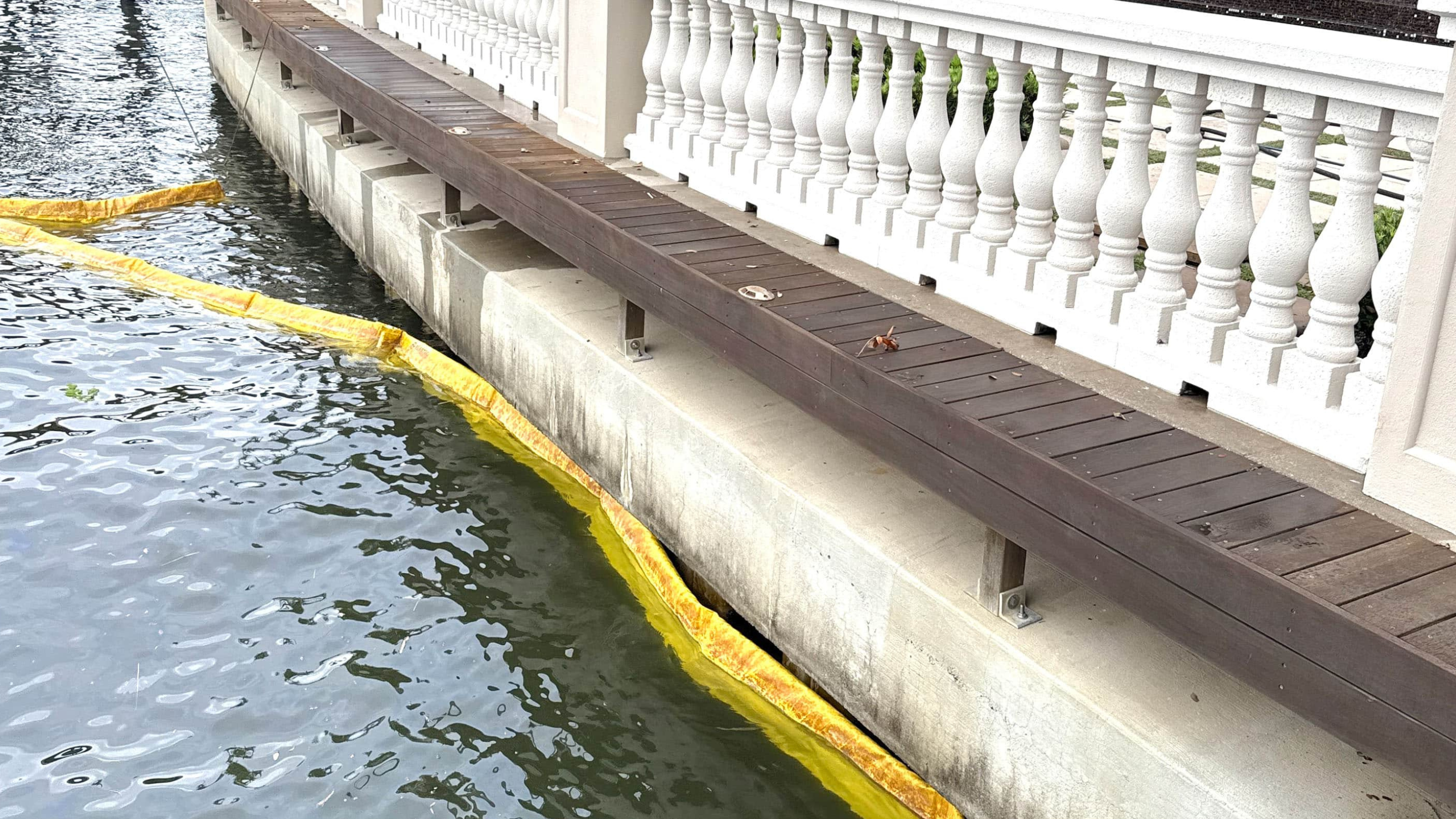
If you are searching for “seawall repair companies near me”, chances are you have noticed cracks, erosion, or soil loss behind your seawall. These issues can escalate quickly, putting your property and shoreline at risk if they are not addressed early.
Homeowners often struggle to know who to trust, what repairs are truly needed, and how urgent the situation really is. Helicon works with property owners who want clear answers, practical solutions, and repairs that protect their investment without unnecessary disruption.
This guide explains how to identify qualified local seawall repair companies, what services they should provide, and how to avoid costly mistakes. You will learn what to expect during inspections, how repairs are priced, and how to keep your seawall performing long after the work is complete.
What to Expect From Seawall Repair Companies
Professional seawall repair companies provide thorough inspections and use proven materials like polyurethane and concrete. They offer different repair methods based on your wall’s condition.
You can expect clear communication about costs, timelines, and the best solutions for your property. If you don’t get that, keep looking.
Types of Seawall Repairs
Seawall repair companies handle several common types of repairs based on what’s wrong with your wall. Crack repair is one of the most frequent services. Small cracks can grow over time and let water through, so contractors seal them before they cause bigger problems. Void filling addresses empty spaces that form behind or under your seawall when soil washes away.
These voids weaken your wall’s support and can lead to collapse if left untreated. Companies inject special materials to fill these gaps and restore stability. If you have a steel seawall, you might need corrosion repair. Salt water eats away at metal over time.
Contractors can treat rust and add protective coatings. Some companies offer full seawall replacement when damage is too severe to fix. This involves tearing out the old wall and building a new one. Your contractor will tell you if repair or replacement makes more sense for your situation.
Inspection and Assessment Process
Your seawall repair starts with a detailed inspection of the entire structure. A contractor will walk your property and look at both sides of the wall. They check for visible cracks, tilting, rust, and signs of soil loss. Many companies use special tools to find problems you can’t see.
They might tap on the wall to listen for hollow sounds that mean voids exist behind it. Some contractors take measurements to see if your wall has moved or settled. You’ll get a written report that explains what’s wrong and why. The contractor should show you the damaged areas and explain how serious each problem is.
They’ll recommend specific repairs and give you cost estimates. Good companies take photos during the inspection. These help you understand the damage and make decisions about repairs. The contractor should answer your questions in plain language without using too much technical jargon.
Materials and Methods Used
Most seawall repair companies use polyurethane foam injection as their main method. This foam expands to fill voids and cracks, then hardens to create a waterproof barrier. The process is fast and doesn’t require tearing up your yard. Concrete repair is another common approach.
Contractors patch cracks and damaged sections with marine-grade concrete that resists salt water. This works well for concrete seawalls with surface damage.
Some companies use steel reinforcement bars or tie-backs to strengthen walls that are leaning or failing. These metal supports anchor your seawall to solid ground behind it. The repair method depends on your wall material. Vinyl, concrete, and steel seawalls each need different techniques.
Your contractor should explain why they chose a specific material or method for your repair. Labor typically makes up 25% to 40% of your total cost. Most contractors charge $100 to $250 per linear foot, depending on the damage and repair type.
How to Choose the Right Seawall Repair Company
Finding a qualified seawall repair company requires checking their credentials, reviewing their track record, and making sure they understand local conditions. The right contractor will have proper licensing, years of hands-on experience, and positive feedback from previous customers.
Experience and Local Expertise
Look for companies that have worked on seawalls for at least five to ten years. Experienced contractors know how to handle different types of seawalls, including concrete, vinyl, and steel structures.
Local expertise matters because seawalls face different challenges depending on your area. Companies familiar with your region understand local water conditions, soil types, and weather patterns.
They also know which repair methods work best for your specific shoreline. Ask potential contractors about projects they’ve completed near you.
Request examples of similar seawalls they’ve repaired. A company with local experience will already know about the required permits and local building codes. This saves you time and helps avoid delays in your project.
Licensing and Insurance
Every seawall repair company you consider must have proper licensing for your state or county. Licensed contractors have met specific requirements and follow industry standards.
Insurance protects you from liability if someone gets hurt on your property during repairs. Make sure the company carries both general liability insurance and workers’ compensation coverage.
Ask to see current insurance certificates before signing any contract. Don’t hire unlicensed contractors even if they offer lower prices. You could end up paying more if the work fails or causes damage. Licensed and insured companies stand behind their work and give you legal protection.
Customer Reviews and Testimonials
Read online reviews on multiple platforms to get a complete picture of each company’s reputation. Look for patterns in feedback rather than focusing on single reviews. Pay attention to how companies respond to negative reviews. Professional contractors address concerns and try to resolve issues.
Check if previous customers mention the quality of work, communication, and whether projects stayed on budget. Ask companies for references from recent projects. Contact these customers directly to ask about their experience.
Find out if the work was completed on time and if any problems came up after the repairs were finished.
Popular Services Offered by Local Seawall Repair Experts
Local seawall repair companies provide critical services that keep waterfront properties safe from water damage and erosion. These experts handle everything from urgent fixes to long-term care plans and complete structure replacements.
Emergency Seawall Repairs
When your seawall shows signs of serious damage, emergency repairs can prevent total failure. Cracks, holes, and visible erosion need immediate attention to stop water from washing away the soil behind your wall.
Emergency repair teams respond quickly to fix urgent problems. They often work outside normal business hours to address damage from storms or sudden structural failures.
These specialists use fast-setting materials that work even in wet conditions. Common emergency fixes include sealing large cracks, filling voids behind the wall, and stabilizing sections that are leaning or collapsing.
The repair crew will assess the damage first and then use the right techniques to restore your seawall’s strength. Many companies offer 24/7 emergency services because seawall damage can happen at any time.
Seawall Maintenance Programs
Regular maintenance helps your seawall last longer and prevents expensive repairs down the road. Most local companies offer scheduled inspection and care programs that catch small problems before they grow.
A typical maintenance program includes yearly or twice-yearly inspections. During these visits, technicians check for cracks, erosion, rust on metal components, and drainage issues.
They also look at the cap, joints, and the area behind your wall.
Common maintenance tasks include:
- Filling minor cracks and gaps
- Cleaning drainage systems (weep holes)
- Applying protective sealants
- Removing vegetation that damages the structure
- Checking and repairing tie-back systems
These programs usually cost less than emergency repairs. They give you peace of mind knowing that professionals are watching your seawall’s condition throughout the year.
Seawall Replacement Solutions
Sometimes repair isn’t enough, and you need a new seawall. Older walls eventually reach the end of their useful life, especially if they’ve had repeated damage or were built with outdated methods.
Signs you might need replacement include severe tilting, major structural cracks, and erosion that has compromised the foundation. If repair costs approach 50% or more of replacement cost, a new wall often makes more sense.
Replacement involves removing the old structure and building a new one using modern materials and techniques. Today’s seawalls use better designs that resist corrosion and handle water pressure more effectively.
The process takes longer than repairs but gives you a wall that should last 20 to 50 years or more. Your contractor will evaluate soil conditions, water levels, and property needs to design the right solution.
They can build with concrete, vinyl, steel, or composite materials depending on your budget and local conditions.
Understanding Seawall Repair Costs
Seawall repairs typically range from $15,000 to $60,000, with most property owners spending around $37,500. The final price depends on several key elements, including the size of your wall, how badly it’s damaged, and what materials contractors need to use.
Factors That Influence Pricing
The cost per linear foot usually falls between $100 and $250. Your wall’s length plays a major role in the total price. Material choice affects your budget significantly. Concrete seawalls cost more to repair than vinyl ones, but they often last longer.
The type of damage matters too—small cracks cost less to fix than structural failures that threaten your property’s foundation. Labor charges vary based on where you live and how easy it is for contractors to reach your seawall.
If workers need special equipment to access your wall or must work during specific tide conditions, expect higher costs. You’ll also need to budget for permits and inspections, which coastal areas require to protect the environment.
The season you choose for repairs can change your price. Some contractors charge more during peak summer months when demand is high.
Getting Accurate Estimates
Contact at least three local seawall repair companies for quotes. Each contractor should inspect your property in person before giving you a price.
Ask each company to break down its estimate into specific line items. You want to see separate costs for materials, labor, permits, and any special equipment. This helps you compare quotes fairly and spot any hidden fees. Request details about the repair method they plan to use.
Different techniques cost different amounts, and some work better for certain types of damage. Make sure the estimate includes a timeline and explains what warranty or guarantee comes with the work.
Get everything in writing before you agree to hire anyone. A detailed contract protects you and ensures everyone understands the scope of work and final price.
Tips for Protecting Your Seawall After Repairs
After investing in seawall repairs, regular care helps your structure last longer and work better. Simple checks and basic upkeep prevent small problems from becoming expensive fixes.
Routine Inspection Best Practices
You should check your seawall at least twice a year, ideally in spring and fall. Walk along the entire length and look for cracks, loose materials, or signs of water damage. Pay close attention to the cap, joints, and areas where the seawall meets the soil.
Look for these warning signs during each inspection:
- Cracks wider than a quarter inch
- Gaps between seawall sections
- Rust spots on metal components
- Soft or sinking soil behind the wall
- Water pooling at the base
Take photos during each inspection so you can track changes over time. This helps you spot problems early before they get worse.
If you notice anything unusual, contact your repair company right away. Check your seawall after major storms, too. Heavy rain and strong waves can stress the structure and cause sudden damage.
Preventive Maintenance Tips
Keep the area around your seawall clean and free of debris. Remove leaves, branches, and trash that can trap moisture against the structure. This simple step prevents rot in wooden seawalls and reduces wear on all materials. Make sure your drainage systemworks properly.
Water buildup behind the seawall creates pressure that can crack or push the wall forward. Clean weep holes regularly to keep water flowing through them.
Apply sealant to small cracks before they spread. Use marine-grade products designed for constant water exposure. These materials hold up better against salt water and weather. Trim back plants and trees growing near your seawall.
Roots can work their way into cracks and cause damage. Keep vegetation at least three feet away from the structure.
Protect Your Property Before Damage Gets Worse
Seawall problems rarely fix themselves. Cracks, erosion, and soil loss can grow quietly until repairs become far more disruptive and expensive. Choosing the right seawall repair companies near me helps stop small issues before they threaten your property.
Working with an experienced provider like Helicon gives you clear answers, practical repair options, and confidence that your seawall is being addressed correctly the first time.
If you have noticed warning signs or simply want peace of mind, now is the right time to act. Schedule a professional inspection or request a detailed estimate to protect your shoreline and avoid unnecessary costs later.