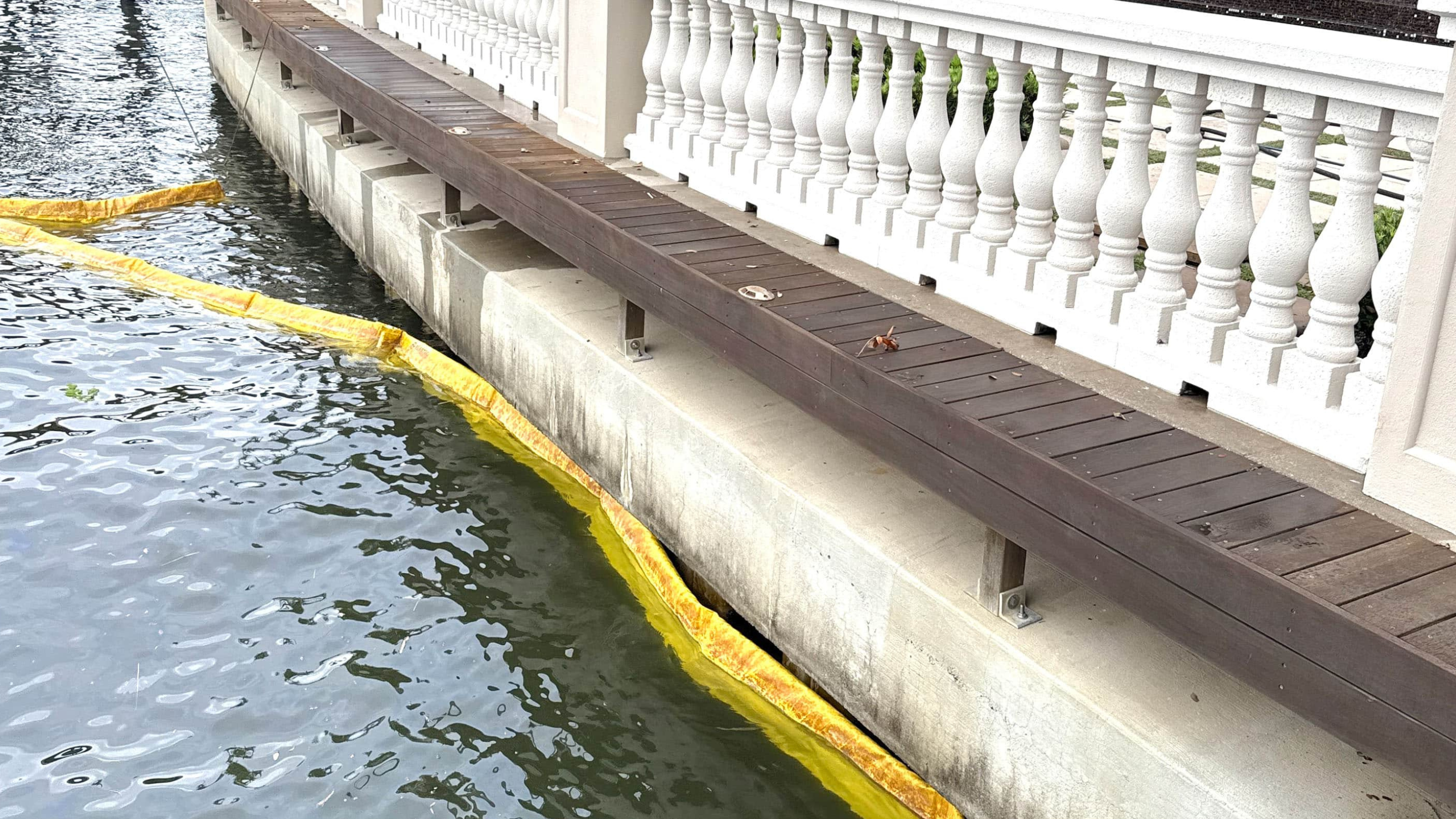
A damaged seawall foundation puts your entire waterfront property at risk. When soil erodes or water pressure builds, cracks, leaning walls, and sinking sections can follow quickly. Seawall foundation repair addresses these issues early, before small problems turn into major structural damage.
For Florida waterfront owners, these problems are common and costly when ignored. Helicon helps homeowners understand what’s happening below the surface and why timely repairs protect both property value and long-term stability.
In this guide, you’ll learn how to recognize early warning signs, understand proven repair methods, and plan for costs with confidence. The goal is simple: give you clear, practical insight so you can protect your seawall before damage spreads.
Seawall Foundation Problems to Watch For
Seawall foundations form the backbone that keeps these barriers solid against water pressure and soil movement. The type, material, and design of the foundation all matter for how well your seawall stands up to erosion and wave action.
Types of Seawall Foundations
Most seawalls use one of three main foundation types. Sheet pile foundations rely on interlocking steel, vinyl, or concrete sheets driven deep into the ground below the waterline. This creates a continuous barrier that extends well beneath the surface. It’s a pretty common approach.
Gravity foundations rely on their own weight to resist water pressure. These thick, heavy structures—usually concrete or stone—sit on a prepared base. They’re best in places where the soil conditions are stable and predictable.
Cantilever foundations combine a vertical support with a horizontal base slab buried in the ground, then a vertical wall rising from it. This design distributes forces more efficiently than a simple gravity wall. It’s a bit more engineering-heavy, but it works.
Common Materials Used in Seawall Construction
Concrete is the go-to for seawall foundations—strong, durable, and versatile. Poured concrete can be shaped to fit tricky sites and reinforced with steel. Steel sheet piling is also popular. It’s tough, handles impact well, and can be driven into tough soils.
Just keep in mind, saltwater can eat away at steel if it’s not coated right. Vinyl sheet piling is catching on for homes. It doesn’t rust, needs less maintenance, and costs less than steel.
But let’s be honest, it’s not as tough as metal or concrete if you’re dealing with serious conditions. Stone and rock show up in older seawalls. They can last for decades if built right, though modern projects usually combine stone facing with a concrete core for extra strength.
How Seawall Foundations Function
Your seawall foundation is engaged in a weird balancing act. Water pressure pushes from the front, while soil behind the wall pushes from the back. The foundation transfers all that force down into stable ground. It’s a lot of pressure.
Good foundations reach below the scour line—the point where waves and currents erode soil. That depth keeps the wall from getting undermined and tipping or collapsing. Deeper is usually better.
Drainage systems work alongside the foundation to control hydrostatic pressure. If water builds up behind the wall, it adds stress that can crack or shift things. Weep holes and drainage layers let water escape, relieving some of that pressure.
Signs Your Seawall Foundation Needs Repair
Spotting foundation problems early can save you a fortune and keep your property safe. Your seawall’s foundation works hard to hold back water and soil, so it pays to keep an eye out for trouble.
Visible Cracks and Structural Damage
Cracks in your seawall aren’t normal, and you shouldn’t ignore them. Small hairline cracks can quickly grow into bigger gaps that weaken everything. You might see vertical cracks running up and down, or horizontal cracks across the panels.
Notice any sections that lean, bow out, or look out of alignment? That usually means the foundation is struggling, or the soil behind the wall is pushing too hard. Water and soil pressure add up over time and can force the wall to move.
Look for gaps between panels or places where sections have separated. When panels pull apart, water sneaks through and washes away the soil that supports your foundation. Keep an eye out for concrete chipping off or spots where the surface looks rough and worn.
Soil Erosion Near the Seawall
The ground around your seawall tells its own story. If you spot sinkholes or low spots near the base, soil is probably washing away from behind the wall. This happens when water seeps through cracks or gaps, dragging soil with it.
Watch for places where you see more of the seawall than you used to. The soil level behind your wall should stay steady.
If it drops, your foundation loses support, and things can get unstable.
You might notice your yard sloping toward the wall or that the ground near the water is uneven. Grass and plants may die in patches because the soil underneath has disappeared. These bare spots usually show up right along the seawall base, where erosion hits hardest.
Water Seepage and Pooled Water
Water collecting where it shouldn’t is a big warning sign. If you see puddles forming behind your seawall after rain or high tide, water is getting through somewhere. Those wet spots mean your wall isn’t holding water back as it should.
Check for water stains or damp patches on the seawall’s face. Dark streaks or discoloration show where water is sneaking through. Sometimes, you’ll even spot water dripping or trickling from cracks and joints.
Standing water that won’t drain away points to drainage problems. The weep holes might be blocked, or the foundation might be settling unevenly. Soggy soil near the wall only adds to the pressure on an already stressed foundation.
Seawall Foundation Repair Methods
Fixing seawall foundations involves a mix of old-school and newer techniques, depending on what’s actually wrong. You want to address not just the visible issues but also hidden problems, such as soil erosion and water pressure, that threaten the wall’s stability.
Traditional Repair Techniques
People have used traditional repair methods for decades. Concrete patching means filling cracks and holes with high-strength concrete or special epoxy. You apply these materials directly after cleaning and prepping the damaged area.
Backfilling replaces soil that’s eroded away behind the seawall. Workers dig out the affected area and add new fill material to restore proper support.
This works well when erosion has left behind empty spaces. Cap repair fixes the top of your seawall using epoxy and concrete. The cap keeps water from seeping in and causing more trouble.
Engineers sometimes add weep holes to help with drainage and reduce pressure. For bigger structural problems, contractors use steel reinforcements or tie-backs—anchors that connect your seawall to stable soil farther inland. These anchors give extra support and help keep the wall upright.
Modern Repair Innovations
Polyurethane foam injection is a game-changer for seawall repairs. This lightweight foam expands when injected into voids and cracks behind the wall. It pushes out water, fills gaps, and creates a waterproof barrier that strengthens the foundation.
Pressure control systems automatically remove water building up behind your seawall. These drainage setups include filters and pumps that work together to manage water levels.
Some modern repairs use specialized grouting materials that bond tightly with existing structures. They cure fast, even in wet conditions, and some products expand to fill weird-shaped gaps that concrete just can’t reach.
Deep injection systems let contractors repair deeper foundation problems without tearing up your property. They use special equipment to deliver materials right where they’re needed. It’s less disruptive and often costs less than digging everything up.
Choosing the Right Repair Approach
Your repair needs depend on the type of damage, the construction of your seawall, and the surrounding environment. Small cracks might just need epoxy or concrete patching, but deep structural issues call for foam injection or anchoring systems.
You’ll want a professional engineer to look at your seawall before deciding on repairs. They’ll check stability, soil conditions, and water pressure.
This helps spot hidden problems you can’t see from the outside. Think about what your seawall is holding back and what it protects. If it’s supporting a lot of soil or shielding something important, you’ll need a tougher repair.
Sure, budget matters, but cutting corners often leads to repeat repairs. Spending a bit more upfront can save you money (and stress) in the long run.
Step-by-Step Seawall Foundation Repair Process
Fixing a seawall foundation isn’t just a one-step job. It takes a few key steps to restore your wall’s strength and protect against future trouble. A trained crew will inspect your seawall, prep the area, make the repairs, and double-check everything before calling it done.
Inspection and Assessment
Repairs start with a careful inspection. A certified expert walks the length of your wall, checking for visible problems like cracks, leaning sections, or gaps. They look for signs of soil loss, such as soft spots in your yard, sinkholes, or areas where water pushes through the wall.
Problem spots get marked, and the inspector measures any movement or shifting. The assessment reveals where the foundation has weakened.
The expert determines where to inject repair materials and estimates the amount of work your seawall needs. They’ll take photos and notes to build a repair plan tailored to your situation.
You’ll get a detailed report explaining what’s wrong and how to fix it, along with the repair method, needed materials, and a rough timeline.
Preparation and Safety Measures
Before repairs start, the crew preps the area. They’ll clear away debris, plants, and anything else that might get in the way, making sure they can access every damaged section.
Key safety steps include:
- Setting up barriers to keep people and pets out of the work zone
- Checking for underground utilities (water, gas, etc.)
- Wearing safety gear—gloves, eye protection, hard hats
- Using stable scaffolding or platforms for higher sections
The team might lay down tarps or boards to protect your yard from extra mess. They mark injection points on the seawall for where repair materials will go.
If repairs are done during high tide or after rain, they may need to pump water away from the work area. All tools and materials get staged nearby for easy access. Good prep keeps the job moving and avoids unnecessary delays.
Repair Execution
Now for the real work. The crew drills small holes at the marked injection points, usually about half an inch to one inch wide, depending on the repair method.
Common repair techniques:
- Polyurethane foam injection – Expanding foam fills voids and lifts settled areas
- Concrete grouting – Liquid concrete strengthens loose soil and fills gaps
For soil loss, the team injects structural material through the drilled holes. It flows into empty spaces behind the wall, hardens, and gives solid support. This keeps more soil from washing away.
Visible cracks get filled with epoxy or marine-grade concrete. Larger gaps or broken areas may need patches or even full replacement of damaged panels.
The top cap of the seawall receives special attention because it protects the entire structure.
If the wall leans badly, workers might install anchor systems—these go deep into stable soil and connect to the wall to pull it back into position.
Final Quality Checks
After repairs wrap up, the crew runs tests to make sure everything’s solid. They check that all injected materials have hardened and created support behind the seawall. Every repaired crack and filled void gets a close look. If anything needs a touch-up, they handle it.
Anchor systems are tested to confirm they’re holding the wall securely. The team cleans up the work area, removes equipment and leftover materials, and seals the injection holes to keep water out.
The finished seawall should look clean and ready to protect your property. You’ll get a final walkthrough where the crew explains what they fixed and how to maintain your seawall. They’ll share tips to help your repairs last and keep new problems from popping up.
Cost Considerations for Seawall Foundation Repair
Seawall foundation repair costs can swing wildly depending on how bad the damage is, which materials you use, and what the site looks like. Most folks spend somewhere between $15,000 and $60,000, but you might see numbers as low as $4,000 or as high as $40,000 or more, depending on your situation.
Factors Affecting Repair Costs
The length of your seawall is usually the biggest factor in the price. Contractors often quote $100 to $250 per linear foot for basic repairs, but if the foundation’s in trouble, that number can shoot up to $300 to $1,500 per foot.
The type of damage makes a big difference. It’s much cheaper to fix small cracks or minor voids than to tackle full-on structural failures or major soil erosion under the wall.
Steel reinforcement and concrete repairs require specialized tools and skilled workers, which increases labor costs. Your location also plays a role—if your property’s tough to reach or has tricky access, expect higher charges.
Coastal regulations and permits can pile on extra fees, too. In some places, you might even need environmental studies before anything starts.
Material choice isn’t just about looks or durability; it also hits your wallet. Marine-grade concrete, steel pilings, and underwater grout cost more than regular options, but they last longer in salty, punishing environments.
Budgeting Tips
Always get at least three written estimates from licensed seawall contractors. Ask for a breakdown of materials, labor, and permits so you can actually compare apples to apples.
Set aside a 10-20% contingency fund. Foundation repairs almost always uncover surprises: hidden corrosion, unexpected erosion, stuff you just can’t see until you start digging.
If you can, schedule work in the off-season. Contractors sometimes drop their rates in the fall or winter, though the weather can throw a wrench in the timeline.
Ask about financing or breaking the work into phases. Some foundation issues can be tackled bit by bit, making the hit to your budget feel less brutal and spreading costs over a few years.
Long-Term Value of Timely Repairs
Spotting foundation problems early saves you a fortune. A crack that costs $2,000 to fix now could turn into a $30,000 nightmare if you let it go for years.
Your property’s value is directly tied to the integrity of the seawall. Buyers and insurance companies look closely at waterfront homes, and a failing seawall can knock 15-30% off your value or make you uninsurable.
Regular maintenance after repairs keeps your seawall going for decades. Spending $1,000 to $3,000 a year on inspections and small fixes can prevent those big, emergency repairs that really hurt.
Maintaining Seawall Foundations After Repair
After you fix your seawall foundation, regular maintenance is what keeps it holding strong for years. A little attention now and then catches issues before they blow up into big, expensive problems.
Routine Maintenance Practices
Give your seawall foundation a good look at least twice a year; spring and fall are good times. Check for cracks, settling, or gaps between the seawall and the dirt. If you notice sections that lean or tilt, that’s a red flag.
Clear debris from drainage systems every month. Leaves and dirt love to clog up weep holes and pipes, and if water can’t drain, pressure builds up behind the wall.
Keep plants trimmed back from the seawall. Tree roots can push into the foundation and compromise it. Any greenery growing right on or next to the wall should go.
When you inspect, snap a few photos and jot down notes. That way, you’ll have a record if something changes. If you spot a new crack or lean, you’ll know exactly when it started.
Preventive Measures
If you don’t already have a pressure control system, consider installing one. These setups automatically get rid of water building up behind the seawall, fighting off damage from hydrostatic pressure. Not cheap, but honestly, they’re worth it.
Apply a protective sealant to concrete surfaces every couple of years. Sealants help block out saltwater, chemicals, and moisture: the stuff that slowly eats away at concrete. Make sure the surface is dry and clean first, or you’re just wasting your time.
Fill small cracks as soon as you spot them. Use high-strength epoxy or a marine-grade concrete filler. In wet environments, little cracks don’t stay little for long; don’t wait.
When to Schedule Professional Inspections
Bring in a structural engineer or another expert to inspect your seawall foundation every 3 to 5 years. They use tools like ground-penetrating radar to find problems you’d never spot just by looking.
If you suddenly notice bulging, big cracks, or the wall tilting, call a pro right away. Sinkholes popping up near the seawall? That’s serious—don’t wait.
After major storms or flooding, schedule an inspection even if things look okay. Extreme weather can stress the foundation more than you’d think.
Protect Your Seawall Before Damage Spreads
Seawall foundation problems rarely fix themselves. Cracks, erosion, and soil loss usually worsen over time, putting your property, safety, and value at risk. Addressing these issues early helps avoid major structural damage and unexpected costs.
Helicon works with waterfront property owners to identify foundation issues early and recommend repair solutions that restore stability and protect long-term value. A clear plan and timely action make a real difference when water and soil pressures are involved.
If you’re seeing warning signs or simply want peace of mind, schedule a professional inspection of your seawall foundation. Getting answers now can help you avoid bigger repairs later and keep your waterfront property secure.
Frequently Asked Questions
What causes seawall foundation damage?
Most seawall foundation damage comes from soil erosion, water pressure, and aging materials. Over time, water seeps through cracks or joints, washing soil away and leaving voids that weaken the foundation.
How do I know if my seawall foundation needs repair?
Common warning signs include cracks, leaning or bowing sections, sinking soil behind the wall, and standing water. These symptoms usually mean the foundation is losing support and should be inspected.
Is seawall foundation repair different from surface seawall repair?
Yes. Surface repairs focus on visible cracks or caps, while seawall foundation repair addresses soil loss, voids, and structural support below the wall. Ignoring foundation issues can cause surface repairs to fail.
What repair methods are most effective for seawall foundations?
The most effective methods depend on the problem, but commonly include polyurethane foam injection, compaction grouting, drainage improvements, and anchoring systems. These techniques stabilize soil and restore support without full replacement.
How long does seawall foundation repair usually take?
Most seawall foundation repairs take one to three days, depending on the extent of damage and access conditions. Larger or more complex projects may take longer.
Can foundation repairs be done without replacing the seawall?
In many cases, yes. Foundation stabilization can often extend the life of an existing seawall and prevent the need for full replacement, especially when problems are caught early.
How often should a seawall foundation be inspected?
It’s smart to inspect your seawall foundation at least once a year, and always after major storms or flooding. Regular inspections help catch early signs of erosion or movement.
Will repairing the foundation increase my property value?
Yes. A stable seawall foundation protects your shoreline, reduces future repair risk, and helps preserve property value, which is especially important for waterfront homes and insurance considerations.