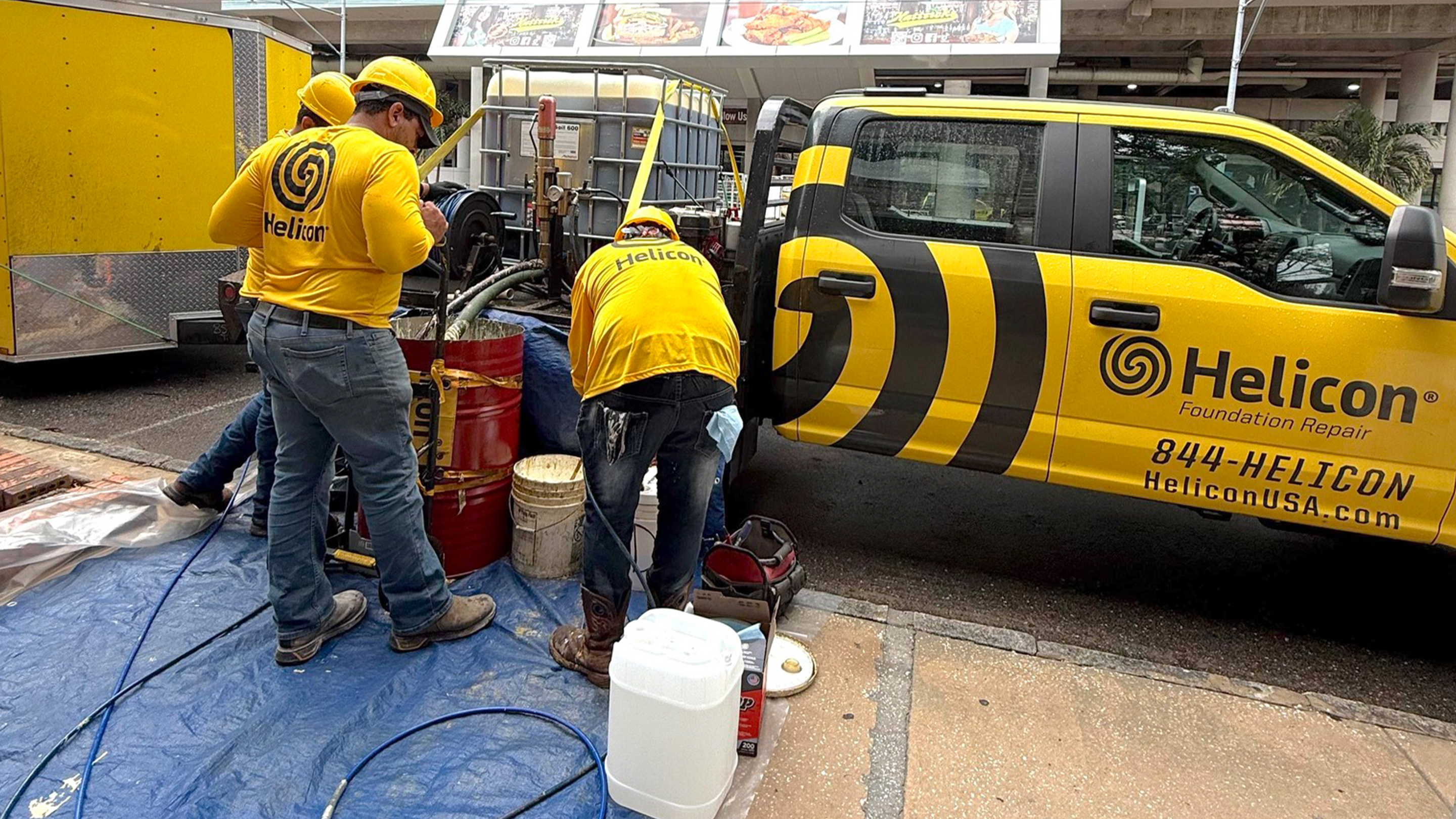
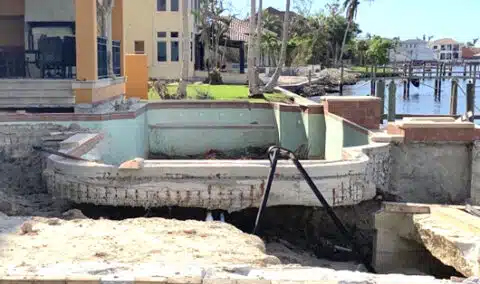
Sinkholes can threaten your home’s stability, especially in areas with soft or dissolving rock. A safe sinkhole stabilization process evaluates subsurface conditions, fills hidden voids, and restores lost support.
With Helicon, licensed specialists use soil stabilization, grouting, and structural reinforcement aligned to your property’s needs. You get clear explanations of what is happening underground and why each repair step matters.
In this guide, you’ll learn how sinkholes form, how risks are evaluated, and which repair methods are commonly used. You’ll also see what to expect with permitting, monitoring, costs, and choosing qualified contractors.
How do sinkholes form in the ground?
Sinkholes form when the ground suddenly opens or sinks because of changes underground. They often happen where water dissolves rock below the surface or where soil is washed away.
Knowing what types exist, why they happen, and what warning signs to look for helps you act early to protect your property.
Types Of Sinkholes
There are three main types of sinkholes you should know about:
- Solution sinkholes form when water slowly dissolves limestone or other rocks near the surface and creates cavities.
- Cover-collapse sinkholes happen suddenly when the surface soil above a hollow underground space collapses.
- Cover-subsidence sinkholes develop gradually as loose soil fills underground gaps and slowly sinks.
Each type forms at different speeds and can cause different levels of damage. For example, cover-collapse sinkholes can cause sudden and severe ground failure, which makes them particularly dangerous.
Understanding the type of sinkhole present helps professionals decide the best way to stabilize the area.
Common Causes Of Sinkholes
Sinkholes often occur in areas where the bedrock is made of soluble rocks like limestone, gypsum, or salt. These materials dissolve when water moves through them, which creates underground voids.
Human activities can also contribute to sinkholes. Leaking water pipes, broken underground utilities, or poor drainage can wash away soil and speed up collapse. Heavy rainfall or long periods of drought change water levels underground and may also trigger sinkholes.
When a sinkhole forms, it means the ground below has lost support. You cannot always prevent natural causes, but controlling water flow and repairing leaks can reduce your risk and protect your foundation.
Warning Signs Of Developing Sinkholes
Watch for these warning signs that might mean a sinkhole is forming near your home:
- Cracks in walls, floors, driveways, or foundations that suddenly worsen
- Doors and windows that begin to stick or no longer close properly
- Sinking, soft, or tilting ground around your property
- New depressions, soft spots, or holes appearing in the yard or driveway
- Broken pipes, frequent plumbing leaks, or unexplained drops in water pressure
If you notice these signs, it is important to get a professional inspection quickly so potential problems can be identified before they grow.
Evaluating Sinkhole Risks
Understanding what is happening beneath your property is essential before you begin repairs. A careful evaluation looks at how the soil behaves, how water flows underground, and whether there are any signs of instability. This information guides a safe and effective repair plan.
Site Assessment Techniques
Evaluation begins with a close look at your property. You identify cracks in the ground, sunken areas, and changes in how water pools around your home. These surface clues can signal potential sinkhole activity.
A detailed survey often includes mapping the area to record depressions, uneven ground, and drainage patterns. Professionals may collect soil samples so they can understand soil type, density, and moisture content.
Different soils react differently to water and pressure, so this step helps predict how the ground might shift or collapse over time.
Geotechnical Survey Methods
To see what is happening below the surface, specialists use geotechnical survey methods such as borings, test pits, and percussion probes. These tools allow them to collect and examine deeper soil layers and identify voids or weak spots underground.
A geotechnical survey maps underground features like cavities, softer soils, or fractured rock that could collapse.
This data guides safe stabilization methods such as grouting, compaction, or deep foundations. Engineers may also use ground-penetrating radar as a non-invasive way to detect voids and confirm the location of problem areas.
Environmental Impact Considerations
Sinkhole risks are closely linked to groundwater movement. Changes in groundwater levels, whether from storms, droughts, nearby construction, or pumping, can trigger sinkholes. It is important to review local drainage patterns, stormwater routes, and nearby water sources.
Poor drainage or sudden water loss can wash away supporting soil and make sinkholes more likely. Environmental factors such as nearby development, sewer leaks, or altered drainage paths add to the risk.
By controlling water flow and improving drainage, you can help stabilize soil and reduce long-term sinkhole potential. When planning repairs, factoring in the surrounding environment ensures solutions last longer and helps prevent new problems from forming nearby.
Safe Sinkhole Stabilization Process Overview
A safe sinkhole stabilization process gives you a clear, step-by-step path to stop the ground from shifting and protect your property. This process relies on careful evaluation, the right repair methods, and materials chosen for your specific conditions. The goal is to restore lost support and prevent future settlement.
Key Steps In Stabilization
The process usually follows these key steps:
- Professional evaluation to confirm the sinkhole, its cause, and its size
- Soil testing and ground surveys to understand subsurface conditions
- Removal of unstable soil, often through controlled excavation
- Filling voids and weak zones with compacted soil, grout, or other stabilizing materials
- Reinforcement of structures, when needed, to support foundations and slabs
- Post-repair monitoring to check for new movement, cracking, or settlement
By following these steps in order, the repair team strengthens the soil, restores support, and reduces the chance of future collapse.
Importance Of Professional Assessment
A professional assessment is critical because every sinkhole is different. Experts use tools, testing, and experience to identify the root cause and avoid surface fixes that do not last.
They can spot hidden voids, weak soil layers, and drainage issues that might be missed in a quick visual check.
Based on their findings, they create a tailored repair plan that uses the right combination of grouting, compaction, soil stabilization, and structural support. This reduces the risk of new damage, protects your foundation, and helps ensure the repairs perform well over time.
Ground Preparation Procedures
Before stabilization can succeed, the ground must be prepared correctly. Good preparation removes unstable material, manages water, and creates a safe, stable work area. This step supports every other part of the repair process.
Clearing Debris And Surface Material
The first step is to remove loose debris, vegetation, and surface material from the sinkhole area. This includes rocks, roots, and any unstable soil layers at the surface. Clearing debris exposes the full extent of the void and the unstable soils beneath it.
Removing surface material also prevents contamination of repair materials like grout or compacted fill. It improves access for equipment and technicians and allows for more accurate inspection and testing. Working on a clean, debris-free site reduces risks during excavation and stabilization.
Dewatering The Site
If the sinkhole area is wet or waterlogged, dewatering may be necessary. Excess water weakens soil, increases erosion, and can trigger further collapse. Pumps, drainage trenches, or temporary sumps may be used to remove standing water.
Dewatering keeps the soil firm and dry enough to support grout injection or soil compaction. By controlling water early in the process, you reduce the chance of erosion or washout that might reopen the sinkhole after repair. This step creates the best conditions for restoring ground strength safely.
Grouting And Compaction Methods
Once the site is prepared, the focus shifts to strengthening the soil beneath your home. This is often done by filling underground voids and compacting loose soil. Two of the most common approaches are pressure grouting and chemical grout application.
Pressure Grouting Process
Pressure grouting uses a thick cement-based grout pumped into the ground at controlled pressure. This grout fills empty spaces and compacts loose soil, which creates strong columns or zones of support.
Steel pipes or casing are inserted into the sinkhole or weak soil areas so grout can be injected precisely where needed. Technicians monitor the flow and pressure of grout to avoid overfilling and to protect nearby structures and utilities. As the grout sets, it increases soil density and reduces settlement around the injection points.
Pressure grouting is highly effective for stabilizing weak or collapsible soils without the need to remove large amounts of dirt. It plays a central role in many safe sinkhole stabilization processes.
Chemical Grout Application
Chemical grouting involves injecting specialized liquid resins or solutions that harden underground. These materials flow into small cracks and tiny voids that cement grout may not reach. Once cured, they create a strong, flexible mass that bonds soil particles together.
Chemical grouting is ideal when soil needs precise reinforcement or when traditional grouting could disturb nearby structures. It can also help reduce water flow through soils, which is important because moving water can worsen sinkhole development.
This technique often works alongside pressure grouting to stabilize areas that need more detailed treatment.
Structural Reinforcement Techniques
Stabilizing the ground is only part of the solution. If your home or other structures have been affected, they may also need structural reinforcement. These techniques support foundations, walls, and slabs while the soil is strengthened.
Installing Reinforcement Materials
Reinforcement materials help stabilize weakened areas after a sinkhole has formed. You might see techniques such as soil nailing, micropiling, or injection piers used around your home.
- Soil nails are long steel bars drilled into the ground to hold soil or rock in place.
- Micropiles are small-diameter piers installed deep into the earth to transfer loads to stable soil or rock below.
- Injection piers are installed deep and then filled with grout to strengthen the surrounding soil and support foundations.
These systems work together to create a supportive frame that keeps damaged areas steady while repairs take place and into the future.
Soil Stabilization Products
Soil stabilization products focus on improving the strength and density of the soil beneath your property. Chemical grout injection is one common solution, where a special mix is pumped into the ground to fill voids and bond loose particles.
Another method is soil compaction, which uses machines to compress soil and reduce air gaps. This nearly eliminates weak spots and improves the soil’s ability to carry loads. Both approaches aim to restore the soil’s load-bearing capacity and reduce the risk of future sinkholes.
These products and techniques are chosen based on a thorough site evaluation. Their shared goal is to support your home’s foundation while stopping further subsidence.
Permitting And Regulatory Compliance
Before starting any sinkhole stabilization work, you must follow local and federal rules and secure the right approvals. These regulations protect public safety, the environment, and your property. Proper documentation helps your project move forward without unnecessary delays.
Local And Federal Regulations
Most local governments require permits for sinkhole repair projects. These permits ensure your work meets safety codes and environmental standards. Requirements vary by city or county and may include rules about excavation, grouting, drainage, and restoration.
At the federal level, agencies such as the Environmental Protection Agency (EPA) may become involved if your project affects water sources, wetlands, or stormwater systems. You may need to report on nearby water wells, drainage paths, or discharge points to meet these requirements.
Following these regulations protects you from fines and helps ensure your safe sinkhole stabilization process complies with accepted practices.
Required Documentation For Projects
You must prepare clear, detailed plans before starting work.
These plans describe how you will stabilize the sinkhole, which materials you will use, and how you will protect the environment.
Typical documents include:
- Permit applications specific to your city or county
- Engineering reports that describe soil and structural conditions
- Environmental impact assessments, if groundwater or habitats may be affected
- Notifications to neighbors or nearby property owners, when required
Keeping all paperwork organized, updated, and accessible helps avoid delays and supports smooth project approval.
Post-Stabilization Monitoring
Repairing a sinkhole is not the final step. After stabilization, it is important to monitor the site so that any new issues are caught early. Regular checks and proper upkeep help your repairs last longer and stay effective.
Long-Term Site Observation
After the sinkhole is stabilized, you should watch for signs of ground movement or soil changes. This includes checking for new cracks in nearby structures, uneven soil, or new sinking areas.
Professionals may install monitoring devices, such as survey markers, settlement points, or inclinometers, to track ground movement over time. Regular visual inspections, especially after heavy rains or storms, are also important.
Document your observations, including dates, locations, and photos. Share anything unusual with your contractor or engineer so they can respond before a small issue becomes a larger problem.
Maintenance Recommendations
Good maintenance supports the long-term success of your repair. Maintaining proper drainage around the stabilized area is essential. Gutters, downspouts, and drainage channels should direct water away from the site to prevent erosion and soil softening.
Avoid parking heavy vehicles or placing large loads near the repaired sinkhole. Keep the area free of debris and avoid landscaping changes that might redirect water toward the foundation.
You may also schedule periodic professional inspections to check grout, piers, or support materials for wear or shifting.
Keeping a maintenance log with inspection dates and actions taken helps track the health of your repair over time and supports a long-lasting solution.
Preventive Measures For Future Sinkholes
Once your property is stabilized, you can take additional steps to reduce the risk of future sinkholes. These measures focus on controlling water and making smart land-use decisions.
Proper Drainage Solutions
Water is one of the main drivers of sinkhole formation. Poor drainage allows water to pool near or under your foundation, which can wash away soil and create underground voids.
To reduce risk:
- Install and maintain gutters and downspouts that direct rainwater away from your home
- Grade the soil so surface water flows away from the foundation
- Use drains or swales where needed to move water safely
- Avoid letting water collect around concrete slabs, patios, or driveways
Regularly inspect storm drains and sump pumps so they keep working when you need them most. You can also discuss soil stabilization techniques with professionals to improve water management and reduce erosion.
Land Use Planning Strategies
How land is used and developed affects sinkhole risk. Avoid heavy construction, deep excavation, or large water withdrawals in areas with weak or soluble soils.
Smart land use strategies include:
- Implementing zoning rules that limit development in known sinkhole-prone areas
- Conducting thorough soil and geotechnical surveys before building on a new site
- Preserving natural vegetation, since roots help hold soil in place and reduce erosion
- Replanting quickly after clearing land to stabilize exposed soil layers
These measures help protect both individual properties and the surrounding community from sinkhole-related damage.
Cost Considerations And Project Planning
Understanding the costs and planning needs of a sinkhole project helps you make informed decisions and avoid surprises. Budgeting for evaluation, repair, and monitoring supports a smoother, safer project from start to finish.
Budget Estimation
Sinkhole repair costs depend on several factors:
- Size and depth of the sinkhole
- Soil and rock conditions
- Location of the sinkhole relative to structures
- Type of stabilization methods and materials used
You should plan for site assessments, permits, materials, and labor. Unexpected challenges, such as hidden voids or damage to utilities, can add to the cost. A detailed written estimate that breaks down each part of the job makes it easier to compare options and understand where your money is going.
It is wise to set aside contingency funds for unforeseen conditions discovered during repair. This helps keep the project moving forward even if new issues appear.
Choosing Qualified Contractors
Choosing the right contractor is crucial for safe and lasting sinkhole repair. Look for companies with proven experience in sinkhole stabilization and proper licensing in your area.
Ask for references and review past projects similar to yours.
Qualified professionals will:
- Perform a complete site inspection and review available records
- Use approved stabilization methods and materials
- Follow local codes, permitting requirements, and environmental regulations
- Communicate clearly about the process, timeline, and costs
A knowledgeable contractor can guide you through the entire safe sinkhole stabilization process, answer your questions, and coordinate with engineers and permitting agencies.
Protecting Your Property From Sinkholes
A safe sinkhole stabilization process starts with understanding how sinkholes form and how risks are evaluated. By following proven methods for ground preparation, grouting, reinforcement, permitting, and monitoring, you can restore lost support and reduce future issues.
Working with a trusted team like Helicon helps you translate complex geotechnical steps into a clear, manageable plan for your property. You gain confidence that the repair approach, materials, and monitoring are tailored to your specific site conditions and goals.
If you see warning signs or suspect ground movement, do not ignore them. Schedule a professional evaluation, discuss repair options, and request a detailed estimate so you can move forward with a safer, more stable property.
Frequently Asked Questions
How do sinkholes form?
Sinkholes form when underground rock dissolves or soil is washed away, leaving a hidden void.
When the soil above can no longer bridge that void, the surface sags or collapses and a sinkhole appears.
What are common warning signs of a sinkhole on my property?
Watch for new or widening cracks in walls, floors, or driveways, and doors or windows that suddenly stick. Soft, sinking, or sloping ground, new low spots in the yard, or recurring plumbing leaks can also be early signs.
Is it safe to stay in my home if I suspect a sinkhole?
If you see rapid changes, such as a new hole or fast-moving cracks, keep people and pets away from the area. Contact local authorities or a qualified geotechnical or foundation professional to evaluate safety as soon as possible.
How is a sinkhole professionally repaired?
Professionals usually confirm the sinkhole, map voids, and test soil conditions first. They then fill and stabilize the ground with grouting or compaction, and add structural supports if needed to protect the foundation.
How long does sinkhole stabilization usually take?
Small, shallow sinkholes may be stabilized in a few days once permits and plans are in place.
More complex sites, or those affecting structures and utilities, can take several weeks from investigation to final restoration.
Will my homeowners insurance cover sinkhole repair?
Coverage varies by state, policy, and the type of damage, so it is important to review your policy documents. Contact your insurance agent or carrier to confirm what is covered and what documentation they require.
What can I do to reduce the risk of future sinkholes?
Maintain good drainage so water flows away from your home and does not pond near the foundation. Fix plumbing leaks quickly, avoid heavy loads near repaired areas, and schedule periodic inspections if you are in a sinkhole-prone region.