

Weak soil is a common problem across Florida, and it often shows up as cracks, uneven floors, or sinking areas around your home. Knowing how to stabilize weak soil in Florida starts with understanding why the ground loses strength and what can be done early.
At Helicon, we see how Florida’s sandy layers, clay pockets, and heavy rain cycles combine to create unstable ground conditions. Homeowners usually do not notice soil problems until visible damage appears. Addressing the soil itself, not just surface symptoms, is what protects the structure long term.
This guide breaks down practical, proven ways to strengthen weak soil in Florida. You will learn what causes soil failure, how professionals assess conditions, and which stabilization methods work best for homes, landscapes, and foundations.
Weak Florida Soils: Types and Why They Fail
Florida’s soil is a mixed bag, and it can make building anything a challenge. Knowing which soils are weak, what makes them lose strength, and how the weather messes with them gives you a real shot at protecting your property.
Identifying Common Problems
The usual suspects are clay, sand, and organic muck. Clay soaks up water and swells, which can make your foundation shift or crack (yikes).
Sandy soils drain fast but don’t hold weight well, so they’re not great for heavy stuff. Organic muck, mostly in wetlands, is super soft and compresses easily.
Each soil type brings its own headaches, so it’s worth figuring out what you’ve got before picking a fix. Clay usually needs something to stop swelling, while sand might need compaction or some cement mixed in.
Causes of Soil Weakness
Lots of things can make soil go weak. Water’s a big one because it either soaks the soil or washes away tiny particles, leaving empty spaces underneath.
This erosion makes it tough for the ground to support anything. Bad drainage and changing moisture levels only make it worse.
Soil makeup matters, too. Soils loaded with organic stuff or fine particles tend to squish down over time. Even construction or landscaping can mess with soil strength.
Impact of Florida’s Climate
Florida’s hot, humid weather and heavy rain play a huge role in soil stability. Frequent storms can flood the ground, making it soft or washing it away.
Then, when drought hits, the soil dries, cracks, and shrinks, especially the clay. This back-and-forth between wet and dry seasons really stresses the soil, which can make foundations settle or shift.
Hurricanes and big storms can speed up erosion. If you get how this works, you’ll plan for better drainage and pick soil stabilization that handles Florida’s wild weather.
Site Assessment Before Stabilization
Before you jump into fixing the soil, you’ve got to know what you’re working with. That means testing the dirt, checking how water moves around, and figuring out if you can even get equipment in there.
Each step helps you come up with a plan that actually works for your property, not just a copy-paste solution.
Soil Testing Methods
Start with good soil testing. Grab samples from different spots and depths to see what you’re dealing with.
In Florida, sandy soil’s everywhere, but you might find clay or organic stuff mixed in. Lab tests check soil strength, moisture, and particle size. Field tests, like poking around with a penetrometer, show how compact the soil is right there on-site.
These results steer you toward the right fix, whether it’s compaction, chemical injection, or adding binders.
Evaluating Drainage Patterns
Water messes with soil fast, so mapping out where it goes on your property is huge. Look for puddles after rain or spots where runoff eats away at the ground.
Map out slopes, ditches, and where water naturally wants to flow. Sometimes, just adding a swale or a drain makes a big difference before you even touch the soil.
If you manage soil moisture well, your stabilization efforts last longer. Plus, you’ll save time and cash by focusing on the right places.
Determining Site Accessibility
Think about how you’ll get machines and materials onto your property. Tight driveways, busy streets, or soft ground can make things tricky or force you to use a smaller gear. Clear a path for trucks and equipment before you start. If space is tight, you might need to go manual or bring in compact machinery.
Sometimes, you’ll need permits for heavy equipment. Definitely check before you start. Sorting access early keeps things moving without a hitch.
Mechanical Soil Stabilization Techniques
Mechanical stabilization means you’re physically changing the soil to make it stronger. You use equipment, layer materials, and compact everything to give the ground more muscle.
Compaction Equipment Options
To toughen up soil, you use machines that press or vibrate it, squeezing out air and packing it down. Here are some go-to options:
- Rollers: These smooth or padfoot rollers squish the soil nicely and evenly.
- Rammers: Good for hitting smaller spots or clay-heavy areas with a lot of force.
- Plate Compactors: Handy for shallow compaction in tight spaces or thin layers.
What you pick depends on your soil and project size. Smooth rollers are great for sand, but clay might need rammers or something heavier. Proper compaction keeps the soil from settling or sinking later on.
Geotextile Layer Installation
Geotextile layers are basically tough fabrics that you lay between soil layers. This fabric stops soil from mixing and adds stability.
Some perks:
- Stops soil from shifting or eroding under weight.
- Spreads out the weight better.
- Lets water drain while keeping the soil in place.
You put down geotextile after leveling the soil, then add new fill or gravel. Secure it so it doesn’t slide around during construction. It’s a solid way to add strength, especially in Florida’s soft or sandy soils.
Dynamic Compaction Methods
Dynamic compaction is as simple as dropping heavy weights from a height to smash and pack loose soil deep down. It’s loud, but it works.
This works best for loose sand or fill and can reach 10-15 feet deep. You control how high and heavy the drops are, and how close together you space them.
It’s great for big areas or when you need great improvement without chemicals. Afterward, you’ll deal with way less settling, which is always a win.
Chemical Soil Stabilization Options
Sometimes, you need to add stuff to the soil to make it tougher. Chemicals like lime, cement, or special polymers help the soil particles stick together and get stronger. Each option fits different soils and projects, so it’s not a one-size-fits-all thing.
Lime Treatment Process
Lime works wonders on clay-heavy or soft soils. When you mix lime in, it reacts with water and clay to cut down on plasticity and boost firmness. Typically, you spread quicklime or hydrated lime, blend it in, add water, and then compact. Let it cure for a few days, and you’re set.
This doesn’t just make the soil stronger; it also helps with moisture issues. It’s a budget-friendly way to handle soils that like to shift or swell.
Cement Stabilization Applications
Cement’s a good match for sandy soils or those with some fines. It binds particles together, making the ground stronger and less likely to erode.
How much cement you need depends on your soil. Sticky clays might take 15-20% by weight, while sand or gravelly soils need less, maybe under 10%.
Mix cement with soil and water, and you get a “soil-cement” blend that sets up hard, like concrete, but it’s easier to work with. Cement stabilization is a solid choice for foundations, roads, and big jobs in Florida.
Polymer Additive Solutions
Polymers are a newer option, using synthetic or organic stuff to toughen up soil. These additives create a flexible but strong bond, helping soil fight off water and erosion.
You can spray or mix polymers into the soil. Once they set, they hold soil together but still let water pass through, so you don’t get puddles or water damage.
Polymers are perfect if you want a quick fix without heavy equipment, or if you’ve got bare areas that don’t grow plants and need protection from wind or storms.
Natural and Eco-Friendly Solutions
Sometimes you want to fix soil without wrecking the environment. Natural methods can stabilize weak soil, stop erosion, and even help plants thrive. You can do this with plants, organic materials, and clever design that works with nature instead of against it.
Vegetative Cover Benefits
Planting native grasses and deep-rooted plants gives your soil a natural anchor. Roots hold everything together, cutting down on erosion and firming up the ground.
Plants also help the soil soak up water, which stops runoff from washing everything away. Native plants need less fuss and water, which is a bonus in Florida’s sandy soils.
They support wildlife and make your property look good, too. Using plants is a cheap, lasting way to keep soil stable.
Organic Amendments
Adding compost, mulch, or peat moss can really improve soil texture and nutrients. These organic amendments help the soil hold moisture and resist shifting.
They also feed the good microbes that make soil structure stronger. For Florida’s sandy soils, organic matter boosts nutrients and helps roots dig in.
This keeps soil pH in check and improves overall soil health. Organic amendments create a balanced spot where soil stays firm, and plants do well.
Bioengineering Approaches
Bioengineering mixes plants with simple structures to shore up slopes and erosion-prone areas. You might use live stakes, wattles, or coir mats to hold soil in place while plants get established.
These methods mimic nature and work over time. By combining living plants and support systems, bioengineering sustainably builds soil strength.
It’s a good alternative to harsh chemicals or heavy machines, which can mess up your land. For your property, bioengineering gives you a steady, eco-friendly way to protect soil and keep it healthy.
Best Practices for Residential Properties
If you’re dealing with weak soil at home, targeted methods help keep your house, driveway, and yard in good shape. Careful planning means your foundation stays strong, your driveway doesn’t crack, and your garden doesn’t wash away after every storm.
Stabilizing Soil Under Driveways
Driveways need solid ground, or you’ll end up with cracks and dips. Start with soil testing to spot weak areas before anything else.
Use lime or cement stabilization to beef up the soil beneath. Adding a geotextile fabric layer helps keep soil from shifting and boosts drainage.
This fabric acts as a barrier, stopping soil particles from moving around under the weight of cars. Make sure you compact the base well before pouring concrete or asphalt. Good compaction means less settling later and a driveway that actually lasts.
Supporting Foundations
Your home’s foundation relies on stable soil to avoid cracks or bumpy floors. Soil stability matters more than most people think.
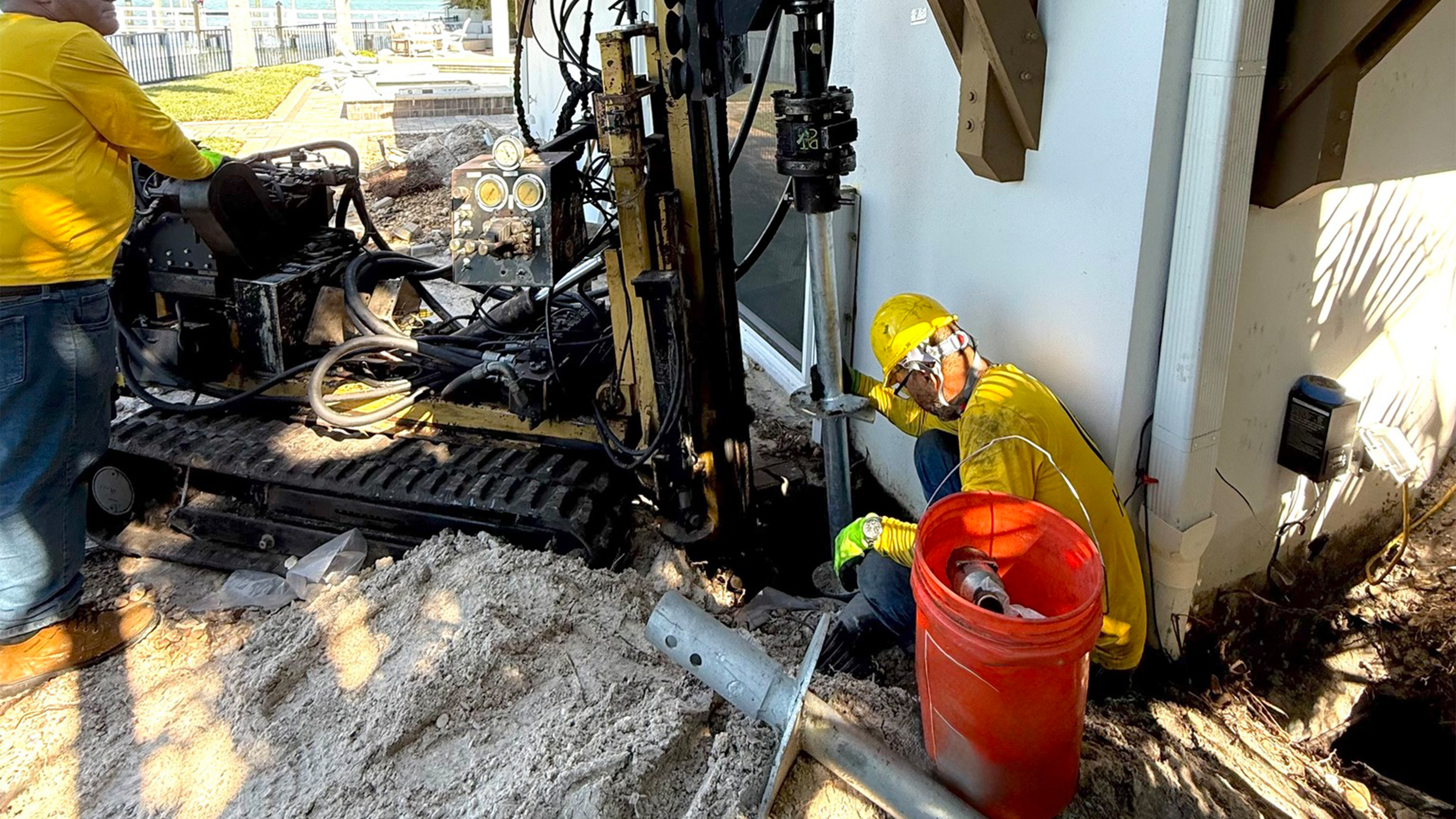
Try chemical grouting or compaction grouting to fill gaps and lock loose soil together. Sometimes, you’ll need helical pier systems that reach deep into solid ground, anchoring your home where the soil is strongest.
Regular inspections and early soil fixes help you dodge expensive foundation repairs down the line.
Garden and Landscape Solutions
Weak soil isn’t just a headache for builders; it can ruin your garden, too. Toss in compost or mulch to improve texture and hold moisture where your plants need it.
On slopes, use terracing or retaining walls to slow runoff and keep soil in place. Deep-rooted ground cover and shrubs provide natural stability, which is always a plus.
Go for lightweight, well-draining soil mixes in raised beds to keep plants happy and prevent soil collapse. And don’t forget: grading your lawn so water flows away from your house helps keep foundations dry and strong.
Stabilization for Commercial and Infrastructure Projects
When you’re building commercial sites or big infrastructure in Florida, the soil has to handle serious weight and resist erosion. If you skip proper prep, you’re asking for trouble. Delays, damage, you name it. The right approach depends on what you’re building and how much weight the soil needs to support.
Preparing Construction Sites
Before construction kicks off, prepping the site is non-negotiable. Clear out vegetation and scrape away loose or organic soil that can’t hold up a structure.
Compact the soil in layers to build up strength and cut down on settling. Add stabilizers like lime or cement, which react with the soil to make it tougher and more water-resistant.
This step’s especially important in Florida, where sandy or clay soils can shift all too easily. Stay on top of regular testing while you prep to catch problems early and make sure your base is solid.
Roadway and Pavement Support
Soil stabilization under roads and pavements keeps the surface from cracking or sinking. Go for mechanical methods like roller compaction, and mix in additives to boost load capacity.
Geotextiles or synthetic fabrics between soil layers stop mixing and reinforce weak spots. These materials fend off erosion and water damage, which Florida’s weather loves to dish out.
After construction, keep an eye on things. Maintenance matters. Look for signs of soil movement or erosion under the pavement.
Heavy Load Considerations
Projects with heavy equipment or big buildings demand extra soil support. Chemical stabilization using cement, fly ash, or polymers can really ramp up the soil’s strength.
Sometimes, you’ll need to install pilings or helical piers to send the load down to sturdier soil. That’s one way to dodge issues from settling or sinkholes, which are way too common in Florida.
Know your soil type and expected load before picking a stabilization method. It’s about protecting your investment and keeping the project safe for the long haul.
Managing Water and Drainage Effectively
Stabilizing weak soil in Florida? You can’t ignore water management. Proper drainage keeps water from softening the soil, wards off erosion, and saves you from a world of future headaches.
Improving Surface Runoff Management
Managing surface runoff is all about steering rainwater away from problem areas. Shape your land with gentle slopes or berms to guide water away from foundations or soft spots.
Planting grass or native plants helps slow down runoff and lets water soak in, which cuts down on erosion. Retaining walls on slopes hold soil in place and often have built-in drainage, like gravel or weep holes, to let water escape.
Try out rain gardens or infiltration trenches. They catch runoff and let it slowly seep in instead of pooling or streaming off your property.
Installing Proper Subsurface Drains
Subsurface drainage tackles water hiding below the surface, especially in Florida’s stubborn clay and silt soils. Install perforated pipes below ground to collect and redirect extra water away from weak spots.
Bury these pipes in gravel-filled trenches so water flows freely and doesn’t clog things up. French drains are popular for a reason: they’re basically a gravel trench with a pipe that whisks water away.
Maintenance is crucial. Keep drains clear so water keeps moving, and check pipes now and then for clogs or breaks. When you manage water above and below ground, you’re protecting your place from erosion and foundation trouble.
Monitoring and Maintenance After Stabilization
Once your soil’s stabilized, don’t just forget about it. Keep an eye on things. Regular checks help you spot early signs of movement or damage before they get out of hand.
Long-Term Soil Performance Checks
Schedule inspections every few years to check your soil’s condition after stabilization. Inspectors look for signs that the soil’s losing strength or shifting around.
Some folks use moisture sensors or real-time monitors to track changes. Don’t ignore how water drains around your house. Bad drainage can undo all your hard work.
Take care of your landscaping and control water flow near the foundation. If cracks or uneven settling pop up, jump on it fast to avoid bigger headaches.
Signs of Soil Movement
Watch for warning signs that your stabilized soil might be on the move. Cracks in foundation walls or stair-step cracks inside are red flags.
If doors and windows start sticking or floors feel uneven, something’s up. Outside, notice pooling water or soil that looks like it’s sliding downhill? Time to act.
If you spot these issues, get a professional inspection ASAP. Early action keeps your home stable and helps you dodge major repairs.
Hiring Professional Soil Stabilization Contractors
Getting the right pros on your side is key for long-lasting soil strength. Look for reliability, experience, and upfront costs. No one likes surprises.
Selecting Reliable Experts
Focus on contractors who know Florida soils. Ask about their past jobs and how they handle tricky ground.
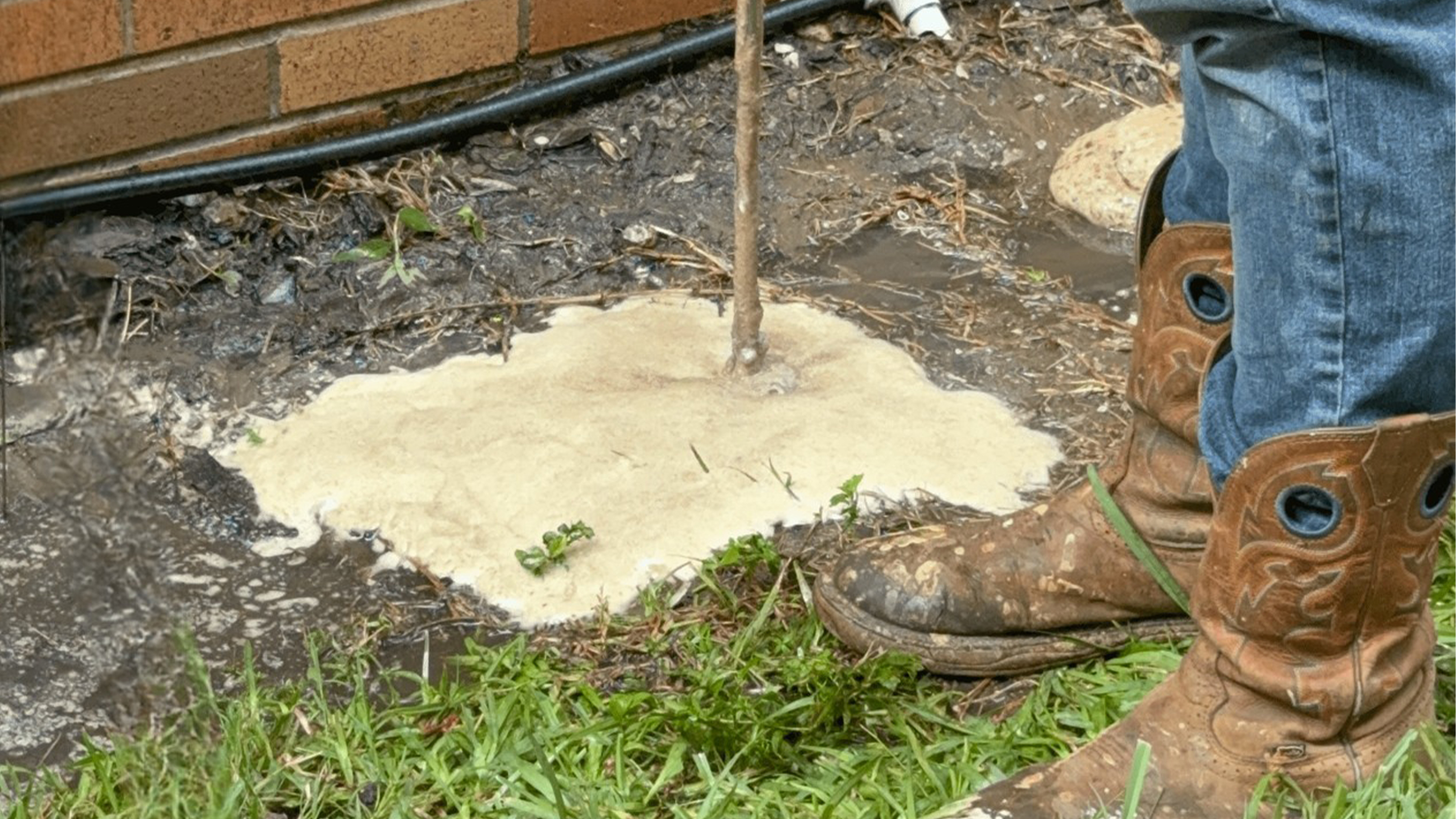
Reliable folks give you a clear inspection and a step-by-step plan before they start. Make sure they use proven methods like polyurethane foam injection or chemical grouting, which work well without turning your yard into a construction zone.
Check references and online reviews to see if they’re as good as they claim. Having a dedicated project consultant makes the whole process less stressful, too.
Cost Considerations
Soil stabilization costs depend on soil condition, area size, and chosen method. Contractors should give you a free estimate after checking things out, so you know exactly what you’re in for.
Watch out for hidden fees. Ask for a written quote covering everything. Investing in good stabilization usually saves money in the long run by preventing foundation disasters. Get a few quotes and weigh value and warranties, not just the lowest price tag.
Permitting and Environmental Regulations in Florida
If you’re stabilizing weak soil in Florida, you’ll need to follow some pretty specific permitting and environmental rules. These protect your land and nearby water. The Florida Department of Environmental Protection (DEP) keeps an eye on most of these regulations.
Permits may be required before you start, especially if your work affects stormwater or involves clearing land. Local governments have their own rules, too. Think tree removal limits or zoning quirks. Check with your city or county first to avoid headaches.
Florida wants you to use Best Management Practices (BMPs) to cut down on erosion and keep sediment in check during construction. These steps keep your site safer and in line with the law.
Here’s a quick checklist:
- Contact the DEP for state permits
- Check for local permits with city or county offices
- Stick to BMP guidelines for erosion and sediment control
- Work with contractors who know Florida’s rules
Stay informed and follow the rules, and your project will stay legal and environmentally friendly. It also makes your job site safer and protects your investment.
Protect Your Home by Strengthening the Ground Below
Weak soil does not fix itself, and small warning signs often point to deeper issues below the surface. Cracks, settling, and drainage problems are usually symptoms of unstable soil that needs the right solution, not a quick patch.
Helicon helps homeowners address soil problems at the source by matching Florida soil conditions with proven stabilization methods. Focusing on the ground below your home reduces long-term risk and helps prevent repeat foundation damage.
If you are seeing signs of soil movement or want peace of mind, now is the right time to act. Schedule an inspection or request a quote to understand your options and protect your home before minor issues grow into major repairs.
Frequently Asked Questions
What are effective methods to improve poor soil quality in Florida?
Try lime or cement to stabilize and strengthen soil. Compost boosts nutrients and helps hold water. Sometimes, chemical or polyurethane injections fill gaps and bind loose particles together.
Can you recommend budget-friendly options for soil stabilization in Florida?
Lime or fly ash mixes are usually affordable and help control soil expansion. Compost and mulch work great for gardens without breaking the bank. Mechanical compaction is another wallet-friendly way to make soil denser and sturdier.
What steps can I take to turn my weak soil into a more robust growing environment?
Start by testing your soil’s pH and texture. Add organic matter like peat moss or compost to sandy or clay soils. Aerate and water regularly, but don’t overdo it. Avoid heavy machinery that can squash the soil and mess up its structure.
Are there any specific techniques for strengthening soil in the Orlando area?
Orlando’s sandy soil drains fast and doesn’t hold nutrients well. Lime helps raise pH, and compost improves balance. Professionals often use chemical grouting or polyurethane injections to support foundations and stop settling.
How do I enhance my garden’s soil stability in Florida’s climate?
Use mulch to keep moisture steady and guard against erosion. Add organic matter for better nutrient retention. Pick plants that can handle Florida’s wild swings between wet and dry. Keep an eye on soil moisture to avoid wild swelling or shrinking.
What techniques do professionals use for soil stabilization in Tampa?
Professionals in Tampa rely on a mix of chemical grouting, compaction grouting, and polyurethane foam injections to reinforce loose soils beneath structures. These methods usually offer lasting support for foundations, sidewalks, and roads.
Installers aim to minimize damage during the process. There’s always a strong focus on safety and keeping customers at ease, even if every project has its quirks.

![How To Repair Cement Block Foundation [Homeowner Guide]](https://heliconusa.com/wp-content/uploads/2026/02/iStock-528064331.webp "How To Repair Cement Block Foundation [Homeowner Guide] 3")