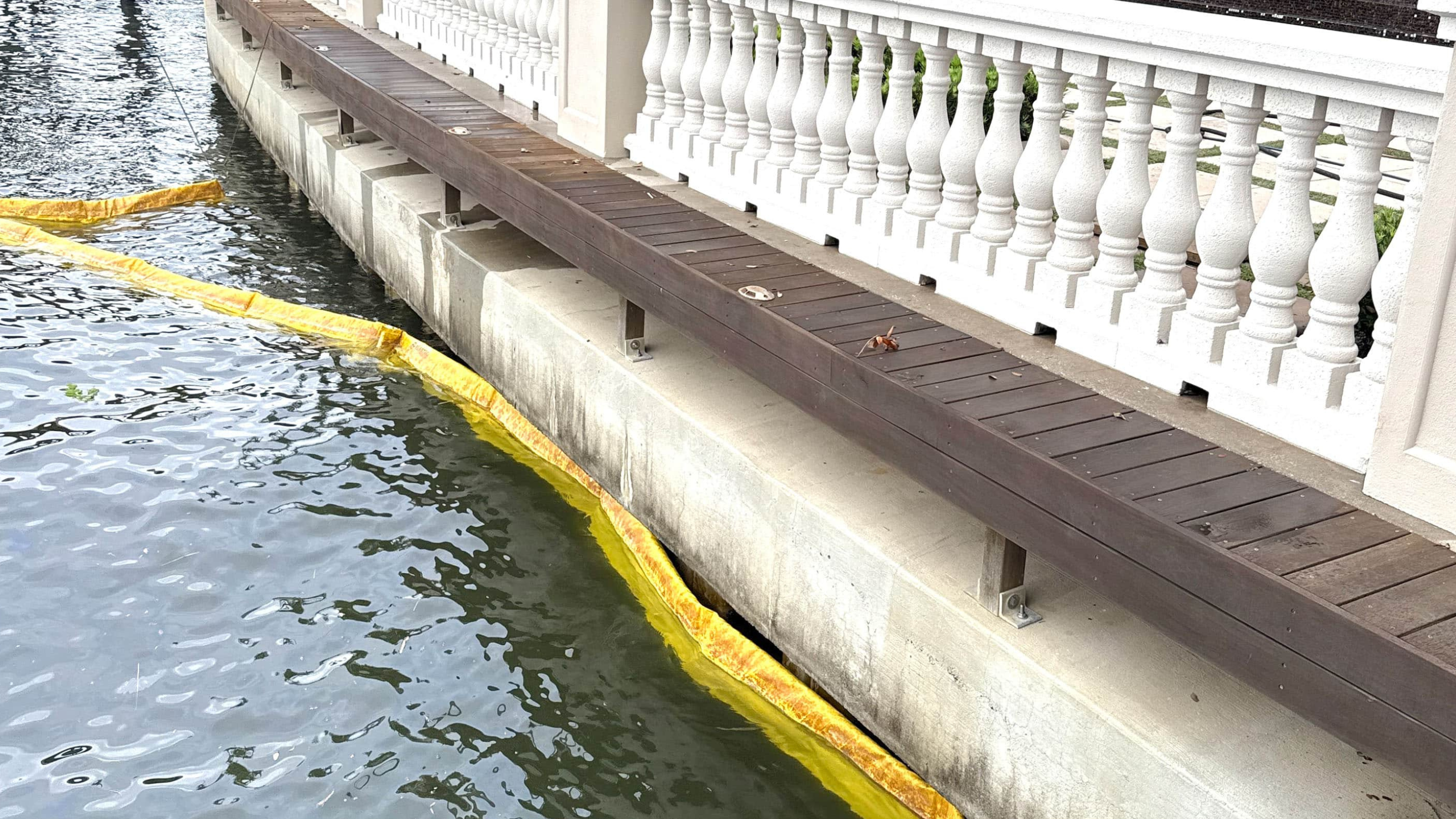
A cracked or failing seawall can put your shoreline, yard, and nearby structures at risk. When concrete starts to crack, spall, or leak, many homeowners are unsure how to repair a concrete seawall or how serious the damage really is. Ignoring early signs often leads to bigger, more expensive problems.
For homeowners facing these concerns, Helicon works with coastal properties across Florida and understands how water pressure, erosion, and aging concrete affect seawalls over time. Knowing what you are dealing with is the first step toward protecting your investment.
This guide explains how to repair a concrete seawall in a clear, practical way. You will learn how to identify damage, choose the right materials, handle common repairs, and recognize when professional help is the safer option.
Assessing Concrete Seawall Damage
Before you grab any tools, you’ve got to figure out what’s really going on with your seawall. A thorough inspection helps you find cracks, weak spots, and erosion problems so you can fix them the right way.
Identifying Cracks and Spalling
Cracks are super common. Look for tiny hairline cracks and also for bigger splits running through the concrete. Walk along the whole seawall and mark any cracks with chalk or tape. Pay attention to horizontal cracks near the waterline—those usually mean trouble with water pressure.
Vertical cracks might show up if the soil behind the wall is moving or settling. Spalling is when the concrete’s surface chips, flakes, or peels off. You’ll see rough patches where chunks of concrete are missing. This usually happens when water gets into the concrete and starts breaking it down.
If you spot exposed rebar in these areas, check for rust. Rust means water has gotten deep inside, and that’s never good news.
Recognizing Structural Weaknesses
A seawall that’s leaning or tilting out of place has bigger problems. Use a level or plumb line to see if any sections are leaning; even a couple of inches can spell trouble. Look for gaps between the seawall and the ground.
These voids form when soil washes away from behind the wall. You can tap along the wall with a rubber mallet and listen for hollow sounds to check for hidden voids.
Keep an eye out for movement in your yard near the seawall; sinkholes, dips, or settling ground usually mean soil loss behind the wall. Cracks or separation in the seawall cap are also red flags.
Evaluating Erosion and Water Intrusion
If water’s coming through your seawall, it’s just not doing its job anymore. Check for wet spots, water stains, or even water seeping straight through the concrete. These issues tend to get worse during high tide or after heavy rain.
Look behind the seawall at the soil and ground. Erosion can create channels where water flows, carrying soil away. You might see exposed roots, washed-out spots, or muddy water pooling at the base.
Too much water behind the seawall creates hydrostatic pressure that pushes against the wall, making cracks worse or even causing new ones.
Essential Tools and Materials for Concrete Seawall Repair
Getting your concrete seawall fixed up means having the right products, protective gear, and prep supplies. Marine-grade materials really are worth it for saltwater environments, and don’t forget to protect yourself while you work.
Choosing the Right Repair Products
Go for marine-grade concrete and sealants built for harsh coastal conditions. Regular concrete just won’t stand up to saltwater and constant waves. High-strength epoxy is a must for filling cracks and bonding sections together.
Polyurethane foam injection works well for filling voids behind the seawall and stopping water from getting through. These materials expand to seal gaps and prevent further erosion. For surface repairs and spalling, grab concrete patching compounds rated for underwater or marine use.
Look for products labeled “marine-grade” or “saltwater-resistant”—otherwise, you’ll just be fixing things again next year. Concrete fortifier additives are also a good idea. They help your repair materials stick better and make the concrete more flexible, so it can handle temperature swings and wave impact.
Safety Gear and Equipment
Don’t skip safety when you’re working near water and with chemicals. Always wear a good life vest if you’re close to the edge. Heavy-duty gloves protect your hands from sharp concrete and chemicals.
Safety glasses or goggles keep dust and debris out of your eyes. A hard hat is smart if you’re working under overhangs or caps that might have loose concrete. Rubber boots with good grip are a must, as things get slippery fast. If you’re mixing concrete or using chemical sealants in tight spots, a respirator mask is a smart move.
Preparation Materials
Getting the surface ready is half the battle. Use a wire brush to scrub off loose debris, salt, and marine gunk from cracks before you fill them. A chipping hammer or small jackhammer helps you knock out damaged concrete and create clean edges for patches.
Pressure washers blast surfaces clean and reach into small cracks. An angle grinder with a concrete blade lets you widen narrow cracks, so repair materials can really get in there. Keep buckets, mixing tools, and maybe a concrete mixer handy for prepping your materials.
Measuring tools help you get the mix right. Trowels and putty knives are perfect for spreading and smoothing patching compounds into cracks and rough spots.
Repairing Cracks and Surface Deterioration
Fixing cracks and surface damage isn’t too complicated if you clean well, use good bonding materials, and seal things up to keep water out. Each step matters if you want a lasting repair.
Cleaning and Surface Preparation
Start by getting rid of all loose material, debris, and marine growth from the damaged spots. Use a wire brush or grinder to really clean out cracks and expose solid concrete. Salt deposits and organic growth can keep repair materials from sticking, so don’t skip this.
Pressure washers are great for stubborn buildup, but let everything dry completely before you move on. For deeper cracks, widen them a bit with a chisel or grinder so they’re V-shaped. That gives your patch material more to grab onto.
Blow out all dust and particles with compressed air or a shop vac after grinding. The concrete needs to be totally clean and dry before you start patching. Even a little moisture or leftover grime can make patches fail fast in salty conditions.
Applying Concrete Patch Compounds
Pick marine-grade patching materials, because regular stuff just won’t hold up. Mix the compound according to the instructions and apply it in layers for more serious damage. Push the material firmly into cracks and damaged spots to get rid of air pockets.
Smooth the surface with a trowel so it matches the rest of the wall. Work quickly, since a lot of these products set faster than regular concrete. For structural cracks, use epoxy injection instead of just surface patching.
Epoxy creates a strong bond that brings the wall back to its original strength. Set up injection ports along the crack and pump epoxy in from the bottom up.
For small hairline cracks, use crack injection resin or a flexible sealant. Let all patches cure for as long as the manufacturer recommends before letting water come into contact with them.
Sealing Joints and Gaps
Once patches are cured, apply waterproof sealant to all joints, seams, and gaps. Use a caulking gun to lay down even beads of marine-grade polyurethane or silicone sealant. Focus on where the seawall meets other structures, expansion joints, and the cap.
Those areas are where water sneaks in and causes erosion. Tool the sealant with a wet finger or plastic spreader to press it in and make a watertight seal. Make sure the sealant is made for underwater use and can handle movement from temperature swings.
Some products work better above the waterline, others are fine submerged—double-check before you buy.
Fixing Structural and Foundation Issues
When you’re dealing with serious structural damage, you’ll need more advanced repairs that go after the seawall’s foundation and core strength. These methods tackle deep cracks, unstable foundations, and weakened concrete that threaten the whole structure.
Stabilizing Bulkheads
Your seawall’s bulkhead needs a solid base to keep it from collapsing. When soil erosion creates voids behind the wall, fill them fast to restore stability. Find the trouble spots by checking for sinkholes, tilting sections, or visible gaps near the base.
Sometimes a pro will use ground-penetrating radar to find hidden voids. Backfilling is the main fix here. Pump grout or concrete slurry into the empty spaces behind the seawall to fill the voids and give the structure a solid base again.
Installing a drainage system is also smart. Too much water behind the wall creates pressure and washes away soil. A pressure control system will automatically remove water and protect your investment.
Reinforcing with Steel or Fiberglass
Steel or fiberglass can shore up your seawall when the concrete’s lost its strength. These reinforcements provide additional support for walls with large cracks or bowing sections. Drill holes in the concrete and insert steel rods or rebar, then anchor them with epoxy.
This creates a framework that holds cracked sections together and spreads the load more evenly. Fiberglass wraps are another option. Apply them directly to the seawall’s surface—great for curved spots or areas with lots of small cracks.
Carbon fiber strips are similar to fiberglass but even stronger. Engineers like them when you need maximum reinforcement without bulking up the wall.
Grouting and Injecting Epoxy
Epoxy injection works for deep cracks that threaten your seawall’s foundation. If the crack is wide enough to fit a nickel, it’s probably time for this. Drill small holes along the crack, then inject epoxy resin under pressure.
The epoxy fills every gap and bonds the concrete back together. High-strength epoxy sets up fast and creates a waterproof seal, stopping water from getting in and making things worse. The repair can actually end up stronger than the original concrete.
Grouting works for bigger voids and wider cracks, using a cement-based mix instead of epoxy. You can combine both: grout for the big gaps, epoxy for the precision stuff.
Preventing Future Damage to Concrete Seawalls
If you want your seawall to last, you’ll need good drainage, protective coatings, and regular maintenance checks. These steps help you stretch out the life of your seawall and dodge pricey repairs down the road.
Improving Drainage
Water building up behind the seawall pushes against the structure and causes cracks. Install weep holes every 5 to 10 feet—these let trapped water drain out naturally. Keep the holes about 2 to 3 inches wide and above the low tide line.
Adding a gravel drainage layer behind the wall during repairs or construction helps water flow away instead of pooling. French drains are another drainage solution, redirecting groundwater before it reaches the seawall. Clean weep holes at least twice a year; they clog up with debris and stop working if you forget.
Applying Protective Sealers
Concrete sealers act like a shield, keeping saltwater and moisture out. Apply a penetrating sealer made for marine environments every 3 to 5 years. These products soak into the concrete and protect it from the inside out.
Before sealing, clean the seawall well to remove salt, algae, and dirt. Make sure the concrete is completely dry before you start. Epoxy coatings give even tougher protection in rough conditions, forming a thick, waterproof layer on the surface.
Look for products that resist UV and stand up to saltwater. Don’t skimp here—your seawall deserves the best shot at a long life.
Timely Maintenance Practices
Inspect your seawall every six months for cracks, spalling, or any signs of damage. Watch for crumbling concrete, rust stains from exposed rebar, or sections that lean or bulge are all red flags.
Small cracks under 1/8 inch? Just fill them with concrete filler before they spread. It’s a quick fix that can save you a headache later.
Clean the seawall at least once a year to scrub away salt buildup, moss, and algae. These things trap moisture and really speed up wear and tear. During inspections, check the soil level behind your seawall.
If you spot soil washing away or voids forming, fill them right away to prevent further settlement. Keep notes or photos of your inspections and repairs. Tracking changes over time helps you catch issues before they get out of hand.
Protecting Your Seawall Before Damage Gets Worse
Knowing how to repair a concrete seawall helps you address cracks, erosion, and water pressure before they threaten your shoreline and property. Early repairs, proper materials, and good drainage can slow deterioration and extend the life of your seawall.
For homeowners who want confidence in their next step, Helicon provides experienced guidance and proven repair solutions for concrete seawalls exposed to Florida’s demanding coastal conditions. The right approach can prevent recurring damage and reduce long-term costs.
If your seawall shows cracks, leaks, or signs of movement, schedule an inspection or request a repair estimate today. Acting early is the most effective way to protect your waterfront property and avoid more complex repairs later.
Frequently Asked Questions
How do I know if my concrete seawall needs repair?
Common warning signs include visible cracks, flaking or spalling concrete, rust stains from exposed rebar, and water leaking through the wall. Leaning sections, gaps behind the seawall, or soil washing away nearby can also signal deeper problems that should not be ignored.
Can small seawall cracks be repaired without professional help?
Minor surface cracks and early spalling can often be handled by homeowners using marine-grade patching materials or epoxy. The key is proper cleaning, correct product selection, and allowing enough cure time before the wall is exposed to water again.
When is professional seawall repair necessary?
Professional help is usually needed if the seawall is leaning, bowing, or showing signs of foundation instability. Large cracks, repeated water intrusion, or soil loss behind the wall often require specialized equipment and structural repair methods.
What causes concrete seawalls to fail over time?
Most concrete seawalls deteriorate due to constant water pressure, salt exposure, erosion behind the wall, and aging materials. Poor drainage and clogged weep holes increase pressure on the structure and speed up cracking and movement.
How long do concrete seawall repairs typically last?
The lifespan of a repair depends on the materials used, the severity of the original damage, and ongoing maintenance. High-quality epoxy, proper sealing, and good drainage can extend the effectiveness of repairs for many years.
How can I reduce future damage after repairing my seawall?
Regular inspections, keeping drainage systems clear, and applying protective sealers every few years are essential. Addressing small cracks early and preventing water buildup behind the wall helps avoid larger, more costly repairs later.