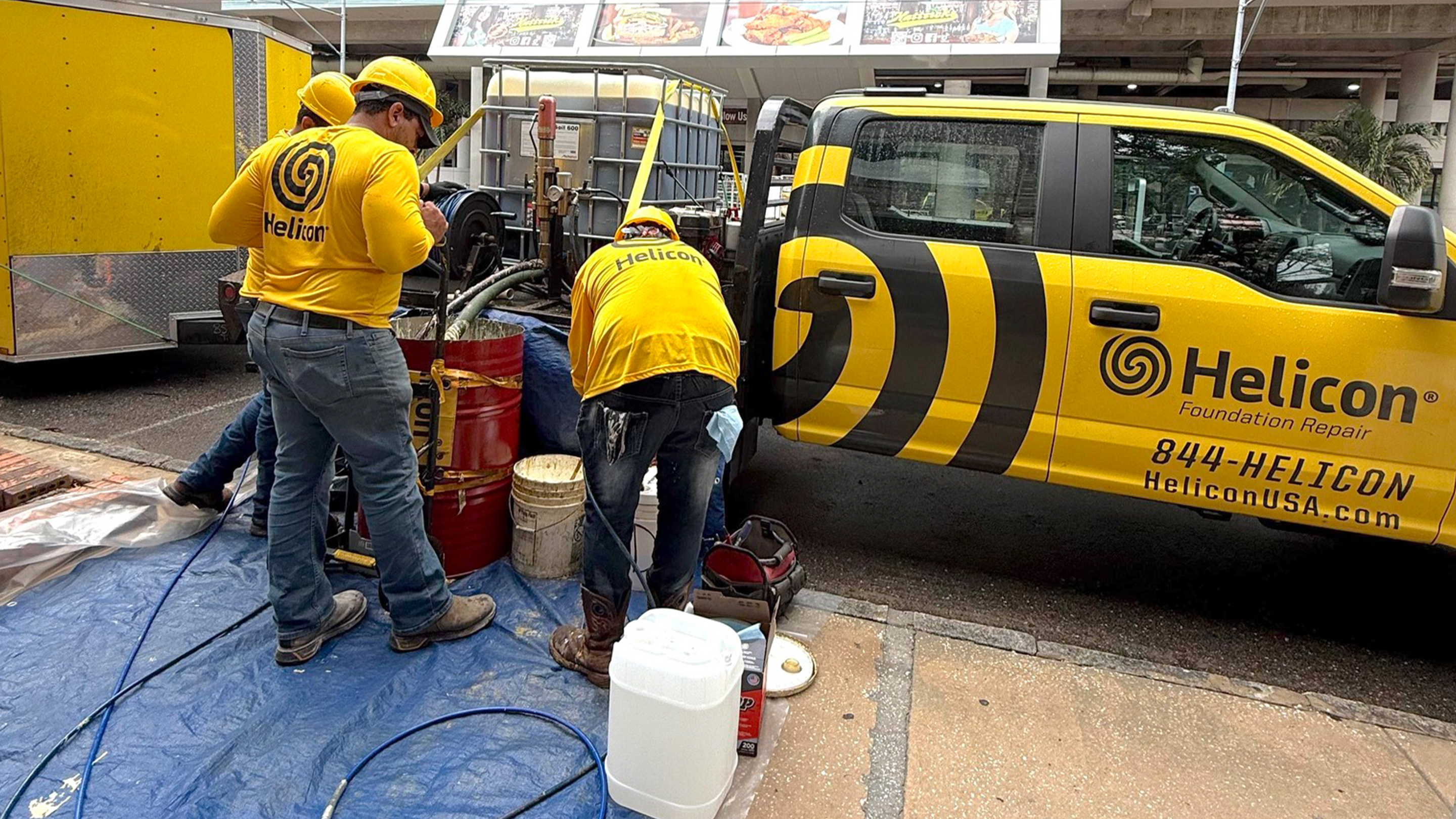
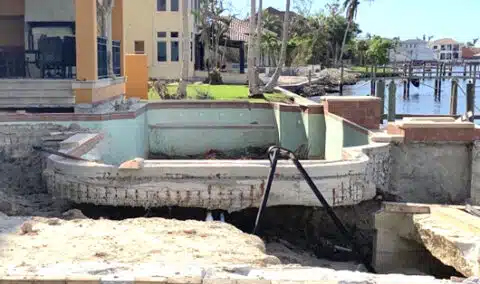
Cracks in your walls, sloping floors, or doors that suddenly stick can make you worry about your home’s safety and value. When these signs show up, choosing the right foundation repair companies quickly becomes a serious decision.
With a trusted company like Helicon, you get clear answers instead of guesswork, so you’re not left stressing over surprise costs or confusing repair jargon. The goal is simple: fix the problem at its source and protect your home for the long term.
In this guide, you’ll learn how foundation repair companies work, what repair methods they use, what drives costs, and how to compare options. That way, you can move from uncertainty to a confident, informed decision.
What Are Foundation Repair Companies?
Foundation repair companies fix issues that affect the base of your home or building. They assess the damage, create repair plans, and use specialized methods to restore strength and safety. They work with different foundation types and tackle problems that threaten your property’s long-term stability.
Definition and Core Services
These companies specialize in diagnosing and repairing problems with the underlying structure of buildings. Their main services include fixing cracks, leveling floors, and stabilizing shifting or sinking foundations.
Usually, they start with a detailed inspection to identify what is causing the trouble. The source might be unstable soil, poor drainage, or long-term water issues. After that, they design a repair plan that fits your specific situation.
Common repair methods might involve installing piers or underpinning systems, or lifting concrete slabs that have settled over time.
Types of Foundations Addressed
Foundation repair companies handle slab, crawl space, and basement foundations. Each type brings its own quirks and common headaches. Slab foundations are concrete poured directly on the ground. They can crack or sink if the soil shifts or washes away.
Crawl space foundations have an open area underneath and often struggle with moisture, wood rot, or pest issues. Basement foundations go deeper and can develop cracks or leaks from water pressure or shifting soil.
The best foundation repair companies understand these differences and tailor their solutions to your foundation type. That way, the repairs actually last and match your building’s needs.
Common Structural Issues Handled
These companies tackle a range of problems that can affect your home’s safety and value. You might see:
- Cracks in walls or floors: Stair-step cracks often point to foundation movement.
- Uneven or sloped floors: Parts of the foundation may be sinking or settling.
- Doors and windows sticking or not closing properly: Shifting framing from foundation movement can cause this.
- Concrete spalling or breaking: When concrete surfaces break down, it is often a red flag.
- Water infiltration or drainage issues: Poor drainage can weaken soil and trigger larger foundation problems.
Repair experts dig into each issue to find what is really going on. They might use piers, underpinning, or concrete lifting to correct the damage and help prevent the problem from coming back.
How Foundation Repair Companies Operate
Professional foundation repair companies follow a clear process to spot problems and plan the right fix. They use a mix of tools and experience to evaluate your foundation and give you honest guidance about what is needed.
This helps you understand how serious the issues are and what kind of repair makes the most sense for your home.
Inspection and Assessment Process
First is a detailed inspection and assessment. Experts look for visible issues such as cracks, sloped floors, and gaps near doors or windows. They also inspect basements or crawl spaces to check moisture levels, support structures, and soil conditions.
This careful review lets them identify both surface damage and deeper problems that could threaten your home’s stability.
Diagnostic Technologies Used
Modern foundation repair companies rely on specialized tools to gather accurate data about your foundation’s condition, such as:
- Laser levels and inclinometers to measure shifts and tilts
- Ground-penetrating radar (GPR) to spot underground voids or obstacles
- Moisture sensors to track water problems in the soil or building materials
- Soil probes to test what is really under your foundation
These diagnostic tools reduce guesswork, which allows repairs to focus on the real root cause instead of just the symptoms.
Reporting and Recommendations
After the inspection, you receive a detailed report and recommendations. This typically covers:
- What is wrong with the foundation
- How severe the damage is
- The most appropriate repair options
You also see a projected timeline and a cost estimate. A good company will explain each option clearly and answer your questions, so you are not left in the dark.
Clear advice and honest recommendations help you feel confident about the plan and the investment you are making.
Popular Foundation Repair Methods
Foundation repair is not a one-size-fits-all process. There are several proven methods for restoring stability and preventing further damage. Knowing the basics helps you understand what foundation repair companies may recommend for your home.
Piering and Underpinning Solutions
Piering involves installing heavy-duty supports deep into the ground under your home. These supports can be steel piers or helical piers, depending on the soil and your foundation type.
They transfer the weight from the failing foundation to more stable ground below. Underpinning extends your foundation’s base, often by adding concrete or other structural materials beneath it.
Both approaches work well if your foundation has sunk or settled unevenly. They can stop further movement and may even lift your foundation closer to its original position.
Slabjacking Techniques
Slabjacking, also called concrete lifting, pumps material beneath a sunken slab to raise it. Usually, technicians use polyurethane foam or cement grout to fill empty spaces under the concrete.
The material expands and hardens, pushing the slab back into place and making it stable again. This method is fast, relatively low-mess, and can help prevent water from pooling under slabs.
If you are dealing with sinking patios, driveways, sidewalks, or minor settlement issues, slabjacking can be an efficient fix.
Crack Injection and Sealing
Cracks allow moisture to enter and slowly weaken your structure. Crack injection fills these gaps with epoxy or polyurethane resins.
Epoxy restores strength in structural concrete, while polyurethane stays flexible and helps block water. This type of repair works best for smaller cracks and keeps them from spreading.
Sealing cracks also protects against mold growth and soil erosion near your foundation. Choosing the right material for your climate and foundation type is important, so this step should not be skipped.
Choosing a Foundation Repair Company
Selecting the right partner from the many foundation repair companies in your area means checking credentials, reviews, and estimates. A little homework now can save you from headaches and surprise costs later.
Assessing Credentials and Experience
Start by confirming that the company is properly licensed and certified in your state and city. This means they meet local rules and industry standards.
Check how long they have worked in your area. Local experience matters because different soils and weather patterns can dramatically change the repair approach.
Look for companies that use up-to-date technology and stand behind their work with clear warranties. That is usually a sign they are serious about quality and not just passing through town.
Evaluating Customer Reviews
Customer reviews reveal how a company treats people once the contract is signed. Read feedback on multiple review sites to get a full picture.
Look for comments about professionalism, timeliness, and overall work quality. Pay attention to how the company responds to complaints. Do they address problems and follow up, or ignore them?
Ask for references from recent customers with similar issues. Speaking directly with other homeowners gives you a realistic view of what to expect.
Requesting and Comparing Estimates
Always request written estimates from several foundation repair companies. Make sure each estimate explains the recommended repair method, materials, projected timeline, and total cost.
If a bid looks unusually low, watch for shortcuts or hidden fees. Ask how they calculated the price and what is included or excluded.
Compare the warranties as well. Longer and more comprehensive coverage often indicates better workmanship and materials.
If anything in the estimate is unclear, ask for clarification. A reliable company will walk you through every detail so you can make an informed decision.
Regulations and Industry Standards
Foundation repair companies must follow specific regulations to keep projects safe, legal, and effective. That means meeting licensing requirements, following safety practices, and complying with local building codes.
Licensing Requirements
A properly licensed company holds the right permits and meets state and local standards. This shows that its team has the training and skills for challenging repairs.
Licensing also protects you by ensuring the company follows regulations and carries appropriate insurance. This reduces your risk of damage or liability if something goes wrong on the job.
Before hiring anyone, ask for proof of licensing and insurance. It is a simple step that helps you avoid delays or problems caused by unqualified contractors.
Safety Protocols
Safety matters for you, your family, and the workers on your property. Foundation repair companies should follow clear safety protocols to prevent accidents and avoid property damage.
That often includes protective gear, secure scaffolding, equipment checks, and careful procedures for electrical and excavation work. Good companies also clean up and review the site before leaving.
They train their teams to spot hazards quickly and respond if conditions change. Using tested materials and safe methods helps ensure the repairs do not create new problems for your home.
Compliance With Building Codes
All foundation repairs must comply with local building codes and regulations. These codes set minimum standards for materials, design, and construction practices to keep your home stable and safe.
Ignoring these rules can lead to legal issues, fines, or even forced rework. Reputable contractors usually handle permits, inspections, and paperwork, so you do not have to manage the details alone.
Building codes also consider local risks, such as soil conditions, flood zones, and weather patterns, which can all affect foundation stability. Companies that truly understand these codes can provide repairs that are built to last under your specific local conditions.
Costs Associated With Foundation Repair
Foundation repair costs can vary widely based on the damage and the type of solution required. Knowing typical price ranges and cost drivers helps you budget and compare foundation repair companies.
Typical Price Ranges
Most foundation repairs fall somewhere between $2,200 and $8,600. Simple jobs like crack sealing might cost $300 to $800, while larger projects such as pier installation, slab replacement, or major structural work can exceed $15,000.
For example:
| Repair Type | Typical Cost Range |
| Crack sealing | $300 – $800 |
| Minor foundation leveling | $2,200 – $5,000 |
| Pier installation | $5,000 – $15,000 |
| Full slab replacement | $15,000 – $30,000+ |
Your final cost depends on the amount of work needed to stabilize your home and prevent future damage.
Factors Affecting Costs
Many factors can increase or decrease your foundation repair bill, including:
- Damage severity: Small cracks cost far less than major structural failures.
- Home size: Larger homes usually require more materials and labor.
- Soil conditions: Challenging soils, like expansive clay or soft sand, call for stronger and often more expensive fixes.
- Repair method: Helical piers, push piers, slabjacking, and polyurethane foam lifting all come with different price points.
- Inspection fees: Expect anywhere from $0 to $255 for a professional evaluation, depending on the company and region.
Understanding these variables helps you interpret quotes from different foundation repair companies more accurately.
Financing and Payment Options
Foundation repairs can be a significant investment, but many companies offer financing and payment options.
You may see payment plans that break the total into monthly installments, home improvement loans with set interest rates, or home equity lines of credit that tap into your property’s value.
Ask your chosen company to explain its financing programs and any third-party options. Getting necessary repairs done now, instead of delaying, can save you money and stress over the long term.
Warranties and Aftercare Services
If you are investing in foundation work, it is important to understand the warranty and aftercare that come with the job. This typically includes coverage details, follow-up inspections, and maintenance recommendations that protect your investment.
Types of Warranties Offered
Most foundation repair companies offer warranties on both workmanship and materials. These protect you from issues caused by incorrect installation or defective products.
Some companies provide limited warranties that last a few years. Others may offer long-term or even lifetime warranties, sometimes with the option to transfer coverage to new owners if you sell your home.
Warranties usually exclude damage from natural disasters or neglect. Always read the fine print so you understand how long coverage lasts, what it includes, and whether it can be transferred.
Post-Repair Inspections
After the work is complete, a strong company will schedule post-repair inspections. These visits confirm that repairs are performing as intended and can catch new issues early.
During these checkups, technicians look for new cracks, settlement, or other warning signs. If problems appear and they are covered under the warranty, the company will typically correct them at no additional cost.
These follow-up visits provide peace of mind and help protect your foundation for years to come.
Ongoing Maintenance Programs
Ongoing maintenance after repairs is a smart way to protect your home. Many foundation repair companies offer maintenance programs that include soil monitoring, drainage checks, and minor adjustments.
Maintenance can involve regular site visits, inspecting and cleaning gutters, and improving water management around your home. Keeping water away from the foundation helps prevent future movement and damage.
Investing in a maintenance plan with a reputable company can extend the life of your foundation repairs and reduce the chance of larger problems later on.
Foundation Repair Companies by Region
Where you live plays a major role in the type of problems your foundation faces and the solutions that foundation repair companies recommend. Local soil types, climate, and building practices all influence repair strategies.
Local vs. National Providers
Local companies tend to understand your area’s soil and weather patterns in depth. They often provide more personalized service and can respond faster to urgent issues. Contractors who know Florida’s soils, for instance, understand sandy ground, high water tables, and sinkhole risks.
National providers operate across wider regions and bring large-scale resources. However, they may not always capture the fine details of local conditions as well as a regional specialist.
When choosing between local and national foundation repair companies, consider response time, regional expertise, and customer reviews in your specific area.
| Factor | Local Providers | National Providers |
| Knowledge of soil/climate | High | Moderate |
| Response speed | Faster | Sometimes slower |
| Coverage area | Limited | Extensive |
| Pricing | Can vary | Often standardized |
Regional Soil and Climate Considerations
Soil and climate have a huge impact on foundation problems. In Florida, for example, soft, sandy soils and potential sinkholes can be serious concerns. Foundation repair companies in this region often specialize in soil stabilization and sinkhole remediation.
Colder climates deal with frost heave, where freezing and thawing cycles move soil and crack foundations. Repairs there may focus on pier stabilization, drainage improvements, and moisture control.
Understanding your local environment helps you choose a contractor that uses methods proven to work for your region’s unique challenges.
Innovations in Foundation Repair
Foundation repair is evolving quickly. New materials and technologies are making repairs stronger, faster, and less disruptive for homeowners.
Advanced Repair Materials
Modern repair materials are engineered to handle soil movement, moisture, and long-term stress. For example, galvanized steel helical piers anchor deep into stable soil and provide strong support that resists corrosion.
Polyurethane foam is another innovative material. Contractors inject it under sinking slabs to fill voids, and it expands and hardens in place. This creates support with minimal excavation and downtime.
These materials are lightweight, durable, and adaptable to different conditions. Choosing foundation repair companies that embrace advanced materials can help your repairs last longer and reduce the need for repeat work.
Emerging Technologies
Technology is transforming how foundation repair companies plan and monitor projects. Advanced monitoring systems can track foundation movement in real time, so pros can respond before small issues become major problems.
Robotic drilling equipment and smart sensors help crews work efficiently in tight spaces and improve precision. Some teams are even exploring 3D printing to create custom parts or formwork for complex repairs.
These innovations can lower costs, shorten project timelines, and help ensure safer, more accurate results for homeowners.
Environmental and Sustainable Practices
If you care about environmental impact, you will be glad to know that many foundation repair companies are adopting greener approaches. Some use recycled carbon fiber, bio-based stabilizers, or other eco-friendly materials that reduce waste and emissions.
Techniques like concrete lifting with polyurethane foam are less invasive and require fewer raw materials than traditional demolition and replacement. That is good for your property and for natural resources.
Proactive maintenance, such as improving drainage and monitoring soil conditions, also supports long-term soil health and reduces the need for large-scale repairs.
| Sustainable Methods | Benefits |
| Recycled materials | Reduces waste and emissions |
| Bio-based stabilizers | Safer for soil and groundwater |
| Concrete lifting | Minimizes material use |
| Advanced monitoring | Enables early issue detection |
Choosing companies that prioritize these practices gives you reliable repairs while lowering your home’s environmental footprint.
Moving Forward With Confidence
Foundation problems can feel overwhelming, but they’re much easier to manage when you understand the warning signs, repair methods, costs, and warranties. Knowing how foundation repair companies work helps you separate quick fixes from real, long-term solutions.
With a trusted company like Helicon, you get clear inspections, straightforward explanations, and repair options that match your home’s actual needs. That kind of support turns a stressful situation into a plan you can feel good about.
If you’re seeing cracks, uneven floors, or sticking doors, don’t wait for the damage to grow. Schedule a professional foundation inspection, compare your options, and choose the repair plan that gives you stability, value, and peace of mind for years to come.
Frequently Asked Questions
What are the common signs that indicate a need for foundation repair?
Cracks in walls, especially around doors or windows, should get your attention. If your floors feel uneven or start to slope, that is another important warning sign.
Doors or windows that stick or refuse to close properly can also signal foundation movement. If you notice water pooling near the foundation or gaps between floors and walls, something underneath is likely shifting or settling.
How do you evaluate the integrity of a foundation before beginning repairs?
Evaluation begins with a professional inspection. The inspector checks for cracks, signs of soil movement, and any moisture issues that might be hiding in crawl spaces or basements.
Tools such as laser levels, moisture meters, and soil probes help determine how serious the damage is and whether the soil is stable enough to support repairs. It is smart to understand the full picture before any work starts.
What are the differences between pier and beam versus slab foundation repairs?
Pier and beam foundations rely on piers and beams to support the structure, and there is usually space underneath. Repairs often involve leveling the beams, replacing damaged piers, or improving support in specific areas.
Slab foundations are concrete poured directly onto the ground. Repairs may include lifting sunken sections with foam or grout, installing piers under settled edges, or stabilizing the soil below the slab.
What is the expected lifespan of a foundation repair?
When foundation repairs are designed correctly and installed using quality materials, they can last for decades. Solutions such as steel piers, helical piers, and chemical grouts are engineered to resist corrosion, soil pressure, and long-term movement.
Regular maintenance and proper drainage around your home also play a big role in how long repairs will perform as intended.
How can homeowners prevent future foundation issues?
The most important step is controlling water. Keep gutters clean and ensure downspouts move water away from the foundation. The soil around your home should slope away, not toward, the structure.
Avoid planting large trees too close to the foundation, since roots can disturb soil and draw out moisture. Schedule periodic inspections so small issues are caught early. In areas with weaker or highly active soils, ask about soil stabilization treatments for extra protection.
What should be considered when selecting a foundation repair company?
Choose foundation repair companies that employ qualified experts and have a strong local track record. Look for transparency in inspections, explanations, and pricing before you sign anything.
Pay attention to how clearly they communicate, how they address your questions, and how they prioritize safety. You should feel informed and supported from the first inspection through the last follow-up visit.