Florida’s soft, sandy soils and high water tables can quietly undermine your home. Cracks in walls, sticking doors, and sloping floors are all signs that settlement may already be at work. Florida soil settlement prevention is about stopping those problems before they get worse and more expensive.
That’s where a trusted specialist like Helicon makes a real difference. With the right mix of soil stabilization, drainage improvements, and foundation design, you can protect your home instead of constantly reacting to new damage.
In this guide, you’ll learn what causes settlement, how to spot early warning signs, and which prevention techniques work best in Florida’s conditions. You’ll also see practical steps you can take now to reduce risk, control moisture, and keep your foundation strong for years to come.
Understanding Florida Soil Settlement Problems
Soil settlement in Florida happens when the ground beneath your property sinks or shifts. That can show up as damage like cracks or uneven floors. The causes, soil types, and common problems all shape how settlement happens—and what you can do to stay ahead of it.
Causes of Soil Settlement
Settlement starts when the soil beneath your foundation changes volume or loses support. In Florida, heavy rainfall, droughts, and poor drainage are big culprits. Soils shrink when dry and swell when wet, which makes the ground unstable.
Construction practices matter too; if the soil isn’t properly compacted before building, it’ll settle later under weight.
Water leaking under your home from broken pipes or bad gutters also weakens soil, bumping up the risk.
Types of Soils in Florida
Florida mostly has sandy soil, which drains quickly but doesn’t hold materials firmly. This type settles more than clay or rocky soils because sand shifts easily. Areas with clay expand and contract a lot, causing uneven support. In some parts, you’ll find muck or peat soils loaded with organic content.
These soils compress over time under weight, causing slow, ongoing settlement. Getting to know your soil type helps you choose the best ways to stabilize and protect your foundation.
Common Settlement Issues
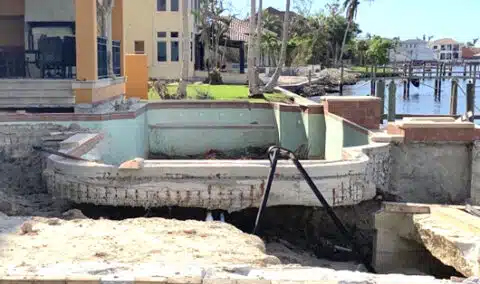
Settlement causes problems like cracks in walls, slanting floors, and doors that stick or refuse to close properly. You might spot these signs in your home’s foundation, driveway, or pool deck. Ignoring small issues can lead to costly repairs. Fixing problems early helps keep your home safe and your investment secure.
Site Assessment and Soil Testing
Accurate soil assessment and testing are essential before any foundation or construction work in Florida. These steps reveal ground conditions, help pinpoint weak soil layers, and guide your project team on the best ways to prevent settlement issues. Thorough testing is a cornerstone of effective soil settlement prevention in Florida.
Geotechnical Investigation Methods
A thorough geotechnical investigation starts by collecting soil samples from different depths. This usually means drilling and taking core samples to get a feel for soil composition and strength.
Standard tests include soil borings, cone penetration tests, and groundwater level measurements. These provide detailed data on soil density, moisture content, and compaction.
You should expect the testing to evaluate how the soil will behave under weight. This info helps engineers design foundations that resist settlement and shifting.
Identifying Problematic Soil Layers
Florida’s soil can vary widely—from loose sands to organic muck and clay. Identifying the layers that can cause problems is critical. Look for weak, compressible soil layers that are prone to shrink or settle when wet or dry.
Organic-rich soils often lack stability and can cause uneven foundation sinking. High groundwater or fluctuating moisture levels in these layers also increase settlement risk.
Pinpointing these weak soil zones lets your construction team plan effective measures such as soil replacement, compaction, or chemical stabilization to strengthen the base.
Interpreting Soil Test Results
Soil test results provide numbers on density, moisture, and load-bearing capacity. You’ll want to focus on values like the soil’s compaction percentage and Atterberg limits (which measure moisture’s effect on soil strength). Low compaction or high plasticity values mean soils are likely to settle or deform under pressure.
Your engineer will translate this data into practical steps for foundation design and soil prep. Clear, accurate interpretation helps you avoid headaches later by making sure your foundation rests on solid ground from the start.
Design Strategies for Soil Settlement Prevention
To prevent soil settlement in Florida, you need to focus on the right foundation choice, effective ways to spread the building load, and thorough site preparation. Each step helps protect your property from uneven sinking and structural damage caused by Florida’s unique soil conditions.
Proper Foundation Selection
Choosing the right foundation is crucial in Florida due to its sandy soils and high water table. You should opt for deep foundations like pilings or helical piers when building on soft or unstable soils. These foundations transfer loads to stronger soil layers below the surface.
Shallow foundations may work for stable areas but require careful evaluation by geotechnical experts to avoid future settlement. Using strong, reinforced materials and proper embedment depth improves stability.
Load Distribution Techniques
Evenly spreading the building weight reduces the risk of soil compression under the foundation. You can do this by designing wide footings or using slab-on-grade foundations to distribute load over larger areas. In some cases, engineered mats or grade beams help transfer loads evenly across soft soils.
These systems reduce pressure concentration on any one spot. Using lightweight building materials also lowers total load. Proper load distribution lessens uneven sinking and extends the life of your foundation.
Site Preparation Best Practices
Before construction, thorough site preparation helps improve the soil’s strength and reduce settlement risk. This includes soil compaction to increase density and remove air pockets that cause soil to compress later.
Managing site water properly is essential. Installing drainage systems prevents excess moisture from weakening the soil. You should remove or treat unsuitable materials like organic matter or loose fill.
Using soil stabilizers, such as lime or chemical additives, can also increase soil strength. Good site preparation sets a firm base for your foundation and helps avoid costly repairs in the future.
Soil Improvement Methods
Improving the soil under your home helps prevent damage from shifting or settling ground. This involves strengthening weak soils, filling gaps, and supporting your foundation to keep everything stable over time. Soil improvement is a key part of Florida soil settlement prevention.
Soil Compaction Processes
Soil compaction increases the density of soil by pressing particles closer together. This lowers the chance of future settlement and makes the ground more stable for your foundation. Common compaction tools include vibratory rollers and plate compactors.
These devices use vibration and pressure to compact sandy or granular soils. Compaction is often the first step before construction or repair. It helps reduce voids and stops soil from compressing unevenly under weight. In Florida, where soils vary widely, proper compaction must match soil type.
Grouting and Chemical Stabilization
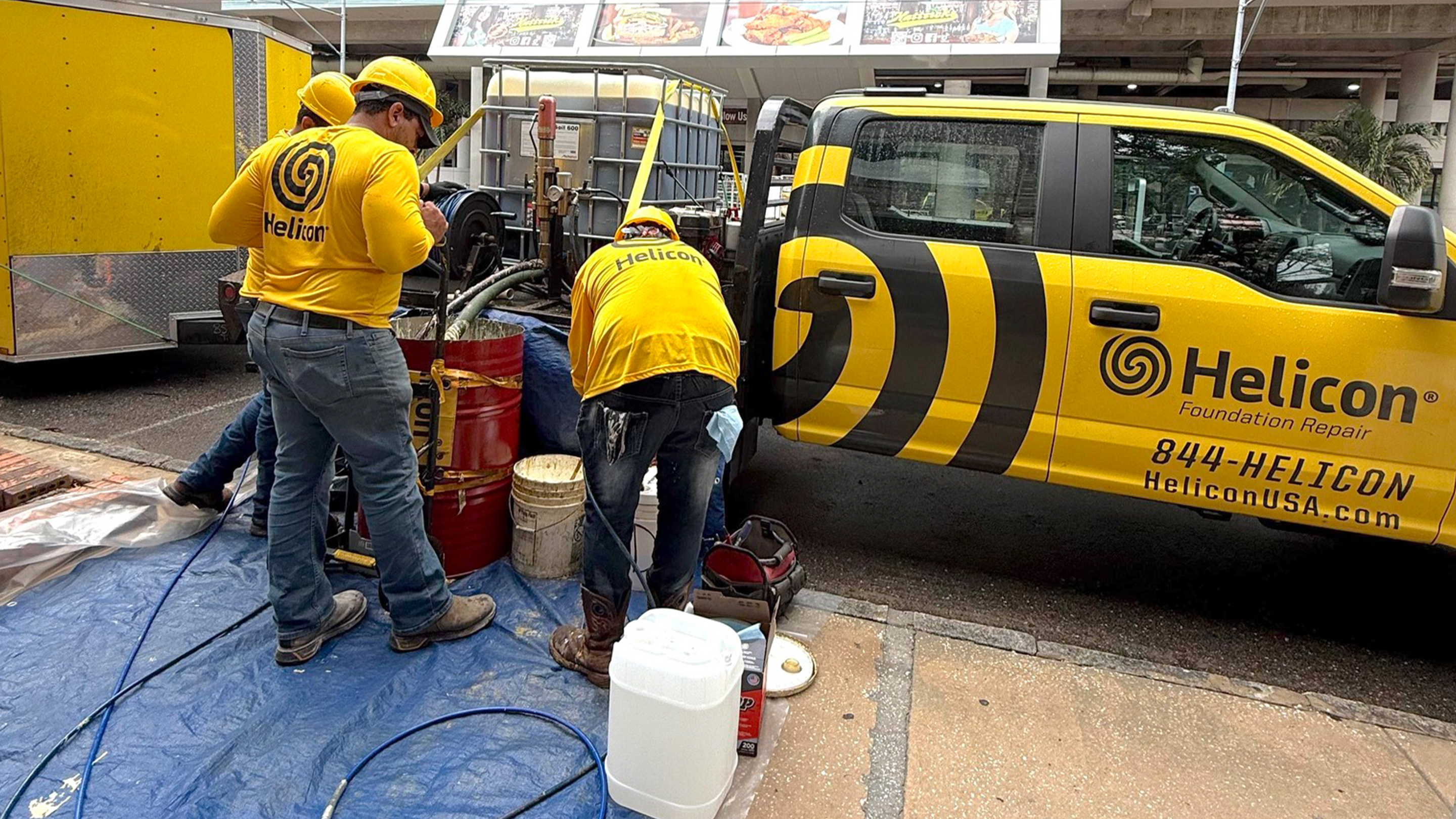
Grouting involves injecting materials like cement or resins into soft or loose soil to harden and fill voids. This strengthens the ground and reduces water flow that may cause erosion. Chemical stabilization uses additives such as lime, fly ash, or specialized polymers.
These changes soil properties to enhance strength and resist moisture damage. Both methods are key when soil contains organic matter or hidden cavities, common issues in Florida. These solutions support weak soils without large-scale excavation.
Reinforcement With Geosynthetics
Geosynthetics include mats, grids, or sheets made from synthetic fibers. Placed within soil layers, they add strength and limit movement. There are different types: geotextiles control erosion, geogrids improve load distribution, and geomembranes provide water barriers.
Using geosynthetics helps stabilize slopes and minimize settlement in soft or expansive soils. They’re cost-effective and less disruptive. For Florida homes near coasts or wetlands, these materials provide a durable layer below foundations, enhancing overall ground stability.
Drainage and Water Management Solutions
Managing water around your home is critical to preventing soil settlement in Florida. Controlling how water moves on and under your property helps keep the soil stable and your foundation secure. Effective drainage means directing surface water away, installing subsurface pipes, and reducing the impact of groundwater near your foundation.
Surface Water Control Measures
Surface water control focuses on keeping rainwater from pooling near your home. Start by grading your yard so the soil slopes away from your foundation. This simple step directs water downhill and prevents it from soaking into the soil right next to your house.
You can also use gutters and downspouts to catch rain from your roof and carry it far from the foundation. Extend downspouts at least 5 feet away from the house to stop water from pooling.
Installing swales or shallow ditches helps guide excess water to drainage areas or storm drains. These measures stop surface water from softening the soil, which can lead to uneven foundation settlement.
Subsurface Drainage Installation
Sometimes surface control just isn’t enough because water collects underground. Installing a French drain system can help manage this. French drains are perforated pipes buried below the surface that collect extra water and move it away from your home.
This underground drainage prevents water buildup under the foundation that weakens soil and causes settling.
The pipe is usually surrounded by gravel for better drainage and wrapped in fabric to keep out soil and debris. Proper installation of these drains is key to long-term foundation stability.
Mitigating Groundwater Impact
Groundwater can damage your home by raising moisture levels around the foundation. High moisture makes clay soils expand and contract, which creates pressure that might lift or crack the foundation.
You need ways to control moisture before it gets to your foundation walls. Waterproof barriers and sealants on exterior foundation surfaces help stop water seepage.
Adding sump pumps can remove excess groundwater in some cases. Routine inspection and maintenance of drainage systems keep groundwater from pooling. Reducing moisture protects your foundation from heave and prolonged settlement.
Construction Practices to Limit Settlement
Preventing soil settlement during construction takes real attention to building quality, close monitoring of the ground, and some smart planning of work sequences. These steps help avoid damage by keeping things stable and lowering risks related to Florida’s unique soil conditions.
Quality Control During Building
If you want to limit settlement, stick to high-quality materials and workmanship. Make sure soil compaction meets engineering standards before pouring foundations. Poor compaction leaves voids that cause sinking or shifting later. Using foundation types designed for Florida’s sandy soils and high water tables is critical.
Choose proper foundation options, like helical piers, which transfer loads to stable layers below weak soils. Construction crews should follow approved plans exactly. Any changes can affect soil stability and cause uneven settlement.
Regular inspections throughout the build help catch issues early and can save a lot of money down the road.
Monitoring Ground Movements
Continuous ground movement monitoring helps catch settlement problems before they get worse. This means measuring soil shifts and foundation changes with instruments like inclinometers and settlement plates.
You or your builder should schedule frequent checks during and after construction, especially during Florida’s rainy seasons when water tables rise. Monitoring makes it easier to act fast if the soil starts compressing or eroding.
Advanced monitoring tech and expert analysis can really give you peace of mind that your foundation stays secure.
Sequencing and Timing of Construction Activities
The order and timing of building tasks affect soil stability. Try to avoid loading uncompacted soils with heavy equipment or materials early in the project. Waiting for proper soil consolidation before adding structural weight reduces the risk of settlement.
Plan excavation, backfill, and foundation installation carefully, allowing time for each layer to be compacted. Interruptions for wet weather might slow things down, but they can help prevent soil loosening.
Scheduling foundation work during drier months, when water levels are lower, improves soil bearing capacity. Adjusting construction timelines based on soil and weather conditions leads to a more stable foundation overall.
Long-Term Maintenance and Monitoring
To keep your Florida property stable, check for soil movement regularly, spot problems early, and maintain the foundation. These steps help prevent expensive damage and keep your home safe for the long haul.
Routine Inspection Guidelines
Inspect your property twice a year, ideally in spring and fall. Look for cracks in walls, uneven floors, or doors and windows that stick. Check the soil around your foundation, too. Watch for erosion, pooling water, or new dips in the ground.
Record what you see with photos and notes. This helps track changes over time and makes it easier to share concerns with professionals. Pay extra attention after storms or heavy rains. Flooding and saturated soil can increase the risk of settling or sinking.
Early Detection of Issues
Wireless settlement sensors can help you catch small foundation shifts before they turn into big problems. These gadgets measure even tiny movements in your soil or foundation. Also, watch for gradual signs like new cracks or gaps, leaning walls, and doors that won’t close properly.
If you notice these issues early, you can address them quickly with professional help. Early repairs prevent more serious damage and save money in the long run. Consistent monitoring keeps your home’s safety a priority and can help with insurance claims if needed.
Maintenance Recommendations
Focus on managing water around your home. Make sure gutters and downspouts send water away from the foundation. Avoid overwatering plants near the foundation. Too much water softens soil and increases settlement risk.
Keep landscaping maintained to prevent soil erosion, but also keep roots from damaging pipes or the foundation. If you have soft or variable soils under your home, talk to a foundation specialist about soil stabilization.
Regular upkeep, along with expert guidance, protects your property and helps your foundation last longer.
Florida Regulations and Industry Standards
You’ve got to follow Florida’s rules to prevent soil settlement during construction. The Florida Building Code sets standards for soil testing, foundation design, and construction methods. These rules help reduce problems from loose or shifting soils that are common in the region.
Florida’s stormwater regulatory program requires Best management practices (BMPs) to minimize erosion and control sediment during and after construction. You need proper erosion and sedimentation controls to meet state and local permits.
Your project might also need a Soil Management Plan (SMP), which explains how you’ll handle soil issues safely. This plan could be part of other documents, like the Remedial Action Plan (RAP).
The Florida Department of Environmental Protection (DEP) offers guidance on creating SMPs. You should consider geotechnical engineering reports early. These reports evaluate soil bearing capacity and risks like liquefaction or settlement.
They guide foundation choices and soil stabilization methods. When choosing a contractor, make sure their services meet these standards and use proven solutions that comply with Florida’s regulations.
Protecting Your Florida Foundation Long-Term
Florida soil settlement prevention comes down to a few core habits: managing water, stabilizing weak soils, and choosing the right foundation design.
When you work with a trusted team like Helicon, you get guidance tailored to Florida’s soils and weather. From soil testing to drainage and stabilization, the focus stays on long-term stability, not quick fixes. That peace of mind is worth protecting.
If you are seeing cracks, sloping floors, or pooling water, now is the time to act. Schedule a professional foundation and soil evaluation, ask about prevention options, and start a maintenance plan. Taking action today helps keep your home safe and secure for years to come.
Frequently Asked Questions
What is soil settlement, and why is it a problem in Florida?
Soil settlement happens when the ground beneath your home sinks or shifts. In Florida, sandy soils and high water tables make foundations more likely to move. Over time, this can lead to cracks, uneven floors, and doors or windows that stick.
What are the most common signs of soil settlement around my home?
Watch for new or widening cracks in walls, ceilings, or floors. You may also notice sloping floors, gaps around windows, or doors that are hard to open or close. Outside, look for sinking walkways, patios, or pool decks.
How can I prevent soil settlement on my property?
Good Florida soil settlement prevention starts with managing water. Keep gutters clear, extend downspouts, and grade soil away from the foundation. Soil compaction, proper drainage, and the right foundation design all help reduce movement.
Do I need a soil test before building or adding onto my home?
A soil test is highly recommended before building or major additions. Testing shows how strong the soil is and how it behaves when wet or dry. This helps engineers choose foundation and stabilization methods that reduce settlement risk.
Can existing soil settlement be fixed, or is it only about prevention?
Many settlement issues can be corrected or improved. Solutions may include lifting settled slabs, stabilizing weak soil, or adding structural support. After repairs, prevention steps like better drainage help stop problems from returning.
How often should I check for soil or foundation problems?
A simple inspection twice a year is a good habit for Florida homeowners. Walk around your home and look for new cracks, signs of sinking, or pooling water. Check again after heavy storms, since heavy rain can quickly change soil conditions.