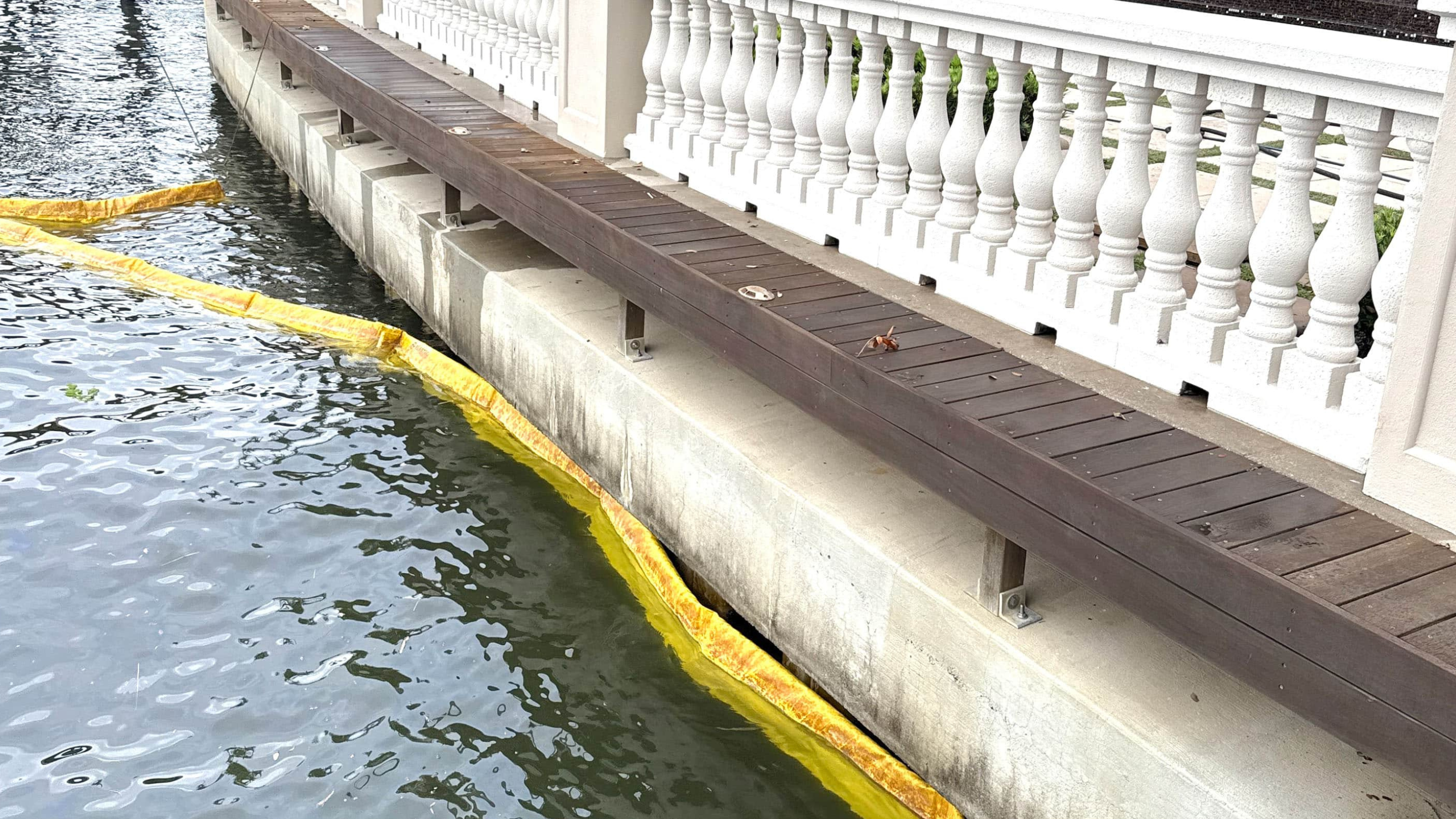
Concrete seawall repair becomes urgent when cracks, erosion, or leaning walls start threatening your shoreline. Left unchecked, these issues allow water and soil to escape, putting docks, patios, and even homes at risk. The longer damage goes unnoticed, the more costly and disruptive repairs can become.
Homeowners across Florida face these challenges as aging seawalls battle constant water pressure and harsh marine conditions. Helicon helps property owners address these problems early, focusing on practical repairs that restore strength and slow further deterioration.
This guide breaks down concrete seawall repair in clear, straightforward terms. You’ll learn how to recognize warning signs, understand repair options, and know when professional help makes sense so you can protect your waterfront property with confidence.
What’s Really Damaging Your Concrete Seawall?
Concrete seawalls face constant stress from water, weather, and time. That leads to all sorts of deterioration and, ultimately, weakens their ability to protect your property.
Knowing what causes the damage, catching the warning signs early, and realizing what happens if you wait too long—these things help you keep your seawall safe and effective.
Common Causes of Concrete Seawall Deterioration
Saltwater exposure is brutal on concrete seawalls. Salt creeps in, attacks the steel reinforcement, and eventually, those bars swell up and crack the concrete from the inside out.
Hydrostatic pressure builds up when water collects behind your seawall and can’t drain. That pressure pushes hard against the wall, causing cracks, bulges, or even total failure if you let it go.
Wave action and tides constantly batter the seawall’s surface. Over time, that pounding wears down the concrete and strips away protective layers.
Freeze-thaw cycles are another headache, especially up north. Water gets into tiny cracks, freezes, expands, and—yep—makes those cracks bigger with every cycle.
Other culprits?
- Soil erosion beneath or behind the wall
- Shoddy construction or subpar materials
- Just plain old age (most seawalls last 30-50 years)
- Ground movement or settling
- Tree roots muscling in too close
Signs and Symptoms of Seawall Failure
Visible cracks are the dead giveaway. Horizontal cracks usually mean pressure issues, while vertical ones might point to foundation settling or shifting.
Spalling shows up when the concrete flakes or chips away. You’ll notice rough, pitted spots and maybe even see some steel peeking through.
Keep an eye out for seawall movement, like tilting, leaning, or bulging. That’s a red flag for bigger structural trouble, and honestly, you can’t afford to ignore it.
Soil erosion behind or under the seawall is another bad sign. Sinkholes, voids, or sagging ground? Water’s getting through where it shouldn’t.
Weeping or water seepage through the wall means water is making its way in. Rust stains running down the wall are a telltale sign that the rebar inside has started to corrode.
Joint separation between panels creates gaps that let water and soil escape. Those gaps can wreck the wall’s strength fast.
Impact of Neglected Seawall Repairs
Let repairs slide, and small problems snowball into major disasters. A tiny crack that costs a couple of hundred dollars to fix can morph into a multi-thousand-dollar rebuild.
Your property becomes a sitting duck for erosion if the seawall fails. Soil loss can undermine your home, dock, or patio—sometimes for good.
Safety risks jump way up. A failing seawall can collapse with little warning, risking injury or property damage. It’s even worse if the wall’s near walkways or play areas.
Property values take a hit when buyers see a crumbling seawall. Nobody wants to inherit that kind of headache.
Insurance might not cover damage if you’ve been slacking on maintenance. Some policies require regular upkeep, and neglect can mess with your claims.
Assessment and Inspection Methods
A proper assessment can save you from a world of hurt later. It’s about spotting visible damage, measuring changes, and figuring out if repair or replacement makes more sense.
Visual Inspection Techniques
Start by walking your seawall and looking for warning signs. Check for cracks—vertical or horizontal— especially if they’re wider than a hairline.
Look for sections leaning toward or away from the water. Rust stains? That’s rebar trouble. White chalky stuff means water’s pushing through and dragging minerals out. Don’t forget to check your yard near the seawall for soft spots or sinkholes. That’s soil sneaking away.
Pay attention to the seawall cap (the top part). Chips, breaks, or separating joints here let water dive deeper into the wall. Take photos and date them so you can track changes.
Professional Evaluation Processes
Certified inspectors bring some nifty tools. They use levels and lasers to see if your wall is leaning and measure any movement from where it started.
They’ll probe behind the wall for voids where soil’s gone missing. Sometimes they use sonar or ground-penetrating radar to peek underground without digging.
Inspectors test the concrete’s strength and check the tie-backs or anchors. They also check drainage systems to see if water pressure is building up behind the wall.
You’ll get a detailed report breaking down the damage and recommended fixes. Sometimes it’s a long read, but it’s worth it.
Determining Repair vs. Replacement
How bad is the damage? That’s what decides whether you patch things up or start over. Small cracks, minor spalling, and localized erosion usually mean you can repair with epoxy, patching, or grouting.
If the wall leans more than a few inches, has widespread structural cracks, or the concrete is falling apart everywhere, it’s probably time to replace it. If the wall’s already failed or sits on sketchy soil, repairs might just be a band-aid.
Think about the wall’s age, too. If it’s nearing the end of its lifespan, pouring money into repairs might not make sense. Your inspector can help you weigh the costs and pick the smarter option.
Popular Concrete Seawall Repair Techniques
Concrete seawalls take a beating from water, shifting soil, and tough marine conditions. The right fix depends on what’s wrong and how bad it is.
Crack Injection and Patching
Epoxy injection is great for structural cracks. You inject high-strength epoxy resin right into the cracks, under pressure, which fills voids and brings the concrete back together.
For surface spalling, you’ll want polymer-modified repair mortar. It’s got fibers for strength and polymers that help it stick, even with all that saltwater around.
Small voids or shallow cracks? Fiber-reinforced cementitious mortar works well. Clean out loose stuff first, then build it up in layers if needed.
Always match your repair materials to the marine environment. Standard concrete just doesn’t cut it; it’ll break down too fast in saltwater.
Soil Stabilization Solutions
Water pressure behind the seawall can force soil through cracks, leaving dangerous voids. Polyurethane injection fills those gaps and keeps soil from washing away. The foam expands as it’s injected, squeezing into every nook and cranny.
Installing a pressure control system lets water drain out before it causes problems. Weep holes or drainage pipes do the trick. If you skip this, hydrostatic pressure can crack your seawall or shove it forward.
Grout injection works when the soil’s already eroded. The grout fills up the empty spots in the soil, not just the wall, giving your seawall something solid to lean on.
Sometimes you need a mix of these methods, depending on how much soil you’ve lost. The main thing is to stop more erosion and fill what’s already missing.
Structural Reinforcement Methods
Seawall caps are notorious for cracking under stress. Repair them with strong epoxy, then cover with a marine-grade concrete patch.
Vertical joints between panels can leak and let soil escape. Plastic braces made from corrosion-resistant stuff reinforce these weak spots. Stainless steel fasteners hold everything together and won’t rust.
Panels that start to separate need some muscle. Carbon fiber straps or steel tie-backs pull them back into place and share the load across several panels.
If your seawall’s bowing or leaning, anchoring systems go through the wall into stable soil. These anchors screw deep into the ground and connect to the seawall with tie rods.
Corrosion Protection Strategies
Steel inside the concrete starts to corrode once saltwater sneaks in. The steel swells, cracks the concrete, and the cycle just keeps going. You’ve got to remove the damaged concrete, treat the steel, and then patch it with a special mortar that fights corrosion.
Cathodic protection systems use electrical current to stop your rebar from rusting. Anodes installed nearby take the hit, so your steel doesn’t have to. This works best if your seawall has a lot of rebar.
Waterproof coatings seal up the concrete and keep saltwater out. They need to breathe, though—otherwise, trapped moisture causes other issues. Only apply coatings after you’ve finished all the structural repairs. Check for corrosion regularly. Rust stains, spalling, and exposed rebar are your early warning signs.
Step-by-Step Concrete Seawall Repair Process
Fixing a concrete seawall isn’t rocket science, but it does take planning and the right approach if you want the repairs to last. Safety, good materials, and careful application matter a lot if you want to restore your seawall’s strength.
Preparation and Site Safety
Before you get started, make the area safe. Set up signs and barriers to keep people out of the work zone.
Check the tide and aim to work during low tide if you can. It’s easier to reach damaged spots, and materials are set better. Don’t forget your gloves, safety glasses, and boots.
Clean off loose concrete, debris, and any plants from the damaged area. A pressure washer does wonders for exposing cracks and prepping the surface.
Walk the whole seawall and mark every crack, void, and weak spot with spray paint. If you stumble on big sinkholes or major structural issues, it’s time to call in an engineer.
Material Selection and Sourcing
Pick high-strength epoxy and concrete repair products made for marine use. These stand up better to saltwater and constant wetness than your average concrete.
For cracks, you’ll need epoxy injection resin that works underwater or on damp surfaces. Sometimes you just can’t get things bone dry.
Essential Materials:
- Marine-grade epoxy resin
- High-strength patching compound
- Hydraulic cement for leaks
- Concrete bonding agent
- Waterproof sealant
Buy more than you think you’ll need. Store everything dry and shaded, and double-check expiration dates.
Application and Finishing Steps
Start with a bonding agent on the clean surfaces. This helps the new stuff stick to the old.
Mix repair materials by the book, but only in small batches; you don’t want them setting up before you’re ready.
Inject epoxy into cracks for structural repairs. Use ports along the crack and pump until it comes out the next one. For spalling, apply patching compound in thin layers, no more than an inch at a time.
Trowel the surface smooth and try to match the texture. Keep the patched areas moist for at least three days; mist them or cover with wet burlap. Curing is huge if you want lasting strength.
Once everything’s cured, slap on a waterproof sealant. That last layer helps lock out water and keeps your repairs going strong.
Maintenance Tips and Long-Term Protection
A little routine care goes a long way. Regular inspections and smart habits can add decades to your concrete seawall’s life. Just don’t wait until you see big problems—catching things early is always easier on your wallet and your nerves.
Routine Seawall Inspections
You should check your seawall at least twice a year, ideally in spring and fall. Look for visible cracks, especially horizontal ones that run along the wall.
These can signal serious structural problems. Pay attention to areas where water meets the concrete.
Check for gaps between panels or signs of soil washing out behind the wall. Walk along the top and feel for any soft spots or movement under your feet; sometimes you’ll notice a spot that just feels off.
Watch for rust stains, which usually mean the internal steel reinforcement is corroding. Keep an eye out for white chalky deposits called efflorescence.
These show up when water seeps through the concrete and brings minerals to the surface. Take photos during each inspection so you can track changes over time.
Note any new cracks or areas where existing damage has grown. It might seem tedious, but your future self will thank you.
Preventative Maintenance Practices
Clean your seawall regularly to remove salt, algae, and debris that can wear down the concrete. Use a pressure washer on a low setting to avoid damaging the surface.
Do this at least once a year, or more often if your area is especially tough on concrete. Seal small cracks as soon as you spot them, using a concrete sealant designed for marine environments.
This stops water from sneaking inside and causing bigger problems. Keep weep holes clear so water can drain properly from behind the wall.
Blocked drainage creates pressure that can crack or push out your seawall. Use a wire brush or small tool to remove any debris.
Check the soil level behind your seawall. If it drops too low, erosion may be happening. Add fill material as needed to maintain proper support. Sometimes it’s just a few shovels of dirt, but it makes a difference.
Enhancing Durability and Lifespan
Apply a waterproof coating every 3-5 years to protect the concrete from moisture and salt damage. Marine-grade sealers create a barrier that keeps harmful elements out.
Install or maintain a proper drainage system behind your seawall. French drains or gravel backfill help water escape instead of building up pressure. Consider adding a cap or coping to the top of your seawall. This protects the exposed edge from weather damage and gives water a place to run off.
Trim back vegetation growing near or on your seawall. Plant roots can work their way into cracks and make them worse.
Keep trees at least 10 feet away to prevent root damage. Address any repairs quickly, even minor ones. Small problems become expensive emergencies when you ignore them. It’s just not worth the risk.
Protecting Your Waterfront Investment
Concrete seawall repair is not just about fixing visible damage. It is about stopping erosion, preventing soil loss, and keeping small problems from turning into major structural failures. Addressing cracks, voids, and drainage issues early helps preserve both safety and property value.
When seawall issues are ignored, repairs become more disruptive and far more expensive. Helicon focuses on practical, proven solutions that stabilize seawalls, restore strength, and reduce the risk of repeat damage in demanding waterfront conditions.
If you have noticed cracks, movement, or erosion near your seawall, now is the right time to act. Schedule a professional inspection or request an estimate to protect your shoreline before minor damage becomes a costly emergency.
Frequently Asked Questions
How do I know if my seawall needs repair?
Common warning signs include cracks, spalling concrete, rust stains, leaning sections, or soil erosion behind the wall. Even small changes can signal larger issues below the surface, so early inspection is important.
Is concrete seawall repair better than replacement?
In many cases, yes. Concrete seawall repair is often effective when damage is caught early and limited to cracks, voids, or minor movement. Replacement is usually only necessary when the wall has severe structural failure or extensive deterioration.
How long do concrete seawall repairs last?
The lifespan of repairs depends on the method used, site conditions, and ongoing maintenance. When paired with proper drainage and regular inspections, quality repairs can extend a seawall’s service life by many years.
Can I repair a concrete seawall myself?
Homeowners can handle minor surface repairs, such as sealing small cracks or clearing blocked weep holes. Structural cracks, leaning walls, or soil loss behind the seawall should be handled by professionals with marine experience.
What causes soil loss behind a seawall?
Soil loss is usually caused by water pressure forcing soil through cracks, joints, or failed drainage systems. Over time, this creates voids that weaken the seawall and increase the risk of collapse.
How often should a concrete seawall be inspected?
Seawalls should be inspected at least twice a year, and after major storms. Regular inspections help catch early damage before it turns into costly repairs.
Does concrete seawall repair require permits?
Permit requirements vary by location. Many waterfront repairs require local or environmental approvals, especially if work impacts waterways. A qualified contractor can help determine what permits are needed.