Bowed basement walls can make any homeowner uneasy. Cracks, inward movement, and sticking windows often point to growing soil pressure. Understanding basement wall anchors installation helps you take action before damage worsens.
At Helicon, we’ve seen how early stabilization protects both structural integrity and home value. Wall anchors offer a practical solution that stops inward movement and can gradually improve wall alignment over time.
In this guide, you’ll learn how basement wall anchors work, when they’re needed, and what installation involves. You’ll also understand how to maintain the system for long-term performance and peace of mind.
What Are Basement Wall Anchors?
Basement wall anchors are foundation repair systems that stabilize and straighten walls that bow or lean inward. They use steel components and soil pressure outside your home to counteract the forces pushing against your basement walls.
How Wall Anchors Work
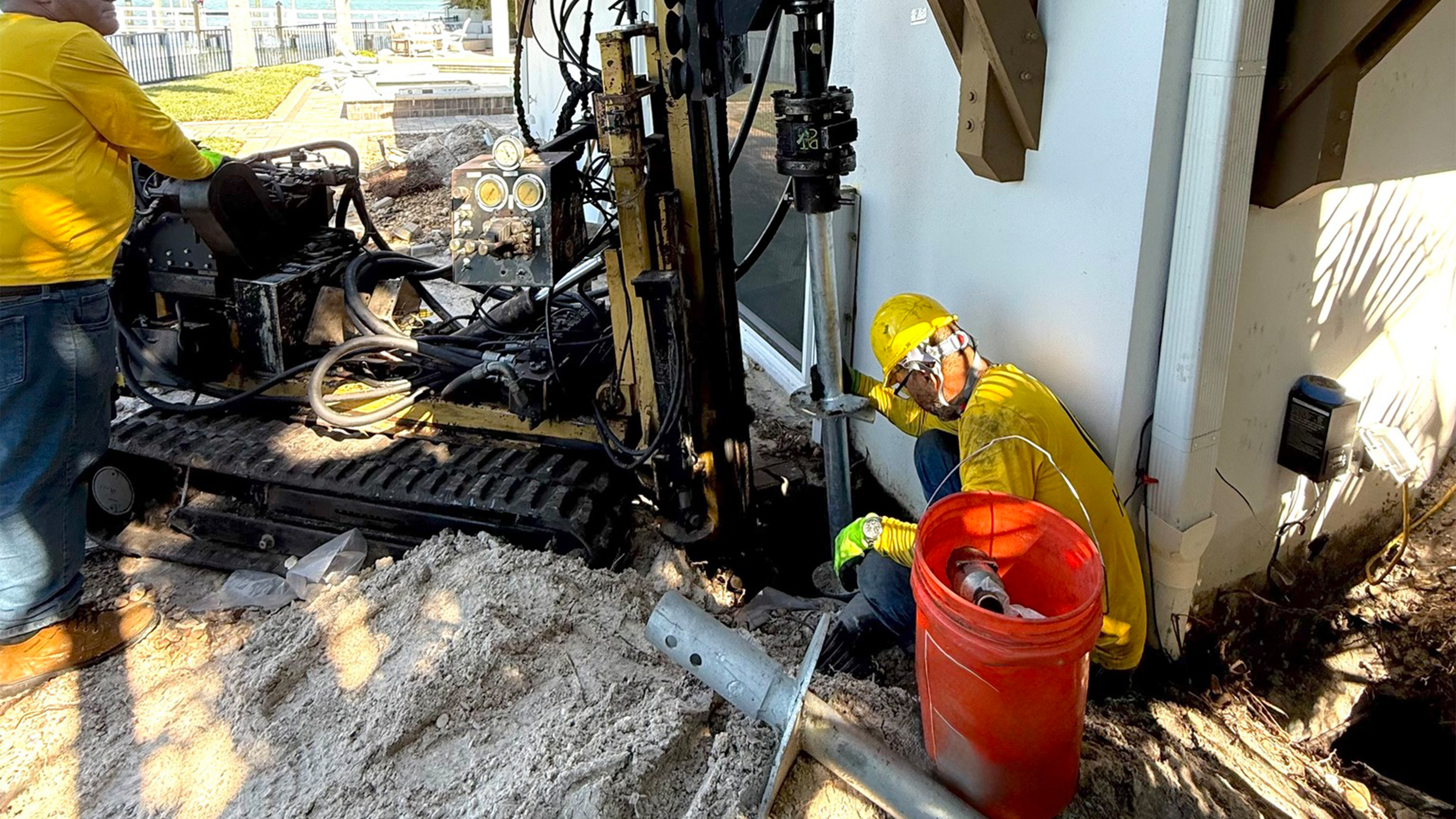
Wall anchors rely on stable soil outside your foundation to pull bowed walls back into place. A contractor drills through your basement wall and into the yard beyond.
They install a steel rod through this hole that connects to two plates: one inside your basement and one buried in the undisturbed soil outside. The exterior anchor plate sits in solid ground several feet away from your foundation.
This plate grips the stable soil that isn’t putting pressure on your wall. The steel rod connects this outer anchor to a wall plate mounted on the inside of your basement.
Your contractor tightens the system by adjusting nuts on the interior wall plate. This pulls the wall outward toward its original position.
The natural expansion and contraction of soil throughout seasons allows for gradual straightening over time. You can periodically tighten the anchors to continue improving your wall’s alignment.
Types of Basement Wall Anchors
Traditional wall anchors use a single steel rod and two plates. The interior plate is typically square and measures about 6 to 12 inches across.
This system works well for most bowing walls and offers the most straightening potential. Channel anchors feature tall steel channels that run nearly floor to ceiling on your interior wall.
These channels distribute pressure across a larger wall area. They work best when you have limited exterior space for excavation or need to stabilize walls with multiple problem areas.
Benefits of Using Wall Anchors
Wall anchors stop your walls from bowing further inward immediately after installation. This prevents additional foundation damage and protects your home’s structural integrity.
The system doesn’t require extensive excavation inside your basement, so you won’t lose usable space. You can straighten your walls gradually over months or years by tightening the anchors.
This approach is gentler on your foundation than aggressive straightening methods. The anchors restore lateral strength to your walls so they can resist soil pressure again.
The installation typically takes one to two days for most homes. You avoid the high cost and disruption of replacing entire foundation walls.
Wall anchors also maintain your home’s value by addressing a serious structural issue that could scare away future buyers.
Signs Your Basement Needs Wall Anchors
Foundation walls under stress show clear warning signs that shouldn’t be ignored. Catching these problems early helps you avoid expensive repairs and protects your home’s structural integrity.
Visible Wall Cracks
Horizontal cracks running along basement walls signal serious foundation trouble. These cracks appear when soil pressure builds up outside your home and pushes against the foundation walls.
You’ll often see them in concrete or block walls at mid-height. Stair-step cracks in the corners of your basement are another red flag. These diagonal patterns follow the mortar joints between blocks and indicate the wall is shifting inward. Even small cracks can grow larger over time as pressure continues to build.
Vertical cracks are usually less concerning but still deserve attention. If they widen at one end or run the full height of the wall, they may point to foundation settlement. Any crack wider than 1/4 inch needs professional evaluation.
Common crack patterns to watch for:
- Horizontal cracks at mid-wall height
- Stair-step patterns in block wall corners
- Vertical cracks that are wider at top or bottom
- Multiple cracks appearing close together
Bowing and Buckling Walls
Walls that curve or lean inward show advanced foundation damage. Even a slight inward bow means soil pressure is overpowering your foundation walls.
You can check for bowing by holding a straight board or level against the wall. The problem gets worse during wet seasons when water-saturated soil expands and pushes harder against your foundation.
Without intervention, bowed walls can eventually fail and collapse. Wall anchors stabilize these walls and may gradually straighten them over time.
Look at your basement walls from different angles to spot bowing. Sometimes the curve is easier to see from the side or when light hits the wall at an angle.
Sticking Windows and Doors
Windows and doors that suddenly won’t open or close properly often indicate foundation movement. As walls shift and bow inward, door frames become misaligned, and window openings change shape.
You might notice gaps appearing around door frames or difficulty turning doorknobs. Basement windows are especially vulnerable to foundation pressure.
If you have to force a window open or it won’t stay closed, check the nearby walls for bowing or cracks. This problem typically appears gradually but can worsen quickly during rainy periods when soil pressure increases.
Preparing for Basement Wall Anchor Installation
Getting your basement ready for wall anchor installation requires the right tools, a careful look at your wall’s condition, and proper safety measures. Taking time to prepare now will help the installation go smoothly and keep you safe during the project.
Tools and Materials Needed
You’ll need specific equipment to install basement wall anchors correctly. A hammer drill with masonry bits is essential for drilling through concrete or block walls.
You’ll also need a shovel or excavation equipment to dig holes in your yard where the exterior anchors will go. The main materials include wall anchor kits, which contain steel rods, wall plates, and earth anchors.
You should have a measuring tape, a level, and marking tools to ensure proper placement. A socket wrench or torque wrench helps tighten the anchors to the correct specifications.
Don’t forget basic supplies like safety glasses, work gloves, and dust masks. You might also want a wheelbarrow for moving soil and a tarp to protect your lawn. If you’re working in a finished basement, drop cloths will protect your floors from dust and debris.
Assessing Wall Conditions
Before starting installation, examine your basement walls carefully to understand the extent of the problem. Look for horizontal cracks, vertical cracks, or walls that bow inward.
Measure how far the wall has moved from its original position using a level and measuring tape. Check for water damage or active moisture issues that need addressing first.
Wall anchors won’t work properly if water continues to push against the foundation. Mark the areas where anchors will go, typically spacing them 5 to 6 feet apart along the affected wall.
Note any obstacles inside or outside that might interfere with installation. Underground utilities, landscaping features, or interior obstructions need to be identified before you start digging.
Safety Precautions
Always call your local utility company before digging to mark underground lines. Hitting a gas or electrical line can cause serious injury or death. Wait for the all-clear before breaking ground. Wear proper protective equipment throughout the entire process.
Safety glasses protect your eyes from concrete dust and debris. Heavy-duty gloves prevent cuts and blisters while handling steel components and digging. Make sure your work area has adequate lighting and ventilation. Concrete dust can irritate your lungs, so use a dust mask or respirator when drilling.
Keep children and pets away from the work site. If you’re uncertain about any step or the wall damage seems severe, contact a professional foundation repair company for an evaluation.
Step-by-Step Guide to Basement Wall Anchor Installation
Installing basement wall anchors requires careful planning and precise execution to stabilize bowed or tilted walls. The process involves marking specific locations, drilling through your wall and soil, installing the anchor system, and checking that everything works correctly.
Marking Anchor Locations
Start by examining your basement wall to identify where it bows or tilts inward the most. You’ll want to mark anchor points every 5-6 feet along the damaged section of the wall.
Use a level and chalk line to ensure your marks are perfectly horizontal. The anchors need to be placed at least 12 inches from the corners and at a height that targets the worst part of the bow.
Most installations work best when you position anchors between 3-5 feet from the floor. If your wall has multiple problem areas, you might need anchors at different heights.
Mark both the interior wall location and calculate where you’ll need to excavate outside. The exterior anchor plate typically sits 8-12 feet away from your foundation wall. Double-check all your measurements before drilling begins.
Drilling and Installing Anchors
Excavate the soil outside your home at each marked location to create holes about 2-3 feet wide and deep enough to reach below the anchor point. Drill through your basement wall using a specialized long drill bit that can penetrate concrete or block.
Thread a steel rod through each drilled hole from the inside out. The rod connects your interior wall plate to the exterior earth anchor. Attach the earth anchor to the rod’s exterior end and position it in the excavated hole. Make sure the earth anchor sits flat and stable in undisturbed soil.
The interior wall plate gets mounted flush against your basement wall over the rod end. Secure everything with washers and nuts, but don’t fully tighten yet.
Tightening and Securing the System
Hand-tighten the nuts on your interior wall plates first to ensure all components align properly. Use a torque wrench to gradually tighten each anchor point. Work in stages rather than fully tightening one anchor at a time. Tighten the nuts in small increments, moving from anchor to anchor systematically.
This prevents over-stressing any single point on your wall. Apply equal pressure across all anchors to distribute the force evenly.
The goal is to stabilize the wall immediately and potentially straighten it over time as soil conditions change. Don’t try to pull the wall completely straight in one session. Monitor the wall for any cracking or new damage as you tighten.
Post-Installation Checks
Backfill the excavated holes outside with the removed soil, tamping it down in layers to prevent settling. Grade the soil so water drains away from your foundation.
Check that all interior nuts are secure and the wall plates sit flat against your wall. Measure the distance from a fixed point to your wall at each anchor location and record these numbers.
You’ll use these measurements to track whether your wall moves over time. Look for any new cracks in the concrete or mortar joints. Plan to inspect your anchors every few months for the first year. You can gradually tighten the system during dry periods when the soil naturally contracts. This helps straighten bowed walls without forcing them.
Maintenance and Long-Term Care
Wall anchors work best when you check them regularly and make adjustments as needed. Proper drainage and timely professional evaluations keep your system functioning correctly for years.
Regular Inspections
You should inspect your wall anchors every six months to catch problems early. Look at the anchor plates on your basement walls to check if they remain flush and secure.
Any gaps, rust, or loose bolts need immediate attention. Check the soil around the exterior anchor points during your inspection.
The ground should stay stable without significant settling or erosion. If you notice depressions in your yard near the anchors, water may be washing away soil and weakening the system.
Pay attention to your basement’s moisture levels. Clean your gutters and downspouts regularly to direct water away from your foundation.
Excess water saturates the soil and increases pressure on your walls, which puts stress on the anchor system. Look for new cracks in your basement walls or changes in existing ones. Take photos during each inspection so you can compare them over time and spot gradual changes.
Adjusting Anchors Over Time
Many wall anchor systems include adjustment bolts that let you tighten them gradually. You can tighten these bolts during dry seasons when the soil contracts and wall pressure decreases.
This process slowly pulls your wall back toward its original position. Tighten the bolts only a quarter turn at a time.
Making large adjustments too quickly can crack your walls or damage the anchor system. Wait several months between adjustments to let the wall settle. You’ll get the best results by adjusting anchors during summer and fall when soil moisture is lowest. Never force the bolts if they feel stuck or difficult to turn.
When to Seek Professional Help
Contact a foundation specialist if you see the anchor plates pulling away from the wall. New horizontal cracks forming? That’s another red flag—anchors might not be handling the pressure.
Call a professional right away if you spot large cracks appearing overnight. Doors and windows that suddenly won’t close properly should make you pause and get help.
If you see water pooling near exterior anchor points, don’t ignore it. When anchor rods look rusty or corroded, it’s time to call someone in.
Honestly, even if everything looks okay, schedule a professional evaluation every 3-5 years. Experts have specialized tools to spot wall movement you just can’t see.
Protect Your Home From Further Wall Movement
Bowed or cracked basement walls rarely fix themselves. Basement wall anchors installation offers a reliable way to stop inward movement and reduce ongoing structural stress. Acting early helps limit additional damage and costly repairs.
Helicon provides experienced evaluation and customized stabilization plans designed for long-term performance. The right solution can restore confidence in your home’s safety and structural integrity.
If you’ve noticed cracks, bowing, or sticking doors and windows, don’t wait. Schedule a professional inspection and get clear answers about the next best step for your home.
Frequently Asked Questions
How Long Does Basement Wall Anchors Installation Take?
Most basement wall anchor installation projects take one to two days. The timeline depends on wall length, soil conditions, and the number of anchors needed. Larger or more severely bowed walls may require additional time.
Can Wall Anchors Completely Straighten My Basement Wall?
Wall anchors are designed to stabilize walls immediately and may gradually improve alignment over time. Full straightening depends on how far the wall has moved and how long the issue has existed. Gradual adjustments during dry seasons often provide the best results.
Are Basement Wall Anchors Installed From Inside Or Outside?
Installation involves both areas. Contractors drill through the basement wall from the inside and place an anchor plate in stable soil outside. Small exterior excavation is required, but interior disruption is minimal.
Will Basement Wall Anchors Damage My Yard Or Landscaping?
Some digging is required to place the exterior anchors. However, excavation areas are typically limited and backfilled after installation. Most yards can be restored with minor grading and landscaping touch-ups.
How Many Wall Anchors Will My Basement Need?
The number depends on the wall length and the severity of movement. Anchors are usually spaced about five to six feet apart along the affected wall. A professional evaluation determines proper placement for effective stabilization.
Do Basement Wall Anchors Require Maintenance?
Wall anchors should be inspected periodically to ensure bolts remain secure. Some systems allow gradual tightening over time as soil conditions change. Routine checks help maintain long-term performance and stability.