Water building up behind your seawall can quietly create serious pressure problems. Without proper seawall weep hole installation, trapped water pushes against the wall and leads to cracks, bowing, and soil loss.
Many waterfront property owners do not realize drainage is the real issue until visible damage appears. At Helicon, we often see that missing or clogged weep holes are the root cause of preventable seawall repairs.
This guide explains how seawall weep hole installation works, why it matters, and how to plan it correctly. You will learn practical steps to protect your wall and reduce long-term repair costs.
What Are Weep Holes?
Weep holes are just small holes, usually 1 to 2 inches wide, drilled straight through the seawall. You’ll find them every 5 to 10 feet along the wall, depending on your soil and how much water collects.
Think of weep holes as pressure relief valves. Water builds up behind the wall from rain, tides, or groundwater, and it needs somewhere to go. The holes let water seep out gradually, so the water level doesn’t rise and push too hard against the wall.
Importance of Drainage for Seawalls
Good drainage protects your seawall from hydrostatic pressure, the force water puts on the back of your wall. When water piles up behind the wall, it starts pushing, and that pressure gets worse over time. You might see the wall bowing out or even cracking.
Weep holes let water escape before that pressure becomes dangerous. They’re constantly working to drain water and keep your wall safe. Even the strongest seawall can fail if water can’t drain out. The pressure just gets to be too much. Letting water escape through weep holes keeps things stable.
Common Problems Without Weep Holes
If pressure builds up and water can’t escape, your seawall will start to crack. Trapped water finds weak spots and eventually breaks through. Bowing happens when the wall gets pushed outward by water pressure. If your wall starts to curve, that’s a big red flag.
Complete failure is, well, the wall collapsing. That’s the worst-case scenario, and it’s both expensive and risky for your property.
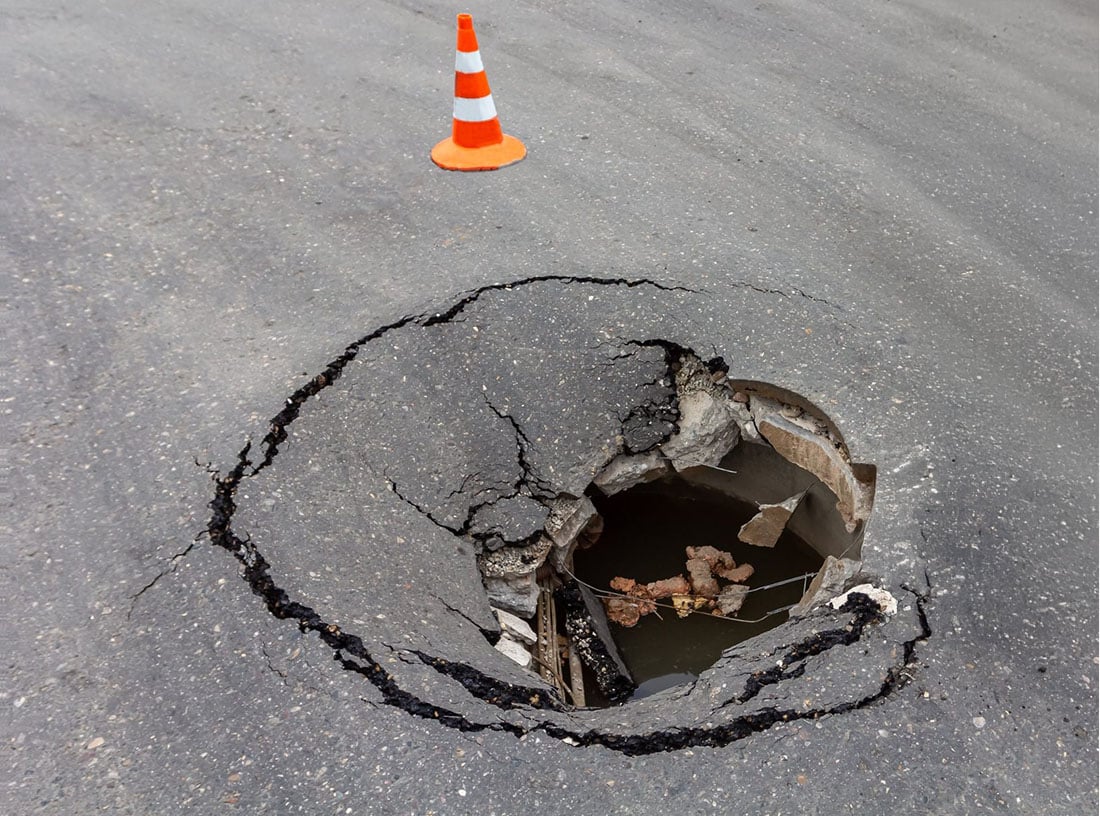
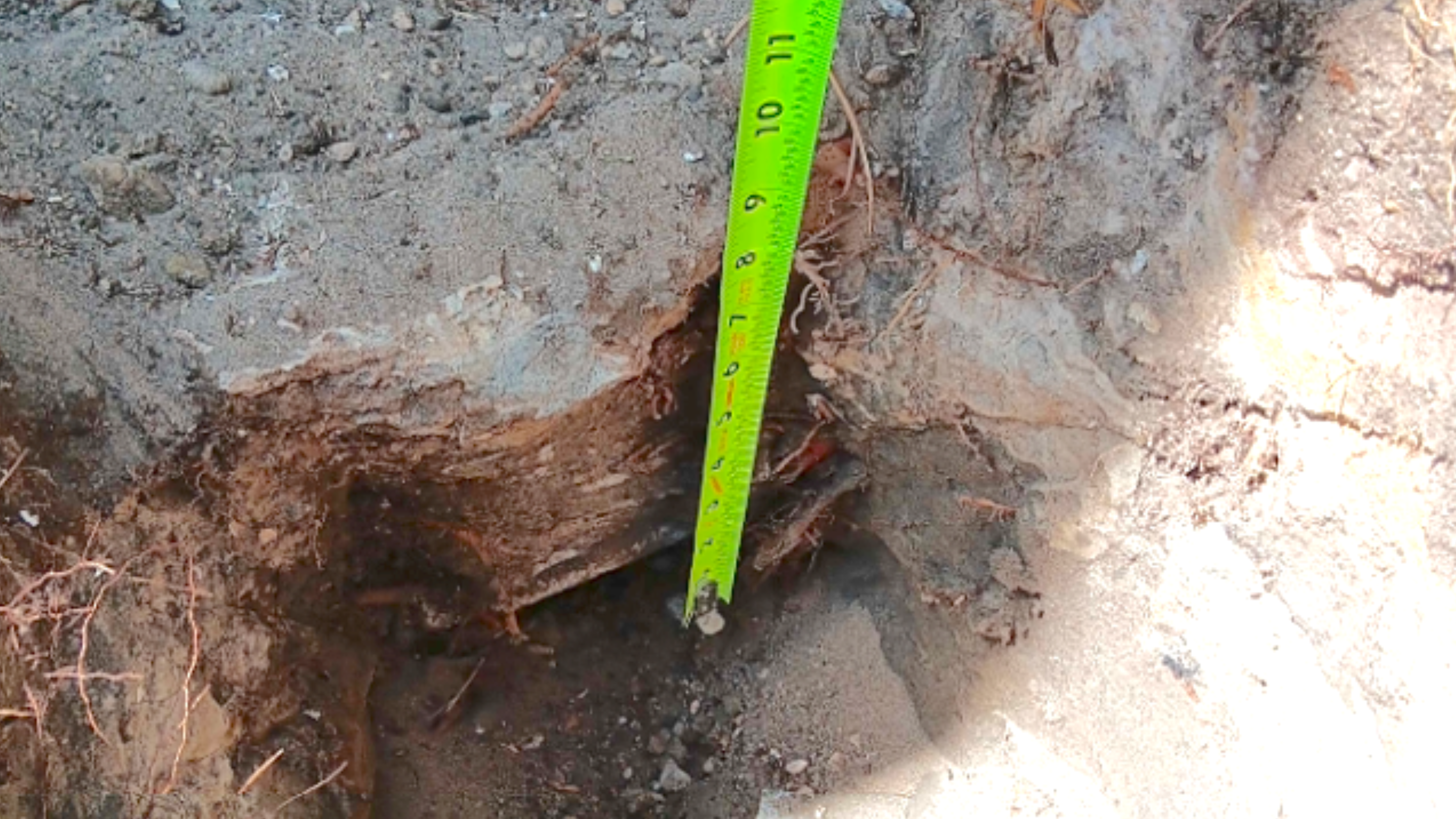
Soil erosion gets worse without weep holes. Water will find another way out, washing away soil and creating voids and sinkholes. Your seawall just won’t last as long without good drainage. Something that should last for decades might only last a few years.
Planning Your Seawall Weep Hole Installation
A little planning goes a long way with weep hole installs. You’ll want to check your site, decide where the holes go, and grab the right tools before starting.
Assessing Site Conditions
Start by checking the soil behind your seawall. Sandy soil drains fast, while clay holds water, which means you might need more weep holes. Find out where your water table sits. High water tables mean more pressure and more need for drainage. You can dig a test hole a few feet back to see how quickly it fills.
Look at your seawall for any damage. Cracks or bulging show where pressure is highest, and those spots need weep holes first. Check what kind of wall you have: old concrete, newer vinyl, or steel. The material changes how you drill and install the holes.
Determining Number and Placement of Weep Holes
Most seawalls need weep holes every 5 to 10 feet. Closer spacing is better if you have heavy water pressure or poor drainage. Place the holes about 6 to 12 inches above the usual water line. This height lets them drain water from behind the wall but keeps water from flowing back in during high tide.
Add extra holes where you see bulges or water stains. Low spots where water collects need more drainage, too. Stay away from corners or joints; those areas are weaker. Keep the holes spaced evenly for balanced pressure relief.
Tools and Materials Needed
You’ll need a heavy-duty drill with masonry bits to match your weep hole drains. Most holes are 2 to 4 inches across.
Grab these tools:
- Hammer drill or rotary hammer
- Masonry bits
- Safety glasses and gloves
- Tape measure and marker
- Level
And these materials:
- Weep hole filter systems or drains
- Geotextile fabric (maybe)
- Sealant or grout (to secure drains)
Go for stainless steel weep hole filters if you want them to last. These keep soil in place but let water out. PVC pipes work too, but they clog faster and don’t filter as well.
Step-by-Step Guide to Installing Weep Holes
Installing weep holes takes some care, but it’s not rocket science. Each step matters to make sure your seawall stays protected.
Preparing the Seawall Surface
Before drilling, walk the wall and mark where the holes will go. Look for cracks, damage, or spots where water collects. Clean the area where you’ll drill. Use a pressure washer or stiff brush to get rid of dirt, algae, or debris. You want a clear view and to avoid drilling into damaged spots.
Mark each hole location with chalk or a marker. Space them 5 to 10 feet apart horizontally. If your wall has more than one level, add holes every 4 feet vertically. Double-check that your marks don’t line up with rebar or other structural stuff inside the wall. A rebar detector helps if your wall has steel inside.
Drilling and Positioning Weep Holes
Use a hammer drill with a masonry bit, 1 to 2 inches wide. The size depends on your filter or cover.
Drill at a slight downward angle, about 5 to 10 degrees below horizontal. This helps water flow out instead of pooling in the hole. Keep the drill steady and apply even pressure as you go through the concrete or block.
Go all the way through until you break out the other side. You’ll feel it when resistance drops. Pull the drill out slowly and clear away any dust or debris. As a rule of thumb, plan for one weep hole per 20 square feet of wall. Adjust if your local conditions mean more pressure behind the wall.
Installing Weep Hole Covers or Filters
Push a filter fabric or a manufactured weep hole filter into each hole from the back side if you can get there. Filters let water through but keep soil from washing out. Jam the filter a few inches into the hole so it stays put. Some systems come preassembled and take about 15 minutes to install.
Add a cover or grate on the front. This keeps out debris, critters, and plants while letting water escape. Pick maintainable systems if you can. It’s a lot easier to clean filters every year than to rip everything out to fix a clog.
Sealing and Finishing Touches
Put a bead of marine-grade sealant around the edges of covers or filters. This keeps everything secure during storms or high water. Don’t seal the drainage opening itself, the whole point is to let water move through.
Test your work by pouring water behind the wall if you can reach it. Water should flow out of the holes in a few minutes. If it’s slow, check for blockages or adjust the angle.
Set a reminder to check the weep holes every few months. Clean out dirt, shells, or plant growth that could block them. Regular maintenance keeps your investment working the way it should.
Best Practices for Maintenance and Longevity
Your weep holes need regular checks and cleaning. You’ll also want to watch for soil erosion around the drainage points.
Routine Inspection Tips
Check your weep holes every three to six months. Look for blockages, water stains, or wet spots on the wall, which mean water isn’t draining properly. During inspections, look for cracks near the holes. Small cracks can grow and mess with the wall’s strength.
After heavy rain, see if water drains from the holes. If nothing comes out, the holes might be clogged. Watch for soil or sand washing out with the water; this means erosion behind the wall.
Check for rust stains around metal components. Rust weakens the system. Take photos during each inspection so you can spot changes over time.
Cleaning and Unclogging Weep Holes
Clear out your weep holes at least twice a year. Use a plumber’s snake or stiff wire to poke through the opening and break up blockages without damaging the filter. Flush the holes with a garden hose to wash out loose dirt or plant matter.
Pull out any visible plants growing in or around the holes. Roots can block the drainage system and cause real headaches. If you used filters, check them for buildup or damage.
Replace any filters that are too clogged or broken. Some can be cleaned and reused, but others need swapping out when they stop working.
Preventing Erosion Around Weep Holes
Install proper filters to stop soil from washing out while letting water drain. Filters catch soil but let water pressure out safely. Put a layer of gravel or crushed stone behind the seawall to help drainage. The stone keeps soil in place and helps water reach the holes. Just make sure it’s big enough not to wash through.
Grade the land behind your seawall so water heads toward the weep holes instead of pooling. Standing water just adds more pressure. Don’t plant anything with aggressive roots near the seawall. Roots can mess with the soil and your drainage. Go for shallow-rooted ground cover if you want plants nearby.
Troubleshooting Common Issues
Even with a good installation, weep holes can run into problems, blockages, damage, or drainage issues. Spotting these early makes a big difference.
Identifying Signs of Blockage
Blocked weep holes are a pretty common headache. You’ll notice water pooling behind the seawall or wet spots on the ground near the wall. Check each hole regularly to see if water drains during wet weather. If not, something is blocking the way. Look for leaves, dirt, or barnacles stuck in the opening.
Bulging or cracking in the seawall is another warning sign. When weep holes get blocked, pressure builds up and pushes against the wall. Sinkholes or soft spots in the soil near your seawall can pop up if water can’t drain and starts washing away soil elsewhere.
Fixing Leaks and Cracks Near Weep Holes
Small cracks around weep holes don’t always mean disaster. Clean the area with a wire brush to see how bad it is. For little cracks, use marine-grade sealant or hydraulic cement. Make sure things are dry before applying anything. Don’t seal the weep hole itself; it needs to stay open.
If water leaks from places other than the weep holes, check your drainage pipes. Damaged pipes behind the wall can cause surprise leaks.
You might need more weep holes or pipe sleeves to fix problem spots. Big cracks or lots of leaks usually mean you need a pro. Sometimes it’s just too much for DIY fixes.
When to Call a Professional
Some weep hole problems just aren’t safe or manageable on your own. If your seawall’s bulging outward or leaning to one side, it’s time to pick up the phone and call a pro. Major structural cracks wider than a quarter inch need an expert’s eye. Those cracks can get worse fast and might lead to total wall failure if you ignore them.
If you’ve tried clearing blocked weep holes but water still won’t drain, you probably need more than a quick fix. Sometimes, the whole drainage system needs a redesign or extra weep holes.
Not sure how bad the problem is? It’s better to let a seawall expert take a look. They notice stuff most of us would miss and can recommend repairs that actually work.
Protect Your Seawall With Proper Drainage
Poor drainage is one of the most common reasons seawalls crack, bow, or fail early. Proper seawall weep hole installation helps relieve pressure, control erosion, and extend the life of your wall.
If you are noticing pooling water, widening cracks, or soil washing out, it may be time for a closer look. Helicon provides clear evaluations and practical solutions tailored to your property and water conditions.
Do not wait for small drainage issues to turn into major repairs. Schedule a professional inspection and get a clear plan for your seawall weep hole installation today.
Frequently Asked Questions
What Is Seawall Weep Hole Installation?
Seawall weep hole installation is the process of drilling small drainage openings through a seawall to relieve trapped water pressure. These openings allow groundwater and rainwater to escape from behind the wall.
By reducing hydrostatic pressure, weep holes help prevent cracking, bowing, and long-term structural damage.
How Do I Know If My Seawall Needs Weep Holes?
Signs often include pooling water behind the wall, soil washing out, or visible cracking and bowing. You may also notice damp areas that do not dry out after rain. If water has no clear drainage path, seawall weep hole installation may be necessary to relieve pressure safely.
How Far Apart Should Weep Holes Be Installed?
Most seawalls require weep holes spaced about 5 to 10 feet apart. The exact spacing depends on soil type, water table height, and overall wall length. Walls in areas with heavy rainfall or poor drainage may need closer spacing for effective pressure relief.
At what height should weep holes be placed?
Weep holes are typically installed 6 to 12 inches above the average waterline. This allows water to drain while preventing backflow during high tides. Proper placement is critical for effective seawall weep hole installation and long-term performance.
Do Weep Holes Weaken My Seawall?
When installed correctly, weep holes do not weaken the wall. In fact, they improve structural stability by reducing water pressure behind it. Using filters and proper spacing ensures the wall remains supported while allowing safe drainage.
How Much Does Seawall Weep Hole Installation Cost?
Costs vary depending on wall material, length, and accessibility. Many contractors charge per hole, with pricing influenced by drilling difficulty and filter type. A site inspection provides the most accurate estimate based on your specific seawall conditions.
How Often Should Weep Holes Be Maintained?
Weep holes should be inspected every three to six months and after major storms. Regular cleaning prevents clogs from debris, plant growth, or marine buildup. Routine maintenance helps ensure your seawall weep hole installation continues working as intended.