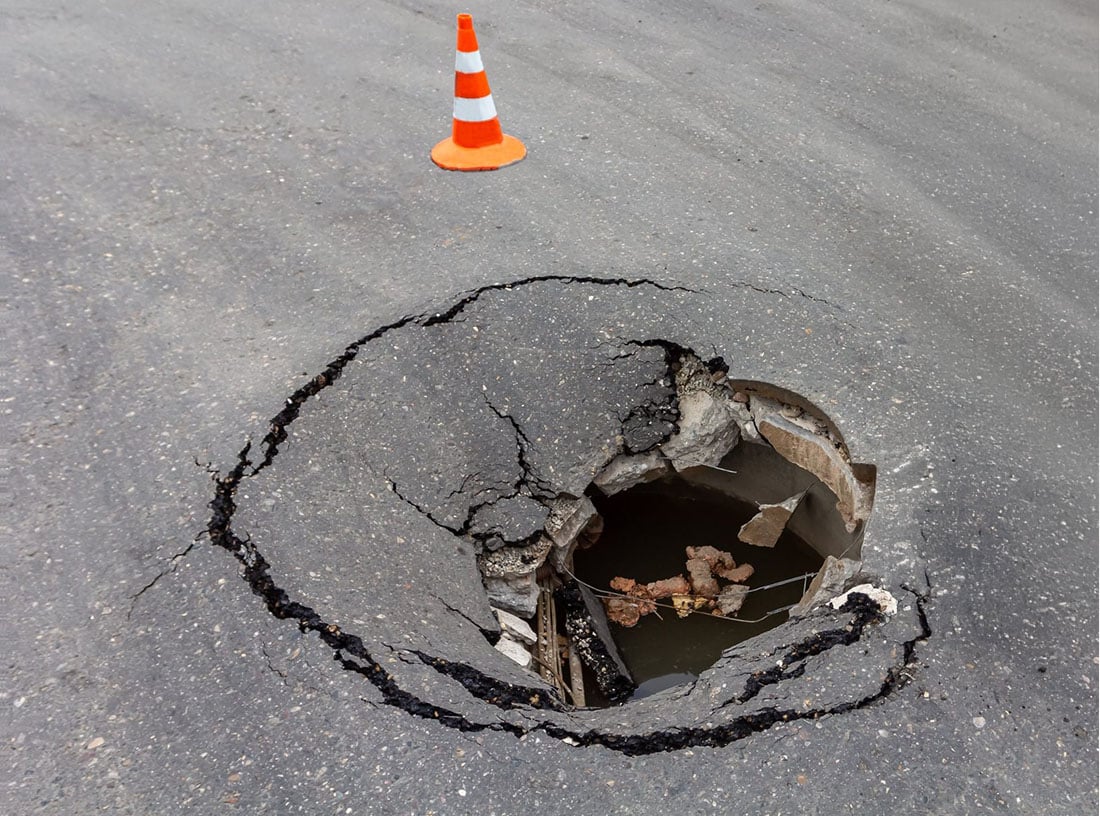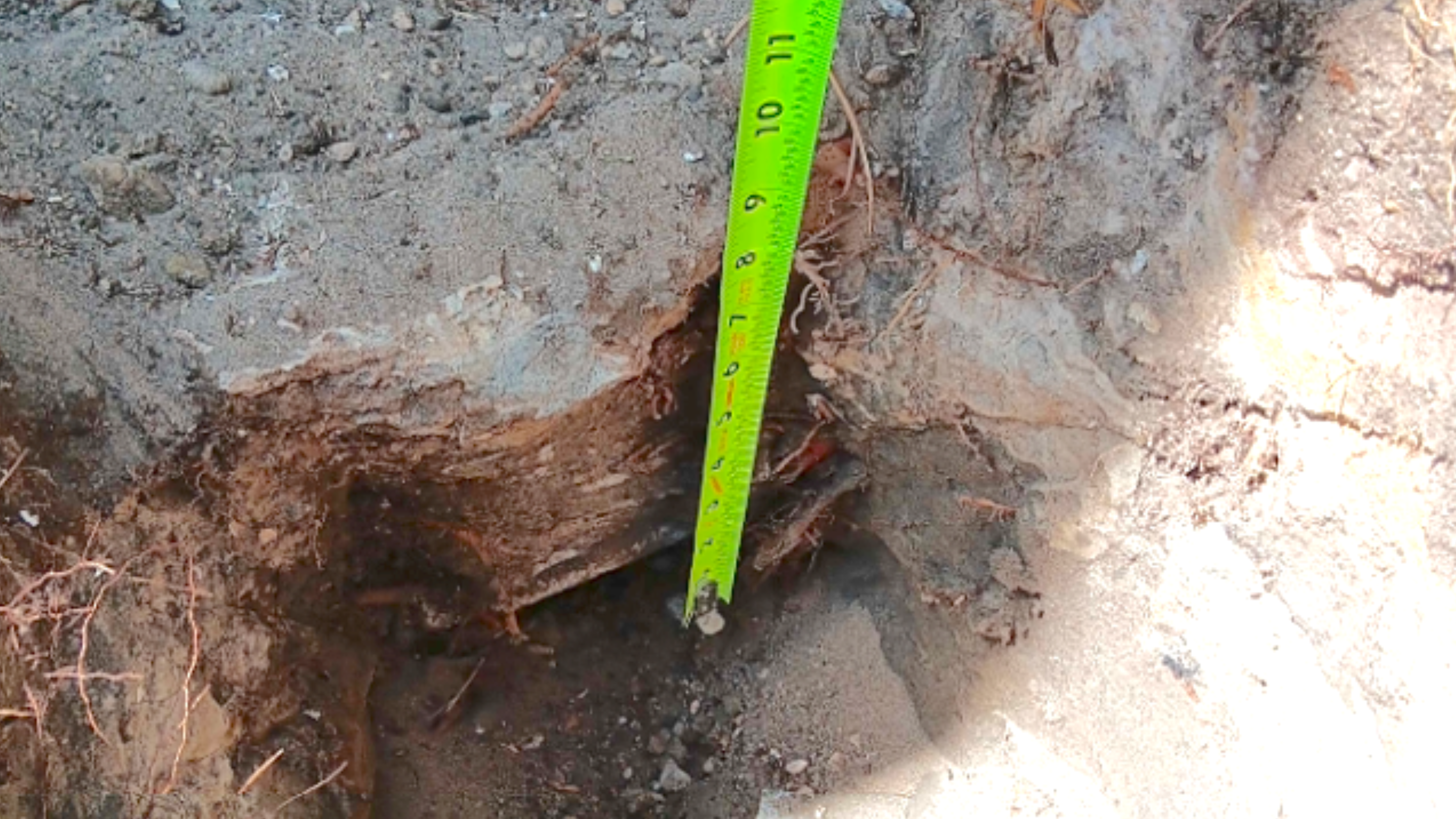
Seawall damage can catch homeowners off guard, especially when repair bills start adding up fast. Knowing the cost per foot of seawall repair ahead of time helps you avoid surprises and make informed decisions before small issues turn into major problems.
For many coastal property owners, uncertainty is the biggest frustration. You may see cracks, erosion, or leaning panels and wonder what it will cost to fix them and whether repairs fit your budget. Helicon works with homeowners facing these exact concerns, helping clarify options before costs spiral out of control.
This guide breaks down what really drives seawall repair cost per foot in 2026. You’ll learn average price ranges, factors that affect pricing, and practical ways to plan repairs with confidence.
Seawall Repair Cost Per Foot: What Drives the Price?
Seawall repair pricing depends on the extent of the damage and the work you actually need. Most jobs fall in the $100–$250 per linear foot range, but some can get pricier.
Average Price Range
For most repairs, expect to pay $100 to $250 per linear foot. Quick fixes for small cracks or surface scuffs usually stay at the lower end. But if your wall has serious structural problems—think big cracks, shifting, or foundation damage—costs can climb to $250 per foot or more. Sometimes, if things are really bad, you might see prices hit $600 per foot.
A typical residential job lands somewhere between $15,000 and $60,000. It all comes down to how much wall needs repair and what kind of fixes are necessary.
Factors Affecting Price Per Foot
The type of damage is the biggest driver for your repair costs. Surface cracks are way cheaper to fix than major structural failures. Your choice of material matters. Concrete, vinyl, steel, and wood all need different repair methods and supplies. Concrete, for example, often calls for specialized tools.
Labor costs swing based on how complicated the job gets. If crews need diving gear or heavy machinery, you’ll pay more than for a simple surface patch. And if your seawall is tough to reach, expect the price to go up since it takes more time and sweat.
The repair method also shapes your total cost. Some fixes use epoxy injections; others might mean swapping out entire panels. A good contractor will tell you what’s best for your wall’s condition.
Regional Cost Variations
Coastal spots with rough weather usually see higher repair bills. If your property sits in a high-erosion zone, repairs can get complicated (and expensive). Local labor rates count too. Urban coastal areas almost always charge more than rural spots. Plus, if there aren’t many skilled seawall contractors nearby, prices tend to creep up.
Permit fees and environmental regulations can vary widely. Some places want special approvals for waterfront work, so factor that in. Your local codes and coastal protection laws will decide which permits you need.
Types of Seawall Repairs and Their Costs
Each repair type has its own price range, depending on how much work is involved. Small cracks cost a lot less than full-on structural replacements. Soil issues? Those need their own set of solutions.
Crack and Joint Repair Pricing
Crack and joint repairs are super common for seawall maintenance. These typically cost $100 to $250 per linear foot, depending on how bad things look. Tiny hairline cracks might just need some sealant, barely nudging the lower end of the range.
Wider cracks or busted joints require extra steps—grinding, cleaning, and using marine-grade sealants or epoxy fillers.
Some usual crack repair methods:
- Epoxy injection for structural cracks
- Polyurethane foam for leaks
- Joint sealant swaps for expansion joints
- Surface patching for minor stuff
If cracks go all the way through the wall, you’ll pay more. Deep structural cracks might signal bigger foundation issues that need fixing before you even think about sealing.
Bulkhead Replacement Cost
Full bulkhead replacement is the priciest seawall fix. Expect $150 to $600 per linear foot for a total replacement. Material choice plays a huge role. Vinyl sits at the low end, while concrete and steel can really hike up the price. Replacement involves tearing out the old wall, prepping the site, and putting in all-new materials.
| Material Type | Cost Per Linear Foot |
| Vinyl | $150-$300 |
| Steel | $200-$400 |
| Concrete | $300-$600 |
| Wood | $150-$250 |
Labor is a big chunk of that cost—heavy equipment isn’t cheap. Permits and inspections tack on another $500 to $2,000.
Soil Stabilization Expenses
Soil erosion behind your seawall can leave dangerous voids. Stabilizing that soil usually runs $100 to $200 per linear foot. Polyurethane foam injection is the go-to method. Contractors drill small holes and pump in expanding foam to fill the gaps and keep water out.
Sometimes, you need more than foam. Helical anchors or tiebacks cost $300 to $600 per foot but offer stronger, longer-lasting support for really compromised walls. The final price depends on how much soil has vanished.
Bigger voids need more material and time. Contractors often use ground-penetrating radar or just poke around to figure out the extent before quoting you.
Materials Impacting Seawall Repair Costs
Your repair material choice affects both the price and the lifespan of your fix. Concrete, vinyl, steel, composite, and timber all come with their own pros, cons, and price tags.
Concrete Repair Costs
Concrete is a popular pick for seawall repairs. You’ll usually pay $150 to $400 per linear foot for concrete work. The price shifts based on the thickness and whether you need steel rebar. Concrete holds up well in rough water since it’s pretty tough.
Fixing an existing concrete wall often costs less than building new sections. Small cracks or surface issues might only set you back $100 to $200 per foot. But if you’re dealing with big structural damage or full replacement, you could hit $400 to $800 per foot.
Vinyl and Steel Pricing Differences
Vinyl seawalls cost $150 to $300 per foot for repairs or replacement. Vinyl resists rust and saltwater better than metal. Steel seawalls are pricier, usually $200 to $450 per foot. Steel’s strong, but it needs regular upkeep to avoid rust. If your steel wall needs special coatings, expect the price to jump.
Vinyl repairs tend to be quicker and simpler. Steel work often means welding and special tools, which adds to labor costs.
Composite and Timber Options
Composite blends plastic and wood fibers. It runs $200 to $400 per foot and stands up to rot better than plain wood. Timber seawalls are usually the cheapest—$100 to $250 per foot.
Wood works for calm water and smaller homes, but you’ll probably replace it more often since it rots out. Treated timber lasts longer, but costs $50 to $100 more per foot. Composite needs almost no maintenance, so while it’s pricier up front, you’ll save on repairs later.
Additional Expenses in Seawall Repairs
Besides the per-foot repair price, don’t forget about permits ($500–$2,000), extra charges for tricky access, and erosion control systems to protect your investment.
Permit and Inspection Fees
You’ll need permits from local or state agencies before starting most seawall repairs. These usually cost $500 to $2,000, depending on where you live and how big the job is. Coastal areas have strict rules for waterfront work. Contractors need to submit plans and get environmental approvals. Some places want multiple permits if your project affects protected areas or water quality.
Inspection fees tack on another $200 to $500. Inspectors check your property at different stages to make sure everything’s up to code. You might need a pre-work inspection, one during the job, and a final sign-off. Skipping inspections could mean fines or having to redo work.
Accessibility Challenges
Getting equipment and materials to your seawall can really drive up costs. If access is tight, expect to pay $2,000 to $5,000 extra for specialized gear. Sometimes, contractors have to use smaller machines or haul stuff in by barge if trucks can’t get close. Steep slopes, narrow paths, or protected plants just make things trickier. Every extra hour of labor adds up.
Some seawalls need marine access, so crews work from boats or barges. That’s more expensive than land-based repairs—equipment rental and slower progress both cost more. If you’re on a tight tidal schedule, prices rise even further.
Erosion Control Measures
Adding erosion control during repairs can tack on $1,500 to $8,000. These systems keep the soil behind your seawall in place and help prevent future headaches. Some common erosion control choices:
- Riprap (big rocks): $50 to $100 per ton
- Geotextile fabric: $1 to $3 per square foot
- Drainage systems: $2,000 to $4,000
Good drainage stops water pressure from building up behind your wall. Without it, hydrostatic pressure can crack or even push the wall out. Contractors often recommend adding weep holes or French drains during repairs. It costs more up front, but it’s usually worth it in the long run.
Tips for Budgeting and Saving on Seawall Repair
Getting multiple quotes is a smart way to save on seawall repairs. Reach out to at least three contractors and compare their prices and what they offer. Think about timing your repairs. Some contractors drop their rates during the off-season—usually fall or winter in most coastal regions. Scheduling work in these months might save you a chunk of cash.
Stay on top of regular maintenance. Inspect your seawall twice a year for cracks, erosion, or other issues. Catching small problems early is way cheaper than fixing major damage. You can cut costs by doing some prep yourself. Clear away debris and plants before the crew arrives. It’s not glamorous, but it’ll save you on labor.
Look into different repair methods before committing to a full replacement. Modern fixes like grouting or polyurethane foam injection often cost less than tearing everything out. These methods can stretch your seawall’s lifespan for $100 to $200 per foot, compared to $400 to $800 for big reconstructions.
If the repair bill is too much, ask about financing. Many contractors offer payment plans, and some coastal communities have grants or low-interest loans for seawall work. If you have neighbors who need repairs too, try bundling projects. Contractors sometimes offer discounts for multiple jobs in the same area, since it saves them time and travel.
Plan Repairs With Confidence and Fewer Surprises
Seawall damage is stressful enough without unclear pricing. Understanding the cost per foot of seawall repair helps you plan ahead, avoid budget shock, and address problems before they escalate into larger repairs.
Costs vary based on damage, materials, access, and location, but having realistic ranges puts you back in control. When you know what affects pricing, it’s easier to weigh repair options and protect your property long term.
If you’re unsure where your seawall stands, Helicon can help you evaluate conditions and understand next steps. Scheduling a professional inspection is the simplest way to turn uncertainty into a clear, manageable plan.
Frequently Asked Questions
What Is the Average Seawall Repair Cost Per Foot?
Most homeowners pay between $100 and $250 per linear foot for standard seawall repairs. Severe damage or complex repairs can push costs up to $800 per foot.
Why Does Seawall Repair Cost Per Foot Vary So Much?
Pricing depends on several factors, including the type of damage, wall material, repair method, site access, and local labor rates. No two seawalls fail the same way.
Is It Cheaper To Repair Or Replace A Seawall?
Repairs are usually far less expensive than full replacement. Minor repairs often cost a few hundred dollars per foot, while replacement can reach $400 to $800 per foot.
How Do Materials Affect Seawall Repair Cost Per Foot?
Concrete, vinyl, steel, wood, and composite materials all have different repair needs. Vinyl is often cheaper to fix, while concrete and steel usually cost more due to labor and equipment.
Are Permits Included In Seawall Repair Pricing?
Permits are usually not included in the base cost per foot. Homeowners should expect additional permit and inspection fees ranging from $500 to $2,000.
How Can I Estimate My Total Seawall Repair Cost?
Measure the length of the damaged section and multiply it by the average cost per foot in your area. Add extra budget for permits, access challenges, and unexpected structural issues.
Does Location Impact Seawall Repair Cost Per Foot?
Yes. Coastal areas with heavy erosion, strict regulations, or high labor costs typically see higher per-foot repair prices than calmer or more rural locations.
How Can I Reduce My Seawall Repair Costs?
Regular inspections, early repairs, and comparing multiple contractor estimates can help control costs. Addressing small issues early is usually much cheaper than waiting.