Uneven sidewalks are more than a cosmetic issue. They create trip hazards, collect water, and make your home look neglected. If you’re searching for how to lift a concrete sidewalk, chances are you’re dealing with sunken slabs caused by soil settlement, erosion, or shifting ground.
Many homeowners assume replacement is the only fix, but that’s not always true. Helicon works with homeowners who are surprised to learn that concrete sidewalks can often be lifted and leveled without tearing them out, saving time, money, and disruption.
This guide walks you through practical options for lifting a concrete sidewalk. You’ll learn why slabs sink, what tools and materials are needed, and how to approach the project safely and realistically as a DIY homeowner.
Why Concrete Sidewalks Sink
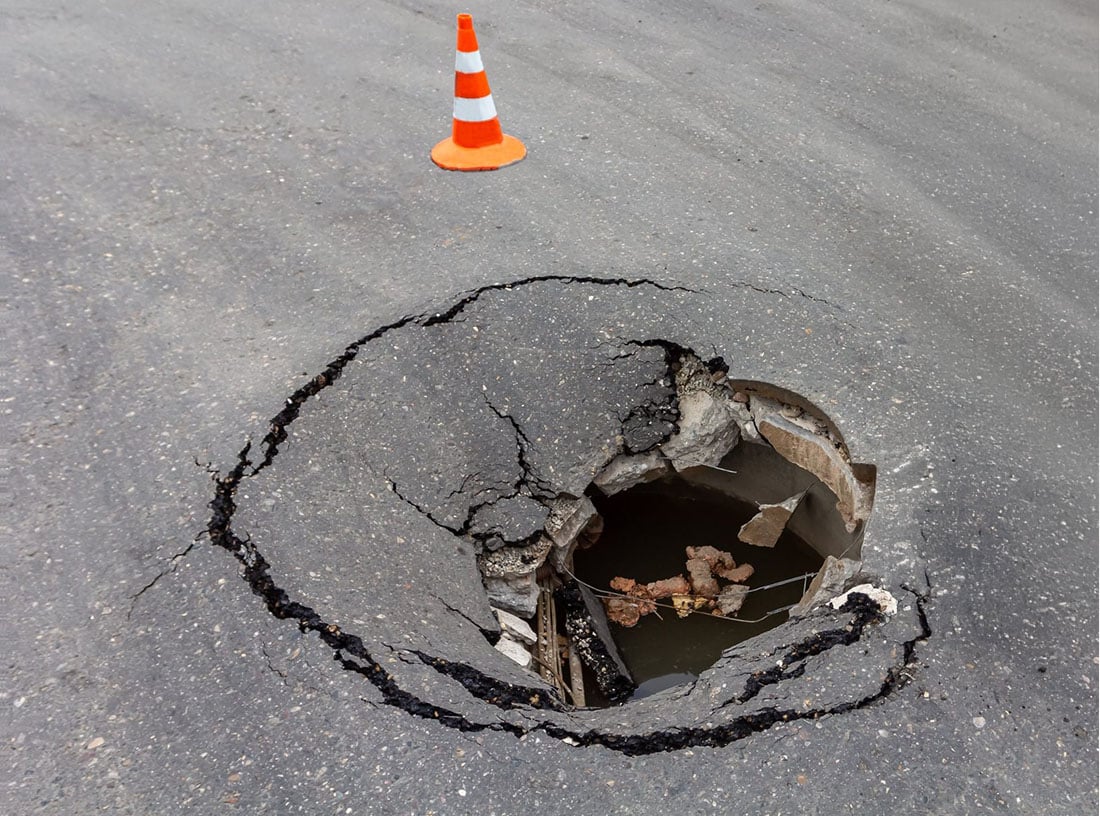
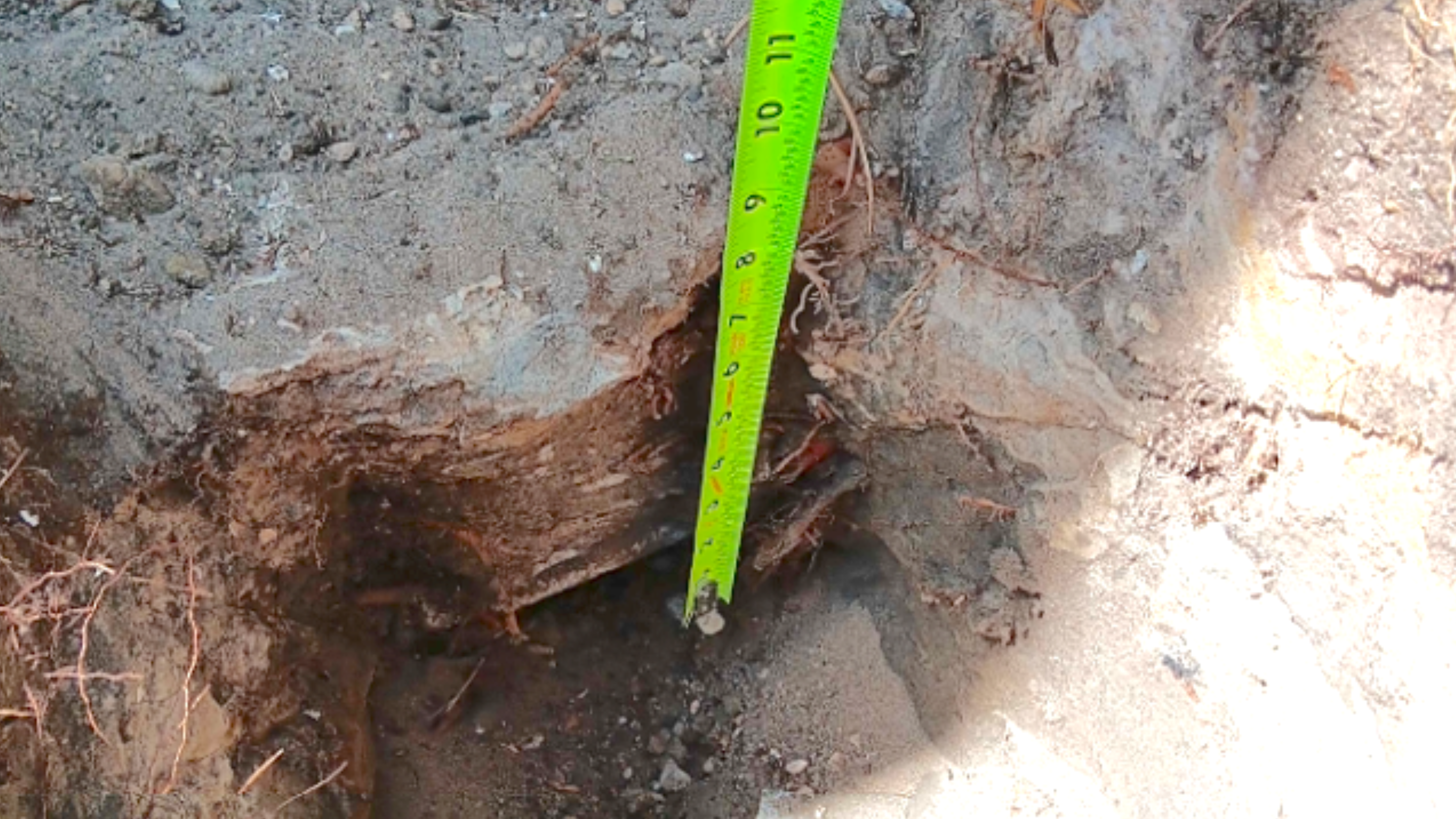
Soil erosion tops the list of reasons your sidewalk settles over time. Water sneaks in and washes away the dirt under the concrete, leaving empty spots that let the slab sag.
If the soil wasn’t compacted well when the sidewalk was installed, it can’t really support the concrete’s weight. Over time, the ground compresses, and your sidewalk starts to sink; sometimes so gradually you barely notice until it’s obvious.
Tree roots can be sneaky, too. They push the soil around under your sidewalk, and when they decay or shift, they leave gaps that make sections settle at weird angles.
Heavy vehicles or equipment speed up soil compression way more than normal foot traffic. Freeze-thaw cycles in colder places also do a number on sidewalks, since water expands and contracts beneath the concrete.
Scenarios When Lifting Is Needed
If your sidewalk has a height difference of more than half an inch between slabs, it’s probably time to do something. That kind of gap is a tripping hazard for anyone walking through, especially kids or older folks.
Trip points or raised edges near doors and main walkways should get top priority. These spots see the most footsteps and are the riskiest.
If you notice water pooling on your sidewalk, that’s a red flag for drainage issues caused by settling. Concrete needs to slope away from the house, or else you risk water sneaking toward your foundation.
Sometimes, you might find doors or gates don’t line up with the concrete anymore. Even small dips near entrances can make life tough for people with mobility challenges.
Risks of Ignoring Uneven Sidewalks
Uneven sidewalks can turn into major liability headaches if someone trips and gets hurt. No one wants to deal with legal trouble or medical bills from a preventable fall.
The longer you leave it, the worse it gets. Water keeps eating away at the soil under those settled sections, and what started as a tiny dip can morph into a much bigger, more expensive problem.
Potential buyers notice ugly or uneven concrete, and it makes them wonder what else might be wrong with your place. Sidewalk issues just scream “neglect” to home shoppers.
Water that pools on sunken concrete can sneak toward your foundation and cause structural headaches. That leads to moisture problems in basements or crawl spaces, which nobody wants to pay to fix.
Essential Tools and Materials
Lifting a concrete sidewalk takes some specific gear and materials if you want to do it right. You’ll need basic tools for the lifting process, some protective gear, and the right compounds to raise and stabilize the slabs.
Equipment Checklist
Grab a drill with a masonry bit to make injection holes in the slab—aim for holes about 1 to 2 inches across. A pressure washer is super helpful for cleaning the sidewalk before you get started.
For the lifting itself, you’ll want hydraulic lifting equipment or a mudjacking pump to inject material under the slab. Most tool rental places have these. You’ll also need a mixing drill and a big bucket to prep your lifting compound.
Other must-haves: a level to check your progress, a tape measure, and a caulking gun with concrete sealant. If you need to nudge heavy slabs, lifting straps or chains can help. And a shop vacuum makes cleaning debris from cracks and holes much easier.
Safety Gear for Lifting Concrete
Safety first, always. Steel-toed boots protect your feet from heavy slabs or dropped tools. Wear safety glasses or goggles to keep concrete dust and chips out of your eyes. Good work gloves help you handle everything safely. A dust mask or respirator keeps your lungs happy when dealing with concrete dust or fumes from the lifting compound.
Knee pads are a lifesaver since you’ll be kneeling a lot. If you’re using hydraulic gear, long pants and sleeves protect your skin from fluid splashes. And if you’re running loud tools for a while, ear protection isn’t a bad idea.
Choosing the Right Lifting Materials
Most folks use a cement-based slurry—just cement, sand, and water. It’s affordable and works for most sidewalk fixes. Mix it until it’s thick and pumpable.
Polyurethane foam is a newer choice. It’s lighter, cures fast, and expands as you inject it, filling voids and lifting the slab. Foam sets in about 15 minutes and is ready for action in under an hour.
If it’s a small repair, a pre-mixed concrete leveling compound saves time. These are ready to go out of the package and need less equipment. Look for a fast-setting formula made for slab lifting to make sure it holds up.
Preparing for the Project
Prepping well makes the job smoother and helps you dodge costly mistakes. Take a little time to check the sidewalk’s condition, mark your workspace, and set up safety measures.
Evaluating the Sidewalk Condition
Walk the length of your sidewalk and spot all the trouble areas. Look for slabs that have sunk or ones sticking up and creating tripping hazards. A level or straight board helps you measure how far each slab has moved from where it should be.
Check for cracks in the concrete. Tiny hairline cracks aren’t usually a big deal, but big breaks can mean the slab’s a goner. Tap on the concrete with a hammer—if it sounds hollow, there’s probably a void underneath.
Jot down measurements for each slab that’s off. You’ll want to know if it’s down an inch or three so you can plan your lift. Snapping a few photos of the worst spots helps track your progress, too.
Marking the Work Area
Use bright spray paint or chalk to outline every slab that needs to be lifted. Mark an “X” or circle on sunken spots and draw arrows to show which way they tilt. It keeps things organized once you start.
Number each problem slab so you don’t lose track, especially if your sidewalk has a bunch of sections.
Move anything that’s near your work zone—planters, furniture, toys—at least five feet away. Give yourself room to work.
Ensuring Site Safety
Before you do anything, put on safety glasses, gloves, and steel-toed boots. Concrete dust and flying bits can do real damage if you skip the gear.
Set up cones or caution tape around your workspace to keep kids, pets, and curious neighbors out of harm’s way. Place a warning sign at both ends of the sidewalk section you’re working on.
Turn off any sprinklers nearby. Water messes with foam injection and can make the area dangerously slippery.
Step-By-Step Guide to Lifting a Concrete Sidewalk
Lifting a sidewalk means drilling holes, injecting material beneath the slab, and keeping an eye on the lift to get a level surface. You’ll finish by sealing everything up and cleaning the area.
Drilling Access Holes
Drill holes through the sunken slab to create access points for the lifting material. Aim for holes about 1 to 2 inches wide, depending on your injection method.
Space the holes 3 to 4 feet apart. Go closer if the slab’s really sunken or if you’re working with a small section. Mark your spots with chalk before drilling.
Use a hammer drill with a masonry bit and go straight down through the slab. Try to keep the drill steady—angled holes make injection tricky.
Clear out dust and debris from each hole before moving on. You want the lifting material to flow freely.
Injecting the Lifting Material
Stick the injection nozzle into the first hole and start pumping in the lifting material: polyurethane foam or cement-based slurry, whichever you picked. Foam expands fast and is lighter, while slurry takes longer but is easier on the wallet.
Begin with the holes farthest from your equipment and work back toward yourself. That way, you don’t have to walk over freshly lifted spots. Fill each hole slowly and watch for the material to show up at nearby holes or cracks.
A few tips:
- Stop once you see the slab move
- Keep an eye on the level
- Go slow and steady with the injection
- Listen for hollow sounds—they mean the material is spreading
The lifting material fills voids beneath the slab and pushes it up. Once you hit the right lift at each hole, move on to the next.
Leveling and Adjusting the Slab
After each injection, check the slab’s level with a 4-foot level or laser level. Try it in a few directions to make sure the surface is even.
If one spot rises too high, you might need to add weight or tweak your injection. Go slow—it’s way easier to add more material than to fix an over-lifted slab.
Make small tweaks by injecting just a bit more material where you need it. Focus on the low spots. The goal is to match the height of the slabs next to it or create a gentle slope away from the house.
Check the transitions between lifted and untouched slabs. They should blend smoothly, not create new tripping spots. Use your level—a lot—during this step.
Sealing and Finishing Touches
Once the lifting material has cured, fill the access holes with patching compound or quick-setting concrete. Mix it as the manufacturer says.
Pack the compound into each hole with a putty knife or trowel. Overfill a bit, then smooth it flush with the sidewalk. It’ll settle as it dries.
Wipe up any spilled material right away with a damp cloth. If it dries, you might need a wire brush or scraper.
After the patches cure for a day or two, roll on a concrete sealer over the whole sidewalk. That protects the surface and helps the patches blend in. Now your sidewalk’s good to go.
Maintenance and Care After Lifting
Once you’ve lifted your sidewalk, a little care goes a long way to keep it level. Protect the repair from water damage and soil erosion to avoid repeat problems.
Preventing Future Sinkage
Water is public enemy number one when it comes to soil erosion under slabs. Make sure gutters and downspouts send water at least 6 feet away from the concrete. Fix leaky sprinklers or outdoor faucets near the sidewalk as soon as you spot them.
Seal up cracks or gaps in your concrete within the first few months after lifting. A good concrete sealant keeps water from sneaking through and washing away the soil below.
Try to keep the soil around your sidewalk from getting bone dry or soggy. Really dry soil shrinks and creates gaps, but too much water turns the ground to mush. If drainage is a headache, installing proper drainage or adding a French drain can help keep things in check.
Routine Inspection Tips
Check your sidewalk every 3 to 6 months for new signs of settling or damage. Walk the whole length and look for gaps between panels, small cracks, or spots that feel uneven underfoot.
Pay extra attention after heavy rain or during the spring thaw. Soil tends to shift most during these times.
Look for pooling water on the surface; if you see it, the concrete might be starting to slope again. Test the joints between concrete panels by running your hand across them.
You shouldn’t feel sharp edges or major height differences. Small cracks under 1/4 inch wide usually aren’t a big deal, but keep an eye on them to make sure they don’t get worse.
When to Seek Professional Help
Call a pro if you notice any panel sinking more than 1/2 inch within the first year after lifting. That might mean the underlying soil problem wasn’t completely fixed or something new has popped up.
Get help right away if you spot large cracks wider than 1/4 inch or cracks that keep growing. Water can seep through these and cause major settling.
If you see multiple sidewalk sections shifting at the same time, that’s a red flag. Watch for changes in drainage patterns around your sidewalk.
If water starts pooling where it didn’t before, or you notice soil washing out from under the edges, it’s time to get some expert advice. Fixing drainage issues early can save a lot of trouble down the road.
Get Your Sidewalk Back On Level Ground
A sunken sidewalk isn’t just annoying to look at. It creates trip hazards, drainage problems, and ongoing frustration if left alone. Knowing how to lift a concrete sidewalk gives you a practical way to fix uneven slabs without tearing everything out and starting over.
In some cases, lifting is a solid DIY solution. In others, underlying soil or drainage issues make professional help the smarter choice. Helicon helps homeowners sort out those situations by identifying the cause first, then matching the repair to the problem.
If your sidewalk keeps sinking, feels unsafe, or affects curb appeal, it’s time to act. Schedule an inspection or request an estimate to find out whether lifting, leveling, or a more permanent fix makes the most sense for your property.
Frequently Asked Questions
What causes a concrete sidewalk to sink?
Most sidewalks sink due to soil settlement, erosion, or poor compaction beneath the slab. Water runoff, leaking sprinklers, and shifting ground wash away support over time. Tree roots and heavy loads can also contribute to uneven concrete.
Can I lift a concrete sidewalk myself?
Yes, you can lift a concrete sidewalk yourself if the settlement is minor and localized. DIY methods like mudjacking or concrete leveling compounds work best for small areas. Larger drops or widespread sinking usually require professional equipment and experience.
How much can a concrete sidewalk be lifted?
Most lifting methods can raise a slab up to a few inches safely. The exact limit depends on the condition of the concrete, the soil below, and the lifting material used. Severely sunken or cracked slabs may not be good candidates for lifting.
Is lifting concrete better than replacing it?
In many cases, yes. Lifting is faster, less disruptive, and more affordable than full replacement. It keeps the existing concrete in place and restores safety without demolition. Replacement is typically needed only when the slab is badly cracked or broken.
How long does concrete lifting last?
When the underlying soil issue is addressed, concrete lifting can last many years. Proper drainage, sealed joints, and regular inspections help prevent future settlement. Ignoring water problems is the most common reason lifting fails over time.
What’s the difference between mudjacking and foam lifting?
Mudjacking uses a cement-based slurry that’s heavier and more affordable. Foam lifting uses lightweight expanding polyurethane that cures quickly and adds minimal weight to the soil. Foam is often better for weak soils, while mudjacking works well for stable ground.
Will lifting concrete damage my sidewalk?
When done correctly, lifting should not damage the slab. Slow, controlled injection helps prevent cracking. However, concrete that’s already brittle or heavily cracked may break during lifting, which is why inspection matters before starting.
How soon can I walk on the sidewalk after lifting?
With foam lifting, sidewalks are often ready within 30 to 60 minutes. Cement-based slurry usually needs 24 to 48 hours to cure fully. Always follow the product or contractor’s curing recommendations.
How do I know if lifting won’t work for my sidewalk?
If the concrete has large cracks, broken corners, or keeps sinking repeatedly, lifting may not be enough. These signs often point to ongoing soil or drainage problems that need to be fixed before the sidewalk can stay level.