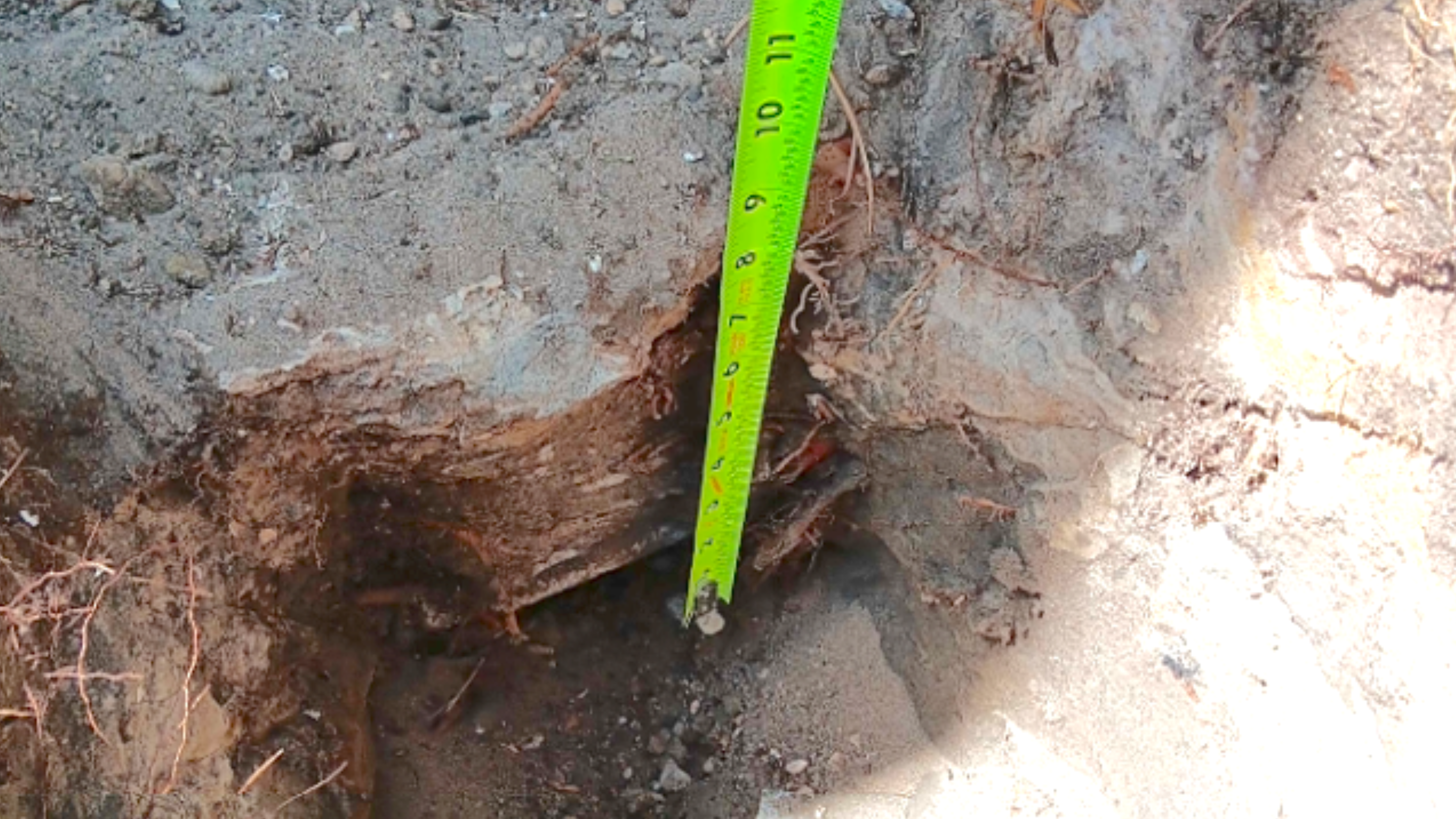
If you are asking, “Do I need a permit for foundation repair?”, you must know that many homeowners worry about starting repairs only to find out later they missed a required permit. The rules are not always clear, and the consequences of getting it wrong can be costly.
Foundation issues already feel stressful, and permit confusion can add unnecessary pressure. This is where Helicon helps homeowners understand what is required, what is optional, and how to move forward with confidence, rather than second-guessing every step.
In this guide, you will learn when a permit is typically required, which repairs are usually exempt, and how to avoid delays or fines. By the end, you will know exactly how to protect your home, your budget, and your peace of mind.
What Is a Foundation Repair Permit?
A foundation repair permit is a legal document you get from your city or county building department before starting foundation work. Think of it like getting permission to make important changes to your home’s structure.
The permit shows that local officials have reviewed your planned repairs. It proves the work will be done safely and correctly.
When you apply for a permit, you usually need to submit plans that show what repairs will be made and how the contractor will do them. Not all foundation repairs need a permit.
Small cosmetic fixes like patching minor cracks often don’t require one. But major structural work almost always does.
Why Permits Are Required for Repairs
Permits protect you and your home. They make sure contractors follow proper safety standards when working on your foundation.
Foundation problems can affect your entire house. Building departments use permits to track structural changes to homes in your community.
This helps maintain property values and keeps neighborhoods safe. When inspectors check permitted work, they verify that repairs meet local codes.
Permits also create an official record of the work done on your home. This record helps when you sell your property because buyers can see that repairs were done properly.
Without them, you might face problems during home inspections or have trouble getting insurance coverage.
Local Building Codes and Regulations
Building codes vary from one city to another. What requires a permit in your town might not need one in the next county over.
Your local building department sets these rules based on your area’s specific needs. Most areas require permits for work that affects your home’s structural integrity.
This includes installing piers, underpinning foundations, or making changes to load-bearing walls. The cost of permits also changes by location, ranging from $50 to several hundred dollars.
Contact your local building department to learn about your area’s specific requirements. They can tell you exactly what permits you need and how to apply for them.
Your foundation repair contractor should also know local permit requirements and may help you with the application process.
When a Permit Is Needed for Foundation Repair
Most foundation repairs that involve structural changes or major work require a permit. Minor cosmetic fixes usually don’t need one, but the rules vary by location.
Types of Foundation Repairs That Require a Permit
Structural repairs almost always need a permit because they affect your home’s stability. This includes installing steel piers, helical piers, or push piers to support your foundation.
Underpinning work also requires permits since it changes how your foundation bears weight. You’ll need a permit for foundation replacement projects.
If you’re lifting or leveling your home, expect to get approval first. Excavation work around your foundation typically requires permits, too.
Major crack repairs that involve structural reinforcement usually need permits. Installing wall anchors or carbon fiber straps to fix bowing walls falls into this category. Drainage work that requires extensive excavation often needs approval as well.
Common Scenarios Requiring Permits
You need a permit when your foundation repair costs exceed a certain dollar amount. Many cities set this threshold between $500 and $2,000.
The exact amount depends on your local building department. Any work that affects your property line or easements requires a permit. This includes excavation near shared boundaries or utility lines. Work on load-bearing walls always needs approval.
You’ll need permits if your repair involves concrete work over a specific volume. Most areas require permits for pouring new foundation walls or slabs.
Adding or modifying basement spaces requires approval, too. Changes to your home’s drainage system often trigger permit requirements. This includes installing new French drains or modifying how water flows around your foundation.
How to Determine If Your Project Needs a Permit
Call your local building department before starting any foundation work. They can tell you exactly what requires a permit in your area.
Most cities have this information on their website too. Ask your foundation repair contractor about permit requirements.
Good contractors know local rules and can help you through the process. They often handle permit applications as part of their service.
Check if your repair involves structural changes or just cosmetic fixes. Small surface crack repairs under $500 usually don’t need permits.
Anything deeper or more extensive probably does. Review your city’s building code or talk to the permit office directly. Bring details about your planned repair, including the scope of work and estimated cost.
How to Apply for a Foundation Repair Permit
Getting a foundation repair permit involves contacting your local building department, submitting the right paperwork, and paying the required fees. The process typically takes a few days to a few weeks, depending on your location.
Step-by-Step Application Process
Your contractor usually handles the permit application, but you can do it yourself if needed. Start by contacting your city, county, or township building department to learn about their specific requirements.
You’ll need to fill out a permit application form with details about your property and the planned repair work. Include your address, property identification number, and a description of the foundation issues.
The building department may ask for contractor information, including their license number and insurance details. Submit your completed application to the building department in person or online if they offer digital submissions.
An inspector will review your plans to make sure the repair work meets local building codes. They might request changes or additional information before approving your permit.
Once approved, you’ll receive your permit documentation. Post this permit somewhere visible at your work site, as most areas require it to be displayed during construction.
Required Documentation
Your permit application needs several supporting documents. A detailed repair plan or engineering report explains what work you’ll do and why it’s necessary.
You must provide proof of contractor licensing and insurance if you’re hiring a professional. This protects you and meets local requirements.
Property surveys or plot plans show the building’s location on your lot. Some jurisdictions ask for photos of the current foundation damage.
Soil reports or structural engineering assessments may be required for major repairs. Your building department will give you a complete checklist of what they need.
Associated Fees and Costs
Permit fees vary widely based on your location and the scope of work. Small repairs might cost $50 to $200 for a permit.
Larger foundation projects can have permit fees ranging from $200 to $1,000 or more. Many areas calculate fees as a percentage of the total project cost.
Others charge flat rates based on the type of work. Your building department can tell you the exact fee before you apply.
Budget extra time and money for inspection fees. Most permits include one or two inspections, but additional visits cost more. Plan for these expenses when calculating your total foundation repair budget.
Consequences of Skipping a Permit for Foundation Repair
Skipping the permit process can lead to serious legal troubles, expensive fines, and damage to your home’s value. You might also face work stoppages that delay repairs and create bigger problems down the road.
Legal and Financial Risks
If you skip getting a permit, local building officials can discover the unpermitted work during inspections or when you try to sell your home. When this happens, they can issue a stop-work order that immediately halts all foundation repairs.
You’ll need to obtain the proper permits before any work can continue. The fines for unpermitted foundation work vary by city but can cost thousands of dollars.
Some municipalities charge daily penalties until you fix the permit violation. You might also need to pay for additional inspections and potentially redo work that doesn’t meet building codes.
Your insurance company may refuse to cover damage related to unpermitted foundation repairs. This leaves you responsible for all costs if something goes wrong.
In worst-case scenarios, local authorities can force you to remove completed work that doesn’t comply with building codes.
Potential Delays and Fines
A stop-work order means your foundation problems continue to worsen while repairs sit unfinished. You’ll waste time and money dealing with permit applications that should have been handled before work started.
The delay can lead to more extensive damage and higher repair costs overall. Many cities require you to apply for retroactive permits when they catch unpermitted work.
This process often takes longer than getting permits upfront. You may need to hire engineers to certify that completed work meets code requirements, adding extra expenses.
Some contractors won’t work on projects that need retroactive permits because of the legal complications involved. This limits your options and can make it harder to find qualified professionals to complete your repairs.
Impact on Property Value
Future home buyers and their inspectors will discover unpermitted foundation work during the sale process. Most buyers will either walk away from the deal or demand steep price reductions to cover the risk of unpermitted repairs.
Real estate agents must disclose known unpermitted work to potential buyers. This disclosure raises red flags about the home’s structural integrity and your maintenance practices.
Mortgage lenders often refuse to approve loans for homes with unpermitted structural work. Getting permits ensures your foundation repairs add value to your home rather than creating obstacles when you sell.
Permitted work shows buyers that repairs were done correctly and inspected by qualified officials.
Choosing a Contractor and Permit Compliance
A licensed contractor should take the lead on getting permits for your foundation repair. You need to ask the right questions upfront and verify that all work follows local building codes.
How Licensed Contractors Handle Permits
Licensed contractors typically handle the entire permit process for you. They know which repairs need permits in your area and what paperwork to file with the local building department.
Your contractor should submit the permit application before starting work. They will include details about the repair methods, materials, and timeline.
The building department reviews this information to make sure it meets safety standards. Most contractors include permit costs in their project estimate.
They also schedule required inspections during and after the repair work. This means you won’t have to deal with the building department yourself or figure out when inspections need to happen.
Questions to Ask Your Contractor
Ask every contractor if your specific repair needs a permit. If they say no permit is necessary, ask them to explain why in writing.
Be wary of contractors who claim small repairs never need permits. Request proof of their license and insurance before signing any contract.
You should also ask how they handle the permit application and who pays the permit fees. Find out if they will be present for all required inspections.
Ask for references from recent foundation repair projects. Contact those homeowners and ask if the contractor obtained proper permits.
You can also check with your local building department to verify if a contractor has any violations on record.
Ensuring Project Compliance
Request copies of all permit documentation before work begins. This includes the approved permit and any inspection schedules.
Keep these documents with your home records for future reference. Check that your contractor posts the permit number at the job site if required by your city.
Visit your local building department website to verify the permit was actually filed and approved. Make sure all required inspections happen on schedule.
Your contractor should notify you before each inspection occurs. Get copies of the passed inspection reports and the final approval certificate when work is complete.
These documents prove the repair was done correctly and can help with insurance claims or home sales later.
Making Permit Decisions With Confidence
Understanding if you need a permit for foundation repair comes down to knowing your local rules and the scope of the work. Small cosmetic fixes are often exempt, while structural repairs usually require approval. Taking the time to confirm this upfront can save you stress, delays, and unexpected costs.
Permit mistakes can create real problems later, especially during inspections, insurance claims, or a home sale. Working with professionals who understand local requirements helps ensure repairs are done correctly and documented properly. This is where Helicon provides clarity and guidance homeowners can trust.
If you are unsure whether your foundation repair needs a permit, do not guess. Schedule an inspection or request a professional evaluation to get clear answers before work begins. A quick check now can protect your home and your investment long term.
Frequently Asked Questions
Do I Need A Permit For Foundation Repair In Every City?
No. Permit requirements vary by city and county. Some areas require permits for most structural foundation repairs, while others only require them for larger projects. Always check with your local building department before starting work.
What Types Of Foundation Repairs Usually Do Not Need A Permit?
Minor cosmetic repairs like filling small surface cracks or applying sealants often do not require permits. These repairs do not affect the structural integrity of the home. Rules still vary, so confirmation is important.
What Happens If I Start Foundation Repairs Without A Permit?
Starting work without a required permit can lead to fines, stop-work orders, and delays. You may also be required to apply for retroactive permits or redo completed work to meet code requirements.
Can A Contractor Pull The Permit For Me?
Yes. Most licensed foundation repair contractors handle the permit process on behalf of the homeowner. They submit plans, coordinate inspections, and ensure the work meets local building codes.
Will A Permit Delay My Foundation Repair Project?
Permits can add some time to the start of a project, but they often prevent bigger delays later. Addressing permit requirements early helps avoid work stoppages and unexpected compliance issues.
Does Unpermitted Foundation Repair Affect Home Value?
Yes. Unpermitted structural work can raise red flags during home inspections and sales. Buyers and lenders may view it as a risk, which can reduce your home’s value or delay closing.
How Can I Confirm Whether My Repair Needs A Permit?
The best step is to contact your local building department directly. You can also ask your foundation repair contractor to confirm requirements based on the scope and cost of the repair.