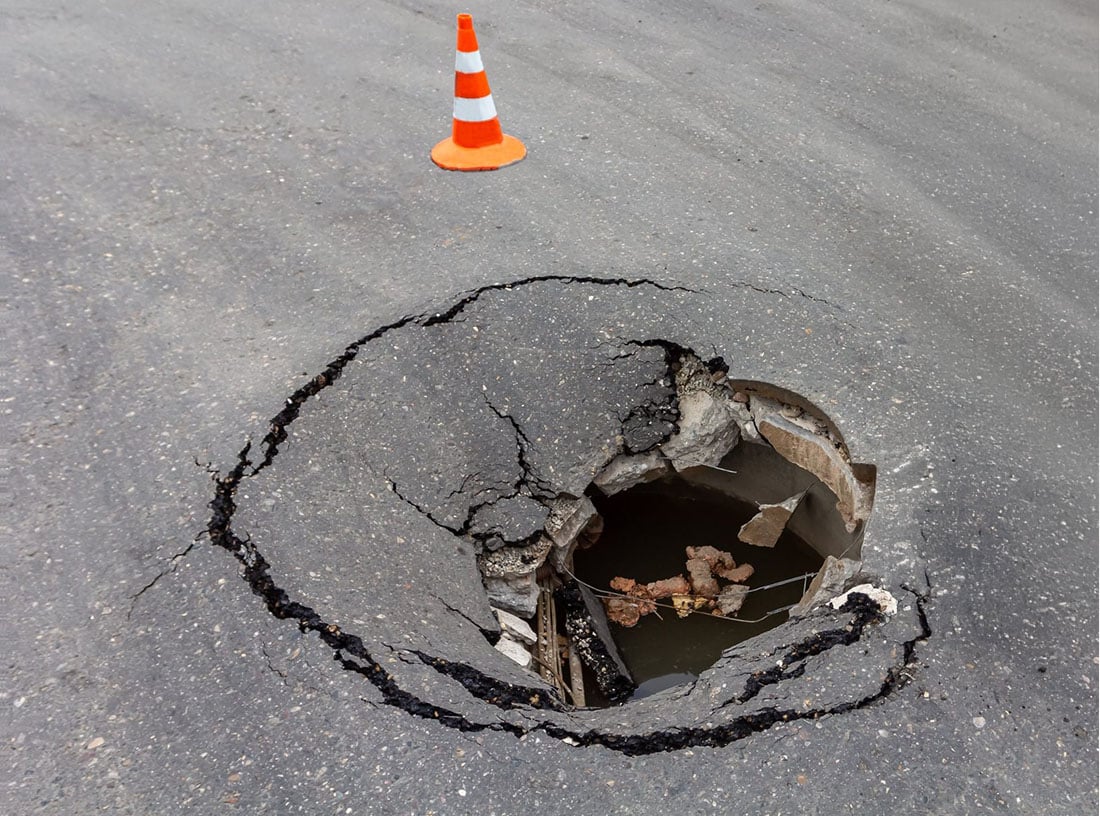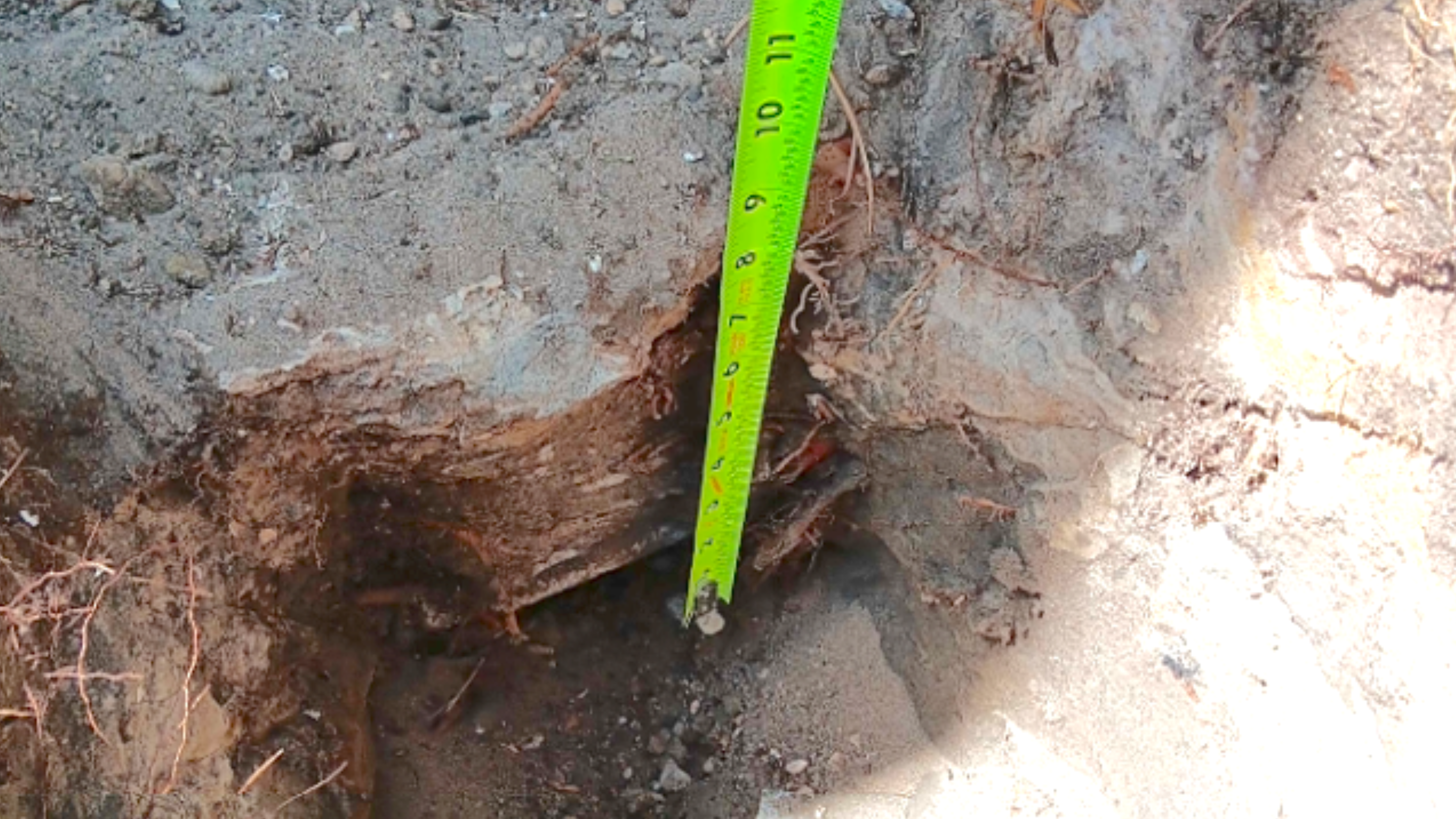
Dock and seawall repairs are essential when cracks, shifting soil, or loose boards put your waterfront property at risk. Left unaddressed, even minor damage can lead to erosion, safety hazards, and costly structural problems.
Homeowners across Florida turn to Helicon when docks feel unstable or seawalls show early signs of failure. Addressing these issues early helps protect shoreline integrity and keeps waterfront access safe and usable.
This guide explains how to spot warning signs, understand repair options, and plan practical dock and seawall repair solutions. You’ll learn how timely maintenance can prevent bigger problems and protect your investment.
What Is Dock and Seawall Repair?
Docks and seawalls put up with a lot: water, weather, and just the passing of time. If you know what to look for, you can protect your property and avoid the pain of full replacements.
Common Signs of Damage
Cracks are usually the first hint that something’s up. You might see tiny cracks in concrete seawalls or splits in wooden dock planks.
If your seawall leans toward the water or your dock shifts off-center, that’s a red flag about the foundation. Water pooling behind your seawall points to drainage issues, and that pressure can eventually push the wall out, or worse.
Keep an eye out for these too:
- Rust or corrosion on metal parts and fasteners
- Rotting wood on dock boards or pilings
- Gaps between seawall panels or sections
- Soil erosion behind the seawall or under the dock
- Loose or missing hardware, like bolts and brackets
Vegetation growing out of cracks? That just makes things worse over time. Even small plants can wedge things apart as their roots grow.
Types of Docks and Seawalls
Floating docks ride on the water using foam or plastic drums. They go up and down with the tide, which is handy in places with big water level swings.
Fixed piers anchor into pilings driven deep into the lake or ocean floor. These stay put and handle heavy loads better than floating docks.
Vinyl seawalls don’t rust and won’t rot like wood, so they’re easier to keep up. Still, they can crack if things freeze.
Concrete seawalls last a long time if built right. They’re tough against waves but cost more upfront and can crack under pressure.
Steel seawalls are the heavy hitters for rough spots. But if you skip the coatings or maintenance, rust creeps in fast.
Wood seawalls are cheaper at first but need more TLC. They’re fine in calm waters, but they just don’t last as long.
Causes of Structural Issues
When drainage systems fail, water builds up behind seawalls and pushes outward, creating cracks. Wave action never lets up, and storms or boat wakes just speed up the wear.
Soil erosion eats away support from underneath and behind. Without solid ground, walls lean and docks sink.
In colder climates, freeze-thaw cycles can really mess things up—water sneaks into cracks, freezes, and then splits stuff apart.
Sometimes, it just comes down to poor construction or the wrong materials, and things fail early. Even the best-built structures wear out eventually. Years of sun, water, and wind will do that.
Inspection and Assessment
Catching problems early saves money and stress. Regular inspections help you spot trouble before it gets out of hand.
Professional evaluators use special tools to check for hidden and visible damage. You can still do basic safety checks between professional visits.
Professional Evaluation Methods
Licensed marine engineers show up with all kinds of gear, including underwater cameras, to see what’s happening below the surface. They check for cracks, rust, wood rot, and weak spots in pilings.
They measure water pressure behind seawalls and test support beams for stability. You’ll usually get a detailed report with photos and repair suggestions. Many inspections also include load testing to make sure your dock can handle boats and foot traffic.
They’ll look at the cap, tie-back systems, weep holes, and erosion patterns. Pros can spot early warning signs most folks would miss. They’ll also let you know if your structure meets current codes and safety standards.
Safety Considerations
Weak boards can give way fast, so don’t walk on any part of the dock that looks sketchy or feels shaky. Always check for loose nails, splinters, and rusted metal before stepping out.
Water depth changes and hidden hazards make dock areas risky. Wear a life jacket if you’re checking things in deep water. Keep kids and pets away from damaged spots until you’ve fixed them.
If you see exposed wires or damaged outlets near water, deal with it right away. Storms can mess with the structure even if you can’t see the damage. After any big weather event, schedule an inspection—it’s just not worth the risk.
DIY Inspection Tips
Walk your dock slowly and listen for creaks; they often mean loose connections. Look for rust stains on metal and soft spots in wood. Check seawall caps for cracks wider than a quarter inch.
You can spot erosion if you see soil washing out behind your seawall. Take note if the structure leans or tilts. Snap photos of trouble spots so you can keep tabs on changes.
Low tide is your best friend for seeing more of your seawall’s foundation. Binoculars help with hard-to-reach areas. Check tie-back rods for rust and make sure weep holes aren’t clogged.
Repair Solutions for Docks
Dock repairs can be as simple as swapping out a few boards or as major as replacing pilings. Knowing what to look for helps you keep things safe and working.
Decking Replacement
Decking takes a beating from the sun, feet, and water. Wood usually lasts 10-15 years before it needs replacing, but composite can go 25 years or more.
If you notice soft spots, splinters, cracked boards, or rot, it’s time for new decking. Sometimes you can just swap out a few boards, but if the damage is everywhere, a full replacement is the way to go.
Common Decking Materials:
- Pressure-treated wood – Cheapest, but needs upkeep
- Composite decking – Low maintenance, resists rot and bugs
- Hardwoods – Tough and good-looking, but pricey
- PVC – Totally waterproof, lasts longest
To install, you’ll pull up the old boards, check the frame, and secure new decking with marine-grade fasteners. Leave some space between boards for drainage.
Piling Repair and Replacement
Pilings hold everything up, so they need to stay solid. Water pressure, marine life, and boat bumps all take their toll.
Wood pilings usually rot right at the waterline. You’ll see soft spots, visible damage, or leaning. Concrete pilings can crack and let saltwater eat at the rebar.
Small problems can be fixed with carbon fiber wraps or epoxy injection. If things are really bad, you’ll have to pull the old ones and drive new pilings in.
Piling Repair Options:
- Carbon fiber wraps for cracks
- Polyurethane foam injection for voids
- Steel bracing for extra strength
- Full replacement for major damage
Contractors use pile drivers and underwater inspection tools. They check below the waterline, where you can’t see.
Hardware and Fasteners
Marine hardware keeps your dock together, but regular hardware rusts out fast in saltwater. Inspect bolts, brackets, cleats, and hinges at least twice a year. Replace anything that looks rusty, loose, or missing. Corroded fasteners make things dangerous.
Go for marine-grade stainless steel; it costs more, but it’s worth it. If you’ve got an aluminum dock, use compatible fasteners to avoid corrosion. Floating docks need special attention to connectors and hinges since they move around a lot.
Waterproofing Treatments
Waterproofing is key to longer-lasting docks. Different materials need different approaches.
Wood docks need a good marine-grade sealer every year or two. Clean the surface first and use a product made for decks so you don’t end up with a slippery mess.
Metal parts do better with rust-preventive coatings. Scrub off any rust, then slap on two coats. Concrete docks benefit from penetrating sealers that keep water out. These help prevent freeze-thaw damage and salt issues.
Seawall Restoration Techniques
Fixing seawalls takes the right approach—cracks, weak spots, and soil loss all need specific solutions. Good restoration uses modern materials and proven methods to keep your seawall going strong.
Crack Sealing and Patching
Cracks let water through and wash out the soil behind your seawall. For small cracks, polyurethane foam injection expands to fill gaps and blocks water. It works well for hairline cracks.
Bigger cracks need epoxy injection to bond the concrete. Epoxy makes a stronger seal than the original material. For surface damage, you can use special patching compounds that hold up in saltwater.
Cracks just get worse over time, especially after storms or high tides. Fix them early, and you’ll save money (and headaches) down the line.
Reinforcement Options
If the structure’s taken a real hit, you’ll need more than just patches. Chemical grouting stabilizes the soil behind the wall by injecting polyurethane resin into weak spots. It fills empty spaces and makes the foundation stronger.
Steel anchors and tie-backs add support for leaning or bulging walls. Contractors drill through the seawall and anchor it to solid ground further back. Carbon fiber wraps are another option—they add strength without tearing everything up.
Sometimes a new cap or extra supports are the way to go. These spread out the weight and help prevent future movement.
Erosion Control Solutions
Soil erosion behind your seawall can lead to collapse if you ignore it. Permeation grouting pumps special materials into the ground to hold soil together and fill gaps.
Installing weep holes and drainage systems lets water escape without carrying soil away. The right spacing depends on your wall’s height and the soil type.
Riprap or filter fabric at the base helps absorb wave energy and protects against being undermined. Keeping drainage systems clear is crucial; don’t skip regular checks.
Maintenance and Prevention Tips
A little care goes a long way. Regular upkeep saves money and helps your dock and seawall last longer.
Regular Maintenance Schedule
Inspect your dock and seawall at least twice a year, usually in the spring and fall. Look for cracks, loose boards, rusted hardware, and signs of erosion each time.
Clean off debris—leaves, algae, barnacles—every few months. This stuff traps moisture and speeds up decay and rust. A stiff brush and mild detergent do the trick.
Check all fasteners, bolts, and connections for tightness. Saltwater and temperature swings can loosen things up. Swap out any corroded metal right away.
After heavy rain or storms, watch for soil washing out behind your seawall. Fill in any gaps with the right material. Catching small problems early is way cheaper than fixing a collapse.
Protective Coatings
Put a marine-grade sealant on wood docks every couple of years. This keeps out water, blocks UV rays, and slows down rot. Make sure the wood is clean and dry first.
Metal parts need anti-corrosive paint or galvanizing to hold off rust. Pay extra attention to spots near the waterline, as they wear out fastest.
Concrete seawalls do better with waterproof sealers that stop water from sneaking into cracks. Follow the instructions and reapply when you see the surface soaking up water.
Environmental Factors
Waves and boat wakes are rough on your structures. If you’re seeing more damage, maybe add wave breaks or ask boaters to slow down near your place.
Freeze-thaw cycles in cold areas cause expansion and contraction, which is tough on materials. Clear ice safely and use de-icers made for marine use.
Plant roots from nearby trees and shrubs can push against seawalls and lift dock boards. Trim anything growing within three feet of your structures. Saltwater needs a different maintenance routine than freshwater, so tweak your care based on where you live.
Protecting Your Waterfront From Costly Damage
Dock and seawall repair plays a key role in preventing erosion, safety hazards, and structural failures. Addressing cracks, movement, or drainage issues early helps avoid larger repairs and protects your shoreline.
When docks feel unstable or seawalls begin to fail, Helicon provides experienced guidance and proven repair solutions tailored to waterfront conditions. The right repairs restore strength, safety, and long-term reliability.
If you’ve noticed warning signs or want peace of mind, schedule a professional inspection today. Taking action now helps protect your property and avoid more expensive repairs later.
Frequently Asked Questions
How Do I Know If I Need Dock And Seawall Repair?
Common warning signs include cracks, leaning structures, loose boards, rusted hardware, and soil erosion. If your dock feels unstable or water pools behind your seawall, it’s time to have it evaluated.
What Causes Docks And Seawalls To Fail Over Time?
Constant exposure to water, wave action, storms, and UV rays causes gradual wear. Poor drainage, soil erosion, and aging materials also contribute to dock and seawall damage.
How Often Should Docks And Seawalls Be Inspected?
Most waterfront structures should be inspected at least once or twice a year. Inspections are especially important after major storms or periods of heavy water activity.
Can Small Cracks Or Damage Be Repaired, Or Is Replacement Needed?
Minor cracks, corrosion, and early erosion can often be repaired if caught early. Delaying dock and seawall repair increases the chance that full replacement may be required.
Are Dock And Seawall Repairs Disruptive To My Property?
Many repair methods are minimally invasive and focus on stabilizing existing structures. The level of disruption depends on the severity of damage and repair method used.
How Long Do Dock And Seawall Repairs Typically Last?
With proper materials and regular maintenance, dock and seawall repair solutions can extend the life of your structures for many years. Ongoing inspections help maximize longevity.