Cement seawall repair is necessary when cracks, erosion, or water seepage begin to put your waterfront property at risk. These issues often begin small, but constant exposure to water and pressure can cause damage to spread faster than many homeowners expect.
At Helicon, we often speak with property owners who notice early warning signs and want clear guidance before minor seawall problems turn into costly structural repairs.
This guide explains what causes cement seawall damage, how to spot problems early, and which repair options make sense based on severity. With the right information, you can make confident decisions that protect your shoreline and investment.
How Cement Seawalls Work And Why They Fail
Cement seawalls are engineered barriers that shield waterfront properties from erosion and wave damage. They face unique challenges from constant water exposure, so it helps to know what they’re made of and how things go wrong.
Common Materials Used
Cement seawalls typically use reinforced concrete as their main building material. This mix combines Portland cement, sand, gravel, and water in specific ratios for strength and durability.
Steel reinforcement bars (rebar) run through the concrete to add tensile strength. These metal bars help the seawall resist cracking and bending forces from waves and soil pressure.
Many seawalls also use:
- High-strength epoxy for repairs and crack filling
- Marine-grade concrete with additives to resist saltwater
- Waterproof sealants to block moisture
- Weep holes or drainage systems to manage water pressure
The concrete cap at the top of the seawall gives extra protection and helps anchor the structure. Honestly, quality materials make all the difference between a seawall that lasts decades and one that falls apart early.
How Cement Seawalls Function
Your seawall acts as a vertical barrier between water and land. It absorbs wave energy and bounces it back toward the water, stopping soil erosion behind the wall.
The structure relies on its weight and foundation to stay stable. Proper drainage behind the wall is critical since it releases built-up water pressure that could otherwise push the seawall forward.
Hydrostatic pressure builds up when water accumulates in the soil behind your seawall. Without good drainage through weep holes or relief systems, this pressure can crack or shift the entire structure.
The seawall foundation extends below the waterline and into stable soil to anchor the wall and prevent undermining from wave action. It’s a simple idea, but it works until it doesn’t.
Causes Of Structural Damage
Saltwater exposure is one of the biggest threats to your cement seawall. Salt corrodes the steel rebar inside the concrete, causing rust that expands and cracks the surrounding material.
This process is called spalling, where concrete chips and flakes away from the surface. It’s ugly, and it gets worse fast.
Freeze-thaw cycles also damage seawalls in colder climates. Water sneaks into small cracks, freezes, expands, and makes those cracks bigger every winter.
Other common culprits include:
- Poor drainage leading to excessive hydrostatic pressure
- Wave impact and tidal forces creating stress fractures
- Soil erosion beneath or behind the wall
- Age and normal wear from years of exposure
- Foundation settlement or shifting
Cracks wider than a quarter inch need immediate attention. Small issues can quickly become major structural problems when water gets in and speeds up the deterioration.
Signs Of Damage In Cement Seawalls
Cement seawalls show specific warning signs when they start to fail. These range from visible cracks and surface wear to leaning walls and water problems.
Catching these signs early helps you avoid expensive repairs and keeps your waterfront property safe. Early cement seawall repair decisions can also reduce how much work is needed later.
Cracking And Surface Erosion
Small hairline cracks in your cement seawall might seem harmless at first. But these cracks can quickly grow and let water seep behind the wall.
Structural cracks are wider and often run vertically or diagonally. These indicate serious problems with the seawall’s foundation or overall structure.
Any crack wider than a quarter inch should set off alarms. Surface erosion looks like rough, pitted, or flaking concrete; basically, the cement wears away from constant exposure to water, salt, and waves.
This weakens the protective outer layer and exposes the inner structure to more harm. Watch for patterns in the cracking.
If multiple cracks show up in the same area or spread across large sections, you might have bigger structural issues lurking underneath.
Leaning Or Bowing Walls
Your seawall should stand straight and vertical. Any noticeable tilt, lean, or bulge means the wall is losing its fight against soil pressure and water force.
Leaning usually happens when the soil behind the wall erodes or gets waterlogged and heavy. The extra weight pushes against the seawall and forces it to tilt forward.
Bowing shows up as an outward curve in the middle sections. This curved shape tells you pressure is building up behind specific areas of your seawall.
You can check for leaning by standing at different angles along your seawall. Even a slight tilt of a few inches signals trouble.
Some property owners use a level or straight edge to measure the angle more precisely, but honestly, your eyes will usually catch it first.
Water Seepage
Water showing up where it shouldn’t is a clear sign your seawall has problems. Look for wet spots, puddles, or standing water on the property side of your seawall.
Seepage happens when water finds its way through cracks, joints, or porous concrete. You might spot water trickling down the wall face or pooling at the base during high tide.
Soil washout is a related issue. Small streams of water carry soil particles from behind your seawall out into the waterway.
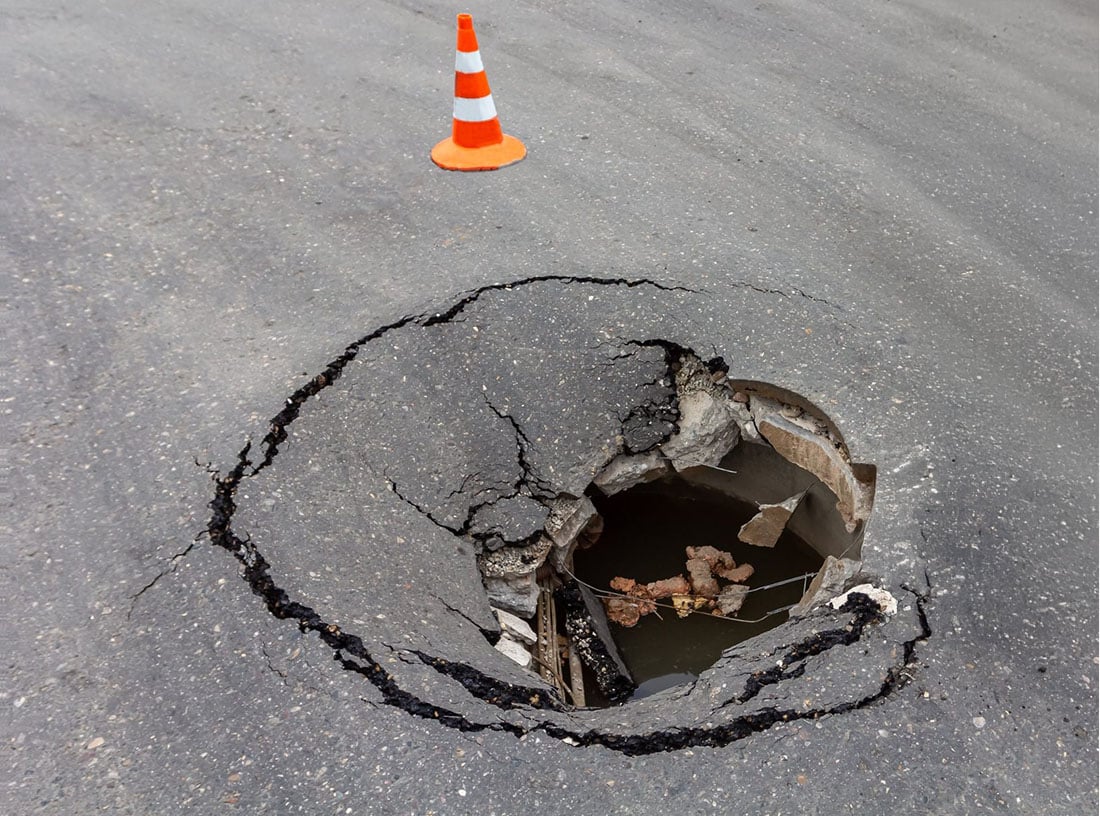
You’ll see muddy water or sediment coming through the wall during rain or at high tide. Sinkholes or soft spots near your seawall mean that soil is washing away underneath.
The ground might feel spongy when you walk on it, or you might see visible depressions forming. Not a great sign.
Exposed Rebar
Steel reinforcement bars (rebar) are supposed to stay hidden inside the concrete. When you see rebar, your seawall’s lost a critical layer of protection.
Rust stains on the concrete surface often appear before you actually see the rebar. These orange or brown streaks mean the steel inside is corroding and expanding.
Concrete breaks apart as the rusting rebar takes up more space. Once rebar gets exposed to air and water, it rusts much faster.
Corroded rebar loses strength and can’t support the concrete structure. The rust also creates more cracks in the surrounding cement.
You might notice chunks of concrete falling off, leaving holes where rebar pokes through. This kind of damage, called spalling, only speeds up as the exposed metal keeps rusting and breaking apart more concrete.
Repair Methods For Cement Seawalls
Cement seawalls can be restored using several effective techniques, each targeting different types of damage. The right method depends on whether you’re dealing with surface cracks, structural weakness, or problems behind the wall.
Surface Patching
Surface patching works well for minor cracks and small damaged areas. Start by cleaning the area with a wire brush to remove loose material, salt, and any growth.
Once clean, fill small cracks using epoxy injection or specialized concrete patching compounds. These materials bond to the existing cement and create a waterproof seal.
For slightly larger damage, chip away loose concrete before applying the patch. The key to good patching is surface prep.
Make sure the area is completely dry before you apply most repair materials. Some products work in wet conditions, but they usually cost more.
Apply patching material in layers if the crack or hole is deep. This prevents shrinking and cracking as it cures.
Reinforcing With Steel And Concrete
Structural reinforcement becomes necessary when your seawall shows signs of serious weakness or large damaged sections. This method involves adding steel rebar or mesh along with new concrete to strengthen the wall.
First, expose the damaged area by removing loose or weak concrete. If the existing steel reinforcement is rusted, clean or replace it.
Position and secure new rebar for extra support. Then, pour or apply high-strength concrete over the steel framework.
This creates a stronger structure that can better handle water pressure and wave action. The new concrete needs proper curing to reach full strength.
This repair takes more time and expertise than patching, but it gives long-term stability for walls with significant structural issues.
Grouting Techniques
Grouting helps fix problems you can’t see on the surface, like voids behind the seawall or soil erosion underneath. Polyurethane foam injection is a popular grouting method that fills empty spaces and stabilizes loose soil.
A professional drills small holes into the seawall at specific spots. Then, they inject the grout material under pressure so it flows into voids and cracks.
The material expands to fill the space and hardens quickly. This technique also helps manage water pressure buildup behind the wall.
Some grouting materials even seal cracks from the inside to stop water intrusion. Grouting doesn’t require major excavation, so it’s faster and less expensive than replacing the whole wall.
It’s especially useful when the main structure is still solid, but the supporting soil has eroded. For many properties, this kind of cement seawall repair can restore stability without major disruption.
Professional Vs. DIY Cement Seawall Repair
Small surface cracks might be within your skill set, but structural damage, large voids behind the wall, and cap failures usually require professional expertise and specialized equipment like injection systems.
Assessing Repair Complexity
You can handle minor repairs yourself if you’re dealing with hairline cracks less than 1/8 inch wide or small surface patches. These projects need basic tools like wire brushes, concrete patching compound, and safety equipment.
Professional help becomes necessary when you see bigger problems. Deep cracks wider than 1/4 inch, crumbling concrete, sinkholes near the wall, or leaning sections mean structural issues.
Water pooling behind your seawall might mean you need a pressure control system. The equipment makes a big difference, too.
Professionals use polyurethane injection systems to fill voids and stabilize soil behind seawalls. They have high-strength epoxy for cap repairs and specialized concrete materials that last longer than standard products.
Your safety matters. Working near water on unstable structures is risky business. Professionals have insurance, proper safety gear, and training for waterfront work.
Selecting Qualified Contractors
Look for contractors with specific seawall repair experience, not just general concrete work. Ask how many years they’ve worked on marine structures and request photos of completed projects similar to yours.
Check their license and insurance coverage. Marine contractors need proper licensing in most places, and their insurance should cover waterfront work specifically.
Get copies of both before signing anything. Request at least three references from recent seawall projects.
Call these property owners and ask about the quality of work, timeline, and whether problems came up after completion. Compare detailed written estimates from multiple contractors.
The quote should list specific repair methods, materials by name, timeline, and warranty terms. Low bids might mean shortcuts with inferior materials or techniques, never a good trade-off.
Preventive Maintenance Tips
Regular inspections and protective treatments can help your cement seawall last 30 years or more. These simple maintenance steps keep small problems from turning into expensive repairs.
Routine Inspection Guidelines
You should inspect your cement seawall at least twice a year, preferably in spring and fall. Look for visible cracks, chips, or areas where the concrete is breaking apart.
Pay special attention to the waterline, where constant exposure does the most damage. Check for any signs of water seeping through the wall or pooling behind it.
This can indicate drainage problems that create pressure and lead to failure. Walk along the entire length of your seawall and note any areas where the structure seems to lean or shift.
Watch for gaps between the seawall cap and the wall itself. These openings let water in and speed up deterioration.
You’ll also want to check weep holes to make sure they’re not blocked with debris or sediment. Document what you find with photos and notes. This helps you track changes over time and catch problems early when repairs are simpler and less costly.
Protective Coatings Application
Marine-grade sealers protect your cement seawall from water and salt damage. Apply a quality concrete sealer every 3-5 years to create a barrier against moisture and chemicals.
Clean the surface thoroughly before application for best results. Choose sealers specifically designed for marine environments, since they stand up to constant water exposure and resist UV damage.
Epoxy-based coatings offer excellent protection for areas with heavy wear or existing minor cracks. Apply coatings during dry weather when temperatures stay between 50-90°F.
The concrete surface must be completely dry for the sealer to bond properly. Two thin coats usually work better than one thick one. Reapply protective coatings whenever you notice the surface becoming porous or when water stops beading up on the concrete. It’s a little thing, but it goes a long way.
Take Action Before Seawall Damage Gets Worse
Cement seawall repair is most effective when problems are addressed early. Cracks, leaning, and water seepage often signal pressure and erosion that will continue if left alone.
Ignoring these warning signs can lead to soil loss, structural instability, and higher repair costs over time. Helicon works with waterfront property owners to identify the cause of damage and match repairs to real conditions, not guesses.
If you’ve noticed cracking, soft ground, or changes in wall alignment, now is the right time to act. Schedule an inspection or request a repair plan to protect your shoreline before minor issues become major repairs.
Frequently Asked Questions
How Do I Know If My Cement Seawall Needs Repair?
Visible cracks, surface flaking, leaning sections, and water seepage are common warning signs. Soft soil or sinkholes near the wall often point to erosion behind the structure. If you notice changes in alignment or new cracks forming, it’s time to evaluate repair options.
Are Small Cracks In A Cement Seawall A Big Problem?
Small cracks may seem minor, but they allow water to reach the soil and rebar behind the wall. Over time, this moisture increases pressure and accelerates deterioration. Early cement seawall repair usually costs less and prevents larger structural issues.
What Causes Cement Seawalls To Fail Over Time?
Constant water exposure, salt corrosion, poor drainage, and soil erosion are leading causes. As rebar corrodes, it expands and cracks the surrounding concrete. Without proper drainage, hydrostatic pressure can push the wall forward or cause bowing.
Can Cement Seawall Repair Be Done Without Replacing The Wall?
Yes, many seawalls can be stabilized without full replacement. Techniques like crack sealing, surface patching, and grout injection address common problems. The right solution depends on whether the damage is cosmetic, structural, or related to soil loss.
Is DIY Cement Seawall Repair A Good Idea?
DIY repairs may work for small surface cracks or minor patching. Structural damage, leaning walls, or soil voids usually require professional tools and experience. Safety is also a concern when working near water and unstable structures.
How Long Does Cement Seawall Repair Typically Last?
A properly repaired seawall can last 15 to 30 years with routine maintenance. Longevity depends on repair quality, materials used, and environmental conditions. Regular inspections and sealing help extend the life of repairs.
How Can I Prevent Future Damage After Repairs?
Keep drainage systems clear to reduce pressure behind the wall. Inspect the seawall twice a year for new cracks or movement. Applying marine-grade sealers every few years helps protect concrete from water and salt exposure.