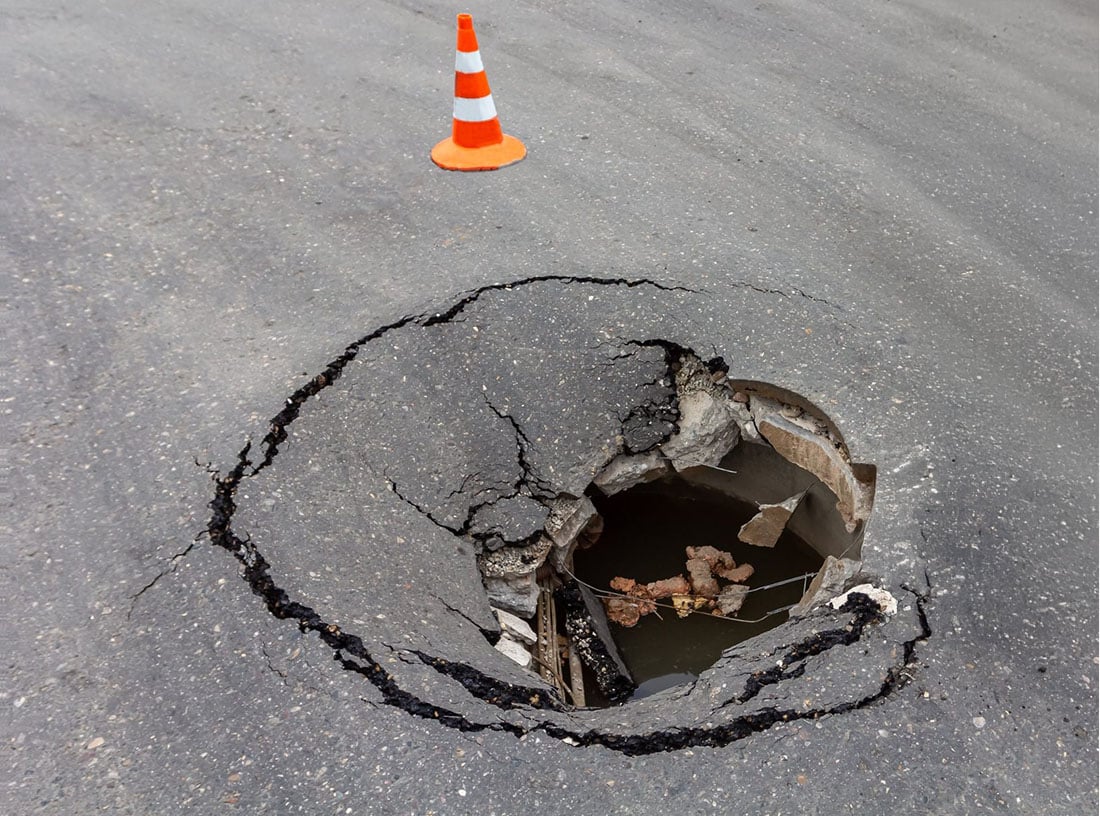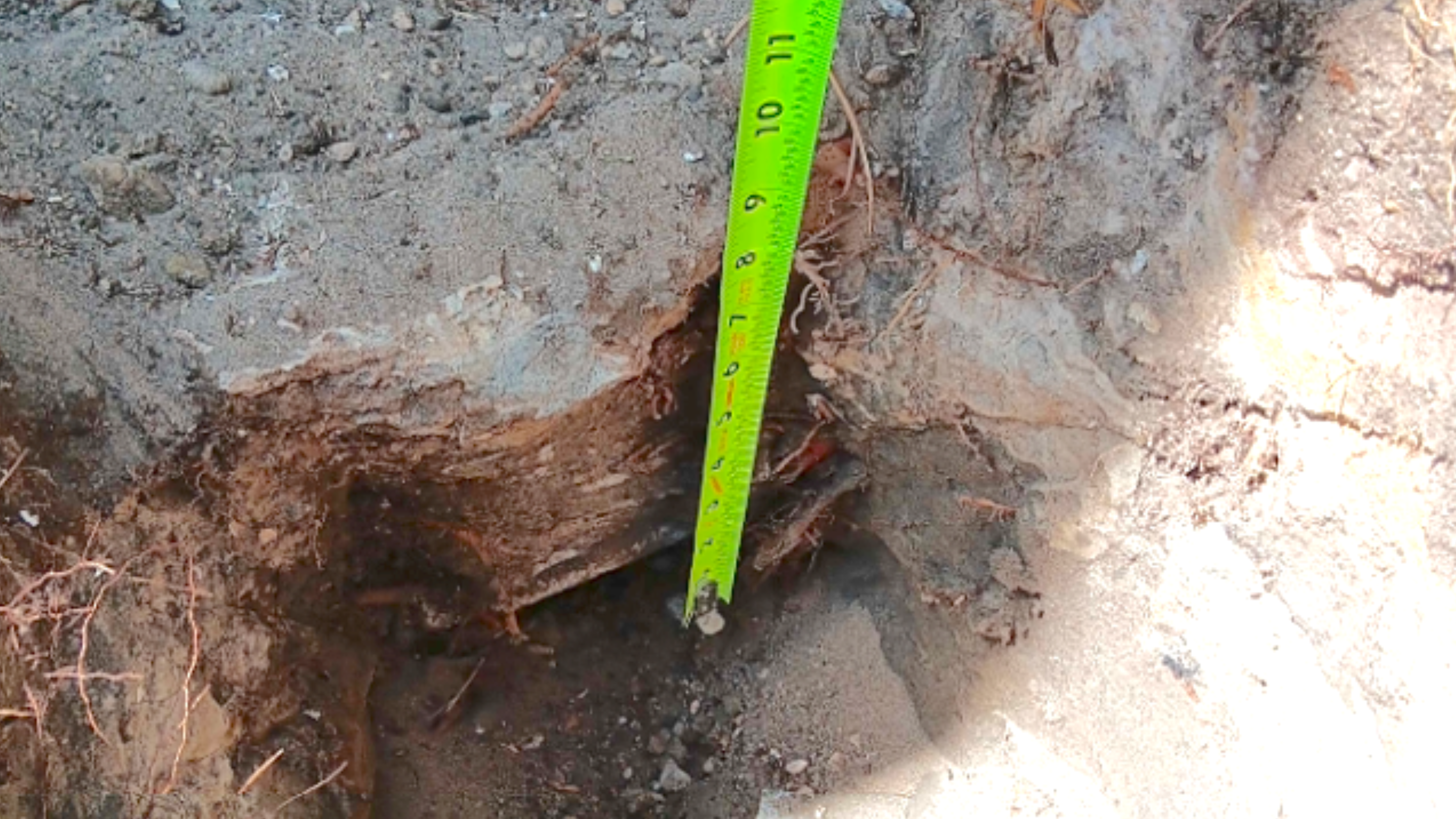
Cracks in a seawall are more than a cosmetic issue. Even small openings can let water pass through, washing out soil and weakening the structure. Over time, this damage can put your waterfront property at risk and drive up repair costs.
At Helicon, we see how quickly minor seawall cracks can become serious structural problems when ignored. Florida’s coastal conditions add constant pressure, making early detection and proper seawall crack repair especially important for long-term stability.
This guide explains how to spot seawall cracks early, understand their causes, and choose the right repair method. You will also learn when a simple fix may work and when professional help is the safer option.
Identifying Seawall Cracks
Finding cracks early helps you avoid expensive repairs and keeps your waterfront property safer. You need to know what warning signs to look for, which types of cracks matter most, and how to judge if a crack needs immediate attention.
Common Warning Signs
You can spot several clear signs that your seawall has cracks or damage.
- Look for visible lines running through the concrete, whether they’re thin or wide.
- Water seeping through the wall or pooling near the base signals that cracks are letting water pass through.
- Check for rust stains or white chalky deposits on the surface.
- These show that water is getting into the concrete and causing corrosion.
- You might also notice soil washing out from behind the wall or sinkholes forming in your yard.
Watch for changes in how your seawall looks over time. If the wall starts leaning or bulging, cracks are likely to make it unstable. Loose pieces of concrete or chunks breaking off mean the damage is getting worse.
Types Of Cracks
Hairline cracks are thin surface-level splits in the concrete. They might seem small, but they let saltwater in and can cause rust problems over time.
Vertical and diagonal cracks often show up when concrete slabs settle or shift. These usually run up and down or at angles across the wall.
Horizontal cracks are more serious. They often mean the wall is under pressure from water or soil pushing against it.
Wide or growing cracks need your attention right away. Any crack wider than a quarter inch or one that keeps getting bigger signals structural problems.
Assessing Severity
Start by measuring how wide each crack is. Use a ruler or coin to gauge the width:
- Cracks less than a quarter inch wide are usually minor, while anything larger needs professional help.
- Check if the crack goes all the way through the wall or just stays on the surface.
- Push gently on the concrete around the crack to see if it moves or feels loose.
Look at where the crack is located. Cracks near the base of the wall or in areas that hold a lot of weight are more concerning than surface cracks at the top. Count how many cracks you see because multiple cracks often mean bigger structural issues.
Take photos and write down when you first noticed each crack. This helps you track if they’re growing over time.
Causes Of Seawall Cracking
Seawalls crack for several reasons, from the natural forces they face every day to the materials used in their construction. Understanding what causes these cracks helps you spot problems early and take action before small issues turn into bigger repairs.
Environmental Factors
Water pressure is one of the biggest threats to your seawall. When the tide goes in and out, it creates constant pushing and pulling forces against the structure. This is called hydrostatic pressure, and it never stops working on your seawall.
Saltwater makes things worse. The salt speeds up damage to both the concrete and any metal parts inside your seawall. Over time, this creates weak spots where cracks can form.
Temperature changes also play a role. When concrete heats up during the day and cools down at night, it expands and contracts. This constant movement creates stress that can lead to cracks over time.
Freezing temperatures in colder areas make this even worse, as water that gets into small gaps can freeze and expand. Waves and storms hit your seawall with powerful forces. Each wave impact adds stress to the structure, and bigger storms can cause serious damage in a short time.
Structural Stress
Settlement happens when the ground under or behind your seawall shifts or sinks. This creates uneven support, which leads to diagonal or vertical cracks in the concrete.
The weight of soil behind your seawall pushes against it constantly. If too much soil builds up or gets waterlogged, the extra pressure can crack the structure.
Poor construction or design can set your seawall up for problems from the start. If the concrete wasn’t mixed right, poured correctly, or given enough time to cure, it will be more likely to crack.
Material Degradation
Concrete naturally shrinks as it cures and dries. These shrinkage cracks often show up in new seawalls and are a normal part of the curing process.
While they might not seem serious at first, they can let water in and grow over time. Corrosion attacks metal reinforcement bars inside your concrete. When salt water reaches these bars, they rust and expand.
This expansion pushes the concrete apart from the inside, creating cracks and causing chunks of concrete to break off. The concrete itself breaks down over the years of exposure to salt water and weather. The surface becomes porous and weak, making it easier for cracks to form and spread.
Seawall Crack Repair Methods
Several proven methods can fix cracks in your seawall, from specialized injection techniques to traditional concrete patches and structural reinforcements. The right approach depends on the crack size, location, and severity of damage.
Epoxy And Polyurethane Injection
Injection methods work well for cracks that go deep into your seawall structure. A professional drills small holes near the damaged areas and pumps epoxy or polyurethane material under pressure to fill the cracks completely.
Polyurethane injections are popular because the material reacts with water to expand and create a solid, watertight seal. This method stops leaks and prevents soil erosion behind your seawall. The material fills even tiny cracks you can’t see from the surface.
Epoxy injections provide extra strength for structural repairs. The high-strength formula bonds to concrete and restores the wall’s original stability. Your contractor might use this method on larger cracks or areas where the seawall cap has damage.
Both injection types target the root cause of failure instead of just covering surface problems. The repair material lasts for many years and costs less than replacing entire wall sections.
Concrete Patching Techniques
Small surface cracks often need simple patching with concrete repair materials. You’ll need to clean the crack first with a wire brush to remove loose pieces, salt, and any growth on the surface.
After cleaning, you can fill the crack with a concrete mix or hydraulic cement. Press the material firmly into the crack to avoid air pockets. Make sure the patch sits level with the surrounding wall surface.
This method works best for minor damage that hasn’t compromised the wall’s structure. The patch creates a barrier against water and protects the crack from getting bigger.
Installing Reinforcements
Some cracks need extra support beyond filling and sealing. Reinforcements add strength to weak spots and prevent future damage in stressed areas.
Your contractor might install steel rods or mesh within the concrete to hold cracked sections together. These supports distribute weight and pressure more evenly across the wall. Reinforced patches handle wave impact and soil pressure better than basic repairs alone.
Preventing Future Seawall Cracks
Regular maintenance and protective measures can stop cracks before they start. Good drainage and quality coatings work together to keep your seawall strong for years.
Routine Inspection Tips
You should check your seawall at least twice a year, ideally in spring and fall. Look closely at the concrete surface for small cracks, chips, or areas where the material looks different from the rest of the wall.
Pay attention to diagonal and vertical cracks, which often show up as the concrete settles. These are common but need monitoring to make sure they don’t get worse.
Check the areas where water hits the wall most often. These spots wear down faster and need extra attention.
Use a wire brush to gently clean sections that have marine growth or salt buildup so you can see the real condition underneath. Write down what you find during each inspection.
Take photos of any problem areas so you can track changes over time. This record helps you catch small issues before they become expensive repairs.
Proper Drainage Solutions
Water trapped behind your seawall creates pressure that leads to cracks and damage. Installing weep holes allows water to drain through the wall instead of building up behind it.
Space weep holes about 5 to 10 feet apart along the wall. They should sit just above the water line to work properly. Keep these holes clear of debris and marine growth so water can flow freely.
Consider adding a drainage system behind the wall if you don’t have one. This includes gravel or crushed stone that lets water move away from the structure. The drainage layer should be at least 12 inches thick.
Make sure the soil behind your seawall slopes away from the wall when possible. This helps redirect rainwater and reduces the amount of water your drainage system needs to handle.
Protective Coatings
Marine-grade sealants protect concrete from saltwater, which breaks down the material over time. Apply a quality sealer every 3 to 5 years, depending on your local conditions and the product you use.
Clean the seawall thoroughly before applying any coating. Remove salt deposits, algae, and loose concrete so the sealer bonds properly to the surface.
Waterproofing membranes create a barrier between your seawall and harsh coastal elements. These products are specifically designed to handle constant moisture and temperature changes.
They stop water from seeping into small cracks where it can freeze and expand. Reapply protective coatings after any repair work. Fresh concrete needs sealing once it fully cures to match the protection level of the rest of your wall.
Hiring Professional Seawall Contractors
Finding the right contractor for your seawall crack repair requires attention to their qualifications, pricing structure, and proven track record. These factors help ensure your repairs last and protect your property from water damage.
Choosing Qualified Specialists
You need to verify that contractors hold proper licenses for seawall work in your state. Licensed professionals understand local building codes and waterfront regulations that affect your repair project.
Look for contractors with specific experience in seawall crack repair, not just general construction. Marine engineering knowledge matters because seawalls face unique challenges from water pressure, soil erosion, and weather conditions.
Ask how many seawall projects they complete each year. Check if the contractor uses proven repair systems designed for coastal environments.
Some specialists train in advanced methods like polyurethane foam injection or specialized sealants that work better than standard concrete repair. These materials need to withstand constant water exposure and movement.
Request proof of insurance that covers both liability and workers’ compensation. Water-related construction carries higher risks than typical projects.
Cost Considerations
Seawall crack repair costs vary based on crack severity, seawall material, and access difficulty. Get at least three written estimates that break down material and labor costs separately.
Be cautious of extremely low bids. Cheap repairs often use inferior materials that fail quickly, leading to more expensive problems later.
Quality sealants and foams designed for marine environments cost more but provide better long-term protection. Ask about warranty coverage on both materials and workmanship.
Standard warranties typically range from 1 to 5 years, depending on the repair method used. Payment schedules should align with project milestones rather than requiring large upfront deposits. Many reputable contractors ask for 10-30% down with the balance due upon completion.
Verifying Past Projects
Request references from at least three recent seawall repair projects similar to yours. Contact these property owners to ask about work quality, timeline adherence, and any issues that arose.
Ask to see photos of completed repairs, ideally including before-and-after shots. If possible, visit one or two finished projects in person to inspect the work quality.
Look for smooth finishes, proper sealing, and signs of durability. Check online reviews on multiple platforms, but focus on detailed reviews that describe specific experiences.
A few negative reviews among many positive ones are normal, but watch for patterns of complaints about the same issues. Verify how long the company has operated in your area. Established contractors are easier to contact if problems develop after your repair is complete.
Protect Your Seawall Before Damage Spreads
Seawall cracks rarely stay small. Once water starts moving through the wall, soil loss and structural stress often follow. Addressing cracks early helps prevent leaning walls, costly repairs, and damage to nearby property features.
Helicon specializes in identifying the real causes behind seawall cracking and applying repair methods that stabilize both the wall and the soil behind it. A proper repair does more than seal the surface. It helps protect the long-term integrity of your waterfront structure.
If you have noticed cracks, leaks, or soil loss near your seawall, now is the time to act. Schedule a professional inspection and take the next step toward lasting seawall crack repair and peace of mind.
Frequently Asked Questions
What Causes Cracks In A Seawall?
Seawall cracks often form due to water pressure, soil movement, and long-term exposure to saltwater. Tides, waves, and poor drainage increase stress on the wall. Over time, these forces can weaken concrete and lead to cracking.
Are Small Seawall Cracks A Serious Problem?
Even small cracks can become serious if left untreated. Water entering through cracks can wash out soil behind the wall. This hidden erosion often leads to larger cracks, leaning sections, or structural failure.
How Do I Know If A Seawall Crack Needs Professional Repair?
Cracks wider than a quarter inch, cracks that keep growing, or signs of soil loss usually require professional attention. Leaking water, bulging walls, or loose concrete are also warning signs. These issues suggest deeper problems beyond surface damage.
What Is The Most Effective Seawall Crack Repair Method?
Injection methods using polyurethane or epoxy are commonly used for effective seawall crack repair. These materials seal the crack and help stabilize the soil behind the wall. The right method depends on crack size, location, and underlying cause.
Can Seawall Cracks Be Repaired Without Replacing The Wall?
In many cases, yes. Early-stage cracks can often be repaired without full replacement. Addressing the issue before major soil loss or structural movement occurs can extend the life of the existing seawall.
How Long Does Seawall Crack Repair Typically Last?
When properly completed, seawall crack repairs can last many years. Longevity depends on repair materials, installation quality, and ongoing maintenance. Regular inspections help ensure repairs continue to perform as intended.
How Can I Prevent New Cracks From Forming?
Routine inspections, proper drainage, and protective coatings help reduce the risk of new cracks. Keeping weep holes clear and sealing concrete surfaces can limit water intrusion and pressure buildup behind the wall.
When Is The Best Time To Repair Seawall Cracks?
The best time to repair seawall cracks is as soon as they are discovered. Early repairs are usually less invasive and more cost-effective. Waiting often allows damage to spread and become more difficult to fix.
What Causes Cracks In A Seawall?
Seawall cracks often form due to water pressure, soil movement, and long-term exposure to saltwater. Tides, waves, and poor drainage increase stress on the wall. Over time, these forces can weaken concrete and lead to cracking.
Are Small Seawall Cracks A Serious Problem?
Even small cracks can become serious if left untreated. Water entering through cracks can wash out soil behind the wall. This hidden erosion often leads to larger cracks, leaning sections, or structural failure.
How Do I Know If A Seawall Crack Needs Professional Repair?
Cracks wider than a quarter inch, cracks that keep growing, or signs of soil loss usually require professional attention. Leaking water, bulging walls, or loose concrete are also warning signs. These issues suggest deeper problems beyond surface damage.
What Is The Most Effective Seawall Crack Repair Method?
Injection methods using polyurethane or epoxy are commonly used for effective seawall crack repair. These materials seal the crack and help stabilize the soil behind the wall. The right method depends on crack size, location, and underlying cause.
Can Seawall Cracks Be Repaired Without Replacing The Wall?
In many cases, yes. Early-stage cracks can often be repaired without full replacement. Addressing the issue before major soil loss or structural movement occurs can extend the life of the existing seawall.
How Long Does Seawall Crack Repair Typically Last?
When properly completed, seawall crack repairs can last many years. Longevity depends on repair materials, installation quality, and ongoing maintenance. Regular inspections help ensure repairs continue to perform as intended.
How Can I Prevent New Cracks From Forming?
Routine inspections, proper drainage, and protective coatings help reduce the risk of new cracks. Keeping weep holes clear and sealing concrete surfaces can limit water intrusion and pressure buildup behind the wall.
When Is The Best Time To Repair Seawall Cracks?
The best time to repair seawall cracks is as soon as they are discovered. Early repairs are usually less invasive and more cost-effective. Waiting often allows damage to spread and become more difficult to fix.