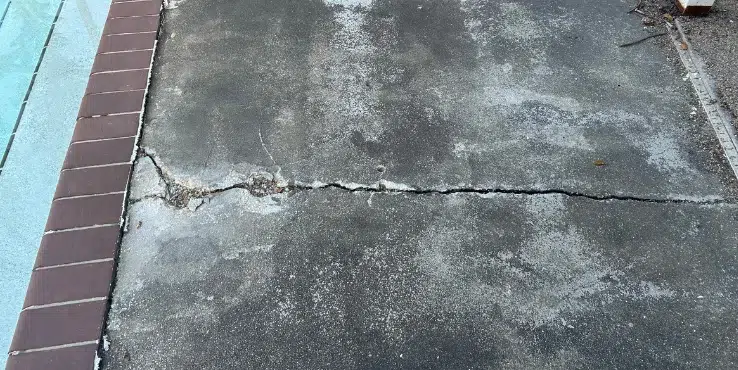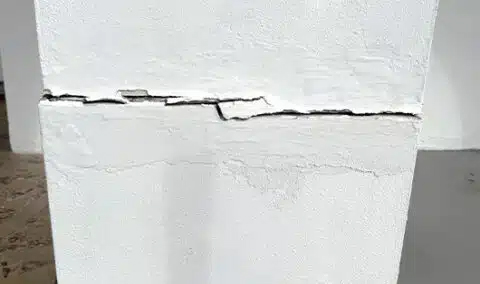
Uneven or sunken concrete can create trip hazards, drainage problems, and costly repairs if left alone. Homeowners often notice sloped driveways, cracked sidewalks, or patios that no longer sit level. A common question follows quickly: how long does concrete lifting last, and is it worth doing?
At Helicon, we see this concern every day from property owners who want a durable fix without replacing entire slabs. Concrete lifting offers a faster, less disruptive solution, but longevity depends on the method used and the conditions below the surface.
This guide explains how long concrete lifting typically lasts, what affects its lifespan, and how to get the most value from the repair. You’ll learn how different methods compare, when re-treatment may be needed, and how to extend results over time.
Expected Lifespan of Concrete Lifting
How long your concrete stays level mostly comes down to the repair method and the conditions at your place. Mudjacking usually lasts 1 to 10 years, while polyurethane foam lifting can give you 10 to 20 years or more.
Average Duration of Results
Mudjacking involves pumping a cement-based mix under your concrete. Usually, you get 1 to 5 years out of it, though in some lucky cases, maybe 5 to 10 if everything goes right. The heavy material tends to break down when water gets involved.
Polyurethane foam lifting is a sturdier option. Most folks see 10 to 15 years at minimum, and sometimes repairs last 20 to 50 years, sometimes even as long as the slab itself. The foam is light, shrugs off moisture, and doesn’t erode like cement.
Soil conditions matter a lot, though. Unstable ground can mess up any method, no matter how good the material.
Comparison With Traditional Concrete Replacement
A brand-new concrete slab should last 30 to 50 years, sometimes even longer if it’s done right. Polyurethane foam lifting can sometimes match that, believe it or not, and it costs a lot less, about 50-70% less than a full replacement.
Mudjacking doesn’t last as long as new concrete, so you might be looking at another repair in just a few years. Still, it’s a lot cheaper up front than tearing everything out and starting over.
Replacement drags on for days or weeks while you wait for the concrete to cure. Concrete lifting? You’re back in business in hours. That’s a huge plus.
How Weather Influences Longevity
Freeze-thaw cycles are rough on mudjacking repairs. Water seeps in, freezes, expands, and just wrecks the material over time.
Heavy rain and bad drainage will wash away mudjacking mix, especially if you live somewhere with lots of flooding or standing water.
Polyurethane foam handles weather swings better. It repels water and doesn’t soak it up. The foam stays stable through hot and cold, and storms don’t faze it.
Extreme heat isn’t much of a problem for either method, but cold climates make mudjacking a trickier bet.
Factors That Influence How Long Concrete Lifting Lasts
The lifespan of your concrete lifting repair comes down to the materials, the ground underneath, and the condition of the concrete itself.
Quality of Lift Material
The stuff used to lift your concrete makes a huge difference. Polyurethane foam is lightweight, doesn’t soak up water, and usually lasts 10 to 20 years or more. It doesn’t add extra weight, so your slab is less likely to sink again.
Mudjacking uses a heavier, cement-based mix that can absorb moisture. This method is more likely to settle or break down if water gets into the soil.
Foam vs. Slurry Comparison:
- Polyurethane foam: Lightweight, waterproof, lasts 10-20+ years
- Mudjacking slurry: Heavier, soaks up water, lasts 1-5 years
A good contractor using proper techniques and quality products makes all the difference. If they cut corners, even the best materials won’t save your repair.
Soil Conditions and Stability
The ground under your concrete is a big deal. Clay soil expands when wet, shrinks when dry, and can shift your slab around after lifting. Sandy or loose soil might not support your slab for long.
If your soil is iffy, your contractor might need to stabilize it before lifting. This extra step can help prevent future settling. Water drainage matters too. If water sits under your concrete, it can wash away soil or cause it swell up. Good drainage keeps things stable and your slab level.
Underlying Concrete Damage
The shape your concrete is in before lifting affects how long the fix lasts. Concrete with just a few cracks and decent structure holds up better than stuff that’s already crumbling.
If your slab is full of deep cracks or falling apart, lifting is probably just a band-aid. Weak concrete keeps breaking down even after you level it.
Older, thinner slabs are more likely to crack or break after lifting. Contractors should always check the slab’s condition before recommending lifting. Sometimes, replacement just makes more sense.
Types of Concrete Lifting Methods
There are two main ways to lift settled concrete slabs: polyurethane foam injection and mudjacking (plus a variation called cement slurry grouting).
Polyurethane Foam Injection
This method involves pumping expanding polyurethane foam through small holes drilled in the slab. The foam is super light, about 2-4 pounds per cubic foot, so it doesn’t add stress to weak soil.
The foam expands in seconds and is ready for action in about 15 minutes. You can use your driveway or sidewalk right after.
Because it’s waterproof, the foam doesn’t wash away in heavy rain. It fills gaps completely and creates a stable base that usually lasts longer than other options.
The holes for foam injection are tiny, about 5/8 inch across. They’re way less noticeable than the big holes needed for mudjacking.
Mudjacking
Mudjacking pumps a mix of water, soil, sand, and cement under your slab. The stuff is heavy, think 100-120 pounds per cubic foot.
Workers drill 1-2 inch holes in your concrete and pump the mix under pressure until the slab lifts. You have to wait 24-48 hours before you can use the area.
The mix can shift or settle again if the soil moves or water washes it away. It’s not as durable, especially in places with tricky soil or drainage.
Cement Slurry Grouting
This method uses a thinner cement-based mix without the soil in traditional mudjacking. The slurry flows into small cracks and gaps under your slab.
It’s stronger than standard mudjacking but still a lot heavier than foam. Usually, you can use your concrete again within 24 hours.
The holes are about 1 inch wide, somewhere between mudjacking and foam injection. This works well for smaller jobs but doesn’t hold up as well in places with bad drainage or shifting ground.
Signs That Concrete Lifting May Need a Re-Treatment
Even a good concrete lifting job can show wear eventually. If you spot cracks wider than half an inch or your slab starts sinking again, it’s time to pay attention.
Recurring Cracks or Uneven Surfaces
New cracks in previously lifted concrete usually mean something’s up. Cracks wider than half an inch or spreading over multiple sections are red flags.
What to watch for:
- Widening gaps between slabs
- Spiderweb cracks spreading out
- Lips or edges where one slab is higher than another
- Rough patches around repaired spots
These problems often pop up when the soil underneath keeps shifting or eroding. Water damage can weaken the support under your slab. If you catch these early, you might fix them before they get out of hand.
Sinking or Settling After Lifting
Your concrete should stay level after lifting, but sometimes it starts to settle again. This is especially true in the first year if the ground wasn’t prepped right.
You might notice water pooling in spots that used to be level. That’s a clear sign of sinking. If doors or gates suddenly scrape, that’s another clue.
Keep an eye out for changes in slope or angle compared to right after the repair. Even a small shift can create trip hazardsor drainage issues. The soil might be compacting or washing away under there, taking support with it.
Tips to Extend the Lifespan of Lifted Concrete
A bit of care goes a long way toward keeping your lifted concrete solid for years. Regular cleaning and water control are key.
Proper Maintenance and Cleaning
Check your lifted concrete every few months for cracks or settling. Catching problems early is always cheaper.
Sweep off dirt and leaves so moisture doesn’t get trapped. Use a hose or gentle pressure washer for stubborn stains, but keep the pressure under 3000 PSI so you don’t mess up the surface.
Fill any cracks you spot with concrete caulk or sealant; don’t wait. Even tiny cracks let water sneak under and cause trouble. This is especially true if you had foam lifting done. Skip harsh chemicals or de-icing salts in winter. They eat away at concrete. Sand or kitty litter works just fine for traction on ice.
Waterproofing and Drainage Solutions
Water is enemy number one for lifted concrete. It erodes the soil and lifting material underneath. Apply a good concrete sealer every couple of years to keep moisture out.
Make sure water drains away from your slab instead of pooling. Check that gutters and downspouts send water at least 6 feet from the area. Channel drains or French drains can help if water keeps collecting near your concrete.
Fix low spots in the yard so water doesn’t flow toward your slab. Grade the soil away from the concrete, about an inch per foot for the first 6 feet, is a good rule. Trim back plants around the edges. Roots can sneak under and mess with the support, especially tree roots.
Is Concrete Lifting A Long-Term Solution?
Concrete lifting can be a reliable fix for uneven slabs, but how long it lasts depends on the method, soil stability, and water control. Foam lifting typically delivers longer-lasting results than mudjacking, especially when drainage issues are addressed early.
If your concrete is sinking again, cracking, or creating trip hazards, those are signs the underlying problem needs attention, not just a surface fix. Choosing the right approach upfront helps avoid repeat repairs and ongoing frustration.
Helicon helps homeowners evaluate slab conditions, soil factors, and lifting options so repairs last as long as possible. Schedule an inspection or request a quote to get clear answers and a practical plan for safer, more level concrete.
Frequently Asked Questions
How long does concrete lifting last on average?
In most cases, concrete lifting lasts 5 to 15 years, depending on the method used. Polyurethane foam lifting often lasts longer than mudjacking because it is lightweight and resistant to moisture. Soil conditions and drainage play a major role in long-term performance.
Is polyurethane foam lifting more durable than mudjacking?
Yes, polyurethane foam lifting is generally more durable. The foam does not absorb water, adds minimal weight to the soil, and resists erosion. Mudjacking uses a heavier, cement-based slurry that can break down or settle over time.
Can concrete sink again after lifting?
Concrete can settle again if the underlying soil continues to move or erode. Poor drainage, expansive clay soils, or unresolved voids beneath the slab can shorten the lifespan of any lifting repair. Proper preparation helps reduce this risk.
How soon can I use my concrete after lifting?
With polyurethane foam lifting, most surfaces are ready for use within 15 to 30 minutes. Mudjacking and cement slurry methods usually require 24 to 48 hours before the area can handle regular use.
Is concrete lifting better than replacing the slab?
Concrete lifting is often a better option when the slab is structurally sound. It costs less, takes less time, and avoids major disruption to landscaping. Replacement may be necessary if the concrete is severely cracked or deteriorated.
Does the weather affect how long concrete lifting lasts?
Yes, the weather can affect longevity. Excess moisture, flooding, and freeze-thaw cycles are especially hard on mudjacking repairs. Polyurethane foam performs better in wet conditions because it repels water and remains stable through temperature changes.
What maintenance helps concrete lifting last longer?
Good drainage is the most important factor. Keep water flowing away from the slab, seal cracks promptly, and apply a concrete sealer every few years. Regular inspections help catch small issues before they lead to new settling.
Is concrete lifting a permanent solution?
Concrete lifting is a long-term solution, but not always permanent. When soil conditions are stable and water is managed properly, repairs can last decades. In areas with ongoing soil movement, periodic adjustments may still be needed.