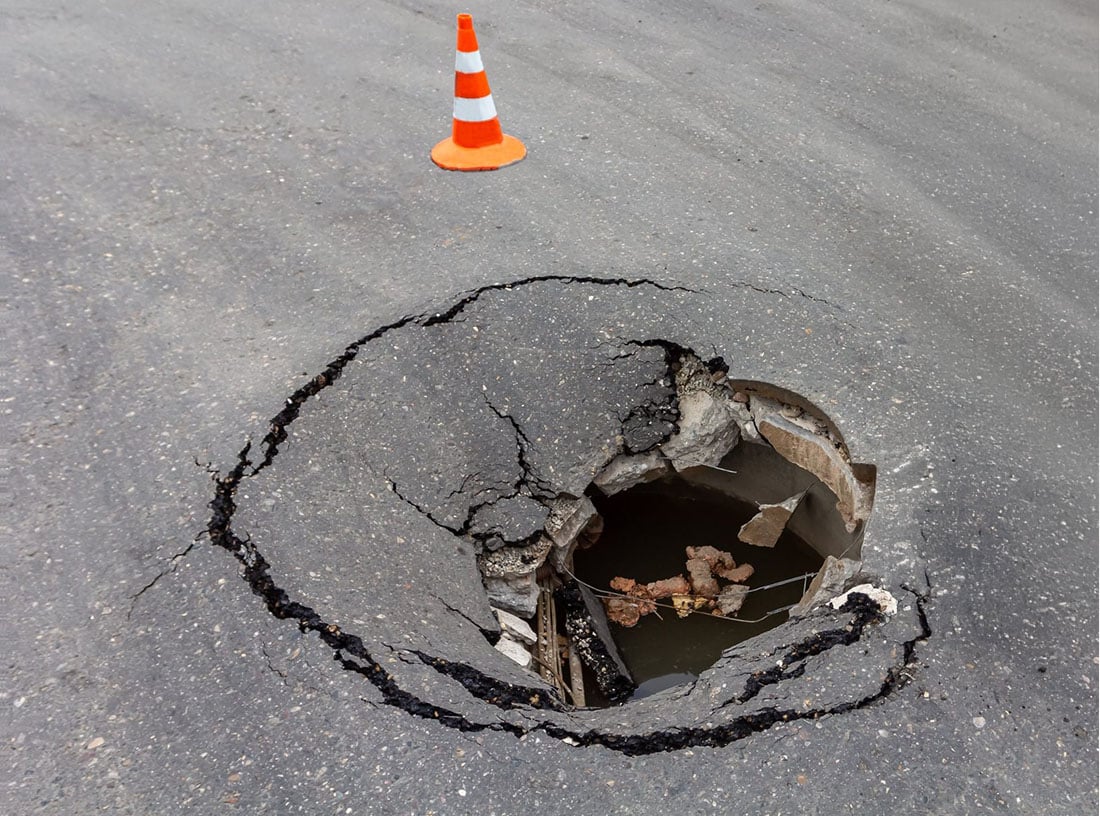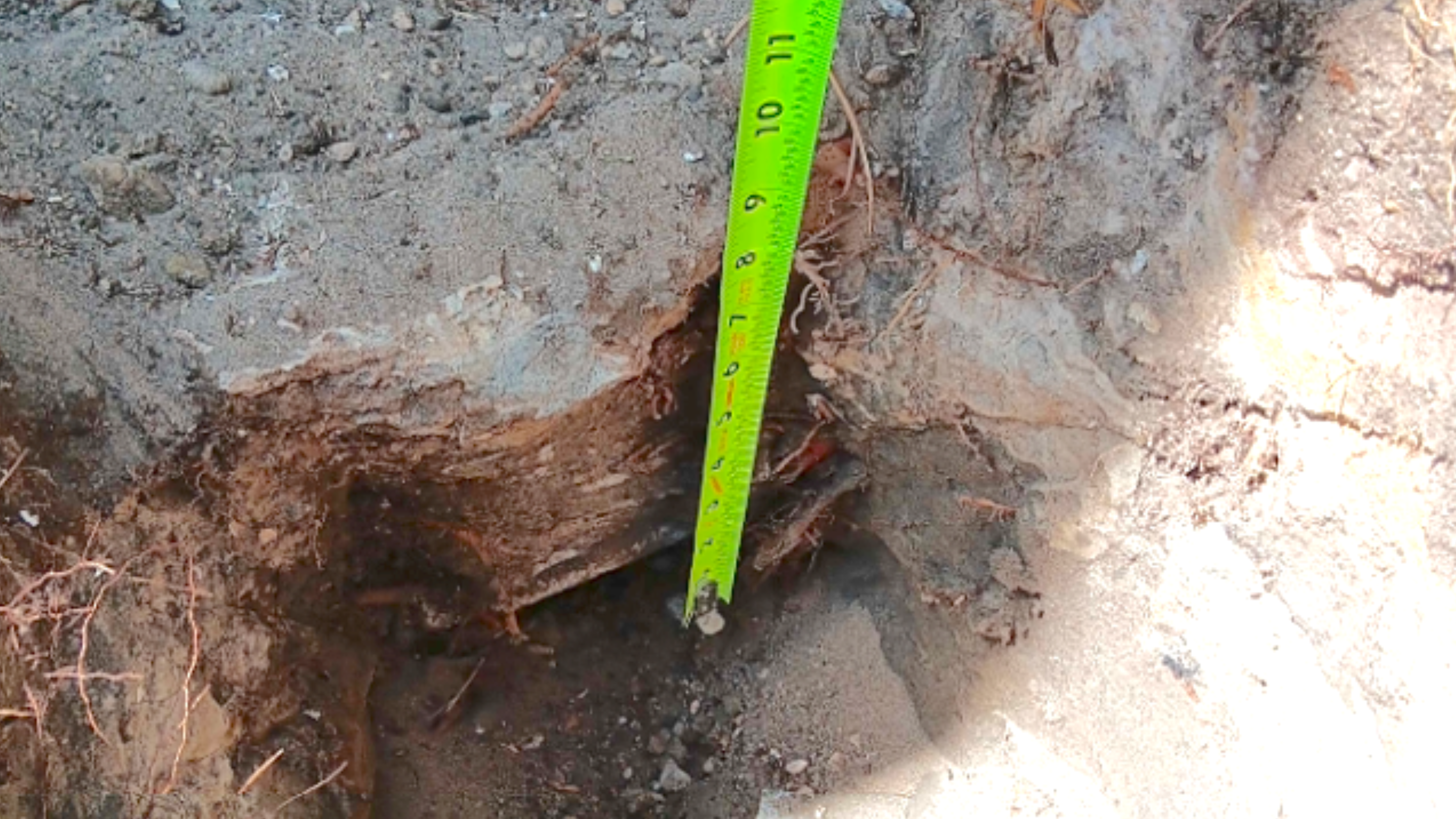
Seawall repair becomes urgent when cracks, erosion, or sinking sections start putting your shoreline at risk. Water pressure and soil loss can quietly weaken a seawall, leading to costly damage if problems go unchecked. Catching these issues early helps protect your property and avoid bigger repairs later.
At Helicon, we see how frustrating it is for homeowners to notice warning signs and not know what they mean. Unstable seawalls can threaten docks, pools, and nearby structures, creating stress and uncertainty. The right repair approach restores stability without unnecessary disruption.
This guide breaks down how seawall repair works, the signs you should never ignore, and the methods that actually last. You’ll learn what causes seawall failure, how repairs are handled, and when professional help makes the most sense.
What Is Seawall Repair?
Seawall repair means fixing cracks, erosion, or damage to the structures built along shorelines to keep your property safe. It keeps the wall strong and stops further trouble from water and weather. It’s worth knowing the types of seawalls, the red flags of damage, and what tends to cause these issues in the first place.
Types of Seawalls
Seawalls come in a few main types, depending on what they’re made of and how they’re built.
- Concrete Seawalls: Made from poured concrete, these are super tough but can still crack over time.
- Timber Seawalls: Built from wood, they’re more affordable but can rot thanks to all that moisture.
- Sheet Pile Seawalls: These use steel or vinyl sheets driven deep into the ground—quick to install and pretty good against water.
- Rock or Riprap Seawalls: Big rocks stacked along the shore to soak up wave energy and slow down erosion.
Each type needs its own approach when it comes to repairs. Timber walls often need rotten boards swapped out, while concrete walls usually need cracks patched or sealed.
Common Signs of Damage
Spotting damage early can save you from much bigger headaches later.
- Cracks or Gaps: These let water sneak behind the wall and eat away at the soil.
- Leaning or Tilting: The wall’s foundation or supports might be giving up.
- Erosion Behind the Wall: If you see soil vanishing, the wall isn’t doing its job.
- Rotting Wood: Soft spots or decay in timber mean trouble.
- Rust or Corrosion: Metal pieces, especially in sheet piles, can weaken as they rust.
If you catch any of these, it’s time for an inspection—and probably some repairs—to keep your property safe.
Causes of Seawall Failure
Lots of things can cause a seawall to fail, especially if you don’t tackle problems quickly.
- Water Erosion: Waves constantly steal soil or wear down the wall’s surface.
- Weather Conditions: Storms, hurricanes, and heavy rain can do a number on seawalls.
- Material Wear: Wood rots, concrete cracks, and metal rusts if you don’t stay on top of maintenance.
- Soil Movement: Shifting ground underneath can throw everything off balance.
- Improper Installation: If someone cut corners on design or permits, the wall might not last.
Seawall Repair Methods
Seawall repair is all about restoring strength and stopping future damage to keep your property safe. The most common repair methods focus on fixing cracks, reinforcing weak spots, and swapping out parts that have seen better days. The method you use really depends on your seawall’s material and how bad the damage is.
Concrete Seawall Restoration
Concrete seawalls get cracks and wear down after years of fighting water pressure and erosion. Restoration usually means pressure grouting; injecting epoxy or polyurethane resin into cracks to seal them up and give the wall some extra muscle.
This keeps water from sneaking in and making things worse under the surface. Sometimes, you’ll need to patch worn spots with marine-grade concrete to bring the wall back to its original strength and shape.
Vinyl Seawall Panel Replacement
Vinyl seawalls use modular panels, but those panels can wear out or break—especially if the soil behind them erodes. Swapping out damaged vinyl panels is a straightforward way to keep things watertight and stop soil from washing away.
The job involves pulling out the bad panels and putting in new ones, making sure there’s solid soil backfill for support. It’s a lot less of a hassle than rebuilding the whole seawall, and it keeps disruption to a minimum.
Steel Seawall Reinforcement
Steel seawalls are tough but can bend or rust over time. Reinforcing them might mean adding steel plates or braces to weak sections, or driving in new piles right next to the old ones. Protective coatings can help steel hold up against salty water.
Reinforcement, along with rust-preventing treatments, keeps steel seawalls in shape and ready for the next storm.
Inspection and Assessment
Checking your seawall regularly is key if you want it to stay safe and strong. Spotting weaknesses early saves you from bigger, more expensive problems down the line.
Professional Seawall Evaluation
Getting a pro to evaluate your seawall usually means a detailed inspection by licensed experts. These folks look at the structure, stability, and the materials used. They use visual checks, material tests, and sometimes even hydraulic or seismic tools to spot hidden or obvious issues.
A thorough report tells you if you need repairs or reinforcements, so you can plan ahead and avoid nasty surprises.
Identifying Structural Issues
During inspections, certain warning signs point to bigger problems. Cracks, bulges, or leaning sections often mean the wall is getting weak or the materials are failing. Erosion at the base or gaps that let water through can lead to more damage.
Rusty metal supports, missing seals, or collapsed spots are also red flags. Finding these issues early lets you fix things before the wall fails completely.
Choosing the Right Materials
Picking seawall materials is a balancing act: strength, durability, and environmental impact all matter. What works best depends on your location, the kind of abuse your seawall faces, and how long you want it to last.
Environmentally Friendly Solutions
When you’re fixing up your seawall, it’s smart to go for materials that won’t wreck the local habitat. Some natural materials break down more slowly and don’t pollute as much. Composite wood or treated lumber can cut down on harmful chemicals compared to metal or plastic.
Marine-grade sealants and grout help keep toxins out of the water, and the right backfill helps control erosion without trashing plant life.
Material Longevity and Durability
Durability is huge, especially with saltwater, storms, and constant moisture in the mix. Concrete stands up for decades if you keep an eye on it, but it can still crack. Vinyl panels don’t rust and need little maintenance, so they’re a budget-friendly pick.
Metal seawalls, like steel or aluminum, are strong but usually need replacing after about 25 years because of rust. Wood is classic but needs treatment, or it’ll rot or fall apart faster. When choosing, you’ve got to weigh how long the material will last against how much work you want to put into upkeep.
Seawall Repair Process
Repairing a seawall isn’t just one step. First, you’ll need to get things ready and sort out the permits. Then, specialized repair methods tackle cracks and shore up soil—no need to rip out the whole wall. Afterward, ongoing maintenance keeps your seawall fighting erosion and everyday wear.
Preparation and Permitting
Before you start, inspect your seawall closely to spot cracks, leaks, or unstable soil. Local rules usually mean you’ll need permits, so check with the building authority before doing anything major. Environmental rules might also affect when and how you can do repairs.
Clearing debris and making sure there’s easy access to the shoreline will make the process smoother.
On-Site Repair Steps
Most repairs begin with sealing cracks and filling empty spots behind the wall to block water and stop soil from washing away. Polyurethane foam injection is a quick, low-mess way to stabilize soil and lift any sagging parts.
If you’ve got wood or concrete, you might need to reinforce or swap out damaged sections. Soil stabilization is often part of the process, shoring up the wall’s foundation so it doesn’t shift.
Aftercare and Maintenance Tips
Once the repairs are done, regular checkups are a must. Take a good look at your seawall at least twice a year and always after big storms. Cleaning off algae, debris, and muck helps you spot trouble before it gets worse.
Seal up small cracks fast to keep water from sneaking in. Don’t plant big trees nearby—their roots can mess with the wall’s stability. And keep the drainage around your property in good shape to take pressure off the wall. Stay on top of maintenance, and your seawall will last a lot longer.
Cost of Seawall Repair
Wondering what seawall repair costs? The price depends on the damage, your materials, and the layout of your property. If you know the main cost drivers and plan ahead, you’ll have a much easier time budgeting for the work.
What Really Impacts Seawall Repair Costs?
Plenty of things can shift the price of fixing your seawall. The size and length of the wall matter a lot—bigger walls mean more stuff to buy and more hands on deck, so naturally, the bill climbs. The material you pick—wood, concrete, steel, or vinyl—can also swing the cost.
Some of these are pricier upfront but stick around longer, so it’s a bit of a trade-off. How bad is the damage? That’s a big one. Small cracks or a few gaps might only set you back a few hundred bucks per foot.
If you’re staring at major structural trouble, especially if part of the wall needs swapping out, the price can shoot up into the thousands. Don’t forget about the ground conditions, how easy it is to get to the repair site, and things like docks or pools nearby. These details can make the work trickier—and more expensive.
Budgeting for Repairs: Getting Real About Numbers
When you’re planning, start with the length of your seawall and what kind of damage you’re dealing with. Most repairs land somewhere between $100 and $250 per linear foot. So, let’s say you’ve got a 50-foot wall with moderate issues. You’re probably looking at $5,000 to $12,500, give or take.
Factor in the cost of extra materials like grout and sealants—they help your wall last longer. And don’t overlook inspections or permits from local authorities. Those can sneak up on you. Bringing in pros can save you cash over time. They’ll spot things you might miss and help you avoid even pricier fixes down the line.
How to Choose a Seawall Repair Contractor (Without Regrets)
Finding the right contractor makes all the difference in how your repair holds up. You want someone who actually knows seawalls, not just general construction, and who isn’t going to make costly mistakes that come back to haunt you. Knowing what to look for—and what to ask—can help you find someone who gets your situation.
Qualities of a Contractor Worth Hiring
Check that your contractor has real experience fixing seawalls. It’s not the same as building a deck or pouring a driveway. They should know the different wall types and which repair methods actually work for each.
Make sure they’ve got the right equipment and use materials that make sense for your local environment. That stuff matters more than you’d think. Licensing and insurance? Non-negotiable.
A qualified contractor keeps up with building codes and environmental rules. Ask if they back up their work with warranties or guarantees—you want that peace of mind. Communication counts, too. You need someone who keeps you in the loop, not just shows up and disappears for weeks.
Questions You Should Actually Ask
Don’t be shy and ask about their track record. How many seawalls have they fixed around here? Can they show you references or photos of similar jobs?
Dig into their repair methods and materials. Do they use newer solutions like void filling or crack sealing? Make sure their approach matches your damage and fits the local conditions.
Talk timelines and costs right away. Will they handle permits and inspections, or is that on you? Make sure you get a written estimate and contract before anything starts.
And hey, ask how they keep the job site safe and tidy. You want a team that respects your property and doesn’t leave a mess behind.
How to Prevent Seawall Damage Before It Starts
Keeping your seawall in good shape isn’t rocket science, but it does take some regular attention. Little cracks or shifting soil can snowball into big headaches if you ignore them. Managing water around your seawall is key. It protects the structure and keeps erosion at bay.
Routine Inspections: Don’t Skip This
Try to check your seawall at least twice a year, especially before and after the rainy season. Keep an eye out for cracks, loose spots, or signs of soil erosion near the base. Leaks or water seeping through cracks are worth noting, too.
Here’s a quick checklist:
- Look for cracks or holes.
- Check for soil erosion or sand that’s moved around.
- Inspect metal parts for rust or damage.
- Watch for bulges or leaning sections.
Spotting problems early makes repairs cheaper and easier. If you’re not sure what you’re seeing, call in a pro for a detailed look.
Water Management: The Unsung Hero
Water pressure is a seawall’s worst enemy. You’ve got to manage how water flows so it doesn’t wreck your wall or wash away the soil behind it. Here are some steps to keep things under control:
- Keep drains clear and working.
- Direct rainwater away from the wall’s foundation.
- Make sure the ground slopes so water doesn’t pool near the wall.
- Maintain weep holes to let water escape from behind the wall.
These habits go a long way. They help prevent new cracks and keep your seawall—and your property—protected for years.
Seawall Repair: Navigating the Rules and Red Tape
Any time you fix a seawall, you’ll need to play by the rules. Local and state regulations protect the environment and neighboring properties, so you can’t just wing it. Permits are usually required, and you’ll have to meet safety, construction, and environmental standards. If you skip these steps, you risk delays, fines, or worse.
Understanding Local and State Laws
Your city or state probably has pretty specific rules for seawall repairs. They usually focus on preventing erosion, protecting marine life, and keeping properties safe. Some areas, especially along the coast, might require you to use certain materials or repair methods to limit water disruption.
Building codes and zoning laws could dictate your wall’s height, depth, or even its design. Florida, for example, doesn’t mess around when it comes to work near waterways.
Check in with your local building department or environmental agency to get the details for your area. Staying on top of these requirements protects your investment—and the ecosystem around you.
Permits: Yes, You Really Need Them
Before you start, get the necessary permits from local or state officials. Permits prove your project meets all the legal and environmental standards. You’ll probably need to submit plans, maybe an environmental impact study, and proof of insurance.
The process can drag out, so apply early, because sometimes approval takes weeks or even months. Permits aren’t just paperwork. They help make sure your repair doesn’t mess up coastal habitats or make erosion worse. Do it right from the start, and you’ll avoid headaches later.
What’s New in Seawall Repair? Cool Tech and Smarter Fixes
Seawall repair has come a long way. Newer techniques offer stronger, longer-lasting results with less mess and less impact on the environment. Most of these focus on filling voids, sealing cracks, and reinforcing the wall in ways that just weren’t possible a decade ago.
Cutting-Edge Repair Techniques
One of the big innovations is polyurethane foam injection. It stabilizes walls without tearing everything out—filling gaps, stopping leaks, and even lifting sections that have sunk. This method is quick, doesn’t make a huge mess, and helps prevent more erosion.
Another approach that’s catching on is polymer injection technology. It reinforces weak spots and seals cracks, helping your wall stand up to rough coastal conditions and shifting soil.
| Technique | Benefits | Application |
| Polyurethane Foam Injection | Stops leaks, stabilizes, lifts | Filling voids, lifting sections |
| Polymer Injection Technology | Reinforces, seals cracks | Strengthening weak structures |
Smart Sensors and Monitoring: The Future is Here
Smart sensors are becoming more common for keeping tabs on your seawall’s condition. They track movement, moisture, and stress inside the wall in real time, so you catch issues before they spiral.
Some systems even use intelligent foams that react to changes in pressure or moisture, helping the wall adjust to shifting conditions on the fly. That means fewer emergencies and better planning for repairs.
With these tools, you can stay ahead of problems and make more informed decisions about when and how to fix your seawall.
Protect Your Shoreline Before Damage Spreads
Seawall repair is about stopping small problems before they turn into expensive shoreline failures. Cracks, erosion, and soil loss rarely fix themselves, and delaying repairs often leads to bigger structural issues. Addressing damage early helps preserve your property and reduces long-term costs.
At Helicon, we help homeowners restore seawall stability with repair methods that are practical, targeted, and built to last. Our approach focuses on correcting the underlying issues, not just covering visible damage, so your shoreline stays protected.
If your seawall is showing signs of wear, now is the right time to act. Schedule an inspection or request a repair estimate to protect your waterfront investment and move forward with confidence.
Frequently Asked Questions
What are common methods for repairing a damaged concrete seawall?
Most repairs use crack sealing and void filling to keep water from eroding what’s underneath. If parts of the wall are sinking or uneven, concrete lifting is sometimes the fix.
How do you identify signs that a seawall needs repair?
Look for cracks, leaning spots, or gaps between the wall and the ground. If you see soil or sand washing away behind the wall, or notice water seeping through, it’s time to act.
What is the expected lifespan of a vinyl seawall compared to concrete?
Vinyl seawalls usually last about 20 to 30 years, depending on how much abuse they take and how well you care for them. Concrete can go 40 years or more if you keep up with maintenance.
How is the cost of seawall repair typically calculated?
It comes down to the length and height of the wall, what’s wrong with it, and which repair methods are needed. Local labor and material prices matter, too. Specialized equipment can bump up the price.
Can a seawall be repaired, or does it require complete replacement?
Most of the time, you can repair a seawall if you catch the damage early. Crack sealing and reinforcement usually do the trick. Full replacement is only needed if things are really far gone or the wall has failed completely.
How Do You Pick the Right Contractor for Seawall Repairs?
Look for a contractor who really knows your local environment and the materials involved. Experience matters a lot here, especially with something as important as a seawall.
Don’t be shy and ask for proof of insurance and check out references from their previous projects. You want to know they’ve handled similar work before. Good communication is huge.
Make sure they lay out a clear plan, including inspections, timelines, and what it’ll cost you. If they can’t answer your questions or seem vague, that’s a red flag.