Florida clay soil can be frustrating to deal with. It holds water too long, dries out fast, and shifts with changing weather. That movement can damage foundations, crack concrete, and make gardening a constant struggle if the soil is left unmanaged.
Homeowners across the state turn to Helicon when they need practical answers, not guesswork. Stabilizing clay soil is less about quick fixes and more about controlling moisture, improving structure, and choosing methods that work with Florida’s conditions.
This guide explains how to stabilize Florida clay soil step by step. You’ll learn why clay behaves the way it does, how to assess your soil, and which stabilization methods help protect your home, landscape, and long-term investment.
Why Florida Clay Soil Acts the Way It Does
Florida clay soil brings its own set of challenges for both your home’s foundation and your landscaping plans. If you understand its makeup, the headaches it causes, and how it changes across the state, you’ll be way ahead of the game.
Characteristics of Florida Clay Soil
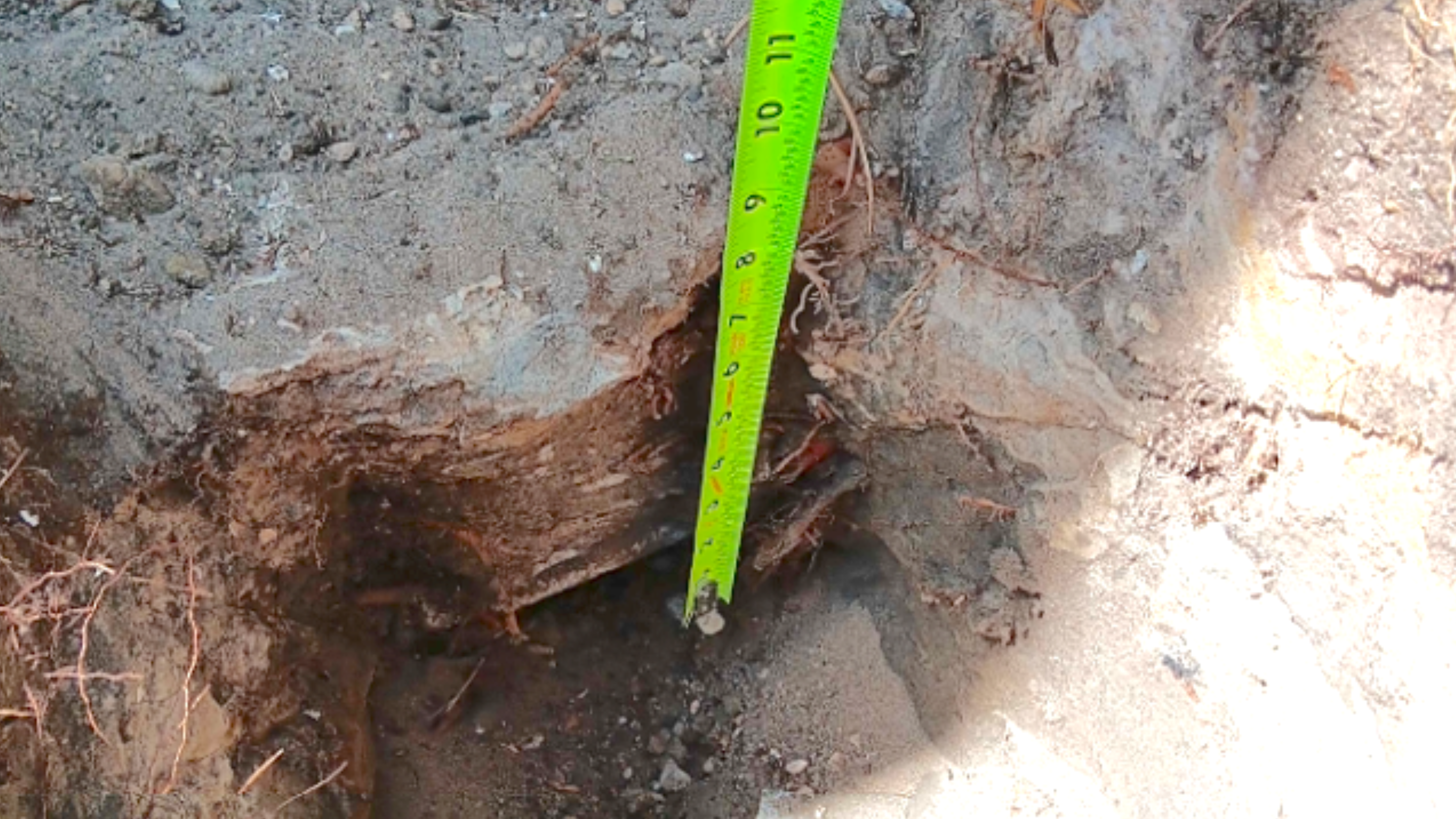
Florida clay soil is packed with super-fine particles that cling to water like a sponge. After a heavy rain, it stays soggy for ages.
This soil is dense and heavy, so water doesn’t drain through easily. When it dries, it shrinks; when it’s wet, it swells up, sometimes dramatically.
The high clay content means it compacts easily, which can choke out plant roots. Sure, it’s less likely to erode compared to sandy soil, but when it’s wet, it gets slick and unstable. If you get a handle on these quirks, you can pick better soil treatments and foundation supports.
Common Issues with Clay Soil
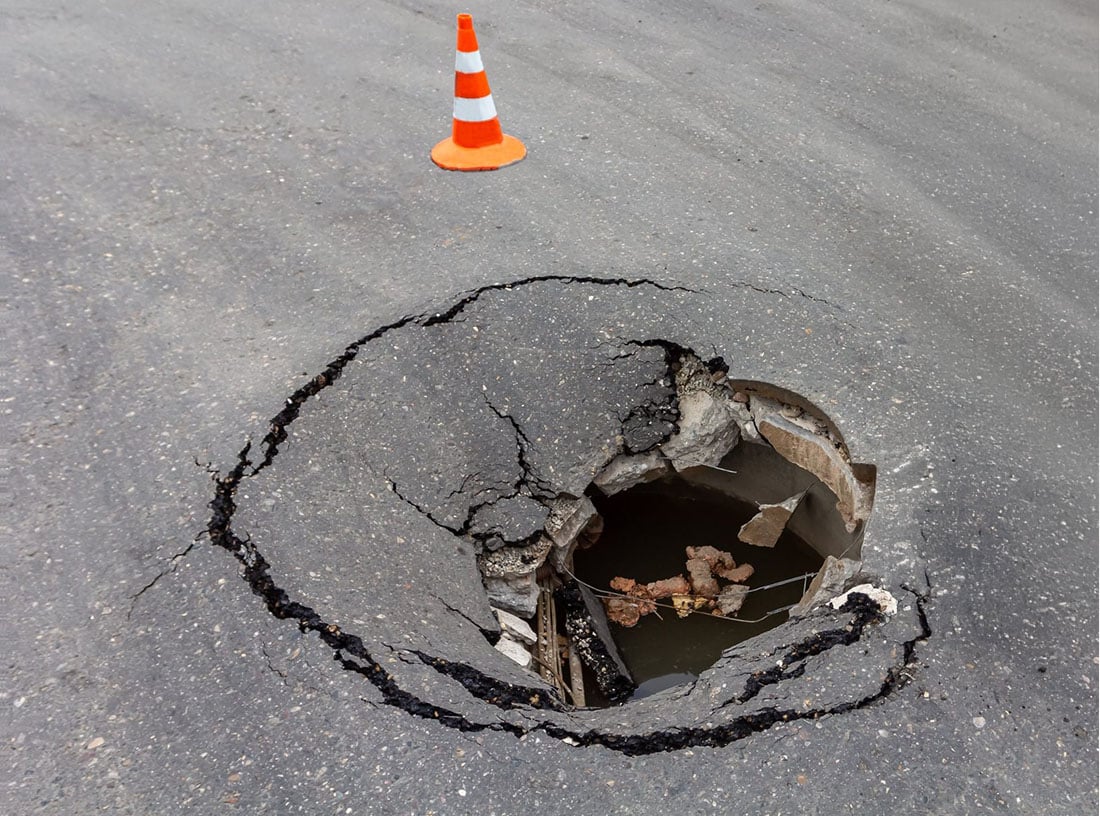
Clay soil is notorious for causing foundation cracks, uneven floors, and shifting walkways. The culprit? It swells up with moisture and shrinks down when it dries out.
This constant movement puts pressure on your home’s structure and can lead to long-term damage. Drainage is another big pain point, as water tends to collect on the surface, upping the odds of flooding or erosion.
If you don’t manage the instability, you’ll see problems with sidewalks, driveways, and landscaping, too. Spotting these issues early gives you a chance to act, like improving drainage and stabilizing the soil before things get worse.
Regional Differences in Soil Type
Not all Florida clay soil is created equal, and it really depends on where you live. Up north, the clay tends to be heavier and loaded with minerals, while the central and southern parts mix in more sand and organic matter.
These differences change how the soil holds water and compacts. Knowing your local soil type helps you pick the right stabilization strategy; sometimes it’s chemical treatments, other times it’s just adding organic matter or planting the right stuff.
Assessing Soil Stability
If you want to stabilize Florida clay soil, you have to know what you’re dealing with first. That means testing the soil, spotting drainage issues, and checking the overall structure. These steps give you the info you need to make smart improvements and keep your foundation safe.
Conducting Soil Tests
Soil tests are your best friend here. You can send samples to a lab to figure out clay content, plasticity, and moisture levels.
Tests like the Atterberg limits or soil compaction tests tell you how much the soil will expand or shrink. These numbers help pros choose the best stabilization approach and materials.
Knowing the soil’s bearing capacity is a must if you’re planning any kind of foundation work. Keep testing as you go to make sure the soil stays stable while you make improvements.
Identifying Drainage Problems
Poor drainage is a major threat to clay soil. If water just sits there, the soil soaks it up, swells, and loses strength.
Look for puddles after rain and watch how water moves around your place. Gutters and downspouts should send water far away from your foundation.
Sometimes you’ll need to install French drains or sump pumps if water keeps pooling. Clear drainage paths are critical for keeping your foundation safe and the clay in check.
Evaluating Soil Structure
Soil structure is just how the particles clump together. Good structure means crumbly, well-aerated soil with plenty of space for air and water.
If the soil is hard and dense, it’s more likely to shift or erode. You can check this by grabbing a handful—does it crumble or stick together like a brick?
Adding organic matter or soil conditioners can help turn dense clay into something more manageable. Better structure means less shrink-swell drama and improved drainage, both of which are good news for your home.
Preparing for Soil Stabilization
Before you start stabilizing, you’ve got to do some groundwork. That means clearing and leveling, improving the texture, and figuring out how to handle drainage. These steps build a solid base for whatever comes next and help you avoid headaches down the road.
Clearing and Leveling the Area
First, get rid of any rocks, roots, or leftover plants. You want a clean slate so stabilization materials can do their job.
Level the ground by filling in low spots and smoothing out the high ones. Uneven areas just invite water to pool, which you definitely don’t want.
Grab a rake or even a skid steer if you’ve got one, and aim for a flat, even surface. This makes compaction easier and helps prevent weak spots that could cause foundation issues later.
Amending Soil Texture
Florida clay is dense and waterlogged, so loosening it up is key. Mixing in sand or small gravel helps with drainage and cuts down on swelling.
Organic matter, like compost or well-rotted manure, can really improve soil structure. Use a rototiller to blend everything into the top 6 to 12 inches for best results.
Planning Drainage Solutions
Since clay doesn’t drain well, you need a plan to move water away from foundations and planting areas. Think French drains, swales, or just grading the surface so water flows where you want it.
Gutters and downspouts should send water at least five feet away from your house. Sometimes you’ll want to add drainage pipes below the surface to control underground moisture. The goal is to keep water from pooling near your foundation and stop the soil from swelling up and causing trouble.
Methods to Stabilize Florida Clay Soil
Stabilizing Florida’s clay soil isn’t a one-size-fits-all job. The right approach depends on your specific situation, but let’s run through some options to boost soil strength and keep things steady.
Mechanical Stabilization Techniques
Mechanical methods use good old-fashioned muscle and machinery. Compacting the soil—squeezing out air pockets and making it denser—helps it support more weight and move less.
You can also mix clay with coarser stuff like sand or gravel to improve drainage and cut down on swelling. Heavy equipment like rollers or tampers gets the job done evenly.
Grading and drainage are big here, too. Redirecting water away from the soil is just as important as compacting it.
Using Soil Amendments
Soil amendments work by changing the soil’s natural properties. Compost is a favorite; it boosts structure, helps with moisture, and encourages helpful microbes.
Adding sand or small gravel can make the mix less sticky and more stable, but don’t overdo it, or you’ll just create new compaction problems. Organic amendments are easy to find and make the soil healthier for plants in the long run.
They also help roots grow deeper, which naturally strengthens the soil and keeps your landscaping and foundation safer.
Chemical Stabilization Options
Chemical stabilizers like lime and cement change the clay’s chemistry. Lime reacts with the clay to make it less plastic and more stable.
Cement binds the particles together, forming a tough, solid base. These options work fast and give you a durable surface for construction.
You’ll need to mix chemicals deeply with specialized equipment. Using the right amounts is important—too much or too little, and you could run into trouble or hurt the environment.
Natural Stabilization Approaches
Natural methods take a little more patience, but they’re budget-friendly and good for the planet. Deep-rooted grasses or cover crops soak up extra water and help hold the soil together.
Smart tillage—breaking up the soil just enough—improves texture without making things worse. You can combine these with better irrigation to keep moisture levels steady. Natural approaches support long-term soil health and cut down on erosion, even if they don’t work overnight.
Improving Drainage for Clay Soil
Drainage is everything when it comes to stabilizing Florida clay soil. If you let water build up, you risk weakening the soil and running into foundation problems. There are a few solid ways to move water out and keep your soil in better shape.
Installing French Drains
French drains are a practical fix for soggy clay. Dig a trench, line it with landscape fabric, fill it with gravel, and run a perforated pipe through the bottom.
This setup pulls water away from your foundation and slows down pooling. Just make sure the trench slopes so water actually moves out, not in. French drains are a lifesaver in areas with poor natural drainage.
Constructing Swales
Swales are basically shallow ditches that guide water away from where you don’t want it. They collect runoff and channel it safely across your property.
You can line them with grass or mulch to slow the flow and prevent erosion. Swales need to follow the natural slope of your yard, but when done right, they’re cheap and blend in with your landscaping.
Surface Grading Strategies
Surface grading is all about shaping your land so water flows away from buildings. Aim for a gentle slope—about 2%—so water doesn’t hang around your foundation.
Use fill dirt or amendments to raise low areas, and keep things smooth. It’s smart to check your grading after big storms to make sure everything is still working as planned.
Choosing the Right Plants for Stability
The right plants can do wonders for Florida clay soil. Some break up compacted layers, others shield the ground from erosion. Mix in deep-rooted types, ground covers, and native species for a more stable, healthier soil. It’s not a magic fix, but over time, it really helps.
Break Up Clay: Choosing the Right Deep-Rooted Plants
Plants with deep roots are your best bet against stubborn, packed clay. Trees like oaks, pines, and even some palms send their roots deep, helping to break up the soil and let water drain better.
Deep roots also anchor the soil, which really cuts down on erosion, especially on slopes or bare patches. If you pick plants that grow taproots or have a strong root system, you’ll get natural channels in the clay, and air and water can finally get down there.
That means less water pooling and fewer of those annoying shrinkage problems that Florida’s clay soils are famous for.
Ground Covers: The Unsung Heroes of Soil Protection
Ground cover plants are like a shield for your soil. Low-growers like creeping thyme or liriope spread out fast, forming a dense mat that slows down runoff.
This cover keeps the soil from washing away when the rain really pours. It also helps the clay hold on to moisture, so you’re not stuck with big cracks when things dry out.
Look for ground covers that grow quickly and don’t need a bunch of fussing or extra soil amendments. When you mix ground covers with deep-rooted plants, you get stable soil both above and below the surface—kind of the dream combo.
Florida Natives That Actually Thrive in Clay
Florida native plants just get the local clay. Species like coontie, saw palmetto, and muhly grass don’t mind poor drainage or compacted soil.
They’re also great for local wildlife and, once they’re settled, don’t need much watering. By sticking with natives, you let their roots slowly work magic on the clay, making it better year after year.
Plus, you’re not reaching for fertilizer or soil treatments nearly as often. That’s time and money you can spend elsewhere.
Keeping Florida Clay Soil Strong for the Long Haul
Maintaining stabilized Florida clay soil is a bit of a balancing act. You’ve got to watch soil health, stop erosion, and sometimes add new treatments.
These habits protect your property and keep the soil sturdy over time, not just for a season.
How to Keep Tabs on Your Soil
It’s smart to check your soil for settling, cracks, or weird moisture shifts. A moisture meter or soil probe works fine, especially after big storms or dry spells.
If you see uneven ground or small cracks, jot it down. Call a pro if you spot major settling or new cracks near the foundation or walkways. Try to keep the soil’s moisture steady. Too much water makes clay mushy, too little and it splits open. Drainage issues that cause puddles can really mess with soil stability.
Beating Erosion Before It Starts
Florida’s wild weather loves to move soil around, especially on hills or bare ground. Planting grass or ground cover is a solid way to hold soil in place.
Hydroseeding can get plants started quickly if you’re in a hurry. In spots where runoff is strong, geotextiles or erosion mats help keep soil put while letting water through.
For steeper slopes, soil nailing with steel bars adds extra muscle. Don’t forget to keep drainage systems clear—gutters, swales, and ditches all need a little attention so water doesn’t eat away at your clay soil.
When and Why to Re-Treat Your Soil
Even the best-stabilized soil can lose strength over time. Plan to check in with your soil stabilization provider now and then to see if new stabilizers or additives are needed.
If you stay on top of things, you won’t have to re-amend often. When you do, lime, cement, or other stabilizers can bring clay back to life and cut down on those shrink-swell headaches.
Keep a record of what you’ve done. It’ll help you see what works for your yard and keeps your foundation safe for the long run. Staying proactive now saves you from expensive repairs later, and no one wants that surprise bill.
Environmental and Legal Stuff You Can’t Ignore
Working with Florida clay soil isn’t just about your yard; it’s about following the rules and doing right by the environment. You’ve got to know the guidelines, pick eco-friendly options, and make sure you’re not causing harm to nearby land or water.
Don’t Skip the Permits and Paperwork
Before you start stabilizing clay soil, check with local authorities for permits or restrictions. Florida’s got strict rules because of its wetlands and water systems.
You might need a soil test or even an environmental study, especially near protected areas. Skipping this step can land you fines or shut your project down fast.
Your contractor should help you figure out the legal maze. Make sure you know how to dispose of extra soil or any chemicals you use—no shortcuts here.
Going Green: Sustainable Soil Solutions
Sustainable methods aren’t just good for the planet; they can save you money, too. Mixing in organic material, using natural sand, or recycled gravel means less chemical use.
Pick the right stabilizer for your soil so you don’t do unnecessary damage. If you’re compacting soil, use efficient machines and avoid heavy equipment when it’s wet; you’ll just make things worse. Healthy, stable land is the goal, and sustainable practices get you there without trashing the environment.
Keep It Clean: Reducing Environmental Harm
Chemicals like lime or cement can strengthen soil, but misuse can mess with local ecosystems. Always use products approved for Florida soils and stick to the guidelines.
Handle everything carefully to stop runoff into waterways. Cover disturbed areas quickly and use barriers if runoff is a risk.
Leave organic matter in place when you can—it supports the soil’s natural balance. Protecting water, soil, and local plants and critters is just the right thing to do.
Common Mistakes That’ll Haunt Your Soil
With Florida clay, over-compacting is a classic blunder. It makes root growth tough and stops water from draining. Avoid stomping around or using heavy machinery unless you really have to.
Another goof? Using only concrete blocks or big rocks for erosion control. That leads to uneven settling and lousy water flow. Go for mixed sizes or organic stuff instead.
Skipping organic matter just slows down soil improvement. Compost and mulch keep clay loose and help it hold water.
Don’t fall for easy fixes like surface treatments alone. Real stabilization means deep soil testing and targeted solutions—think gypsum or professional treatments, not just a quick rake-over.
| Mistake | Why to Avoid It | Better Approach |
| Over-compaction | Restricts root growth and water flow | Light aeration, careful handling |
| Using uniform rocks | Causes uneven soil movement and erosion | Use mixed-size materials or mulch |
| Skipping organic matter | Slows soil improvement | Add compost and mulch regularly |
| Relying on surface fixes | Temporary and ineffective | Use deep soil treatment methods |
Steer clear of these mistakes, and you’ll end up with healthier soil and a foundation that actually lasts. Your garden—and your house—will thank you.
When You Need a Pro: Don’t Wait Too Long
If your Florida clay soil stays compacted or won’t drain properly, even after your best efforts, it’s time to get expert advice. Professionals can spot issues you might miss and offer solutions that really work.
Notice foundation cracks, uneven floors, or water pooling around your place? That could mean your soil is affecting the whole structure. You’ll want specialized help for that.
Bring in the pros when you’re planning big construction or landscaping projects on clay. They’ll design stabilization that actually lasts and keeps problems from popping up later.
Here’s when to call for help:
- Soil that keeps swelling or shrinking
- Signs your foundation’s on the move
- Major construction projects
- Drainage problems causing erosion
Certified specialists know Florida’s soils inside and out. They use modern techniques like chemical stabilization to keep your home safe and sound, long-term.
A Smarter Path to Stable Florida Clay Soil
Florida clay soil causes problems when moisture and movement go unchecked. Swelling, shrinking, and poor drainage can damage foundations, hardscape, and landscaping over time. The right stabilization steps reduce risk and make the soil more predictable.
With the right plan in place, Helicon helps homeowners address these issues early and effectively. A focus on drainage, soil structure, and proven stabilization methods protects both property and peace of mind.
If you’re seeing cracks, settling, or water pooling, now is the time to act. Schedule a professional inspection or request an estimate to stabilize your Florida clay soil before small issues turn into costly repairs.
Frequently Asked Questions
What are the best ways to break down clay soil quickly and naturally?
Try adding compost or mulch—organic matter does wonders for drainage and loosens clay over time. Mixing in sand or fine gravel can help with clumping, too.
Can gypsum be used to improve the structure of Florida clay soil?
Absolutely. Gypsum breaks up clay particles and helps water move through the soil. It adds calcium, which improves texture without messing with the pH much.
What methods are effective for softening clay soil to make digging easier?
Water the soil evenly before digging—it really helps. Mixing in organic matter or sand cuts down on stickiness, and using a garden fork or tiller after watering makes digging way less of a chore.
Where can you find the most fertile soil in Florida?
Usually, the best soil is in coastal plains and near river basins. Those spots have lots of organic material mixed with sandy loam—plants love it.
How does the presence of sand impact soil stabilization in Florida?
Adding sand to clay improves drainage and keeps the soil from getting too hard. Just don’t go overboard—too much sand drains too fast and can leach out nutrients.