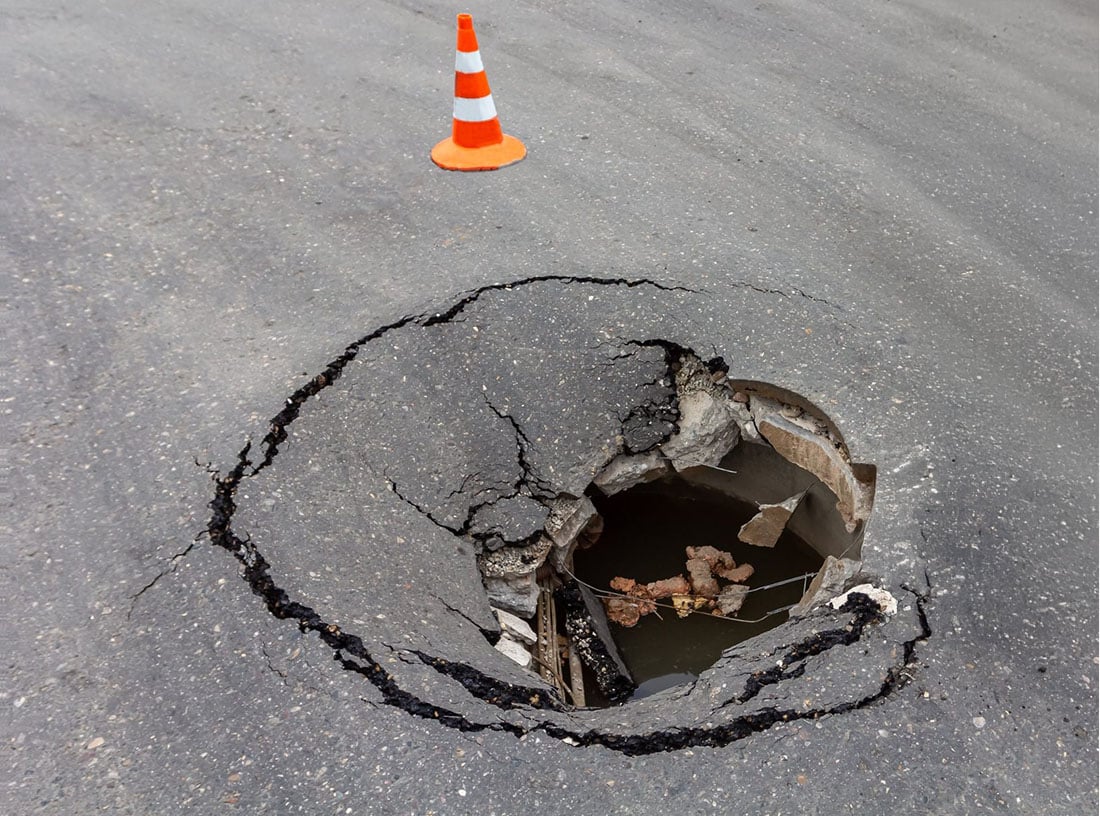
Uneven concrete is more than an eyesore. It can create trip hazards, cause water to pool, and make driveways, patios, and pool decks feel unsafe.
Concrete lifting is a cleaner, faster way to raise settled slabs without a full tear-out. Helicon helps homeowners understand the options so the fix matches the slab, soil, and situation.
In this article, you’ll learn what causes concrete to sink, how foam and mudjacking compare, what the process looks like, and how to choose the right contractor. You’ll finish with clear next steps to restore safety, drainage, and curb appeal.
What Is Concrete Lifting?
Concrete lifting is a straightforward fix for uneven or sunken surfaces. It uses methods that raise and stabilize concrete to restore safety and improve how things look.
This process is common for sidewalks, driveways, patios, and pool decks. It’s also handy for garage floors, basement slabs, and steps that have settled unevenly.
Concrete lifting—sometimes called slabjacking or slab leveling—means raising a sunken slab by injecting material underneath. This fills empty spaces and pushes the slab back up where it belongs.
The main reason for lifting is to fix surfaces that have dipped because of soil erosion, water, or just bad installation. Instead of ripping out the whole slab, you get a safer, better-looking property without a huge project.
Common Applications
People use concrete lifting for just about any outdoor slab that’s moved enough to trip you or collect water. It’s especially helpful in places like Florida, where the ground likes to shift around.
By stabilizing the soil, this technique can extend the life of your concrete. It’s a solid choice for homes and even some businesses with shifting surfaces.
How It Differs From Other Methods
Concrete lifting stands out because it’s less invasive and usually cheaper than replacing the slab. Replacement involves demolition and pouring new concrete, which is messy and slow.
Instead of using a heavy cement mixture like mudjacking, modern lifting often relies on high-density polyurethane foam. This foam is light, sets fast, and fills empty pockets better.
Benefits Of Concrete Lifting
Concrete lifting brings real advantages, saving money and time while keeping your property safe and usable. It fixes uneven or sunken concrete without the drama of full replacement.
Cost-Effectiveness
Lifting is a budget-friendly option compared to tearing out and replacing slabs. You skip the costs of new concrete, demolition, and disposal by simply raising what you already have.
With polyurethane foam injection, the material expands under the slab, adding support and stability. This cuts down on labor and material costs, and you don’t lose access to your property for long stretches.
Many homeowners find it’s a clever way to stretch the life of driveways and patios without breaking the bank.
Time Efficiency
Concrete lifting is faster than replacement. While ripping out and pouring new concrete can drag on for days or weeks, lifting often wraps up in just a few hours.
You don’t have to wait for the concrete to cure. The foam sets up fast, so you’re back to using your surfaces almost right away. This quick turnaround means you dodge major interruptions to your daily life or business. You get your space back without long waits.
Minimized Disruption
Lifting concrete doesn’t require major digging or heavy machinery. Instead, small injection points do the trick.
That means less noise, dust, and chaos around your place. Landscaping and nearby features usually stay untouched. Since the process is quick and tidy, you won’t need to block off big areas for days. This is a relief for busy driveways or pool areas.
Concrete Lifting Methods
There’s more than one way to lift concrete. The right method depends on your slab, how much it’s sunk, and how soon you need it fixed.
Mudjacking
Mudjacking is the classic approach for raising sunken concrete. It works by drilling holes and pumping a slurry of water, soil, and cement underneath. The mix fills gaps and lifts the slab.
This method is affordable and works for driveways, patios, and sidewalks. But it can get messy, and in some soils, it might not last as long. The heavy slurry can weigh things down, causing more settling later.
Polyurethane Foam Injection
Polyurethane foam injection uses a high-density foam pumped through small holes under the slab. The foam expands, lifts the concrete, and fills any empty spots below.
This method is faster and cleaner than mudjacking. The foam’s light, so it doesn’t stress the soil, and it stands up to water, which matters in rainy areas. Homeowners often pick this for pool decks or sidewalks because it’s easier.
Other Lifting Techniques
There are a few other ways, like stone slurry grout leveling and mechanical lifting. Stone slurry grout uses a dense mix and smaller holes for precise lifting. Mechanical lifting uses hydraulic jacks, but usually just for temporary fixes.
The right choice depends on your soil, the size of the slab, and what you’re willing to spend. Some companies can help you pick the best fit for a lasting result.
Materials Used In Concrete Lifting
Picking the right material for lifting depends on your project, your soil, and your budget. Some materials focus on strength, others on cost or ease of use.
Traditional Materials
Traditional lifting usually means mudjacking mixtures or stone slurry grout. Mudjacking pumps a slurry of water, soil, and cement under the slab. It’s affordable and common, but the weight can cause more settling in soft soils.
Stone slurry grout uses finely crushed stone and water for better drainage and durability. Both need bigger drill holes and might not be as precise. These materials work for smaller repairs or tight budgets. They do take longer to cure, and their weight can stress the soil below.
Innovative Polymers
Polyurethane foam is the newer favorite for lifting. It’s injected as a liquid, then expands to fill gaps and lift the slab. This material is light but strong, so it doesn’t weigh down the ground.
The foam cures in minutes, so projects finish up fast. It’s water-resistant, which helps prevent future erosion. Smaller drill holes mean less visible patching.
This technology is especially handy for driveways, patios, and pool decks, giving you a long-term fix without much mess.
Step-By-Step Concrete Lifting Process
Concrete lifting restores sunken or uneven slabs by raising and stabilizing them without a full replacement. Here’s what the process usually looks like, from inspection to clean-up.
Initial Assessment
First, a technician checks out your slab and the soil underneath. They look for cracks, settling, and drainage issues that might get in the way.
This helps decide if you need to lift the whole slab or just a section. The technician will also pick the best lifting material, often polyurethane foam, because it’s light, tough, and sets up fast.
Knowing why the slab sank helps prevent the same problem later. You’ll be kept in the loop about the repair plan before anything starts.
Preparation And Drilling
The technician clears dirt and debris, then marks where to drill. Small holes, usually about 5/8 inch wide, are drilled at key spots.
Theseussatmp holes target the areas needing lift and stabilization. Prepping like this helps avoid cracks and keeps things safe.
Injection And Lifting
Polyurethane foam gets injected through the holes under the slab. As it expands, it fills gaps and lifts the slab back to level.
The technician manages the foam amount to avoid lifting too much. The foam hardens within about 15 minutes, so you can use your slab almost right away.
This method is less invasive and lighter than mudjacking. Plus, the injection helps stabilize the soil beneath.
Finishing And Clean-Up
After lifting, the technician patches the holes with a cement-based mix that matches your slab. They’ll clean up the area, sweeping away debris before checking the work. The last step is making sure your slab is level and safe. You’ll get tips for follow-up care or monitoring if needed.
How To Choose The Right Concrete Lifting Contractor
Picking a concrete lifting contractor isn’t something you want to rush. It’s worth taking the time to look for experience, quality materials, and clear communication.
You want a company that knows how to assess your specific needs and offers fair pricing. Ask the right questions, and you’ll quickly see if they can deliver results that last.
What To Look For
Go for a contractor with at least five years of hands-on experience in concrete lifting. That kind of track record means they’ve seen it all, from sunken driveways to pool decks.
Check if they specialize in the type of job you need, whether that’s raising porches or fixing sidewalks. Make sure they use proven materials like polyurethane foam, which supports the slab without tearing up your yard.
Ask about their licensing and insurance. You don’t want surprises down the road. Positive reviews, referrals, and a solid reputation matter in this business.
Questions To Ask
Before you sign anything, ask how long they’ve worked in concrete lifting and what techniques they use. Do they offer free estimates? How do their prices stack up to the competition?
Find out if they guarantee their work or provide warranties. Ask about the project timeline and how they deal with unexpected hiccups along the way.
Communication is huge. Will you have a direct contact person? You want updates so you know what’s happening every step of the way.
Concrete Lifting Safety: What You Need To Know
Let’s be real, lifting concrete isn’t light work. Safety comes first, so always wear Personal Protective Equipment (PPE) like gloves, safety goggles, and steel-toed boots.
This gear shields you from chemicals, dust, and surprise bumps and scrapes. Use proper lifting techniques to avoid hurting your back. Stand with feet shoulder-width apart, bend at the knees, and avoid twisting your body when moving heavy slabs.
Always inspect your equipment before starting. Check lifting straps, hoists, and machinery for any signs of wear or damage. Secure the work area with barriers or guardrails to keep everyone safe from falling concrete or other hazards.
Weather plays a bigger role than you might think. Wet surfaces can cause slips, and extreme heat can affect curing. Adjust your schedule and safety steps depending on the forecast.
Concrete lifting often takes a team effort. Communicate clearly with your crew; coordinating movements makes the job safer and smoother for everyone.
Safety Tips
| Safety Tips | Why It Matters |
| Wear PPE | Protects against injury and exposure |
| Use proper lifting posture | Prevents back injuries |
| Inspect equipment regularly | Avoids mechanical failures |
| Secure the work area | Prevents falls and accidents |
| Adapt to weather conditions | Ensures stable work environment |
| Communicate during lifting | Coordinates safe handling of materials |
Concrete Lifting Costs & How To Pay For It
Concrete lifting costs depend on the size and condition of the area, plus the method used. There’s usually a range of options for different budgets, and payment plans can make things more manageable.
It’s worth knowing your choices before you commit, so you can make a decision that fits your home and your wallet.
Typical Project Costs
Most small to mid-sized concrete lifting jobs run between $500 and $1,500. Bigger or trickier projects cost more, especially if there are multiple slabs or tough site access. Things like how deep the sinking slab is and local permit requirements also affect the price.
Polyurethane foam lifting is popular because it’s fast, doesn’t tear up your yard, and usually costs less than mudjacking or full replacement. Choosing lifting over replacement can save you up to 70% on materials and labor. Not a bad deal.
Affordable Payment Plans
Many companies now offer financing to help you avoid big upfront bills. You can spread payments out with low interest or flexible terms, so you don’t have to put off repairs.
Using a payment plan keeps your cash flow steady and lets you fix your concrete quickly, no need to wait and risk more damage.
How Long Does Concrete Lifting Last? Maintenance Tips Inside
When done right, concrete lifting can give you a stable, long-term fix for sunken slabs. The lifespan depends on things like soil condition and how well the repair was done. Ongoing care makes a big difference in keeping your concrete solid and level.
Expected Lifespan
Concrete lifting typically holds up for 10 to 30 years, sometimes even longer. The exact number depends on soil stability and the lifting method used.
Polyurethane foam lifting tends to last longer than old-school mudjacking. If your soil shifts a lot or drains poorly, you might see settling sooner. Good materials and a pro installation boost your odds for decades of stability.
Ongoing Maintenance Tips
Want to stretch that lifespan? Try these:
- Keep drainage clear around your concrete to avoid water buildup and soil erosion.
- Clean debris regularly to cut down on wear and stains.
- Check for cracks or sinking after heavy rains or storms.
- Seal your concrete every few years to block moisture and damage.
- Don’t overload or bang up freshly lifted sections until they’ve settled in.
Simple upkeep protects your investment and helps you avoid expensive repairs later.
Concrete Lifting And The Environment: What’s The Real Impact?
Concrete lifting fixes sunken or uneven slabs without tearing out the old stuff. That means less waste, no need to toss huge chunks of concrete in a landfill.
The process uses polyurethane foam, which is lightweight and more efficient than demolition. Compared to full removal and replacement, it’s gentler on the soil and the rest of your property.
Only small holes get drilled into the slab, so plants, soil, and nearby structures stay mostly untouched. That’s a big plus over traditional methods.
By lifting instead of replacing, you reduce the need for new concrete production, which helps limit energy use and emissions.
Environmental Benefits
| Benefits Of Concrete Lifting | Details |
| Waste Reduction | Avoids large concrete disposal |
| Soil Preservation | Limits excavation and disruption |
| Carbon Footprint | Less energy than full replacement |
| Quick and Clean | Minimal drilling and mess |
Choosing concrete lifting means you’re going for a more sustainable repair without sacrificing strength or durability.
Why Does Concrete Settle? Common Issues And Fixes
Concrete lifting tackles problems caused by shifting soil and moisture. Knowing the root causes helps you keep your surfaces stable and safe.
Causes Of Concrete Settlement
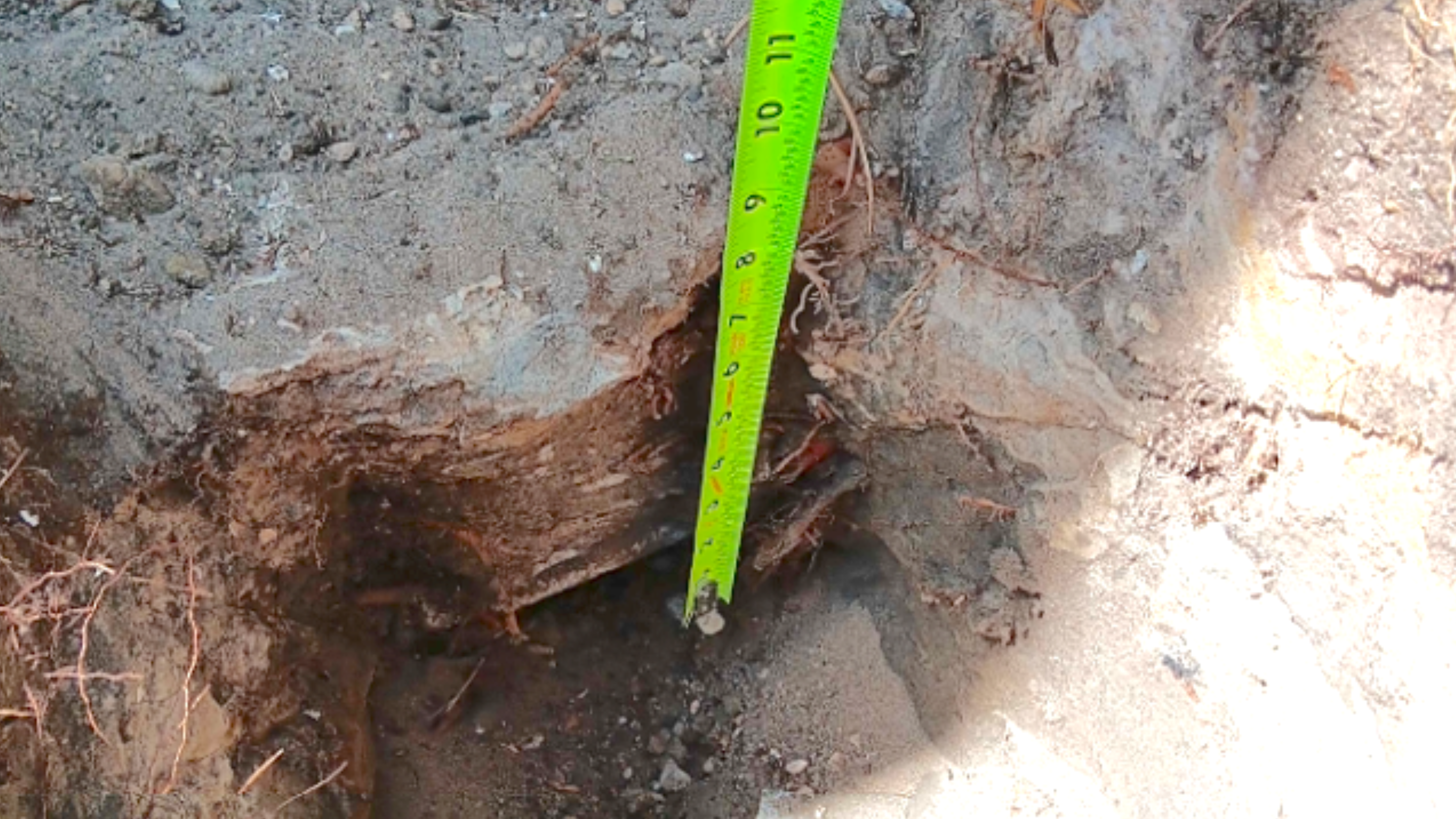
Most concrete settling comes from changes in the soil underneath. Soil can wash away or compress because of poor drainage, heavy rain, or erosion.
Tree roots sometimes push up the concrete or cause cracks. Other culprits include water damage from storms or leaks, which soften the soil and make it unstable.
When the ground moves, your slabs, driveways, or walkways might sink, crack, or get uneven. That’s not just ugly; it can be dangerous and lead to bigger issues if you ignore it.
Preventative Measures
Control water around your property by keeping gutters clear and making sure drainage works. Fix leaks right away to stop soil from softening under your concrete. Check your concrete regularly for cracks, uneven spots, or puddles. Catching problems early saves you money and headaches.
Concrete Lifting Vs. Replacement: Which Is Better?
If your concrete sinks or cracks, you’ve got two main options: concrete lifting or concrete replacement.
Lifting raises and levels your existing slab by injecting polyurethane foam underneath. It’s less disruptive, faster, and often costs less than replacement.
Replacement means tearing out the old slab and pouring new concrete. That’s best for slabs that are broken beyond repair or totally crumbling. It takes more time and costs more, but you get a brand-new surface.
Quick Comparison
| Feature | Concrete Lifting | Concrete Replacement |
| Cost | More affordable | About 2-3 times more expensive |
| Time | Faster, less downtime | Slower, longer curing time |
| Environmental Impact | Uses existing slab | High waste, more materials |
| Best For | Sunken or slightly cracked slabs | Severely damaged or broken slabs |
Concrete lifting is a strong option if you want a quick, effective fix that saves money and keeps your yard tidy. If your concrete is falling apart, replacement might be the only way to go.
Where Concrete Lifting Shines: Best Uses And Project Ideas
Concrete lifting is a smart fix when you’re staring at a sinking or uneven slab and don’t want to rip out the whole thing. It’s especially useful for sidewalks, driveways, patios, and pool decks, anywhere settled concrete turns into a tripping hazard or creates drainage issues.
Commercial spots like warehouses, parking lots, and factory floors often take a beating from heavy traffic, which can shift the soil underneath. Lifting gets those surfaces back to level before things get worse.
People often pick concrete lifting because it’s non-invasive. Instead of tearing up the slab, the process uses materials like polyurethane foam that fill empty pockets beneath. You end up with a stable surface fast, and you won’t have to block off the area for long.
Here are some projects where concrete lifting really makes sense:
- Residential sidewalks and walkways
- Garage floors and driveways
- Pool decks and patios
- Commercial loading docks and sidewalks
- Industrial flooring needing quick repairs
How Climate And Location Affect Concrete Lifting
Thinking about concrete lifting? Your local climate can shape how well the repair holds up. Temperature swings, humidity, and rainfall can affect concrete during and after lifting.
Hot climates, like much of Florida, can dry concrete quickly. Using lifting materials that cure well in heat helps reduce stress and cracking.
Cold regions deal with freeze-thaw cycles that make concrete expand and contract. In those areas, you’ll want foam that stays stable as temperatures change.
High humidity can change soil moisture under the slab. If water loosens the soil, your concrete may settle again even after lifting. A good soil evaluation up front matters.
Climate Factors To Consider
| Climate Factor | Impact on Concrete Lifting | Consideration |
| Temperature | Alters curing time and foam strength | Use climate-appropriate lifting materials |
| Humidity | Affects soil moisture and slab stability | Soil analysis before lifting is critical |
| Precipitation | Can cause erosion or water damage | Schedule work to avoid heavy rains |
Next Steps For A Safer, Level Surface
Uneven concrete can keep creating trip hazards and water pooling until the underlying voids and soil issues are addressed. Concrete lifting is a practical way to level slabs, improve drainage, and restore safer walkways and drive areas without a full replacement.
Helicon can evaluate the slab, identify likely causes of settlement, and recommend the right lifting method for the space. You get a clear plan based on the conditions of your property.
If you’re ready to stop the wobble and reduce risk around your home, schedule an inspection and request a quote.
Frequently Asked Questions
What Is The Average Cost For Lifting A Concrete Slab?
The average cost to lift a small slab usually falls between $300 and $600. Bigger or trickier jobs can cost anywhere from $1,000 to $4,000. It depends on slab size, location, and materials like polyurethane foam.
How Can I Find Professional Concrete Lifting Services In My Area?
Start by looking for companies with strong local reputations and solid reviews. Make sure they’re licensed and insured. Ask for referrals and get a clear estimate before saying yes.
What Equipment Is Essential For Lifting And Leveling Concrete?
Pros use special pumps to inject foam or grout under the slab. They also need drills for making injection holes and tools to track slab movement. The right equipment helps keep lifts accurate and stable.
What Are The Advantages Of Using Foam For Concrete Lifting?
Polyurethane foam is lightweight and expands quickly to fill voids. It sets in minutes, so you can use the surface sooner. It’s also less messy than mudjacking and typically needs smaller holes.
Can Concrete Lifting Be Done As A DIY Project, And What Are The Risks?
DIY concrete lifting usually isn’t a great idea. The equipment and technique are specialized. If it’s done incorrectly, you can end up with uneven slabs or more damage, which can cost more to correct.
Foam Vs. Mudjacking: Which Concrete Lifting Method Wins?
Foam lifting relies on expanding polyurethane foam. Mudjacking pumps a heavier slurry of cement and soil under the slab.
The foam is lighter, sets fast, and typically causes less disruption. Mudjacking can cost less up front, but it cures more slowly and can be messier.