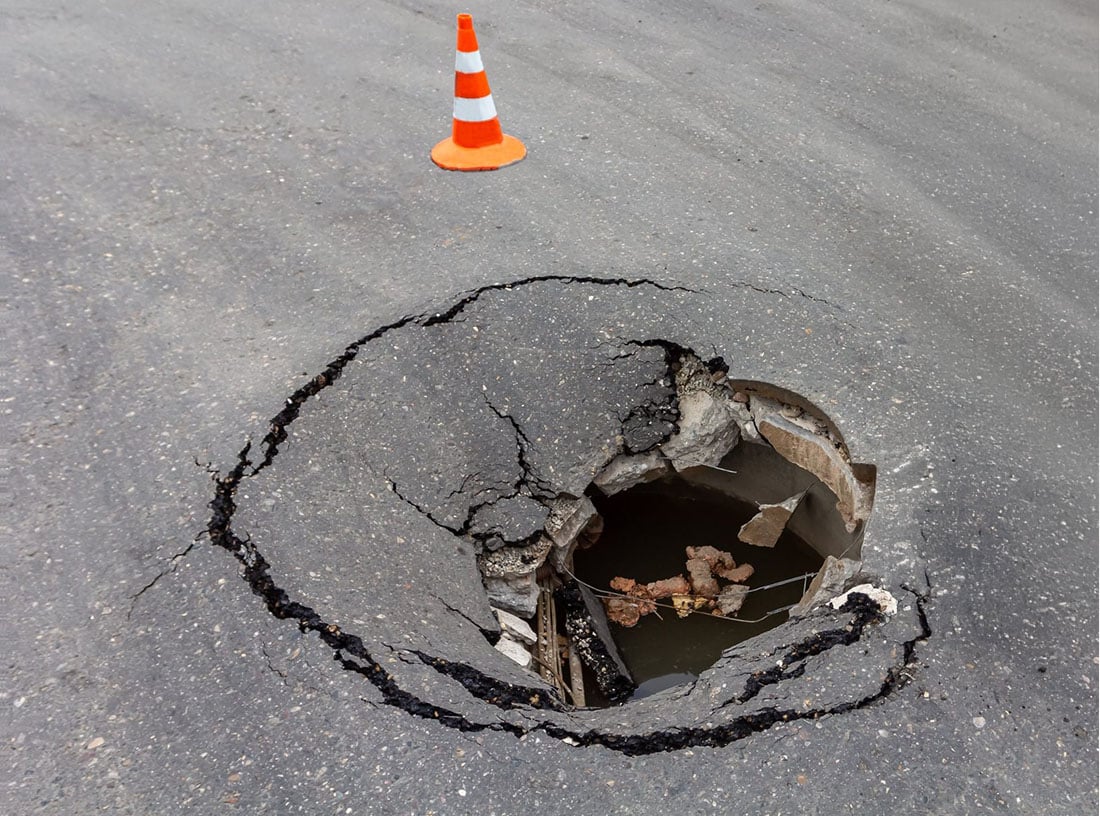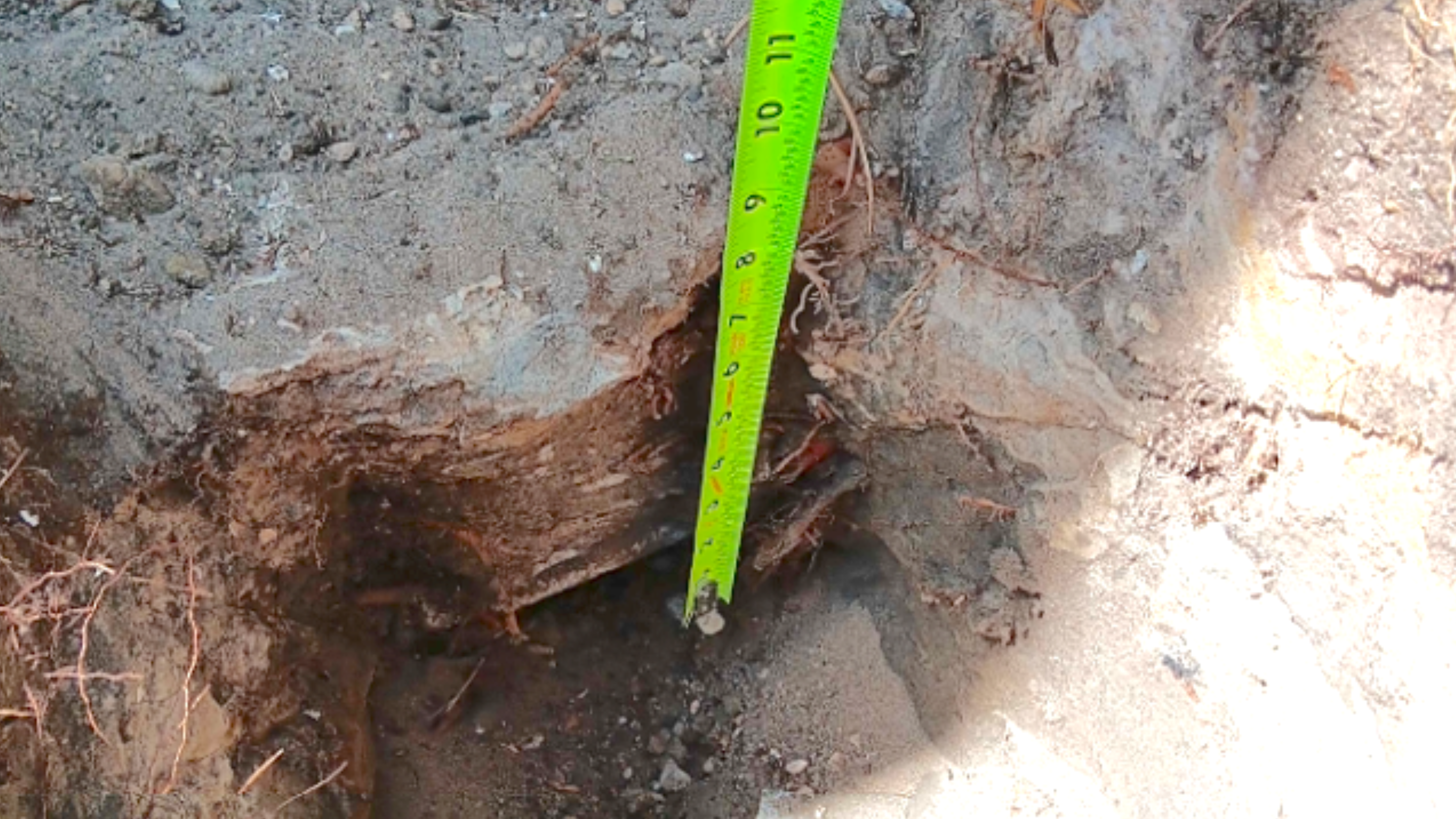
Uneven or sinking concrete can quickly turn safe, smooth spaces into trip hazards and eyesores. If your driveway or patio has started to tilt or crack, a non-invasive concrete lifting service offers a faster, cleaner fix without the mess of full replacement.
With Helicon, homeowners can restore stability and curb appeal using modern polyurethane foam technology that raises slabs in hours, not days. There’s no heavy machinery or yard damage, just a simple, efficient solution that lasts.
In this guide, you’ll learn how non-invasive concrete lifting works, what makes it cost-effective, and why it’s the smarter way to protect your property without disrupting your life.
What Is Non-Invasive Concrete Lifting?
Non-invasive concrete lifting gives you a way to fix sunken or uneven slabs without tearing out your existing concrete. The method uses specialized materials and precise techniques to restore stability and level things out, all with minimal mess.
This foam fills up the empty spaces underground and pushes the slab back to its original position. You protect your current concrete instead of demolishing it, so you skip costly replacements, long downtime, and major construction work.
Non-invasive lifting is ideal for driveways, sidewalks, patios, and pool decks that need quick, clean repairs without heavy machinery. Why rip out what you can fix?
Comparison to Traditional Methods
Traditional concrete repair usually means removing damaged slabs and pouring new concrete. That gets expensive, time-consuming, and pretty messy.
There’s demolition noise, heavy equipment, and long curing times to deal with. Non-invasive concrete lifting, on the other hand, is faster and less disruptive.
It usually costs 50–70% less than a full replacement. You don’t have to worry about hauling off rubble or cleaning up a huge mess. For slabs that are still structurally sound, this approach keeps the original concrete intact and just fixes the unevenness.
How Non-Invasive Techniques Work
The heart of the method is injecting polyurethane foam beneath the sunken slab.
- Drilling small holes: Experts drill tiny holes through the concrete, just enough to inject materials.
- Injecting foam: The foam gets pumped in and expands quickly, filling voids under the slab.
- Lifting the slab: As the foam expands, it gently nudges the slab back up to level.
- Hardening: The foam solidifies, creating a stable, strong base that helps prevent future settling.
This process takes less time than traditional repair. You can usually use the area again in a few hours, which is honestly pretty convenient. It also reduces the risk of damaging landscaping and nearby structures since the application is precise and the materials are lightweight.
Benefits of Non-Invasive Concrete Lifting
Non-invasive concrete lifting fixes sunken slabs without major demolition or mess. It saves time and money, and you can often keep using your property during and after repairs.
The method also provides long-lasting stability for your concrete surfaces. It’s genuinely a more practical choice for a lot of homeowners.
Minimized Disruption
With non-invasive concrete lifting, you avoid tearing out concrete or disturbing your landscaping. The process uses polyurethane foam injected beneath the slab, which expands and raises it carefully.
Your driveway, patio, or pool deck mostly stays intact during repairs. You won’t have to deal with long construction times or loud, heavy machinery on your property.
This is especially helpful if you just want the work done and life back to normal fast.
Cost-Effectiveness
Choosing non-invasive concrete lifting typically costs much less than replacing the entire slab. Since there’s no demolition or hauling away old concrete, you save on labor and disposal fees.
Repairs can be 50% to 70% less expensive than full replacements. The materials used, like lightweight polyurethane foam, are durable and water-resistant, which cuts down on future sinking and extends the life of your concrete. The savings up front—and later on—make this an affordable choice for a lot of people.
Long-Term Results
This method strengthens the ground under the slab by filling voids and stabilizing soil. It helps prevent further sinking or cracks that can turn into safety hazards.
The foam material resists water damage, which is often what wrecks slabs over time. With proper evaluation and skilled application, your concrete should stay level and secure for years. This lasting stability protects your investment and your sanity.
Common Applications
Non-invasive concrete lifting works well for all kinds of properties. It repairs uneven and sinking slabs without tearing up the ground, saving you time, money, and mess compared to full replacement.
Residential Properties
You can use concrete lifting to fix driveways, sidewalks, patios, and pool decks at home. If these surfaces sink or crack, they’re not just ugly—they’re dangerous.
Polyurethane foam is injected under the slab to gently raise it and stabilize the ground. The process is fast and usually done in a few hours, causing very little disruption.
Commercial Settings
In commercial spaces like storefronts, parking lots, and walkways, stability is critical for safety and business access. Uneven concrete can cause trip hazards and make maintenance harder.
Non-invasive lifting restores level surfaces quickly. This helps avoid long closures or costly replacements and supports heavy traffic by strengthening slabs.
Industrial Environments
Industrial sites deal with constant wear on concrete slabs from heavy equipment. Sinking or uneven slabs can damage machinery and slow down work.
Concrete lifting keeps floors safe and functional. Polyurethane foam lifts and fills voids without downtime or demolition, keeping your operations smooth.
Concrete Lifting Process Steps
The concrete lifting process is precise and designed to restore uneven surfaces without heavy digging or major disruption.
Initial Assessment
Everything starts with a thorough inspection of your concrete surface. A trained professional checks the slab to see how much it’s sunk or shifted.
This step also means figuring out the soil conditions beneath the slab. An accurate assessment ensures the repair will last and solve your problem.
Preparation Procedures
Preparation starts by cleaning the surface. Small holes, usually about an inch wide, are drilled into the concrete at key points. These let the lifting material get underneath without breaking up the whole slab.
The placement and number of holes depend on the size and condition of your concrete. Preparation also includes steps to protect surrounding areas, keeping things tidy and safe.
Injection and Lifting
The main lifting happens when polyurethane foam is injected beneath the slab through those drilled holes. The foam expands rapidly, filling voids and pushing the concrete back to its original level.
After lifting, the holes are sealed and cleaned up, so your surface is ready for use almost right away.
Materials and Technology Used
The materials and technology behind non-invasive concrete lifting focus on precision and lasting stability.
Polyurethane Foam
Polyurethane foam is the key material used for lifting and stabilizing sunken concrete slabs. It’s injected as a liquid, expands to fill gaps, and hardens to create a strong base.
It’s lightweight, resists water and decay, and helps prevent future sinking. This makes it faster and cleaner than traditional mudjacking.
Specialized Equipment
The injection process uses precision tools to deliver the foam exactly where it’s needed. Technicians adjust density and expansion rate in real time for safe, even lifts.
The result is a fast, clean repair that preserves your property’s integrity without heavy demolition or downtime.
Safety Considerations
When you use non-invasive concrete lifting service, safety matters for both workers and your property. This approach relies on foam injection to lift sinking slabs—no heavy machinery or broken concrete.
It reduces risks compared to old-school lifting methods. Workers need protective gear when handling materials. The foam expands beneath the slab slowly and evenly to avoid cracks.
Key Safety Tips
| Tip | Description |
| Clear work area | Keep people and pets away |
| Use protective gear | Gloves, goggles, and masks |
| Monitor slab movement | Avoid sudden lifting or cracks |
| Follow instructions | Correct foam handling and injection |
Selecting a Professional Concrete Lifting Service
Picking the right concrete lifting company can affect your home’s safety and value. Look for proven skills, clear communication, and techniques that fit your property’s needs.
Credentials to Look For
Find contractors with valid licenses and insurance. Check if they use modern methods like polyurethane foam injection. Experience matters and local expertise ensures better results.
Certifications and references show credibility. Safety records and customer reviews tell you a lot about how they operate.
Questions to Ask Contractors
Ask what lifting method they use, how long it’ll take, and when you can use the surface again. Clarify total costs and warranties. Ask how they handle surprises mid-project and if they offer maintenance afterward.
Maintenance After Concrete Lifting
After your concrete’s been lifted, a little care goes a long way. Wait 48 hours before using the repaired area.
Inspect for settling or cracks every six months. Apply a quality sealer every few years to protect from water, dirt, and chemicals.
| Maintenance Step | Why It Matters | How Often |
| Avoid traffic | Let cure time complete | 48 hours |
| Visual inspections | Detect early damage | Every 6 months |
| Apply sealer | Protect against moisture | Every 2–3 years |
| Clean drainage | Prevent soil erosion | Regularly |
Environmental Impact
Non-invasive concrete lifting uses polyurethane foam injected under sunken concrete, requiring minimal drilling. You’ll see less soil disruption, less waste, and fewer raw materials used. Keeping your original slab reduces your carbon footprint and landfill impact.
| Environmental Benefit | Description |
| Minimal soil disruption | Small, targeted drilling |
| Waste reduction | No full slab removal |
| Eco-friendly materials | Safe, renewable foam |
| Lower carbon footprint | Reuses existing materials |
| Prevents further damage | Early repair avoids waste |
Estimated Costs and Factors Affecting Price
The cost of non-invasive concrete lifting depends on slab size, damage, soil, and access. Most projects range from $1,000 to $4,000.
| Factor | Impact on Cost |
| Slab size | Larger slabs raise price |
| Damage severity | More damage means higher cost |
| Lifting method | Foam lifting costs more than slurry |
| Access difficulty | Harder access adds labor |
| Local permits | May add fees |
Polyurethane foam works for many projects because it’s lightweight, quick, and durable. It restores slabs fast and holds up over time.
Restore Safety and Stability Without the Mess
Uneven slabs don’t just look bad, they create safety risks and lower your home’s value. A non-invasive concrete lifting service restores your surfaces quickly, cleanly, and without tearing up your yard or driveway.
With Helicon, you get trusted expertise, precision repair, and long-lasting results that keep your property safe and attractive. It’s a stress-free way to lift, level, and protect your investment.
If your concrete is sinking or cracking, don’t wait for it to get worse, schedule a free inspection today and bring your surfaces back to level, fast.
Frequently Asked Questions
How Long Does Non-Invasive Concrete Lifting Take?
Most projects are completed in just a few hours. Because the polyurethane foam cures quickly, you can usually walk or drive on the surface the same day.
Is Non-Invasive Concrete Lifting Safe for My Yard?
Yes. The process uses small injection holes and lightweight materials that don’t disturb your landscaping, soil, or nearby structures. It’s designed to be clean, precise, and low impact.
How Long Do the Results Last?
When done by professionals, non-invasive concrete lifting can last for many years. The foam used is water-resistant and helps stabilize the soil, reducing the risk of future settling.
What Types of Concrete Can Be Lifted?
This method works for driveways, sidewalks, patios, pool decks, and warehouse floors. As long as the concrete is structurally sound, it can usually be lifted and leveled.
How Much Does Non-Invasive Concrete Lifting Cost?
Pricing depends on the slab size, amount of sinking, and site access. Most residential jobs cost between $1,000 and $4,000—typically much less than a full replacement.