Living near Florida’s coast means constant exposure to erosion, saltwater, and shifting soil that can weaken your seawall. When cracks form or the wall begins to lean, your property faces real risk from rising tides and storm surges.
That’s where Helicon provides reliable residential seawall reinforcement solutions that restore strength and stability without major disruption. Our methods protect your shoreline and help prevent costly structural damage.
In this guide, you’ll learn what causes seawall deterioration, which reinforcement methods work best, and how to keep your coastal property protected for years to come.
How Residential Seawall Reinforcement Protects Your Property
Residential seawall reinforcement focuses on strengthening your coastal barrier to resist water pressure and environmental wear. It prevents erosion and structural damage caused by waves, soil movement, and harsh weather over time.
What Is Seawall Reinforcement?
Reinforcement means adding materials or structural supports to make your existing seawall stronger and more durable. Common techniques include carbon fiber wraps, steel reinforcement rods, or reinforced concrete.
These methods help combat cracks, leaks, and water damage without completely rebuilding your seawall. Most projects are non-invasive, allowing you to protect your property without major disruption.
Why Reinforcing Residential Seawalls Matters
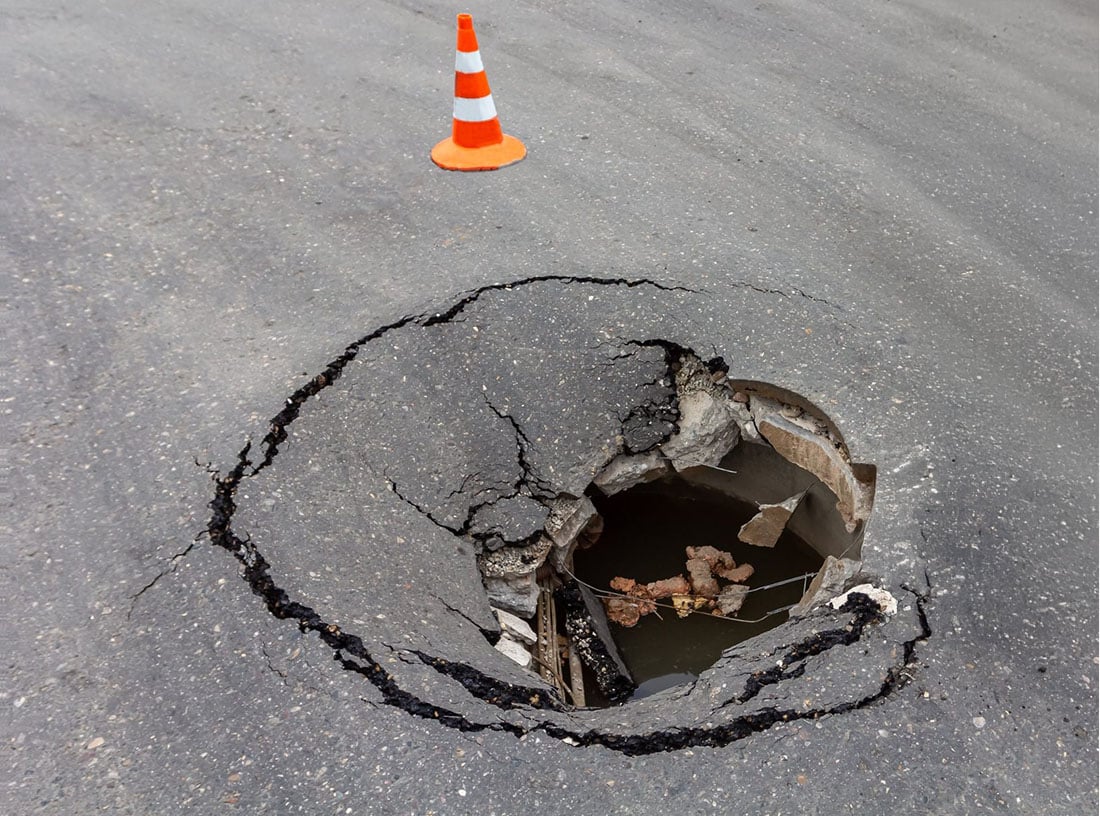
A weak or aging seawall can lead to cracks, tilting, and soil loss, threatening your home and foundation. Reinforcement strengthens the structure, helping it withstand constant water pressure, tides, and erosion.
By reinforcing your seawall early, you prevent major repairs later and maintain your property’s long-term value.
Common Causes of Seawall Deterioration
Seawalls deteriorate mainly from water erosion, soil movement, and material corrosion. Waves wear down surfaces, while shifting soil behind the wall increases pressure and weakens its base.
Saltwater corrosion further reduces the strength of steel components. During storms or high tides, water pressure rises dramatically, accelerating damage. Regular maintenance and timely reinforcement are the best ways to stay ahead of these issues.
Types of Residential Seawall Reinforcement Solutions
Several reinforcement methods can extend the life of your seawall and protect your coastal property. The right solution depends on the wall material, site conditions, and the extent of damage.
Steel Tiebacks and Anchoring Systems
Steel tiebacks are long rods drilled into the ground behind your seawall. They anchor the wall to stable soil, preventing leaning or bowing from water pressure or shifting ground. Properly installed tiebacks can dramatically improve wall stability and extend its service life.
Geotextile Fabric Linings
Geotextile fabric is placed between the seawall and the surrounding soil to stop soil erosion while still allowing water to drain. This material stabilizes the ground, reduces wall pressure, and helps maintain shoreline integrity.
When combined with other methods, it offers cost-effective reinforcement for older seawalls.
Composite Sheet Piling
Composite sheet piling uses vinyl or fiberglass panels to create lightweight, corrosion-resistant barriers. These panels are durable, easy to install, and ideal for replacing deteriorated sections without heavy equipment.
Their flexibility makes them a smart option for coastal environments where maintenance and longevity matter.
Soil Stabilization Techniques
In areas with soft or sandy soils—especially across Florida—soil stabilization is essential. Methods like chemical grouting, compaction, or injection of stabilizing agents create a firmer base behind the seawall.
This prevents uneven settling, strengthens the foundation, and enhances resistance to erosion.
Assessment and Planning for Seawall Reinforcement
Every successful project begins with a thorough assessment. Understanding your seawall’s current condition helps identify the right approach for reinforcement.
Site Evaluation and Inspection
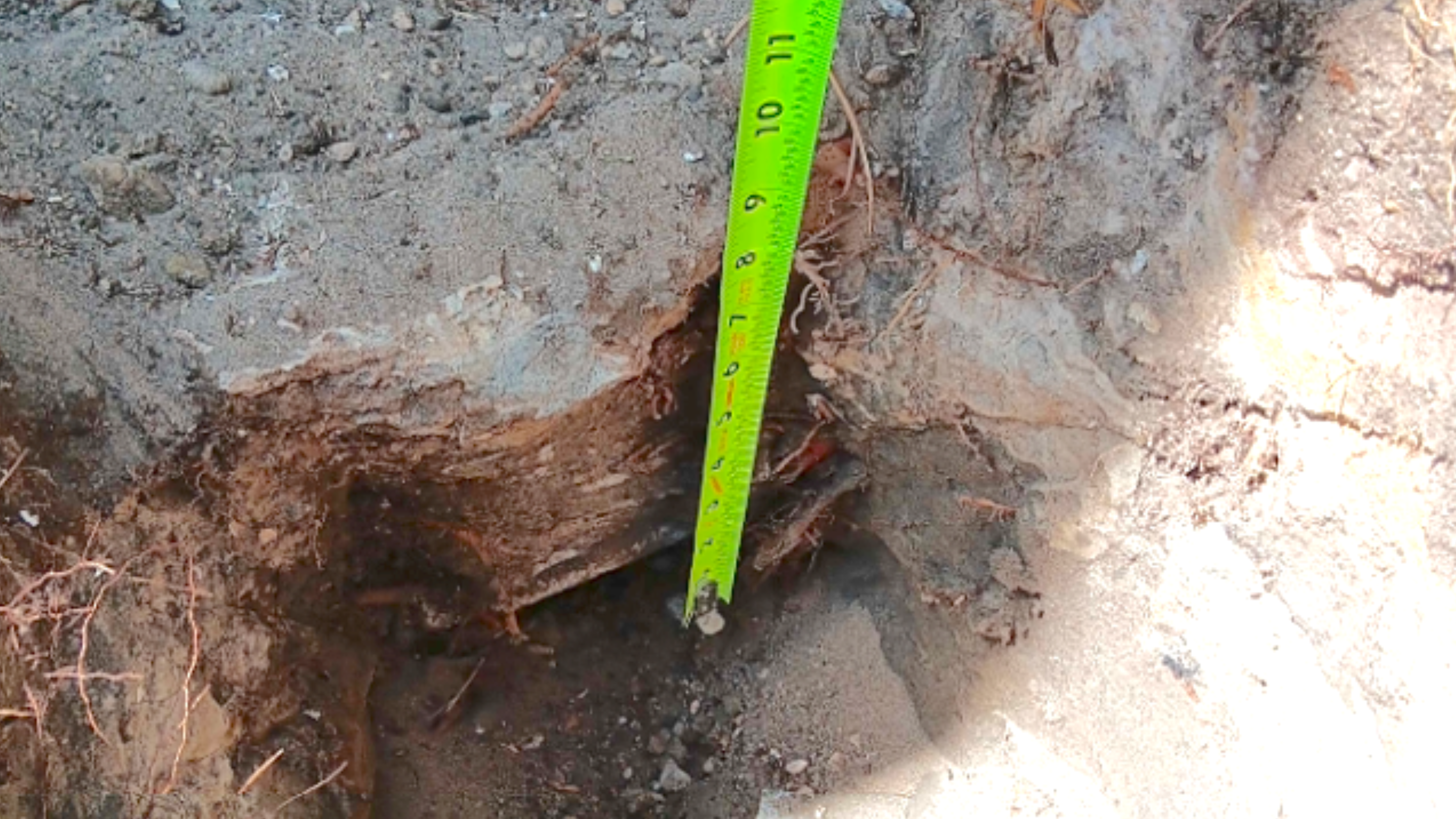
Start with a detailed inspection for cracks, voids, or leaning sections. Evaluate soil conditions, water pressure, and drainage patterns.
Professional assessments often include structural measurements and permit reviews to ensure compliance with local coastal regulations.
Identifying Structural Weaknesses
Pinpoint problem areas early. Look for signs of erosion, soil loss, or water seepage. Tools like ground-penetrating radar or sonar scanning can reveal hidden issues below the surface. Addressing these weaknesses before reinforcement begins ensures long-lasting results.
Customizing Reinforcement Approaches
Every seawall has unique challenges based on location, material, and age. Custom solutions may include polyurethane void filling, crack sealing, or anchoring systems for added support. A tailored approach ensures cost efficiency and maximum stability.
Professional Installation and Quality Assurance
Proper installation separates a temporary fix from a durable coastal defense. Skilled contractors follow precise steps to ensure long-term stability and compliance.
Preparation and Site Access
Before construction begins, crews prepare the site by clearing access paths, checking soil stability, and planning for equipment placement. Good preparation prevents damage and keeps the project efficient.
Installation Techniques
Depending on the seawall design, crews may drive sheet piles, install tiebacks, or pour reinforced concrete panels. Precise alignment and sealing are key to stopping leaks and maintaining soil stability.
Testing and Verification
After installation, inspections confirm strength and alignment. Quality checks include void testing, crack inspection, and pressure analysis to verify the wall’s stability. Routine follow-ups ensure the reinforcement continues to perform as intended.
Maintenance and Long-Term Care
Consistent maintenance keeps your seawall in excellent condition. Regular inspections and small repairs prevent major failures.
Routine Inspection Schedule
Inspect your seawall at least twice a year—once before storm season and once after. Watch for:
- Visible cracks or leaks
- Erosion around the base
- Soil gaps or leaning sections
- Worn-out sealants or joints
Document your findings and schedule repairs promptly.
Preventive Care Practices
Keep nearby vegetation trimmed to prevent root intrusion. Seal small cracks early and ensure drainage systems divert runoff away from the wall. Using compatible materials for touch-ups helps maintain overall structural integrity.
Cost Considerations for Homeowners
The cost of seawall reinforcement varies depending on wall length, material type, and site access. Planning ahead helps avoid unexpected expenses.
Pricing Factors
Smaller projects, like crack sealing or vinyl piling, may cost $15,000–$60,000. Larger, concrete seawalls with advanced reinforcement can reach $200,000 or more. Labor, permit fees, and environmental assessments can also influence the total.
Budgeting for Reinforcement Projects
When planning your project, include:
- Professional inspection and design consultation
- Materials and equipment costs
- Permitting and inspection fees
- Contingency funds for unexpected findings
- Long-term maintenance allowance
Budgeting carefully ensures your investment delivers lasting results.
Choosing a Seawall Reinforcement Contractor
Selecting the right contractor is key to a successful outcome. Look for licensed professionals with proven experience in coastal reinforcement and marine construction.
Qualifications and Certifications
A reputable contractor should hold state and local licenses, understand environmental codes, and be certified in modern reinforcement techniques such as carbon fiber wrapping or helical anchoring.
Evaluating Experience
Ask for references and examples of completed seawall projects. Contractors familiar with local conditions—like Florida’s coastal soils and tidal behavior—are often the best choice. Clear communication and transparent pricing are signs of a trustworthy partner.
Environmental and Regulatory Considerations
Seawall reinforcement must comply with local, state, and federal environmental regulations. These rules ensure shoreline stability while protecting coastal ecosystems.
Permit Requirements
Before starting, obtain the required permits from local agencies. Projects near tidal waters often need environmental impact reviews and construction timing restrictions to protect marine life.
Sustainable Reinforcement Options
Using eco-friendly materials like fiber-reinforced polymers or recycled concrete supports long-term sustainability. These materials reduce corrosion, minimize habitat disruption, and extend the wall’s durability.
Innovations in Residential Seawall Reinforcement
Modern advancements are making seawalls stronger and easier to maintain. Glass fiber reinforced polymer (GFRP) now replaces traditional steel in many installations, offering corrosion resistance and longer life.
Ultra-high-performance concrete also improves durability against saltwater and harsh weather. Modular panel designs allow for quick repairs or replacements as sea levels rise.
Together, these innovations deliver:
- Greater corrosion resistance
- Stronger and lighter materials
- Simplified maintenance
- Adaptability to changing coastal conditions
Protecting Your Seawall and Your Property
A weakened seawall can lead to erosion, property loss, and expensive repairs if left unchecked. Taking early action to reinforce your wall helps prevent damage before it threatens your foundation or shoreline.
Helicon delivers proven residential seawall reinforcement solutions across Florida, combining modern materials and expert installation to restore lasting coastal protection.
If you’ve noticed cracks, leaning, or soil loss near your seawall, don’t wait. Schedule a professional inspection today and take the first step toward securing your home and peace of mind.
Frequently Asked Questions
What Are Residential Seawall Reinforcement Solutions?
Residential seawall reinforcement solutions strengthen existing seawalls using methods like anchoring, soil stabilization, and crack sealing. These techniques restore stability, stop erosion, and extend the life of the wall without a full rebuild.
How Do I Know If My Seawall Needs Reinforcement?
Warning signs include visible cracks, leaning sections, soil loss behind the wall, or water seeping through seams. If your seawall shows any of these issues, schedule a professional inspection before the damage worsens.
What Is the Most Effective Type of Seawall Reinforcement?
The best method depends on your wall’s material and condition. Common options include steel tiebacks, composite sheet piling, and chemical grouting for soil stabilization. A qualified contractor can recommend the right mix after inspection.
How Much Does Seawall Reinforcement Cost?
Costs vary widely depending on wall length, access, and materials. Most residential seawall reinforcement projects range between $15,000 and $60,000, while larger or heavily damaged walls can exceed that.
How Long Does Seawall Reinforcement Last?
With proper installation and maintenance, reinforced seawalls can last 20 to 50 years or more. Regular inspections, drainage management, and minor repairs help maintain long-term performance.
Do I Need a Permit for Seawall Reinforcement in Florida?
Yes. Most Florida counties require permits for seawall repair or reinforcement, especially in coastal or tidal areas. Your contractor should handle the application and ensure compliance with local and state regulations.
Can Seawall Reinforcement Be Environmentally Friendly?
Absolutely. Modern materials like fiber-reinforced polymers and eco-friendly concrete mixes minimize environmental impact while improving durability. Choosing sustainable options helps protect both your property and nearby marine life.