Cracks, settling, and uneven pool surfaces often start with poor new pool foundation support. Florida’s soil can shift, wash out, or compress, putting stress on your pool before you ever enjoy it. If the foundation is wrong, repairs can show up sooner than expected.
At Helicon, we see how avoidable foundation issues turn into costly frustrations for homeowners. The right support system protects your pool structure, surrounding deck, and overall investment from soil movement and moisture changes.
This guide explains what new pool foundation support really involves, why it matters, and which solutions work best in Florida. You’ll learn how to spot risks early and make smarter decisions before construction begins.
What Is Pool Foundation Support
Pool foundation support is the base that holds up your pool’s structure and weight. It covers both the materials and the methods used to prep and stabilize the ground beneath the pool.
Typical choices include compacted sand, gravel, concrete pads, or specialized piling systems like helical piers. The best option depends on what kind of soil you have and the pool’s design.
If you prep the foundation well, you limit shifting, sinking, or cracking under the heavy load of water and pool walls. That’s how you get a level, stable surface so the pool actually performs safely over time.
Importance For Pool Longevity
The foundation’s main job is to prevent movement that could cause structural damage. Pools hold thousands of pounds of water. Even slight ground shifts can mean cracks, leaks, or wall deformation.
Without proper support, you might see problems within months or years, leading to expensive repairs or even unsafe conditions.
Common Foundation Support Issues
Unstable or poorly prepared foundations can lead to several issues:
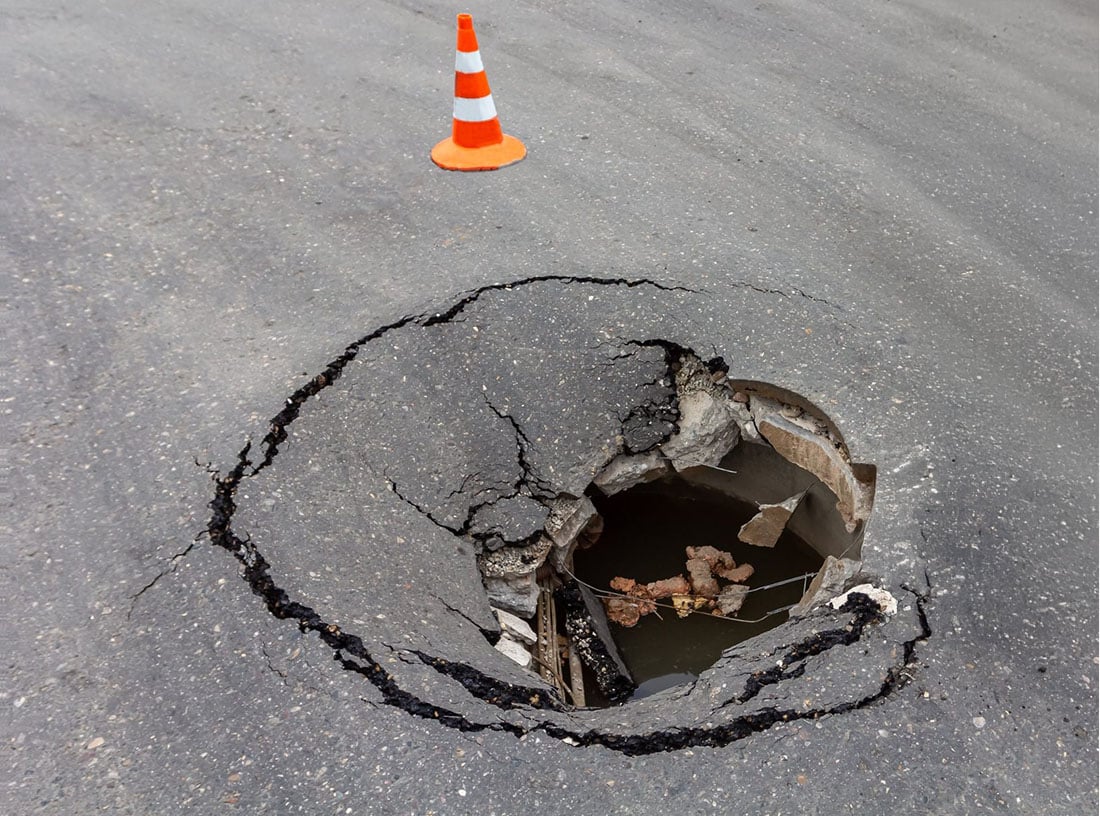
- Sinking or Settling: Soil compacts unevenly, causing parts of the pool to drop and stress the structure.
- Cracking: Shifts in the base can create cracks in pool walls and floors.
- Water Leaks: Damage from foundation problems may cause leaks, waste water, and risk further damage.
- Uneven Pool Surface: This results in safety hazards and poor pool operation.
These issues often start from ignoring soil behavior or using the wrong support method. Early signs include uneven water levels, wall bulges, or visible cracks around your pool.
Types Of Foundations For New Pools
Your pool’s foundation needs to keep it stable and safe over time. Different foundation types handle soil and water pressure in their own ways.
Picking the right one depends on the ground conditions and the pool design. Sometimes it takes a bit of experience, and maybe a gut feeling, to know what’ll actually work best.
Soil-Based Foundations
Soil-based foundations rely on firm, natural earth to support your pool. Before installation, you’ll want to test and compact the soil properly to reduce settling.
If the soil is loose or has a high clay content, it may shift, causing cracks or unevenness. You can improve soil support with techniques like soil stabilization. This process strengthens weak soil to prevent movement.
Starting with a solid base prevents costly repairs later, and it supports long-term new pool foundation performance.
Concrete Slab Foundations
Concrete slabs offer a strong, flat surface for pools. They’re poured in place, usually reinforced with steel bars for extra durability.
This type of foundation resists water pressure and soil movement pretty well. Slabs work best in areas with stable soil. They must be designed to handle the pool’s weight and any shifting soil underneath.
Proper drainage around the slab is essential to avoid water pooling, which can weaken the concrete over time. Concrete slabs create a long-lasting base that keeps your pool safe and steady.
Engineered Backfill
Engineered backfill uses specially selected and compacted materials like sand or gravel under and around the pool. This method controls settling better than natural soil alone.
The backfill materials create a firm, level surface. Proper compaction of the backfill layers is critical. You want a stable base without voids that can collapse or shift.
This approach is common when natural soils are poor or inconsistent. Combining engineered backfill with other foundation types boosts stability and ensures your pool’s longevity.
Site Assessment And Preparation
Preparing your pool site starts with a detailed look at the soil and land. Proper grading and drainage are critical to avoid future water problems. Choosing the right support system ensures your pool foundation will stay secure and stable over time.
Soil Testing Procedures
Before building, you have to test your soil to understand its strength and stability. Soil tests check for moisture content, compaction, and any signs of erosion or sinking risk.
This helps prevent foundation issues later on. Tests like a percolation test or soil compaction analysis provide key data.
Skipping soil testing can lead to cracks or uneven settling. Taking time to test your soil protects your investment and keeps your pool safe.
Site Grading And Drainage Considerations
Good grading means shaping the land so water flows away from your pool site. Improper drainage can cause soil erosion or water pooling, which weakens your foundation.
You want a gentle slope directing runoff toward drains or away from the pool area. Sometimes, installing drainage pipes or gravel trenches is necessary to manage heavy rain.
A well-graded site reduces the chance of soil shifting. This step is crucial before adding any support system or pool shell.
Selecting The Right Support System
The foundation support you choose depends on soil type, pool size, and local conditions. Options include sand bases, compacted gravel, or advanced solutions like helical pier systems.
Helical piers anchor deeply into strong soil layers, providing steady support and preventing sinking. For lighter pools, a high-quality sand or pool pad often works well. Your choice must also follow local codes and consider access for future maintenance.
Modern Foundation Support Solutions
Choosing the right foundation support prevents pool movement, cracks, and shifting over time. Modern methods focus on strength, speed of installation, and adapting to Florida’s soil conditions to ensure long-lasting stability.
Helical Piles
Helical piles are steel shafts with screw-like plates that anchor deep into firm soil layers beneath your pool. They resist both vertical loads and soil movement, making them ideal for Florida’s shifting ground.
Installation is fast, causing minimal disruption. Because they’re adjustable, helical piles can be tightened or repositioned if needed, providing long-term stability.
This method is often preferred for new pool construction or stabilization projects since it strengthens the foundation without large-scale excavation.
Geogrid Reinforcement
Geogrid reinforcement uses a synthetic mesh placed under the pool area to strengthen weak soils. It spreads the weight of your pool evenly, reducing settlement and soil movement.
This approach is useful when soil conditions are poor but extensive deep foundations aren’t needed. The geogrid mesh is lightweight, easy to install, and works well with other supports like compacted fill or concrete pads.
It helps prevent cracking in pool decks and surrounding areas by improving soil stability and load distribution beneath the surface.
Precast Concrete Pads
Precast concrete pads are solid blocks cast offsite and installed under pool structures. They provide a firm, level base that resists soil settling and waterproofs the foundation area.
These pads reduce installation time by eliminating on-site curing. You can place precast pads in strategic locations to support high-stress points under the pool.
Combined with other modern supports, they provide extra rigidity and durability. This solution is especially effective when paired with proper soil preparation and foundation draining methods to avoid movement caused by moisture changes.
Foundation Installation Process
A solid pool foundation starts with precise ground preparation. You’ll need to clear and shape the site, compact base layers, and properly set support structures. Each step matters if you want your pool to stay stable and safe over time.
Excavation Techniques
Start by removing all debris, vegetation, and loose soil within the pool area. Excavate to the depth required by your pool design, making sure the bottom is level and smooth.
Use equipment that fits your soil type and project size. For sandy or unstable soils, you might need to dig deeper to hit firm ground.
Don’t overdo it. Over-excavation can cause settlement issues later. Control water runoff during excavation to prevent erosion or water pooling. A well-planned excavation creates a stable base that supports the entire foundation without shifting.
Base Layer Compaction
Once you finish excavation, compact the exposed soil to reduce air pockets and ensure uniform support. Use mechanical compactors to apply consistent pressure across the area. Check the compacted layer for firmness. It should resist indentation under pressure. Sometimes, adding a layer of sand or gravel boosts drainage and further stabilizes the foundation.
Proper compaction helps prevent soil movement that causes cracks or settling in your pool structure. This step is a critical part of long-term foundation stability.
Setting Support Structures
Support structures like helical piles or auger cast piles provide extra strength when soil conditions are poor or load demands are high. These systems transfer the pool weight to deeper, stable soil.
Helical piles are screwed deep into the ground, offering quick installation and minimal disturbance. They secure the foundation against shifting caused by Florida’s variable soils. Install support structures according to engineering specifications and manufacturer instructions.
Preventing Foundation Problems
Preventing foundation problems starts with understanding how soil, water, and seasonal changes impact your pool’s base. By addressing these elements carefully, you can keep your pool stable and avoid costly repairs over time.
Identifying Soil Movement Risks
Soil type and stability play a huge role in pool foundation issues. Clay soils expand and contract with moisture changes, which can make your pool foundation shift or even crack.
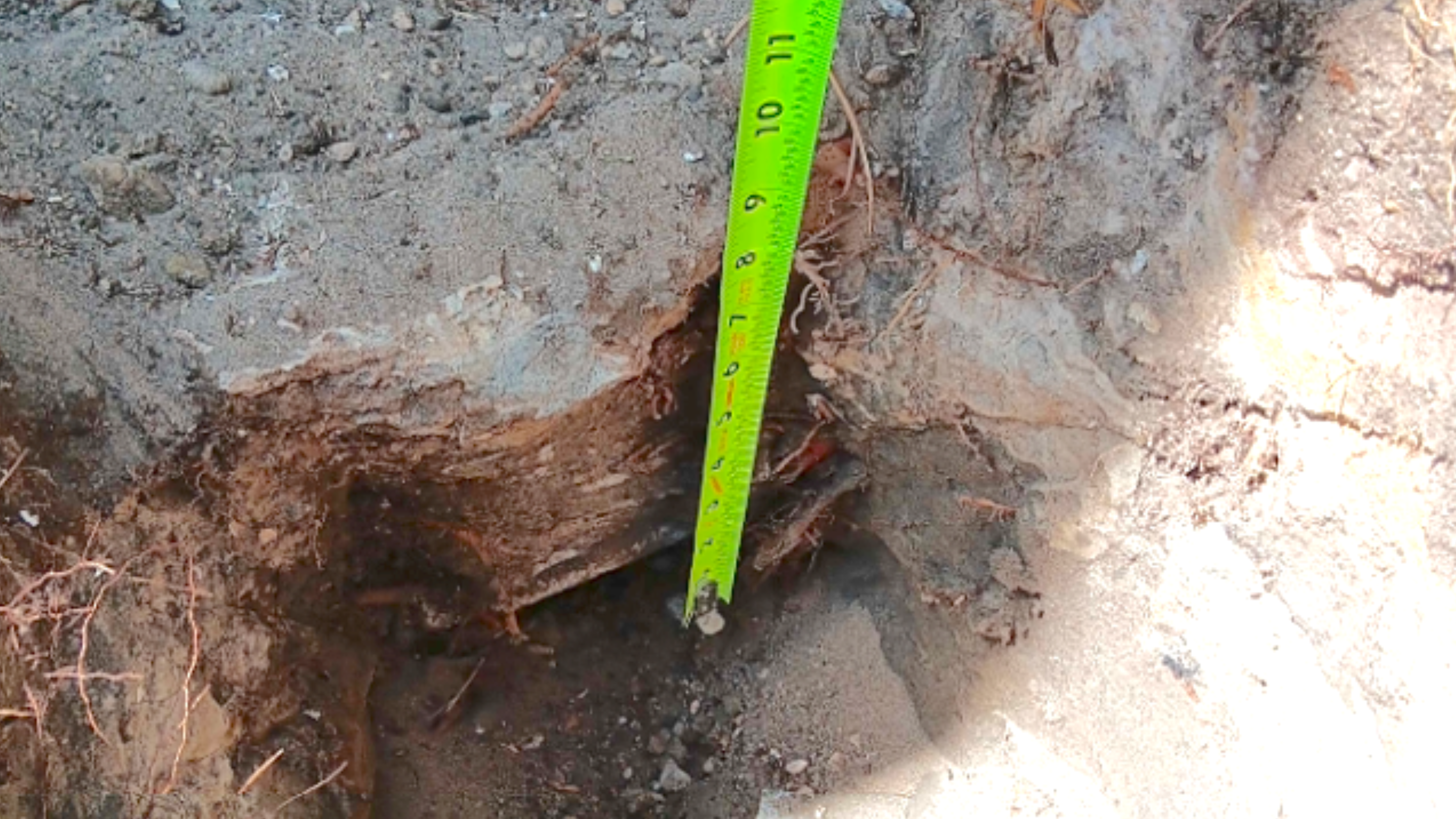
Sandy soils might wash away or settle unevenly when exposed to water. Look for early signs like cracks in concrete or sinking spots around the pool deck.
Testing your soil before building lets you plan the right new pool foundation support. Make sure the ground under your pool is compacted and stable.
Avoid building on disturbed or loose soil unless you reinforce it properly. It’s tempting to skip this step, but it can bite you later.
Moisture Control Strategies
Moisture is honestly one of the biggest threats to pool foundations. Water pooling near your pool or poor drainage can erode soil and weaken the base.
Keep gutters and sprinkler systems pointed away from the pool area. Installing proper drainage systems, like French drains or swales, helps divert water away from the foundation.
Try landscaping with native plants that soak up extra water. Seal cracks quickly to keep water from sneaking under the pool slab.
Moisture control protects the foundation and can extend the life of your pool’s structure. It’s not glamorous, but it matters.
Seasonal Maintenance Tips
Seasonal changes mess with soil moisture and temperature, which affects pool foundations. During dry months, soil can shrink, leaving gaps under the pool.
In wet seasons, soil might swell or wash away. Check your pool deck and walls regularly, especially after heavy rain or drought.
Look for new cracks or uneven settling. Keep moisture around the pool fairly consistent, but don’t overdo it. Use irrigation systems that avoid flooding the area.
Remove debris that blocks drains so water doesn’t build up. Regular inspections and early repairs can save you from expensive foundation fixes down the road.
Cost Factors For Foundation Support
When planning foundation support for your new pool, several key cost factors affect the total price. Materials, labor, equipment, and the value you get over time all play a part.
Material Costs
Material costs really depend on the support system you pick. Concrete slabs are common for pool foundations and usually need a mix of concrete, steel reinforcement, and sometimes additives for extra strength.
Piers or helical piles might involve steel or other specialized components that bump up upfront costs. Prices for materials can change based on supply, demand, location, and soil conditions.
If your soil is acidic or prone to erosion, you might need stronger or more corrosion-resistant steel, which adds to expenses. Choosing durable materials helps you avoid problems like cracking or shifting later, which could cost even more to fix.
Labor And Equipment Expenses
Labor and equipment costs cover the work done by skilled professionals and the machinery needed to install the foundation support. The complexity of your site affects these costs. Sites that are hard to access or have unstable soil might need extra time, special tools, or a bigger crew.
Installing piers or helical piles often calls for heavy machinery like augers or cranes, which can increase expenses. Labor rates in Florida vary but generally make up a big chunk of the total budget.
Long-Term Value Considerations
Investing in quality foundation support pays off over the life of your pool. Cheaper materials or labor might lower initial costs, but they often lead to more repairs and instability in the future.
A strong foundation minimizes risks like shifting soil, water damage, and structural cracks. These issues can cause costly repairs or unsafe conditions later.
Think of your investment as protection for your entire pool area. Choosing proven systems like helical pier supports and quality concrete gives you peace of mind that your pool will stay safe and stable for decades.
Choosing A Qualified Foundation Contractor
When picking a contractor for your pool foundation, focus on their experience and certifications. These factors show they understand soil conditions, structural needs, and safety requirements.
A qualified contractor gives you confidence in the stability and durability of your pool’s foundation. Look for someone with years of experience specifically in pool foundation work.
Evaluating Experience
It helps if they’ve handled Florida’s unique soil types and water challenges. Ask about projects similar to yours and check for proven results, like stable, long-lasting pool foundations.
Pay attention to their ability to manage challenges like soil movement or water pressure. Experienced contractors know how to use the right materials and techniques, like helical pier systems, to prevent future problems.
Request references and take a close look at their past work. Good communication about previous projects lets you see their skill level and professionalism.
Certifications And Insurance
Always verify that the contractor is licensed and insured. Licensing shows they meet state standards for knowledge and safety.
Insurance protects you from liability if accidents or damage occur during work. Confirm that their insurance covers both worker’s compensation and general liability.
This coverage is critical to avoid unexpected costs if someone gets hurt or property is damaged. Check for memberships in professional organizations related to foundation repair or construction.
These memberships usually require adherence to strict industry standards and ongoing education. Choosing a contractor with proper certifications and insurance helps protect your investment and ensures the work meets local building codes.
Protect Your Pool Before Problems Start
A pool’s performance depends on what’s underneath it. Without proper new pool foundation support, shifting soil, moisture, and settling can lead to cracks, leaks, and uneven surfaces that are expensive to fix later.
Helicon helps homeowners address these risks early by matching foundation support to Florida soil conditions. A well-planned foundation protects your pool structure, deck, and long-term enjoyment.
If you’re planning a new pool or want confidence before construction begins, schedule a professional foundation evaluation. Taking action now can help you avoid preventable damage and enjoy your pool with fewer worries.
Frequently Asked Questions
What Is New Pool Foundation Support?
New pool foundation support refers to the methods and materials used to stabilize the ground beneath a pool. It ensures the pool can safely handle water weight, soil movement, and long-term pressure without cracking or shifting.
Why Is New Pool Foundation Support Important In Florida?
Florida soils can be sandy, loose, or prone to moisture changes. Without proper foundation support, pools are more likely to settle unevenly, develop cracks, or experience drainage-related issues over time.
How Do I Know If My Pool Needs Extra Foundation Support?
If your site has loose soil, high groundwater, or previous fill material, additional support is often needed. Soil testing and site evaluation before construction help identify risks early and guide the right solution.
What Are Common Problems Caused By Poor Pool Foundation Support?
Poor support can lead to cracking in pool walls or decks, uneven water levels, leaks, and long-term structural damage. These issues usually become more expensive to fix after construction is complete.
Are Helical Piers A Good Option For New Pool Foundation Support?
Helical piers are often used when soil conditions are weak or unstable. They anchor the pool foundation into deeper, stronger soil layers, helping reduce settling and movement over time.
Can Drainage Affect Pool Foundation Support?
Yes. Poor drainage allows water to collect around the pool, which can erode soil and weaken the foundation. Proper grading and drainage systems are critical parts of a stable foundation plan.
How Long Does A Proper Pool Foundation Last?
When designed correctly and matched to soil conditions, a pool foundation can last for decades. Regular inspections and moisture control help maintain long-term stability.
When Should I Address Foundation Support During Pool Planning?
Foundation support should be addressed before construction begins. Planning early allows the support system to be built into the design, reducing the risk of future repairs and delays.