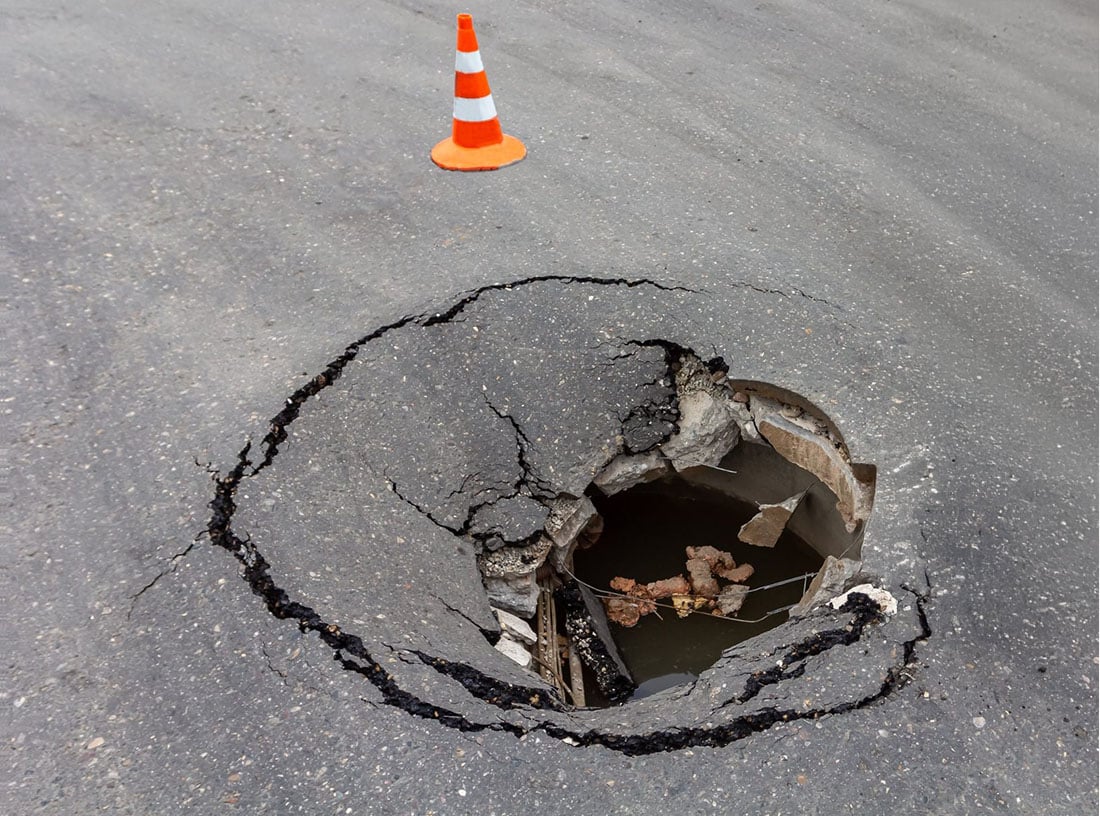
Uneven or sinking concrete around your home can feel stressful. It creates trip hazards, pooling water, and curb appeal issues that only seem to get worse. Many homeowners worry they’ll need a full replacement and a major construction mess to fix it.
A professional concrete slab lifting service offers another path. Instead of tearing out slabs, it raises and stabilizes them so you can walk and drive safely again. Helicon focuses on solutions that are efficient, minimally disruptive, and built to last.
In this guide, you’ll learn what slab lifting is, how it works, and when it makes sense versus replacement. You’ll also see typical costs, safety considerations, and what to look for in a contractor. That way, you can move forward with a repair plan that feels confident and clear.
What Is Concrete Slab Lifting?
Concrete slab lifting means raising settled or sunken concrete slabs to restore a level surface. Slabs usually sink because of soil erosion, moisture changes, or lousy compaction under the concrete.
Instead of replacing the entire slab, lifting is a less invasive and cost-effective solution. It extends the life of your concrete surfaces without major demolition or disruption.
This method works on driveways, sidewalks, patios, and other flat concrete areas. It’s surprisingly versatile.
How Concrete Slab Lifting Works
The process starts with drilling small holes into the sunken concrete slab. Through these holes, a specialized material—usually polyurethane foam—gets injected underneath.
The injected foam expands and fills the voids beneath the slab. As it hardens, it lifts and stabilizes the concrete back to a level and secure position.
Finally, the crew patches the holes to finish up the repair. The modern polyurethane method is fast, durable, and barely disturbs your property during the fix.
Common Types of Slabs Lifted
Concrete slab lifting can repair many types of slabs around your home or business. Common slabs lifted include:
- Driveways: Uneven driveways can damage vehicles or create safety issues.
- Sidewalks: Lifting sidewalks prevents tripping hazards and keeps walkways safe.
- Patios and Porches: Sunken outdoor surfaces can mess with usability and appearance.
- Pool Decks: Level pool decks stop water from pooling and prevent structural damage.
- Garage Floors: Uneven garage floors lead to drainage problems and wear on vehicles.
These slabs often shift because of soil or drainage problems. Concrete slab lifting brings them back without full replacement, saving you time and money.
Signs Your Concrete Needs Lifting
You might notice changes in your concrete that mess with safety and usability. These include visible cracks, uneven spots, water collecting in low areas, and settling or sinking of slabs.
Paying attention to these signs early can save you from bigger headaches down the road.
Cracks and Uneven Surfaces
If your concrete has cracks, shifting soil under the slab could be the culprit. These cracks can grow over time and weaken the surface.
Uneven areas are also a clear sign that the ground below is moving. These spots might feel tilted or wobbly when you walk on them.
Cracks and unevenness can make your property look neglected and cause damage to nearby structures. Fixing these issues with concrete lifting restores smoothness and helps prevent trip hazards.
Keep an eye on patterns of cracking, especially near edges or joints. Sometimes it’s subtle, but it adds up.
Pooling Water Issues
Water that collects on your driveway, patio, or walkway after rain is a warning sign. Pooling water often means your concrete isn’t level and could be sinking.
This standing water can erode soil under the slab, making things worse. Besides damaging your concrete, water attracts mold, mildew, or insects around your home.
Concrete lifting can help restore drainage by raising low spots. This keeps water from settling and protects both your concrete and foundation.
Trip Hazards
Concrete slabs that lift unevenly or sink create dangerous bumps and slopes. These can cause falls or injuries for family members and visitors.
Doors and windows near these slabs might also stick or just won’t close properly. Trip hazards also raise liability concerns if someone gets hurt on your property.
Addressing these issues with professional concrete lifting reduces risks and improves safety. It’s just not worth the gamble.
Visible Settling or Sinking
If parts of your concrete slab look lower than the areas around them, the slab is probably settling or sinking. Soil erosion, poor compaction, or changes in moisture content below the slab can cause this.
Visible gaps or separation between the slab and nearby structures, like walls or steps, also point to sinking. If you ignore settling, it can lead to structural damage and expensive repairs.
Concrete lifting uses non-invasive polyurethane foam to raise the slab back up. It’s a straightforward fix that can save you a lot of trouble.
Benefits of Professional Concrete Slab Lifting
Professional concrete slab lifting gives you a smart way to fix uneven or sunken slabs fast. This method keeps costs down, saves you time, and avoids major disruptions to your property.
Cost-Effectiveness Compared to Replacement
Lifting your concrete slab costs less than removing and replacing it. You avoid expenses like hauling away old concrete and pouring new material.
The process uses small amounts of polyurethane foam or grout to raise the slab, which keeps material costs low. Since slab lifting fixes the problem without full replacement, you save money now and reduce future repair needs.
This makes it a practical choice if you’re on a budget but want a lasting solution. A good approach focuses on durable results that protect your investment without a lot of downtime or waste.
Time Efficiency
Concrete slab lifting usually takes just a few hours—not days or weeks like replacement can. You don’t have to wait around for concrete to cure or dry.
This fast turnaround minimizes inconvenience for you and your family. Since the job uses non-invasive technology, the process moves smoothly with fewer delays.
When experienced crews handle everything, you get efficient work and a lower chance of mistakes or repeat visits.
Minimal Disruption to Property
Slab lifting is non-destructive. It doesn’t require heavy demolition or major digging, so your landscaping, driveways, and walkways stay mostly untouched.
Your yard stays protected, and cleanup time is minimal. You won’t have to worry about noise, dust, or big equipment rolling through your property.
Professional contractors use precise methods that barely impact your home’s surroundings. That means your property stays safe and tidy throughout the repair.
Methods of Concrete Slab Lifting
Concrete slab lifting fixes sunken or uneven slabs by raising them back to their original position. This involves filling the empty space beneath the concrete with a material that stabilizes the slab and prevents future sinking.
The main methods include injecting polyurethane foam, pumping a cement mixture, or using a slurry injection. Each technique has its own perks depending on the slab, soil conditions, and what you want to spend.
Polyurethane Foam Injection
Polyurethane foam injection is a fast and precise method. Small holes are drilled into the concrete, and a lightweight foam is pumped underneath.
The foam expands, fills voids, and lifts the slab evenly. It hardens quickly and resists water damage, so it’s durable.
Because it’s lighter than other materials, it puts less pressure on weak soil. Polyurethane also cures rapidly, so you’re not waiting around for days.
This option is often a favorite for residential driveways, pool decks, and sidewalks because it doesn’t make a mess. No heavy mud or slurry to clean up afterward.
Mudjacking
Mudjacking, a traditional technique, uses a cement-based slurry mixture. Holes are drilled into the slab, and the slurry gets pumped underneath to raise the concrete.
The cement slurry is heavier than foam, so it works best for smaller slabs or areas with stable soil. It might take longer to dry and can be tough on soils that are already weak.
Mudjacking is budget-friendly, but if overdone, it might cause surface cracking. It usually requires a longer curing period before you can use the slab again. This method still works well for lots of uneven concrete repairs on residential or commercial properties.
Cement Slurry Injection
Cement slurry injection is similar to mudjacking but with a thinner cement mix. This method gently fills voids beneath the slab and stabilizes the ground without adding heavy weight.
It’s used when minor leveling is needed, or soil conditions call for less pressure. The slurry is less dense than mudjacking material, so there’s less risk of further settling.
This approach often suits delicate slabs or areas near landscaping that could get disturbed. Cement slurry injection isn’t super common, but it’s handy when you need precision and extra care during your concrete lifting project.
Concrete Slab Lifting Process
Concrete slab lifting involves several precise steps that restore sunken or uneven concrete to its original level. You’ll see firsthand how the process ensures stability and safety by using careful assessment, preparation, lifting, and cleanup.
Inspection and Assessment
The first step is a thorough inspection of your concrete slab. A professional checks for cracks, sinking areas, and the cause of the problem, like soil erosion or poor compaction.
This helps determine the best lifting method and materials to use. During the inspection, they’ll measure the slab’s current position to see how much lifting is needed.
It also helps spot any damage that might affect the repair’s success. Clear communication about these findings helps you know what to expect. Understanding the site’s soil condition is essential. Some soils might need extra stabilization before lifting. This step is crucial for long-lasting results.
Preparation and Drilling
Once the assessment wraps up, the slab gets prepped for lifting. That means cleaning the surface and marking the spots for drilling.
The holes are usually small—just 1 to 2 inches wide—and they’re placed where they’ll do the most good across the slab. Drilling gives access to the space beneath the slab without tearing it up.
The number and position of holes really depend on the slab’s size and how much it’s sunk. Good drilling keeps risks low and gets the slab ready for injection.
You’ll probably notice a bit of dust or debris from drilling, but honestly, the process is quick and pretty controlled. This step makes sure the lifting material goes right where it’s needed.
Injection and Lifting
Next up, a specialized material gets injected under the slab through those drilled holes. Polyurethane foam is the go-to—it expands fast, fills in gaps, and lifts the slab smoothly.
Sometimes, stone slurry or other materials are used, depending on the situation. As the foam inflates, it pushes the slab back up to the right height and fills empty spaces underneath.
This also helps stabilize the soil and keeps future sinking at bay. The whole thing is watched closely, so there’s no over-lifting or weird uneven spots.
You can actually see your concrete coming back to level—sometimes in less than an hour. Once the foam hardens, you’ve got a solid, stable foundation again.
Finishing and Cleanup
After lifting, crews fill and seal the holes to match your existing concrete. This keeps water out and stops more damage from happening.
They clean up the slab’s surface and sweep away any leftover dust from drilling. The area gets a once-over to make sure everything’s secure.
They’ll let you know when it’s safe to use the concrete again, usually just a few hours, maybe a day, depending on what was used.
Choosing a Concrete Slab Lifting Service
If you want the best outcome for your slab lifting project, focus on finding a contractor who’s experienced, upfront about pricing, and offers solid aftercare. Take your time comparing services and checking warranty options, long-term stability and safety really do matter.
Qualities of a Reliable Contractor
Look for a contractor who knows concrete lifting inside and out, especially with polyurethane foam. Make sure they’re licensed and insured so you’re not left hanging if something goes wrong.
Good communication is huge; they should walk you through the process and answer your questions without dodging. Check reviews and testimonials to see if they really deliver on their promises.
A trustworthy contractor will give you a detailed written estimate before doing anything. That’s just basic respect for your time and money.
Comparing Quotes and Services
When you’re looking at quotes, don’t just zero in on the price. What’s actually included? Are they using polyurethane foam or something else? How long will the job take? Are prep and cleanup covered?
Some contractors still use mudjacking, but polyurethane foam is faster and less disruptive. Ask if they’ll handle permits or inspections—it’s one less headache for you.
Look for a clear, itemized quote so you know where your money’s going. Sometimes the cheapest option just means you’ll be fixing it again sooner than you’d like.
| Feature | What to Check For |
| Lifting Method | Polyurethane foam is preferred |
| Project Time | Same-day or within a few days |
| Cleanup | Included or extra charge |
| Permits/Inspections | Managed by contractor |
Warranty and Aftercare Options
A solid company stands behind its work with a real warranty. Make sure it covers both materials and workmanship for a decent stretch. Ask about the details, like what happens if the slab sinks again.
Find out if they offer aftercare, such as follow-up inspections or tips for keeping your concrete in shape. Knowing you’re not left on your own after the job’s done is a big plus.
Safety Considerations for Concrete Slab Lifting
Let’s be honest, safety has to come first with concrete slab lifting. There’s a lot to consider: professional standards, environmental impact, and making sure your property doesn’t get wrecked in the process.
Professional Standards
Always bring in a licensed engineer to design and sign off on the lifting plan, especially with big or complicated slabs. That way, you know the right equipment and methods are being used and everything’s up to code.
Workers need proper training, no shortcuts. Everyone should know how to handle the lifting machines and follow safety rules. PPE matters too: hard hats, gloves, steel-toe boots, the works.
Keep equipment in good shape with regular checks. Faulty tools can mean accidents or even more damage. When the right tools are used properly, you avoid unnecessary stress or cracks in the slab.
Environmental Impact
If you’re not careful, slab lifting can mess with the soil and surrounding areas. Always check soil conditions and drainage before you start, so you don’t end up with erosion or uneven settling later.
Use safe, non-toxic materials, as no one wants chemical spills. Dispose of any waste the right way to keep the environment in good shape.
Don’t forget about your plants and landscaping. Set up barriers or cover delicate spots to keep them safe from heavy equipment and debris.
Property Protection Measures
Protecting your property means looking for cracks or weaknesses in the slab and nearby foundations before starting. Use padding or mats under heavy equipment to avoid tearing up your driveway, patio, or lawn.
Keep loose materials secured so they’re not hazards during the lift. Honestly, a little prep goes a long way in avoiding damage.
Maintenance Tips After Slab Lifting
Once your concrete’s been lifted, don’t just forget about it. A little regular care keeps it looking good and helps prevent new issues. It’s not rocket science—just some basic upkeep and a watchful eye.
Caring for Lifted Concrete
Check your concrete now and then for fresh cracks, uneven spots, or signs of sinking. If you see small cracks, seal them up with concrete filler so water doesn’t sneak in.
Keep the surface clean, sweep away dirt, leaves, and junk. Mild detergent and water work fine for washing. Skip harsh chemicals or pressure washers that could do more harm than good.
Seal your concrete every few years. A good sealer keeps out moisture and slows down erosion. In Florida’s wet climate, this step is even more important. Just double-check that the sealer works with polyurethane foam repairs.
Preventing Future Settling
Soil erosion under concrete is the usual suspect when slabs settle. Make sure water drains away from your slab and check gutters and downspouts so they’re not dumping water right at the foundation or driveway.
Keep landscaping tidy so roots don’t sneak under the slab. Tree roots can really mess things up, so don’t plant big trees too close to your concrete.
If you spot soft spots or sinking after lifting, don’t wait; call a professional. Early fixes are easier and cheaper than letting things get worse. Good soil stabilization and drainage are your best friends for long-term stability.
Common Applications for Slab Lifting Services
Slab lifting comes in handy for uneven or sunken concrete around your property. No need to rip out the whole slab; this restores stability and keeps you from shelling out for a full replacement.
It’s a smart way to boost safety, extend the life of your surfaces, and dodge bigger repair bills.
Driveways
Driveways take a real beating from cars and weather, so it’s no wonder they sink or crack. Slab lifting brings your driveway back to level by injecting polyurethane foam under the concrete to fill gaps and raise the slab.
The process is fast and doesn’t mess up your day. Plus, it strengthens the base, which helps keep future sinking at bay.
Sidewalks
Sunken sidewalks are just asking for someone to trip. Lifting the slab smooths out the surface and keeps your family—and anyone passing by—safer.
The foam injection method uses tiny holes that heal up quickly. Keeping sidewalks level also looks better and helps you stay on the right side of safety codes.
Garage Floors
Garage floors deal with a lot: cars, tools, heavy stuff. When they settle unevenly, you might notice doors not sealing or water pooling, which is a pain.
Concrete lifting gets the floor back to level, avoids safety risks, and skips the hassle of breaking up the garage slab. It’s efficient and keeps your garage usable with minimal downtime.
Cost Factors for Concrete Slab Lifting Service
What you’ll pay for slab lifting mostly comes down to the size of the area, the materials, and how easy it is to get to the site. Each factor can bump up the price or shave off some time. Knowing what affects the cost helps you budget and pick the best route for your project.
Size and Extent of Damage
Bigger slabs and more damage mean a higher bill. A large slab needs more material and labor to lift it correctly.
If there are cracks or it’s settled deeply, expect extra work. Extensive or deep lifts cost more, while small, shallow fixes are cheaper and quicker.
Materials Used
Material choice is a big deal for pricing. Polyurethane foam is popular—it’s lightweight, strong, and expands to fill gaps. You’ll pay more for it, but it works fast and lasts longer.
Stone slurry or mudjacking mixes are less expensive but can take more time and may not last as long. The amount of material needed depends on how thick and sunken your slab is.
Your contractor should break down the options and help you decide what’s best for your situation.
Site Accessibility
If workers and equipment can get to the slab easily, the job’s faster and cheaper. Tight spots, steep slopes, or obstacles slow things down and bump up the price.
For example, slabs under decks or close to landscaping need extra care or special tools. Sometimes, permits or extra travel time add to the cost. Clear access saves you money and makes the whole process smoother.
Is Concrete Slab Lifting Service Right for You?
If you’re dealing with cracks, trip hazards, or pooling water, a concrete slab lifting service can restore safety and curb appeal without tearing everything out. You’ve seen how the process works, the main methods used, and the key cost factors that shape a project.
Helicon can inspect your concrete, explain what’s going on under the slab, and recommend a repair plan that fits your budget and timeline. You get clear answers, not pressure, so you can decide with confidence.
If you’re ready to tackle sinking or uneven concrete, schedule an inspection or request an estimate today. A quick visit is often all it takes to find out if slab lifting is the right fix for your home.
Frequently Asked Questions
What is a concrete slab lifting service?
A concrete slab lifting service raises sunken or uneven concrete by injecting material under the slab. This fills empty spaces in the soil, lifts the slab back into position, and helps prevent further settling.
Is slab lifting better than replacing concrete?
For many homes, yes. Slab lifting is usually faster, less messy, and more affordable than full replacement. Replacement may still be needed if the slab is severely broken or structurally unsound.
How long does concrete slab lifting usually last?
When the soil is stable and drainage is managed, slab lifting can provide long-term performance. Good drainage, sealed cracks, and routine maintenance all help the repair last longer.
How soon can I use my driveway or patio after lifting?
Most concrete slab lifting service projects allow light use within hours. Heavier loads, like vehicles, may need a short waiting period based on the material used and the contractor’s guidance.
Will slab lifting damage my yard or landscaping?
Slab lifting uses small injection holes and targeted equipment. In most cases, lawns and landscaping stay largely undisturbed, with minimal cleanup needed after the work is done.
How much does a concrete slab lifting service cost?
Costs depend on slab size, how far it has sunk, site access, and materials used. A small sidewalk section costs less than a large driveway or pool deck. A detailed on-site quote is the best way to understand your exact price.