If your seawall is leaning, cracking, or showing rust stains, the issue may be failing tie-back rods. When these hidden anchors weaken, your wall can lose the support it needs to resist soil and water pressure. Seawall tie-back rod replacement restores that strength and protects your waterfront investment.
At Helicon, we often see property owners wait until movement becomes obvious. By then, repairs are more involved and more disruptive. Addressing tie-back problems early helps preserve stability and avoid more serious structural issues.
In this guide, you’ll learn how to recognize warning signs, understand the replacement process, and choose the right materials. We’ll also explain when professional help makes sense. With the right information, you can make a confident, informed decision.
What Is Seawall Tie-Back Rod Replacement?
Seawall tie-back rod replacement means removing old or damaged steel rods that anchor your seawall to the ground and installing new ones. These rods connect the visible wall panels to buried anchors called deadmen, which hold everything in place.
Purpose of Tie-Back Rods
Tie-back rods are steel components that run from your seawall panels through the soil to anchor points buried behind the wall. They create a critical connection between the wall you see and the deadmen anchors hidden in the ground.
The rods transfer pressure from the water and soil pushing against your seawall to the anchors buried on land. This transfer of force keeps your wall from bowing, leaning, or collapsing under constant pressure.
Without functioning tie-back rods, your seawall becomes just a free-standing barrier with nothing holding it in place. The system needs both the visible wall and the invisible anchoring components to work properly.
Importance for Seawall Stability
Your seawall faces constant pressure from water, soil, and waves trying to push it over. Tie-back rods provide the strength needed to resist these forces every single day.
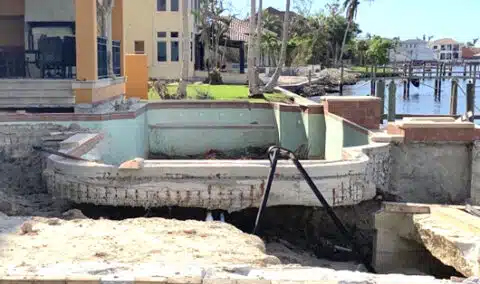
When tie-back rods fail, your seawall can start to lean forward or develop cracks in the panels. You might notice the top of your wall pulling away from the cap or gaps forming between sections.
A seawall without working tie-back rods will eventually fail completely. The wall panels can shift, separate, or collapse into the water, leading to expensive emergency repairs and potential property damage.
Common Issues With Tie-Back Rods
Corrosion is the main problem affecting tie-back rods. Salt water and brackish conditions cause steel rods to rust through after several years of exposure.
You might see these warning signs:
- Rust stains on your seawall panels
- Visible deterioration where rods enter the wall
- Bulging or leaning wall sections
- Cracks in the concrete cap
The rods often corrode at connection points where they meet the wall panels or anchors. Once corrosion starts, it spreads along the length of the rod, weakening the entire anchoring system.
Rod failure typically requires excavation to access and replace the damaged components. Some property owners choose to install additional tie-back rods with a waler system about 2 feet below the top of the wall as a long-term solution.
Signs You Need Seawall Tie-Back Rod Replacement
Tie-back rods keep your seawall anchored and stable. When these metal rods start failing, your entire seawall system becomes at risk for collapse.
Visible Seawall Movement
Your seawall should stand straight and stable. If you notice the wall leaning toward the water or bulging outward, the tie-back rods may no longer be holding properly. Look for panels that have shifted out of alignment. Even small changes in position can mean the anchoring system is weakening.
Sections that bow or tilt indicate the rods aren’t providing enough support anymore. You might also see gaps forming between panels where they used to fit tightly together.
This separation happens when tie-back rods lose tension or break. The wall starts moving because nothing is pulling it back against the soil pressure. Check the top of your seawall regularly. If it appears to be settling unevenly or dropping lower in some spots, this often points to anchor failure below.
Corrosion and Rust
Exposed tie-back rod ends that show orange or brown rust are a major warning sign. The metal is actively corroding and losing strength. Saltwater speeds up this deterioration process. If you live near the ocean or a saltwater canal, inspect your tie-back system more often.
Rust doesn’t just sit on the surface—it eats through the metal from the inside out. Look for rust stains running down the face of your seawall panels.
These streaks tell you the rods behind the wall are corroding. You might also notice rust-colored water dripping from connection points. When corrosion compromises the rod’s thickness, it can no longer handle the pressure pushing against your seawall. The rod may snap without warning once it gets weak enough.
Cracking or Bowing
Horizontal cracks running along your seawall often mean the tie-back system isn’t working correctly. These cracks form when pressure builds up behind the wall without proper anchoring to resist it.
Vertical cracks at rod connection points are especially concerning. They show stress concentrating right where the tie-backs attach. The wall is trying to pull away from its anchors. A bowing seawall curves outward in the middle while staying more stable at the top and bottom.
This distinctive shape almost always indicates tie-back failure. The center section lacks support and bends under soil and water pressure. Watch for cracks that get wider over time or new cracks appearing near existing ones. Progressive cracking means your seawall is actively failing and needs immediate attention.
The Tie-Back Rod Replacement Process
Replacing tie-back rods takes careful planning and proper execution to restore your seawall’s strength. The work requires removing old, damaged rods and installing new ones that connect your seawall to anchor points in stable soil behind the wall.
Inspection and Assessment
A professional starts by checking your entire seawall system to find problems. They look for rust on the tie-back rods, cracks in the cap, and signs that your wall is leaning or bowing. The inspector checks how bad the damage is to each rod. Some rods might have heavy rust on the outside, but still work fine.
Others might be so weak they could break. They also test the soil behind your wall to make sure it can hold new anchors.
You’ll get a report that shows which rods need replacement right away and which ones can wait. The inspector measures the distance from your wall to the current anchors. They also note if you have a waler system running along your seawall about 2 feet below the top.
Removal of Damaged Tie-Back Rods
Taking out old tie-back rods requires digging on both sides of your seawall. Workers dig behind the wall to reach the anchor point or deadman. They also need to access the seawall cap where the rods connect to the front. The team cuts through the old concrete cap to expose the rod connections.
If your seawall has a waler, they remove the rod sections that go through it first. The workers carefully extract each rod without damaging the seawall panels. This step creates excavated soil that needs removal from your property. The size of the excavation depends on how deep your anchors sit in the ground.
Installation of New Tie-Back Rods
New tie-back rods are made from galvanized steel or steel with protective coatings. Many professionals coat the rods with coal tar epoxy for the first 5 feet to fight rust in saltwater areas.
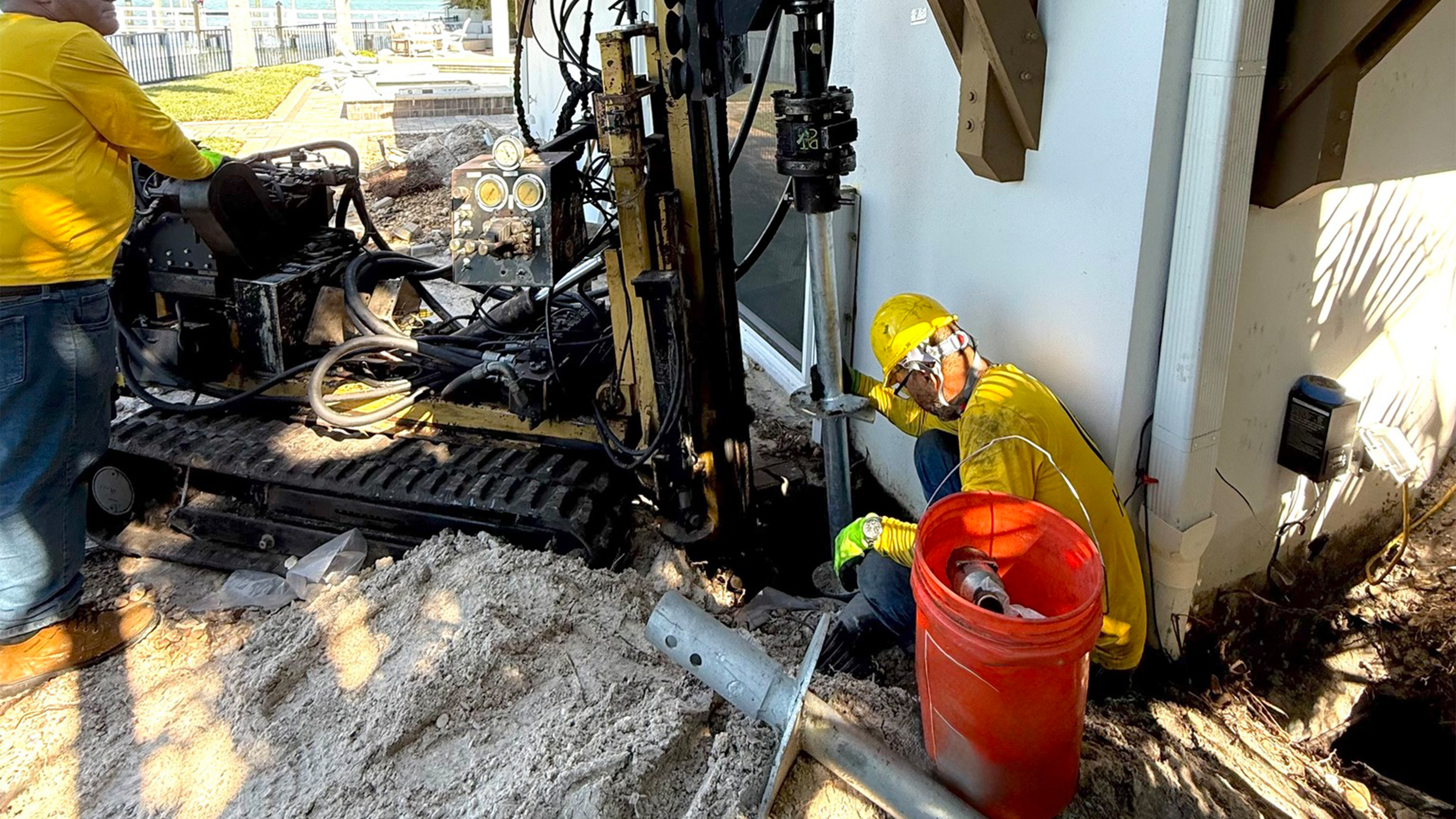
Workers drill through your seawall and into stable soil behind it. They insert the new steel rods and connect them to anchors or deadmen buried in firm ground.
The rods go through your seawall cap and any waler system you have. Each rod gets secured with bolts and plates on both ends. The team pours new concrete to create a fresh cap that locks the rods in place. They backfill the excavated area behind your wall and compact the soil. The new system pulls your seawall back into its correct position and holds it there.
Choosing the Right Materials for Replacement
Selecting the right tie-back rod material affects how long your seawall lasts and how much maintenance you’ll need to do. The main choice comes down to comparing different metal options and understanding how they perform in marine environments.
Galvanized Versus Stainless Steel
Galvanized steel rods are coated with zinc to resist rust and corrosion. They cost less than stainless steel and offer good strength for most applications.
The zinc coating protects the underlying steel, but it wears down over time in saltwater conditions. Stainless steel rods, particularly 316 grade, are built to resist corrosion better than galvanized options.
However, even stainless steel can show rust stains in harsh marine conditions. Some property owners have noticed that certain stainless rods bleed rust stains faster than galvanized ones after just a few years of use.
Fiberglass tie rods present a third option worth considering. These rods don’t rust at all because they contain no metal. They work well with different types of walers and sheetpile systems, making them versatile for various seawall designs.
Longevity and Strength Factors
Steel tie rods in saltwater environments typically fail after several years due to rust. The exact lifespan depends on water salinity, exposure levels, and material quality.
Your rods need enough tensile strength to handle the pressure from soil and water pushing against your seawall. Thread durability matters just as much as the rod material itself.
Continuous threading gives you more adjustment options during installation. Rods threaded only at the ends can still develop full bar capacity if the threads and components are durable enough. Standard lengths come in 50-foot sections, with 60-foot options available for specific projects.
Environmental Considerations
Saltwater and brackish water conditions create the harshest environment for tie-back rods. The salt accelerates corrosion on metal surfaces, which shortens the lifespan of your anchoring system.
Fiberglass systems handle these conditions better because they’re not affected by salt exposure. This makes them a smart choice if your seawall sits in areas with high salinity.
The initial cost might be higher, but you’ll save money on replacements and repairs over time. Temperature changes and UV exposure also impact your tie-back system. Choose materials rated for your specific climate and water conditions to get the best performance.
Professional Versus DIY Seawall Tie-Back Rod Replacement
Replacing tie-back rods requires excavation, specialized equipment, and structural knowledge that most property owners don’t have. Safety risks and the technical complexity of integrating new rods with your seawall cap make this job different from typical home repairs.
Safety Concerns
Working around seawalls puts you near heavy equipment and unstable soil conditions. Excavation can cause sudden collapses if the wall isn’t properly supported during the work.
You’ll be dealing with corroded metal components that can break unexpectedly under tension. This creates serious injury risks when rods snap or anchors fail during removal.
Professional contractors carry liability insurance and follow OSHA safety protocols. They know how to shore up the wall temporarily while replacing tie-back systems. The excavation alone can be 6-10 feet deep in some cases. Without proper trench safety equipment and training, cave-ins can trap or kill workers in seconds.
Required Tools and Skills
You need a backhoe or excavator to reach the tie-back anchors behind your seawall. Most homeowners don’t own this equipment, and renting it costs $200-500 per day.
The job requires concrete mixing and pouring skills to integrate new rods into a cap or waler system. You’ll need to know proper rebar placement, concrete ratios, and curing techniques.
Drilling into existing concrete without damaging the structure takes experience. You also need torque wrenches, specialized anchors, and knowledge of proper tension settings for the rods.
Professionals understand soil conditions and can determine the correct anchor depths. They know how to prevent further erosion while the wall is opened up for repairs.
When to Hire an Expert
Heavy corrosion of your tie-back rods means the wall has lost its internal support structure. This situation requires excavation and professional replacement because partial fixes won’t hold.
If you see multiple tie-back failures along your seawall, the entire system likely needs upgrading. Professionals can assess whether your wall needs additional tie-backs or a complete redesign.
Permits are usually required for seawall structural work. Contractors know local building codes and can handle the permitting process for you. When your property sits in saltwater or has significant elevation changes, hire an expert. These conditions make tie-back replacement more complex and increase the cost of mistakes.
Protect Your Seawall Before Problems Grow
Failing tie-back rods can quietly weaken your entire seawall. Leaning panels, cracks, and rust stains are signs that support is slipping. Timely seawall tie-back rod replacement restores stability and helps prevent larger structural repairs.
At Helicon, we focus on practical solutions that strengthen your seawall and extend its service life. Our team evaluates the full anchoring system to ensure the repair addresses the root cause, not just the symptoms.
If you’ve noticed movement or corrosion, don’t wait for conditions to worsen. Schedule a professional inspection and get clear answers about your next steps.
Frequently Asked Questions
What is seawall tie-back rod replacement?
Seawall tie-back rod replacement involves removing corroded or failed steel rods that anchor your seawall to buried deadmen or anchors. New rods are installed to restore tension and structural support.
This process helps stabilize leaning or bowing walls and reinforces the connection between the seawall and the soil behind it.
How do I know if my tie-back rods are failing?
Common signs include rust stains on the seawall face, cracking near connection points, and visible wall movement. You may also notice the top of the wall separating from the cap. If the wall appears to lean or bow outward, the tie-back system may have lost tension or strength.
Can I replace seawall tie-back rods myself?
Tie-back rod replacement requires excavation, structural knowledge, and proper tensioning techniques. Mistakes can lead to further wall movement or safety risks. Most homeowners choose professional installation to ensure the system is properly anchored and compliant with local codes.
What materials are best for tie-back rods?
Galvanized steel, stainless steel, and epoxy-coated rods are common options. The right choice depends on whether your seawall is exposed to saltwater or freshwater.
Saltwater environments typically require higher corrosion resistance to extend the lifespan of the system.
How long does seawall tie-back rod replacement last?
The lifespan depends on material quality, water conditions, and installation practices. In harsh marine environments, corrosion-resistant materials can significantly extend performance. Routine inspections help identify early wear and protect the long-term stability of your seawall.