Owning waterfront property brings incredible views, but it also comes with responsibility. One of the biggest questions owners ask is how often seawalls should be inspected to prevent costly damage and unexpected failures.
Seawalls quietly protect your land from erosion, flooding, and storm surge, but problems often start out of sight. Helicon regularly sees small cracks or soil loss turn into major repairs simply because inspections were delayed.
This guide explains how often inspections are needed, what warning signs to watch for, and when to call a professional. With the right inspection plan, you can protect your investment and extend the life of your seawall.
How Often Should You Inspect Your Seawall?
Most seawalls need a professional inspection at least once a year, but your exact schedule depends on things like age, materials, and how tough the environment is. A solid inspection timeline helps protect your property—and your wallet—by catching problems early.
General Guidelines for Seawall Inspections
Set up a professional seawall inspection every year as a baseline. This yearly check can catch small issues before they become a headache.
If your property deals with harsh weather or heavy boat traffic, you’ll probably need inspections twice a year. After a big storm or hurricane, get your seawall checked right away, even if your annual inspection just happened.
Stay alert for warning signs between inspections. If you spot cracks, leaning sections, or soil disappearing near the base, it’s time to get a professional in, pronto.
Factors That Decide How Often to Check Your Seawall
A few key things decide how often you should check your seawall. These factors help you set a schedule that catches problems early and reduces the risk of expensive repairs.
Age of the Seawall
Newer seawalls under 10 years old often do fine with annual inspections. If your seawall is over 20 years old, plan on checking every six months to catch age-related wear before it accelerates.
Construction Materials
Materials change what “normal wear” looks like. Concrete can crack and corrode, steel breaks down faster in saltwater, and vinyl often needs less attention, but it still benefits from consistent monitoring.
Environmental Exposure
Saltwater conditions usually mean more frequent inspections because salt speeds up corrosion and deterioration. Daily tides, constant waves, and boat wakes also add stress and can increase wear over time.
Previous Damage History
If your seawall has been repaired before, it may be more likely to develop new issues sooner. Past damage can indicate weak spots, shifting soil conditions, or ongoing pressure that deserves closer attention.
Local Regulations and Standards
Where you live might dictate how often you need to inspect your seawall. A lot of coastal communities have minimum inspection rules for waterfront properties.
Check with your local building department or coastal management office. Some places require inspections before you sell, or after big storms. These rules protect not just your property, but your neighbors’ too.
Local professional engineers know the standards in your area. They’ll help you stay on the right side of the rules.
Key Indicators That Trigger Seawall Inspections
Scheduled inspections are great, but sometimes you need to act fast. Physical damage, wild weather, or just the passage of time can mean your seawall needs attention right now.
Visible Signs of Damage
Cracks in your seawall are the most obvious red flag. Horizontal cracks usually mean pressure from behind, while vertical ones could point to settling or foundation trouble.
Keep an eye out for:
- Wall sections leaning or bowing out
- Gaps between panels or sections
- Rust stains or exposed rebar on concrete
- Sinkholes or lost soil near the base
- Water seeping through the wall
Bowing or bulging panels show the wall is shifting under pressure. That often happens when the soil behind the wall gets saturated after heavy rain.
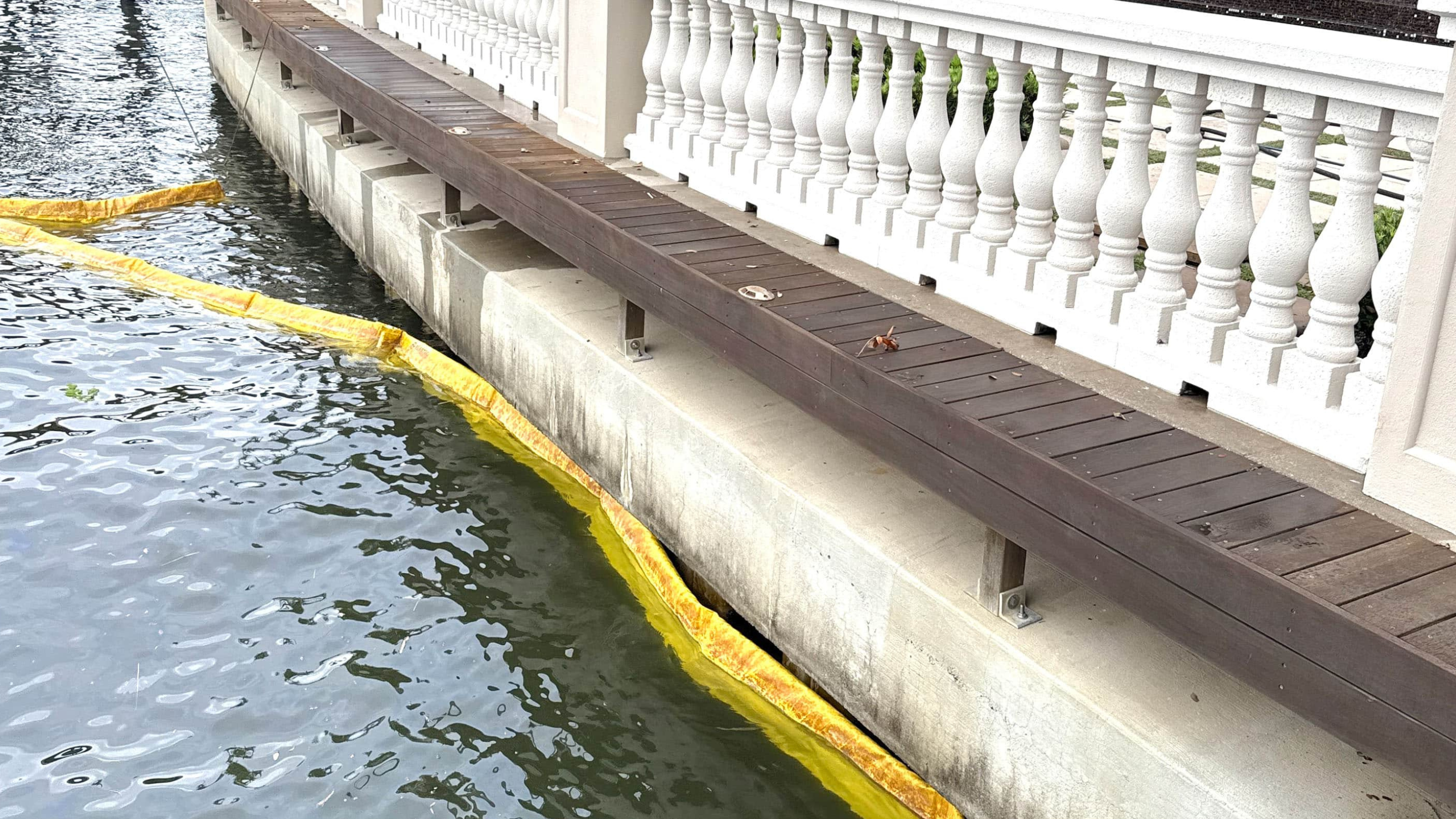
Voids under the seawall cap mean soil has already washed out. If you see these, the wall’s support is already weakened. Just walking along your seawall every so often helps you spot problems early.
Impact of Severe Weather Events
Hurricanes, tropical storms, and flooding put your seawall to the test. After any big storm, schedule an inspection within a few weeks.
Storm surges and high winds slam seawalls with wave action. That force can loosen connections, crack panels, and wash away supporting soil. Sometimes the damage is hidden, even if everything looks okay from a distance.
After a storm, check for:
- Shifted or moved panels
- New cracks or cracks that got worse
- Issues at the base, like erosion or undermining
- Drainage systems that aren’t working
Heavy rain soaks the soil behind your seawall, building up pressure. That can turn a stable wall into a failing one overnight. Boat wakes and waves during storms just make things worse.
Aging Infrastructure Concerns
If your seawall was built more than 20 years ago, it needs more frequent inspections. Old construction materials and methods just don’t hold up like modern ones.
Steel parts corrode from constant saltwater. Concrete breaks down as salt gets in and attacks the reinforcement. Wood rots and weakens with age and moisture.
As your seawall gets older, bump up inspections. A 30-year-old wall might need a check every 6-12 months. How well it was built in the first place also matters a lot.
Older seawalls might not have proper drainage or weep holes. Without those, water pressure builds up and speeds up the damage. If your wall is older than current building codes, get a pro to evaluate it.
Recommended Inspection Intervals
Most seawall owners should plan for a professional inspection at least every two years, but annual checks are safer. Your schedule might need to be tighter if your wall’s older, in a rough location, or takes a beating from the elements.
Routine Inspection Timelines
Aim for a professional inspection every one to two years as a minimum. Annual checks work best for most because they catch problems before they explode into big repairs.
Between pro visits, do your own quick checks every few months. Look for cracks, leaning, or soil that’s vanishing behind the wall. Sometimes you’ll spot something urgent.
Older seawalls need more frequent professional eyes on them. If yours is over 20 years old, get it checked yearly to avoid nasty surprises.
Seasonal and Annual Assessments
Inspect your seawall right after major storms or hurricanes. These events can cause hidden damage that gets worse fast if ignored.
Schedule the annual inspection during the dry season, when water levels are lower. That way, you or your inspector can see more of the structure, even parts that are usually underwater.
Pay attention after heavy rains. If you notice more water seeping through, new cracks, or erosion, call for an inspection immediately. Regular maintenance between checks stretches your seawall’s lifespan and might mean fewer professional visits.
Professional Versus DIY Seawall Inspections
You can handle basic visual checks, but pros have the tools and training to spot what you can’t see. Knowing when to call in an expert (and when you can handle it) helps you protect your property without breaking the bank.
When to Hire a Professional
Book a professional inspection at least once a year. In places with tons of storms or erosion, like coastal Florida, annual pro checks are even more important.
Pros bring specialized gear to measure structural integrity, check soil conditions, and spot problems below the surface or underwater.
Call in a professional if:
- Your seawall is over 5 years old
- You notice cracks, leaning, or weird changes
- A big storm just hit
- You’re buying or selling waterfront property
- Your routine check turns up something worrisome
Professionals can evaluate complex stuff like soil erosion, drainage issues, and material breakdowns that need technical know-how.
Benefits and Limitations of Self-Inspection
Do a visual check yourself twice a year, preferably in spring and fall. These quick looks help you spot obvious problems early and know when to call in a pro.
During your check, look for cracks, clogged weep holes, and any leaning or shifting. Watch for soil loss or water pooling where it shouldn’t.
Self-inspections are good for:
- Keeping tabs on known trouble spots
- Noticing new damage after storms
- Saving some money on maintenance
- Staying familiar with your seawall’s condition
But you can’t see what’s happening below the surface or behind the wall. You might also miss early warning signs that a trained inspector would catch. Self-inspections are a great supplement, but they don’t replace a professional.
Long-Term Maintenance Strategies
Taking care of your seawall over the years means sticking to a regular schedule and keeping good records. These habits help you spot problems early and see how your seawall changes over time.
Scheduling Preventive Maintenance
Inspect your seawall at least twice a year. Spring and fall are best, so you can avoid damage from winter storms or summer weather. If a major storm blows through, check your seawall right after.
Between pro inspections, walk your seawall every few months. Look for cracks, leaning, or missing soil. Make sure weep holes aren’t clogged with junk or algae.
Plan to clean the seawall every year to remove gunk and plant growth. Apply protective coatings every few years, depending on the material. Vinyl needs less work than concrete, but don’t neglect it.
Fix small problems right away. A tiny crack now can become a monster repair later. Regular maintenance is way cheaper than emergency fixes and can help your seawall last 30 to 50 years or more.
Keeping Records of Inspection Results
Write down what you find at each inspection. Note the date, weather, and any cracks, shifts, or other issues. Snap photos from the same spots each time for easy comparison.
Keep all your repair receipts and contractor reports together. This paper trail shows what got fixed and when, helping you spot patterns, like areas that keep needing repairs. If you ever sell your property, these records are gold. They prove you took care of the seawall and help new inspectors understand its history.
Protect Your Seawall Before Small Issues Grow
Regular inspections are the key to avoiding sudden seawall failures and expensive repairs. Knowing how often seawalls should be inspected helps catch cracks, erosion, and pressure issues early, when fixes are simpler and less disruptive.
Helicon helps waterfront property owners stay ahead of damage with practical inspection guidance and long-term maintenance support. A consistent plan reduces risk, protects property value, and extends the life of your seawall.
If your seawall hasn’t been inspected recently, now is the right time. Schedule an inspection, document what you find, and address small concerns before they become major problems.
Frequently Asked Questions
How often should seawalls be inspected?
Most seawalls should be inspected at least once a year. In areas with frequent storms, heavy boat traffic, or saltwater exposure, twice-yearly inspections are a safer approach.
Does seawall age affect inspection frequency?
Yes. Newer seawalls often perform well with annual inspections, while seawalls over 20 years old should be checked more often to catch age-related wear early.
Should a seawall be inspected after a storm?
Absolutely. Major storms, hurricanes, or flooding can cause hidden damage. An inspection soon after severe weather helps identify issues before they worsen.
Can I inspect my seawall myself?
You can perform basic visual checks for cracks, leaning, or soil loss. However, professional inspections are needed to assess structural integrity and hidden problems.
What are the warning signs that a seawall needs inspection?
Common signs include visible cracks, bulging or leaning sections, rust stains, sinkholes near the wall, and water seeping through the structure.
Do local rules require seawall inspections?
Some coastal areas require inspections during property sales or after major storms. Checking local regulations helps ensure compliance and avoids delays or fines.
What happens if seawall inspections are skipped?
Skipping inspections allows small problems to grow unnoticed. Over time, this can lead to larger repairs, higher costs, and increased risk to the property.